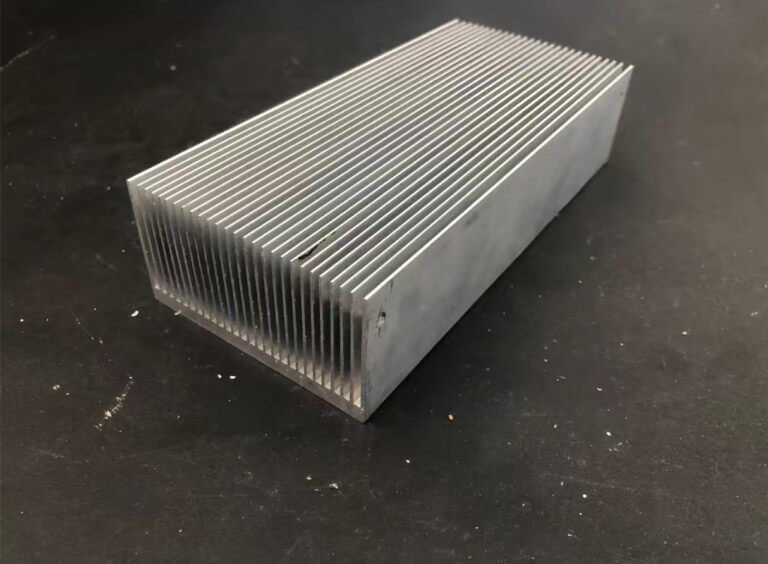
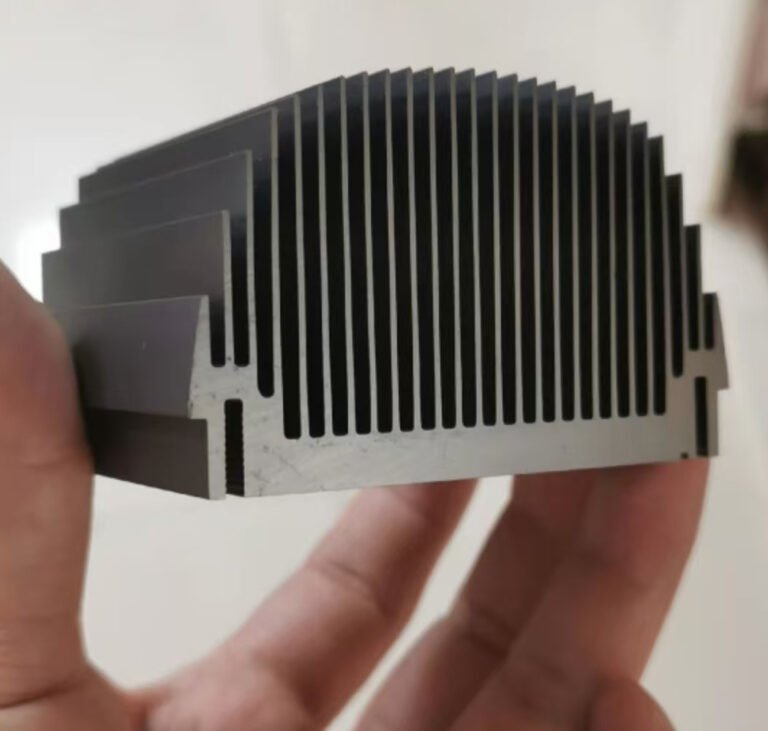
Vanway Precision Materials Tech Co.,Ltd


Custom Extruded Aluminum Enclosures: 7 Ultimate Fast Tips
How to Build Custom Extruded Aluminum Enclosures Rapidly and Economically?
Table of Contents
Choosing custom extruded aluminum enclosures is not just about picking a profile and placing an order. A complex design may increase tooling costs, thicker walls may add unnecessary weight, and more cooling fins do not always mean better heat dissipation. Small design choices can affect the final price, production time, and product performance.
We believe a good extruded aluminum electronic enclosures design starts with the right balance between function, cost, and ease of manufacturing. Before you invest in a new extrusion die, it is worth checking whether an existing profile can meet your needs. You should also review the aluminum alloy, wall thickness, machining requirements, surface finish, and order quantity before production begins.
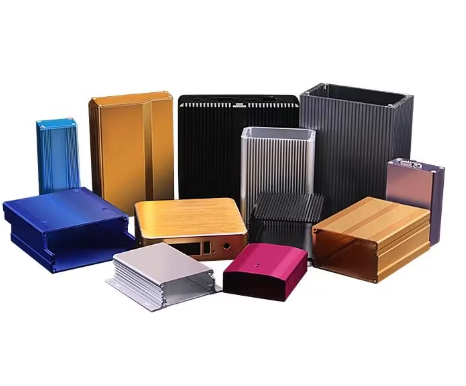
For buyers of custom extruded aluminum enclosures, these details matter. A small change to the profile may reduce machining work. A clear drawing with the right tolerances can help avoid costly revisions. And choosing the right finish and sealing method can make a real difference when the enclosure must work in a demanding environment.
Whether you need an extruded aluminum case for electronic equipment or an aluminum instrument enclosure for industrial use, the goal is the same: get the performance you need without paying for features you do not.
In this guide, Vanway Tech shares seven practical tips to help you review your design, control costs, and choose a reliable aluminum enclosure manufacturer. Use them as a starting point before requesting a quote or approving a new extrusion die.
I. How to Reduce Tooling Costs for Custom Extruded Aluminum Enclosures
The cross-section is one of the first things to review when designing custom extruded aluminum enclosures. A profile with too many cavities, narrow grooves, or unusual shapes may require a more complex extrusion die and closer process control.
A complicated design is not always a better design. Start with the features your product actually needs.
Check Whether a Standard Profile Can Do the Job
Before opening a new die, compare two options:
- Standard profile + CNC machining: Suitable when an existing profile meets most of your size and structural requirements.
- Custom extrusion + CNC machining: Worth considering when you need integrated PCB guides, mounting slots, cooling fins, or a special cross-section.
A standard profile may reduce initial tooling costs, but additional machining can increase the cost of every part. Compare the full production cost before making a decision.
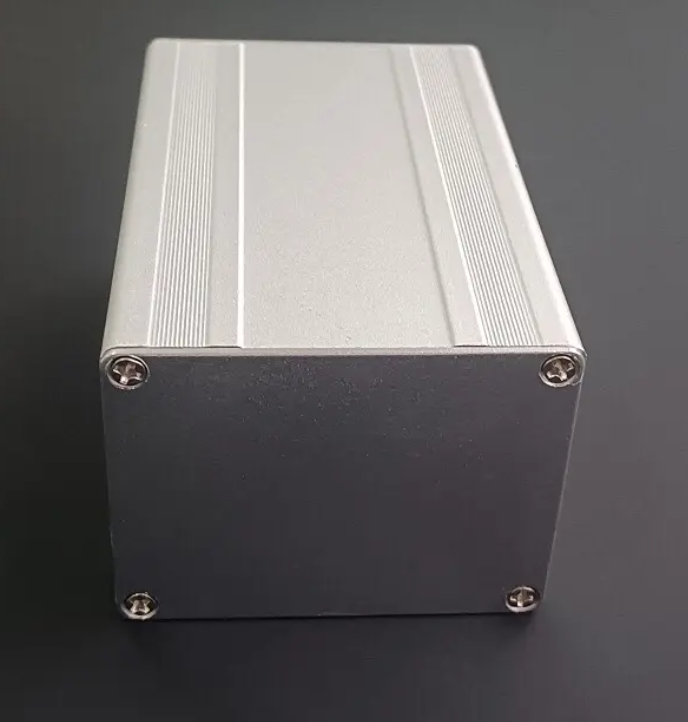
Custom Aluminum Enclosure Fabrication: 5 Smart Ways to Lower Tooling Expenses
Remove Features That Add Cost Without Adding Value
Review the drawing for deep, narrow slots, sharp internal corners, uneven wall thickness, and cavities that do not serve a clear purpose. Ask your extrusion supplier whether these features can be simplified.
For an extruded aluminum case, integrating screw channels or PCB guides into the profile may reduce the number of separate parts. However, the added complexity must still be practical to extrude and machine.
A useful first step is to ask the supplier for a design-for-manufacturing (DFM) review before approving the die.
II. How to Choose the Right Alloy and Wall Thickness for an Aluminum Instrument Enclosure
The best alloy depends on the job. An enclosure for a small electronic device may have very different requirements from a housing that supports heavy components or experiences repeated mechanical loads.
6063-T5 and 6061-T6 are two common options, but neither is the right choice for every application.
6063-T5 vs. 6061-T6
| Design factor | 6063-T5 | 6061-T6 |
|---|---|---|
| Main advantage | Good extrusion formability and surface finish | Generally higher strength |
| Common applications | Electronic housings, heat sinks, decorative profiles | Structural parts and higher-load components |
| Complex profiles | Often a useful starting point | Feasibility depends on profile geometry |
| Surface finishing | Commonly used for anodizing | Can be anodized; appearance may differ |
| Selection priority | Profile shape, finish, and cost | Strength, loading, and machining needs |
Actual mechanical properties depend on the applicable material specification, product dimensions, and testing requirements. Confirm the required properties with your supplier instead of relying on alloy names alone.

6063-T5 vs 6061-T6 Aluminum Extrusions: Which Alloy Fits Your Project?
How Thick Should the Walls Be?
For an initial design review, compare wall thicknesses such as 1.5 mm, 2.0 mm, and 2.5 mm. These are starting points for evaluation, not universal design rules.
Thicker walls generally use more material and can increase part weight. They may also provide more room for machining or threaded features, depending on the design.

How to Remotely Evaluate Custom Aluminum Extrusion Supplier: Mold Tolerance & MOQ
Before fixing the wall thickness, check:
- Overall enclosure size and expected loads.
- Screw engagement and mounting points.
- Required stiffness and impact resistance.
- Extrusion feasibility and machining access.
- Available space for internal components.
For an aluminum instrument enclosure, the wall thickness should support the installed equipment without adding unnecessary weight or blocking useful internal space.
III. How to Improve Heat Dissipation in Extruded Aluminium Electronic Enclosures
Adding more fins is an easy way to make a heat sink look more powerful. But the real question is whether the finished enclosure can keep the electronics within their operating temperature limits.
For extruded aluminium electronic enclosures, thermal performance depends on more than the aluminum alloy. Profile geometry, airflow, contact resistance, installation direction, and heat source location all matter.
Review the Main Thermal Design Factors
| Design factor | What to check | Why it matters |
|---|---|---|
| Heat source power | Actual power converted into heat | Establishes the thermal load |
| Fin spacing | Clearance between adjacent fins | Affects airflow and heat transfer |
| Fin height and thickness | Available surface area and structural needs | Influences the balance between surface area and airflow |
| Base thickness | Distance between the heat source and outer surface | Affects heat spreading and weight |
| Thermal interface material (TIM) | Contact between the component and enclosure | Reduces contact resistance when properly selected |
| Installation direction | Natural airflow and surrounding clearance | Can change cooling performance |
Test the Complete Assembly
Do not judge cooling performance from the profile drawing alone. Test the enclosure with the actual heat source, mounting arrangement, and thermal interface material.
Record the input power, ambient temperature, test duration, installation direction, and temperature at key locations. If a fan is used, record the airflow or fan operating conditions as well.
A simple thermal test record makes it easier to compare design changes and identify the source of overheating. It also gives your engineering team evidence to use when approving the final design.
IV. How to Set Machining Tolerances for an Extruded Aluminum Case
Tighter tolerances can improve fit, but they also increase machining and inspection demands. Applying the same tight tolerance to every dimension may raise costs without improving the final product.
For an extruded aluminum case, focus first on the dimensions that affect assembly, sealing, and component alignment.
Separate Extrusion Dimensions From Machined Dimensions
Extruded dimensions are controlled by the profile geometry, alloy, production process, and applicable extrusion tolerances. CNC-machined features follow a different set of requirements.
Pay particular attention to:
- PCB guide widths and internal slots.
- End-cap mating surfaces.
- Connector openings and mounting holes.
- Threaded holes and screw engagement.
- Gasket grooves and sealing surfaces.
A drawing should clearly identify critical dimensions and the datum surfaces used to measure them.

Custom CNC Machine Aluminum Machining: B2B Manufacturer Guide
Example Tolerance Review Table
The following values are preliminary discussion points for design review. They are not guaranteed production capabilities or universal industry standards.
| Feature | Initial review target | What to confirm |
|---|---|---|
| Critical CNC-machined feature | ±0.05 mm | Machine capability, feature size, and inspection method |
| General machined dimension | ±0.10–0.20 mm | Fit and functional requirements |
| Cut length | ±0.5 mm as a starting point | Length, cutting process, and assembly needs |
| Extruded profile dimensions | Based on the applicable extrusion standard | Cross-section, dimensions, and supplier capability |
| Hole position | Defined on the drawing | Datum reference and positional tolerance |
| Sealing groove | Based on gasket design | Groove geometry, compression, and leakage requirements |
These targets should be confirmed with the manufacturer before production. Some features may need tighter control, while others can accept wider tolerances.
The goal is not to make every dimension as precise as possible. It is to make the parts fit and work as intended.
V. How to Choose the Right Finish and Sealing for an Aluminum Enclosure Box
Surface finish affects appearance, corrosion resistance, wear, and sometimes electrical contact or grounding. The right choice depends on where the enclosure will be used and how it will be assembled.

Compare Common Surface Finishes
| Finish | Common reason to choose it | Points to review |
|---|---|---|
| Mill finish | Lower finishing cost or a later finishing step | Surface marks and appearance |
| Clear anodizing | A durable oxide layer with a metallic appearance | Color consistency and film thickness |
| Black or colored anodizing | Appearance and surface protection | Color variation and dimensional changes |
| Powder coating | Color options and a coated surface | Coating thickness, edge coverage, and fit |
| Unfinished machined areas | Electrical contact or functional interfaces | Corrosion protection and masking requirements |
Anodizing thickness, coating thickness, and color requirements should be agreed upon before production. Coatings can affect mating dimensions, so grooves, holes, and tight-fitting components may need special consideration.
Mill Finish Aluminum vs Clear Anodized Aluminum: How to Choose the Right Finish
Design the Seal as Part of the Enclosure
A sealed enclosure is a complete assembly, not just an aluminum profile with a gasket.
Check the end caps, fasteners, connector openings, cable entries, and gasket grooves together. Gasket material and compression must suit the operating temperature, chemicals, moisture exposure, and expected service conditions.
If the project requires IP65 or IP67 protection, define the target rating and applicable test requirements at the beginning. The finished assembly must be tested as required; the material or gasket alone cannot prove the enclosure’s IP rating.
For outdoor equipment, also consider UV exposure, condensation, salt spray, and the expected maintenance environment.
VI. How to Reduce Total Costs When Buying Custom Extruded Aluminum Enclosures
A low price per kilogram does not always mean a low-cost enclosure. Tooling, machining, finishing, inspection, packaging, and logistics can make a significant difference to the final purchase price.
When comparing suppliers, ask for a cost breakdown rather than looking at one number.
What Should the Quote Include?
| Cost item | What to confirm |
|---|---|
| Extrusion die | New die, existing die, ownership, and maintenance terms |
| Aluminum material and extrusion | Alloy, temper, profile weight, and pricing basis |
| Cutting | Cut length, tolerance, and waste allowance |
| CNC machining | Number of setups, holes, slots, and threads |
| Surface finishing | Process, color, thickness, and masking |
| Assembly and inspection | Included operations and acceptance criteria |
| Packaging and logistics | Protection, shipping terms, and delivery costs |
| Engineering changes | Charges for drawing revisions or die modifications |
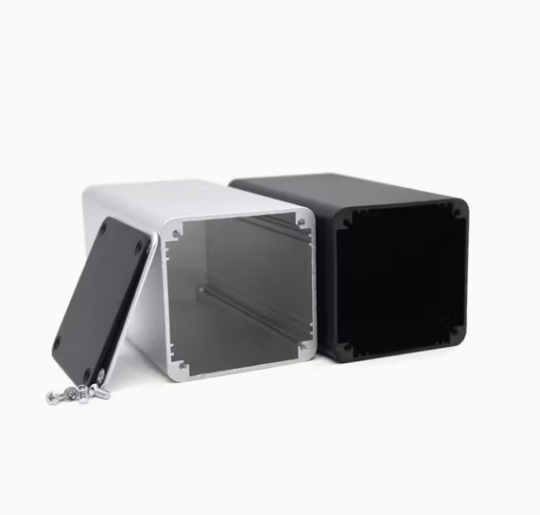
Affordable Custom Extruded Aluminum Enclosure: 5 Design Tips
Example: How Order Quantity Changes the Cost
The following figures are hypothetical and are included only to explain the calculation. They are not market quotations or Vanway Tech prices.
| Cost item | Assumed cost |
|---|---|
| One-time extrusion die | $1,200 |
| Material and extrusion per part | $4.00 |
| CNC machining per part | $3.00 |
| Surface finishing per part | $1.20 |
| Inspection and packaging per part | $0.80 |
| Total variable cost per part | $9.00 |
For an order of 500 parts:
Total project cost
$1,200 + (500 × $9.00) = $5,700
Average cost per part
$5,700 ÷ 500 = $11.40
This simplified example excludes freight, taxes, engineering charges, scrap, and other possible costs.
The die cost is spread across more parts as order volume increases. However, producing more units is not automatically the cheaper choice if the extra stock sits unused or becomes outdated.
A reliable custom extruded aluminum enclosure manufacturer should help you compare expected demand, upfront tooling investment, and unit price before you commit to production.
VII. How to Choose a Reliable Aluminum Enclosure Manufacturer
A good drawing is only part of a successful project. The supplier also needs a suitable production process, clear quality checks, and a reliable way to manage changes.
Before selecting a supplier, confirm what it can produce in-house and what it outsources. Outsourcing is not necessarily a problem, but the process and quality responsibilities should be clear.
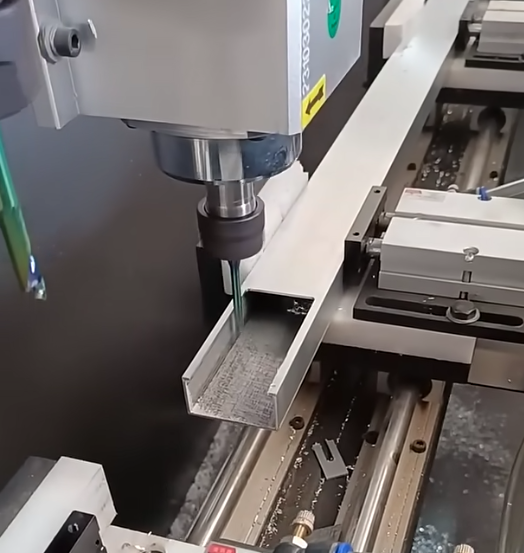
Extruded Aluminum Case Processing Capability-Vanway Tech
Questions to Ask Your Supplier
Use these questions when evaluating an aluminum enclosure manufacturer:
- Can you review the extrusion profile and suggest practical design changes?
- Do you have experience producing the required alloy, temper, and cross-section?
- Which CNC operations and surface finishes can you provide?
- Who owns the extrusion die, and what happens if the project changes?
- Will you provide a first-article inspection report?
- How do you track material batches and production records?
- What is included in the quoted lead time?
- What are the minimum order quantity, sample charges, and payment terms?
Request Evidence, Not Just Promises
Ask for relevant examples of similar work, sample inspection records where available, and documentation that supports the material and quality requirements in your order.
For critical dimensions, agree on the inspection method and acceptance criteria before production. For thermal or sealing performance, define the required tests and conditions.
A clear agreement at the beginning helps prevent disputes later. It also gives both sides a shared understanding of what a finished enclosure must deliver.
A Practical RFQ Checklist for Custom Extruded Aluminum Enclosures
Before requesting a quotation, prepare the information below. Complete drawings and clear requirements help aluminum enclosure manufacturer & supplier identify risks and quote more accurately.

Enclosure RFQ Checklist
Technical Information
Purchasing Information
You do not need to have every detail finalized before starting a discussion. If some requirements are still open, identify them so the aluminum enclosure manufacturer & supplier can help review the options.
Frequently Asked Questions Regarding of Custom Extruded Aluminum Enclosures
Q1. Can I avoid new extrusion tooling for a custom aluminum enclosure?
A: Possibly. If an existing profile meets your main size and structural requirements, CNC machining may be enough to create the required openings, mounting holes, and threads. Compare the machining cost and design limitations with the cost of a new extrusion die before deciding.
Q2. Which alloy is better for extruded aluminum electronic enclosures, 6063-T5 or 6061-T6?
A: 6063-T5 is often considered for complex extruded profiles and decorative finishes. 6061-T6 is worth evaluating when higher strength is needed. The right choice depends on the load, profile shape, surface finish, and machining requirements.
Q3. How can I reduce the cost of an aluminum enclosure box?
A: Start by simplifying the profile, removing unnecessary machining features, and avoiding tighter tolerances than the application needs. Compare the full cost of tooling, extrusion, machining, finishing, and logistics rather than choosing a supplier based only on material price.
Q4. What information should I send when requesting a quote for aluminum instrument enclosure?
A: Send your 2D drawing or 3D CAD file, required alloy, key tolerances, surface finish, application details, order quantity, and expected annual demand. Include thermal and sealing requirements if they affect the design.
Q5. How do I choose a reliable aluminum enclosure manufacturer?
A: Check the aluminum enclosure manufacturer and supplier relevant manufacturing experience, technical review process, machining and finishing capabilities, inspection methods, traceability, and ability to explain costs and lead times. Ask for evidence that matches your project’s actual requirements.
Ready to Make Your Custom Extruded Aluminum Enclosure More Cost-Effective?
At Vanway Tech, we believe cost savings start with the right design. Share your 2D drawing or 3D CAD file, along with the enclosure’s application, available installation space, load requirements, and thermal needs if cooling is required. Please also specify your required alloy, surface finish, critical dimensions, initial order quantity, and estimated annual demand.
Our team can review your requirements and help assess profile design, alloy selection, machining needs, and production options. When requesting a quote, ask for a clear breakdown of extrusion die costs, material, CNC machining, surface finishing, and inspection. This makes it easier to compare options and find a practical balance between upfront cost, product quality, and long-term production value.

Vanway-Tech丨 Premium Quality Extrueded Aluminum Enclosure Manufacturer From China Since 2015

How Vanway Tech Evaluates Custom Extruded Aluminum Enclosure Designs
Vanway Tech evaluates custom extruded aluminum enclosure requirements based on the profile drawing, internal component layout, mechanical interfaces, thermal requirements, surface finish, and production quantity.
For a new custom extruded aluminum enclosure project, the design review should identify critical dimensions, PCB mounting features, end-panel interfaces, machining operations, and sealing requirements before tooling is finalized. Where thermal management or environmental protection is important, the customer should also define the required operating conditions and validation criteria.

The final manufacturing route should be selected according to the enclosure geometry, functional requirements, tooling investment, and expected production volume. Project-specific tolerances, finishing options, and inspection requirements should be confirmed in the quotation and approved drawing.
Reach out to the Vanway Tech engineering team to discuss flexible batch options or get a straightforward quote on your next run.

Contact our technical engineering team today to review your project requirements, verify pretreatment specifications, and request sample test reports.
Related Articles You May Interested In
Ultimate Guide to Source Custom Aluminum Extrusions From China
How to Verify Primary vs. Recycled Aluminum Extrusions
Aluminum Extrusion Sourcing: How Mastering MOQ Unlocks 15%+ Procurement Savings
Contact With Vanway Tech Team for Premium Aluminium Extrusion Products!
Enquire with UsConnect with Vanway Tech Team for Premium Aluminium Extrusion Products.
Contact InfoWe are looking forward to hearing from you!
-
Email: info@vanway-tech.com
-
Address: No. 588, Wuyi South Road, CSJ Moldware Town, Wujin, Changzhou, Jiangsu, China
Scan Below Codes to Contact Us Immediately.