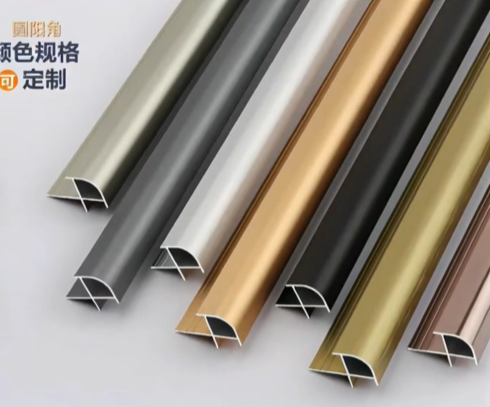
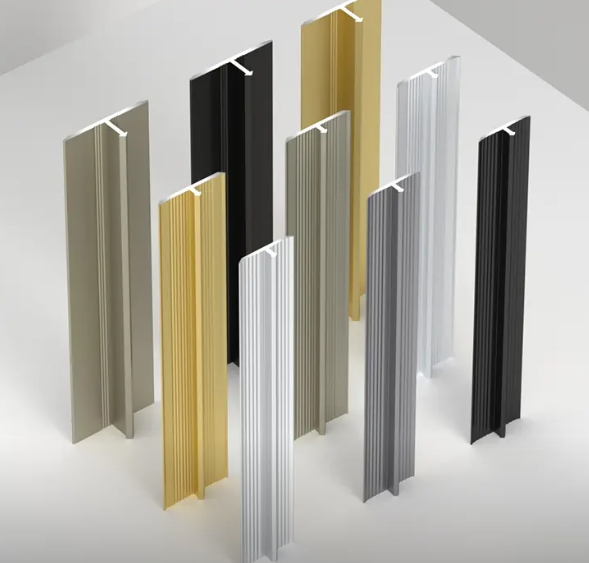
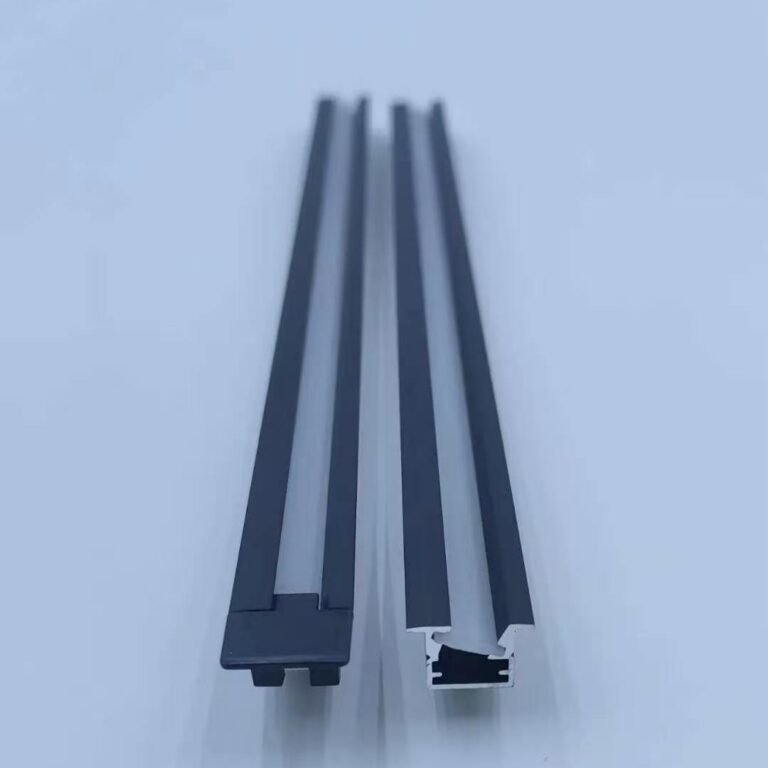
Vanway Precision Materials Tech Co.,Ltd


Aluminum Trim Edge vs. Stainless Steel Trim: B2B Material Guide
How to Choose: Aluminum Trim Edge vs. Stainless Steel Trim for B2B Projects?
Table of Contents
Aluminum Trim Edge vs. Stainless Steel Trim: B2B Material Guide
Choosing between aluminum and stainless steel trim may seem like a simple material decision. In practice, the wrong choice can lead to unnecessary weight, higher fabrication costs, difficult installation, or premature surface damage.
For procurement teams, the real question is not which metal looks better. It is which material delivers the right combination of edge protection, corrosion resistance, manufacturing flexibility, and total project cost.
An Aluminum Trim Edge is often a strong option for projects requiring lightweight construction, custom cross-sections, and consistent surface finishes. Stainless steel trim, on the other hand, is frequently considered for demanding environments where impact resistance, frequent cleaning, and a particular metal appearance matter.
Both materials have their place in commercial interiors, architectural panels, industrial equipment, and OEM assemblies. The best choice depends on how the trim will be used, how it will be manufactured, and what the finished project must withstand.
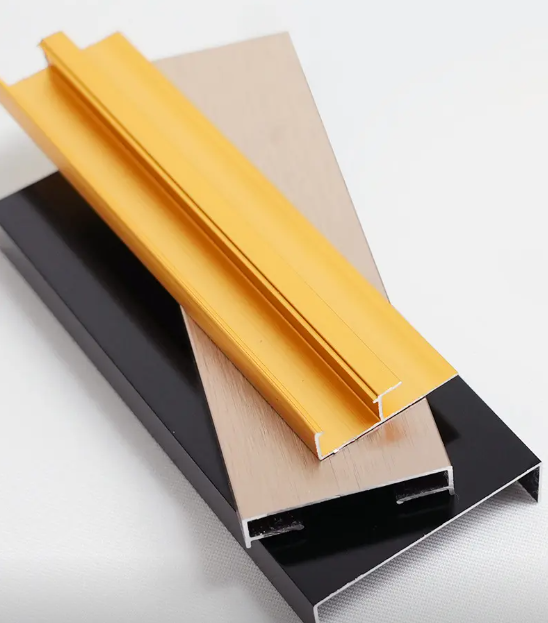
Decorative Aluminum Profiles丨Aluminum Extrusion Trims
This guide compares the two materials from a B2B purchasing and engineering perspective, with practical data, design considerations, and sourcing recommendations to help you make a more informed decision.
What Is an Aluminum Trim Edge, and How Does It Compare with Stainless Steel Trim?
An edge trim does more than cover an unfinished panel edge. It can protect corners, improve appearance, simplify assembly, and provide a mounting or joining feature.
The main difference between aluminum and stainless steel begins with how manufacturers turn the material into a finished profile.
Aluminum trim is commonly produced through extrusion, where heated aluminum is pushed through a die to create a consistent cross-section. This makes it practical to develop profiles with integrated grooves, channels, lips, and fastening features.
Stainless steel trim is often produced through sheet-metal forming, roll forming, stamping, or fabrication. These methods are well suited to thin, durable trim components and applications requiring a stainless steel surface.
Material Properties at a Glance
| Property | Aluminum Trims Edge | Stainless Steel Trim |
|---|---|---|
| Common materials | 6063-T5/T6, 6061-T6 | 304, 316 |
| Typical density | Approx. 2.70 g/cm³ | Approx. 7.9–8.0 g/cm³ |
| Relative weight at equal volume | 1.0 | Approx. 2.9 |
| Common manufacturing process | Extrusion | Sheet forming, roll forming, stamping |
| Typical finishes | Anodizing, powder coating, mill finish | Brushed, polished, passivated, PVD |
| Profile design flexibility | High for custom cross-sections | Depends on forming and fabrication method |
| Key purchasing consideration | Alloy, profile geometry, finish | Grade, thickness, finish, fabrication |
Density values are representative and vary slightly by alloy and grade. Aluminum alloys typically have a density around 2.7 g/cm³, while stainless steels are generally close to 8.0 g/cm³. Canadian Conservation Institute – Metal Density
Bottom line: Aluminum is usually the more attractive starting point when low weight and custom profile geometry are important. Stainless steel deserves consideration when the application places greater emphasis on heavy-use edges, cleaning conditions, or a stainless finish.
Aluminum Trim Edge vs. Stainless Steel: Which Material Works Better for Different Applications?
A material that performs well in an office partition may not be the right choice for a commercial kitchen or an outdoor panel exposed to salt spray.
Instead of selecting a trim based on a general material ranking, buyers should start with the actual installation environment.
Application Selection Matrix
| Application | Aluminum Trim Edge | Stainless Steel Trim | Main Selection Factor |
|---|---|---|---|
| Office partitions | Often suitable | Suitable | Weight and appearance |
| Retail display fixtures | Often suitable | Suitable | Custom geometry and finish |
| Interior wall panels | Often suitable | Suitable | Edge coverage and installation |
| Commercial kitchens | Requires exposure review | Often preferred | Cleaning and chemical exposure |
| Hospital and sanitary areas | Application-dependent | Often preferred | Cleaning and surface condition |
| Exterior architectural panels | Suitable with proper alloy and finish | Suitable with proper grade | Weather and corrosion exposure |
| Industrial machine panels | Suitable | Suitable | Impact, weight, and fabrication |
| Heavy-traffic flooring edges | Suitable for selected applications | Often considered | Abrasion and impact |
| Coastal installations | Requires careful alloy and finish selection | Grade 316 may be evaluated | Chloride exposure |
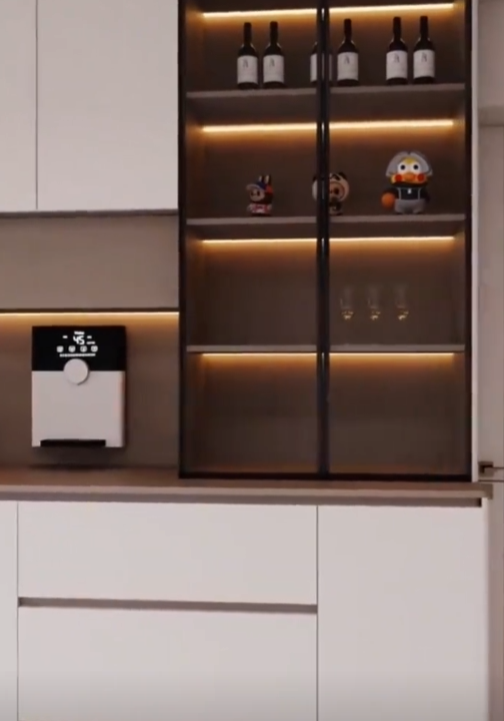
Aluminium Trim Edge Used for Decorative Aluminum Profiles
Where Aluminum Often Makes More Sense
Aluminum is a practical choice for large installations where every meter of trim adds weight.
It is also useful when the project requires a custom cross-section rather than a simple bent strip. An extrusion can combine an exposed edge, mounting channel, screw groove, and decorative surface into one component.
For example, a modular partition manufacturer may use an aluminum profile that both covers the panel edge and provides a connection point for adjacent panels. This can reduce the number of separate components needed during assembly.
Where Stainless Steel May Be the Better Choice
Stainless steel is often selected for areas exposed to frequent cleaning, repeated contact, or demanding surface-maintenance requirements.
Commercial kitchens, food-service equipment, and heavy-use flooring transitions are common examples. However, the correct grade and surface finish still need to match the cleaning chemicals and exposure conditions.
The practical conclusion: Choose based on the application, not the material name alone. Neither aluminum nor stainless steel is automatically the better option for every environment.
How Aluminum Edge Moulding and Stainless Steel Trim Differ in Manufacturing?
The manufacturing process affects more than the appearance of a finished trim. It influences tooling costs, dimensional control, design flexibility, production volume, and how easily the part can be assembled.
For buyers considering aluminum edge moulding, extrusion offers a useful advantage: the cross-section can be designed around the final function of the component.
Manufacturing Process Comparison
| Factor | Aluminum Edge Moulding | Stainless Steel Trim |
|---|---|---|
| Primary process | Aluminum extrusion | Sheet forming or roll forming |
| Custom cross-section | High flexibility | Depends on forming geometry |
| Integrated channels | Often practical | May require additional forming |
| Tooling | Extrusion die for custom profiles | Forming or roll-form tooling as required |
| Secondary processing | Cutting, CNC, drilling, punching | Cutting, punching, bending, welding |
| Typical design advantage | Multiple functions in one profile | Durable formed sheet components |
| Production strategy | Repeat orders with stable profile design | Depends on tooling and forming complexity |
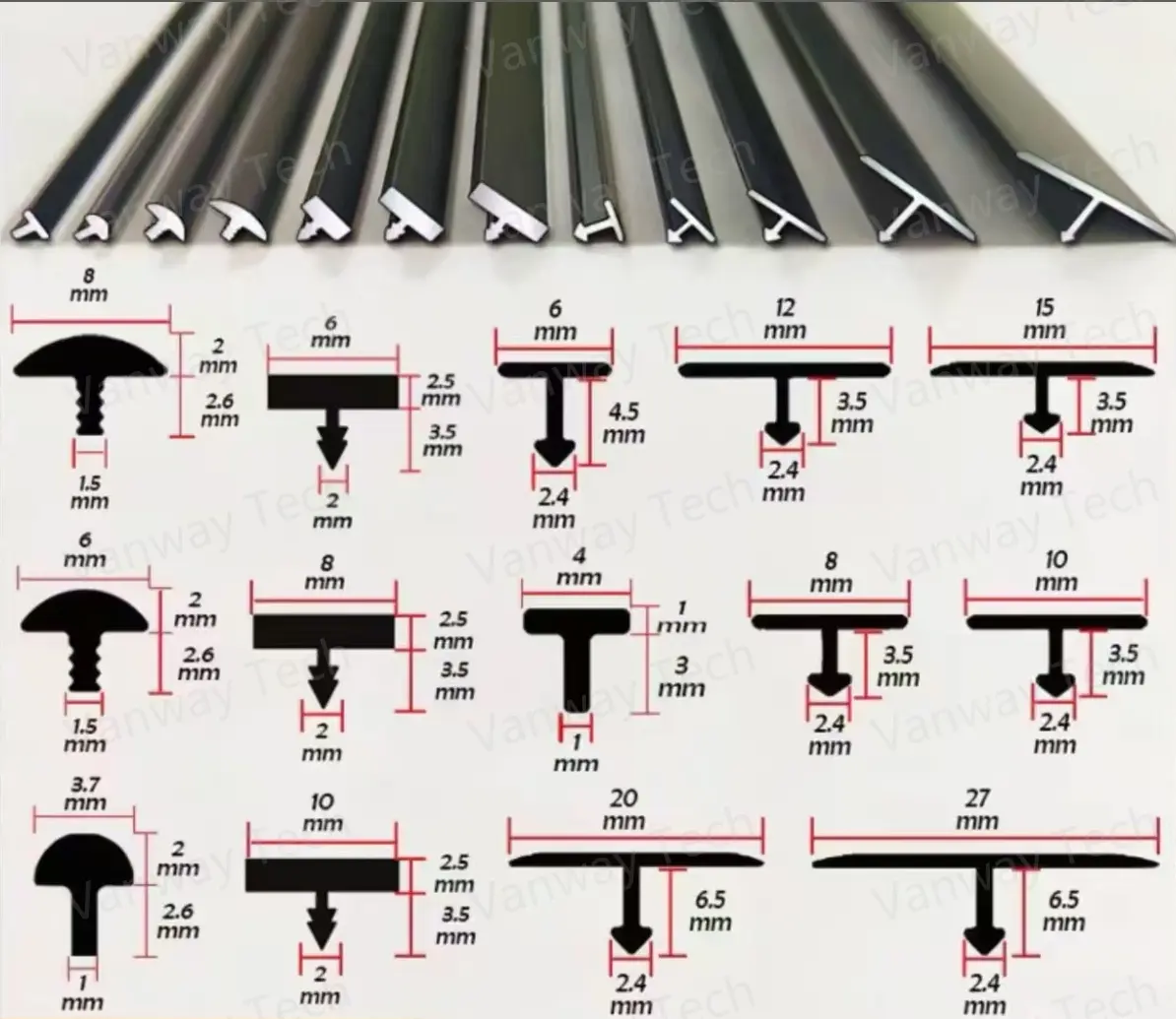
Decorative Aluminum Divider Reveal Trims – Vanway Tech
What Extrusion Makes Possible
A custom aluminum profile can incorporate several features into one cross-section:
- Panel-retaining channels
- Screw or fastener grooves
- Decorative lips
- Internal reinforcement ribs
- Mounting slots
- Cable or accessory channels
These features can reduce the need for separate brackets or joining parts.
The Aluminum Extruders Council provides design resources covering extrusion geometry, alloys, tolerances, tooling, and secondary fabrication. Its guidance emphasizes reviewing the profile design and manufacturing process together rather than treating them as separate decisions.
Aluminum Extruders Council – Design Resources
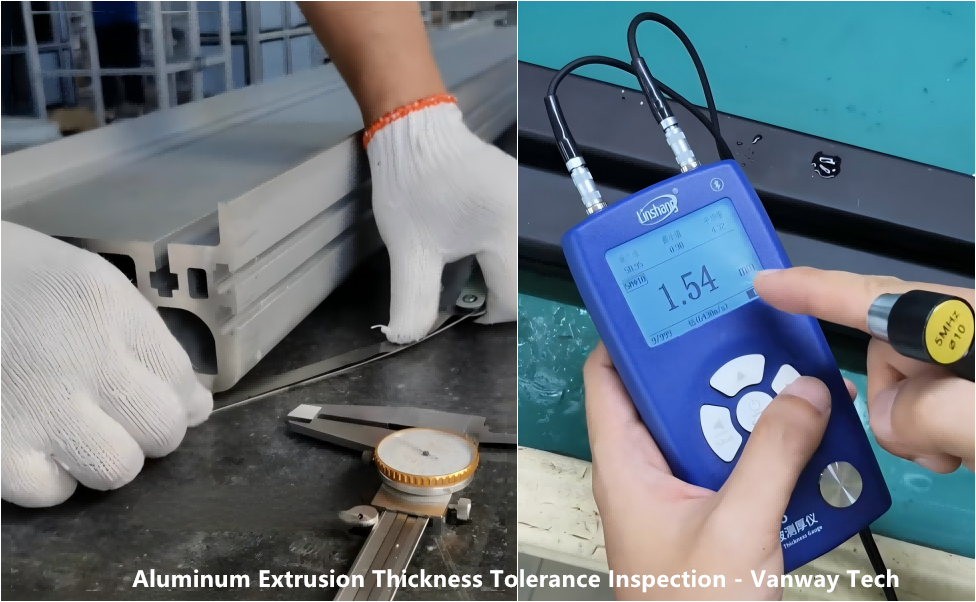
How to Remotely Evaluate Custom Aluminum Extrusion Supplier: Mold Tolerance & MOQ
What Buyers Should Check Before Approving a Custom Profile
Not every feature should be built into the extrusion.
Very tight tolerances, cross-holes, precision slots, and certain end details may be more practical to machine after extrusion. Buyers should ask the manufacturer to identify which dimensions can be controlled during extrusion and which require secondary machining.
A useful design review should cover:
- Profile wall thickness and balance
- Die feasibility
- Critical dimensions
- Machining requirements
- Surface finish
- Expected production quantity
Manufacturing takeaway: Custom extrusion is especially attractive when a project needs a repeatable profile with several integrated functions. Stainless steel forming remains a strong option for simpler trim geometries and applications where sheet-based fabrication fits the design.
Aluminum Cap Trim vs. Stainless Steel Cap Trim: Which Provides Better Edge Protection?
Cap trim is commonly used to cover the exposed edge of a panel, board, countertop, partition, or architectural component.
The material matters, but the cross-section often matters just as much.
A poorly fitted trim can loosen, leave part of the panel exposed, or become difficult to install. A well-designed profile can provide a clean finish while protecting the edge from everyday contact.
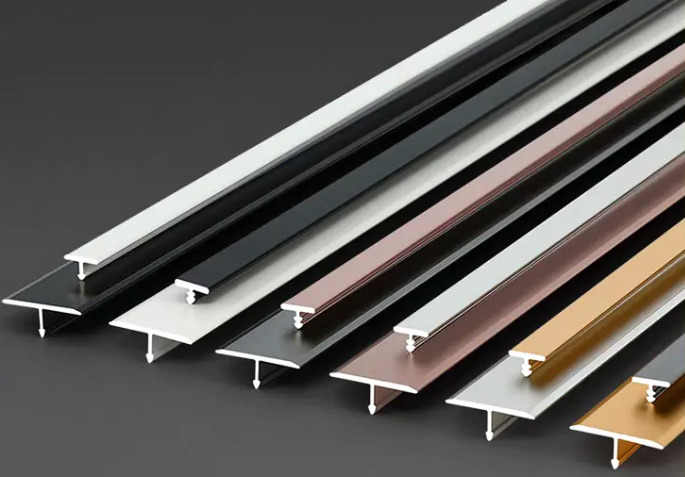
Custom Decorative Aluminum Profiles & Extrusion Trims: Ultimate B2B Sourcing Guide
Common Cap and Edge Trim Profiles
| Profile Type | Typical Function | Design Consideration |
|---|---|---|
| U-channel | Covers an exposed panel edge | Internal width and leg depth |
| J-channel | Covers one edge with an extended lip | Panel retention and appearance |
| L-angle | Protects or finishes a corner | Leg length and fastening |
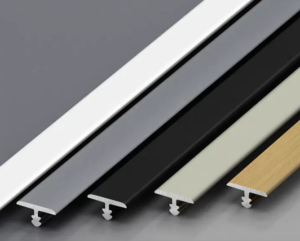
| T-profile | Covers or joins panel gaps | Slot width and alignment |
| Cap profile | Covers the end or perimeter of a panel | Fit, retention, and edge coverage |
Starting Design Parameters for Cap Trim
| Parameter | Preliminary Design Reference | What Must Be Verified |
|---|---|---|
| Panel thickness | Based on actual panel specification | Coating and laminate buildup |
| Trim wall thickness | 1.0–2.0 mm for initial evaluation | Impact, stiffness, and profile size |
| Edge coverage | Cover the exposed edge fully | Panel tolerance and installation |
| Fit clearance | Set according to panel and trim tolerances | Press fit, sliding fit, or adhesive |
| Corner treatment | Mitred, formed, welded, or connector-based | Appearance and assembly method |
| Retention | Mechanical fixing, adhesive, or interference fit | Vibration and service conditions |
These values are preliminary design references, not universal specifications. Final dimensions should be confirmed through engineering review and sample testing.
A Common Fit Problem You Can Avoid
A panel specified as 10 mm thick may not remain exactly 10 mm after lamination, painting, or protective coating.
If the trim is designed around the nominal thickness alone, installation may become too tight. Excessive clearance creates the opposite problem: the trim may move or appear uneven.
For this reason, a physical fit test should use the actual production panel, including its final surface treatment.
Recommendation: For edge protection, compare the complete profile geometry, retention method, and installation conditions—not just the material thickness.
Aluminum Trims Edge vs. Stainless Steel: Corrosion Resistance and Surface Finish
Both materials can perform well in many environments, but their corrosion behavior and finishing requirements are different.
Aluminum naturally forms a thin oxide layer that helps protect the underlying metal. Anodizing enhances this surface layer through an electrochemical process, while powder coating adds a separate protective and decorative coating.
Stainless steel relies on a chromium-rich passive film. Its corrosion resistance depends on the grade, surface condition, and environment.
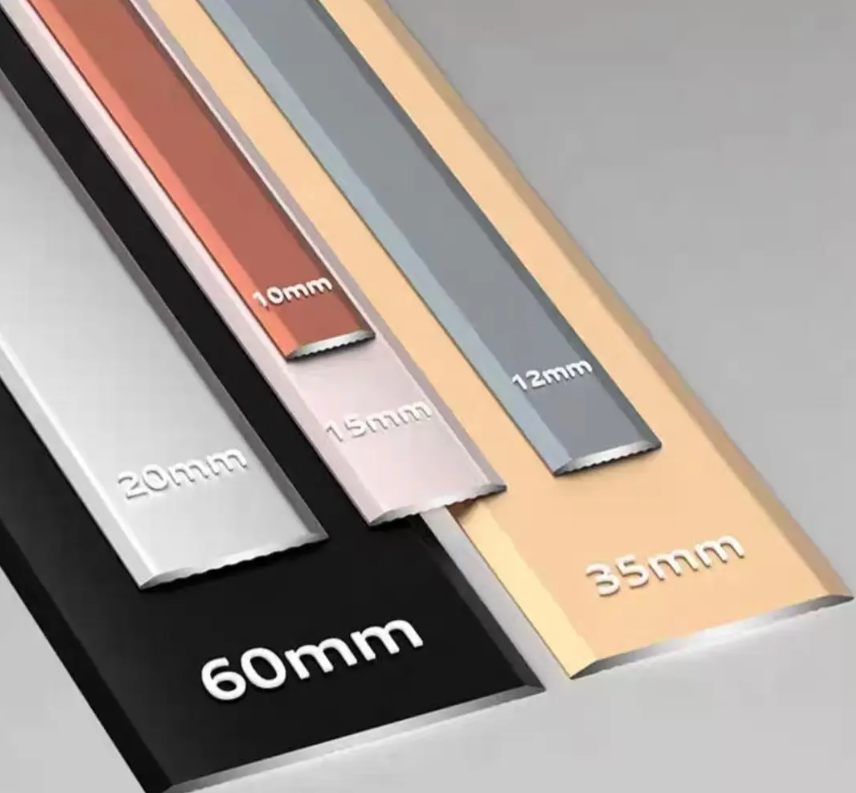
How to Select Architectural Aluminum Divider Reveal Trim: Specs & Finish Guide
Finish Options for Different Applications
| Finish | Aluminum | Stainless Steel |
|---|---|---|
| Natural / mill finish | Common for concealed or industrial use | Not directly equivalent |
| Anodizing | Common architectural finish | Not applicable |
| Powder coating | Wide color selection | Possible with suitable preparation |
| Brushed finish | Available through mechanical finishing | Common decorative finish |
| Polished finish | Available | Common decorative finish |
| Passivation | Not the same process as anodizing | Used to support passive surface condition |
| PVD coating | Available through specialized processes | Common decorative option |
Anodizing forms an oxide layer integrated with the aluminum surface. Its appearance and performance depend on the alloy, process, coating specification, and sealing conditions.
Choosing Stainless Steel Grade
| Grade | General Characteristics | Typical Consideration |
|---|---|---|
| 304 | Widely used general-purpose stainless steel | Interior and many moderate environments |
| 316 | Contains molybdenum for improved resistance to chloride-related corrosion | Coastal or more aggressive environments |
Grade 316 is not immune to corrosion. Surface contamination, crevices, chemical concentration, temperature, and maintenance can still affect performance.

Mill Finish Aluminum vs Clear Anodized Aluminum: How to Choose the Right Finish
What About Coastal and Outdoor Projects?
For coastal installations, buyers should consider:
- Distance from the shoreline
- Direct salt exposure
- Water drainage and retention
- Alloy or stainless grade
- Surface finish and coating
- Contact with other metals
- Maintenance access
Aluminum trim can be suitable for exterior projects when the alloy and finish are properly selected. Stainless steel may also be suitable, but grade selection is important.
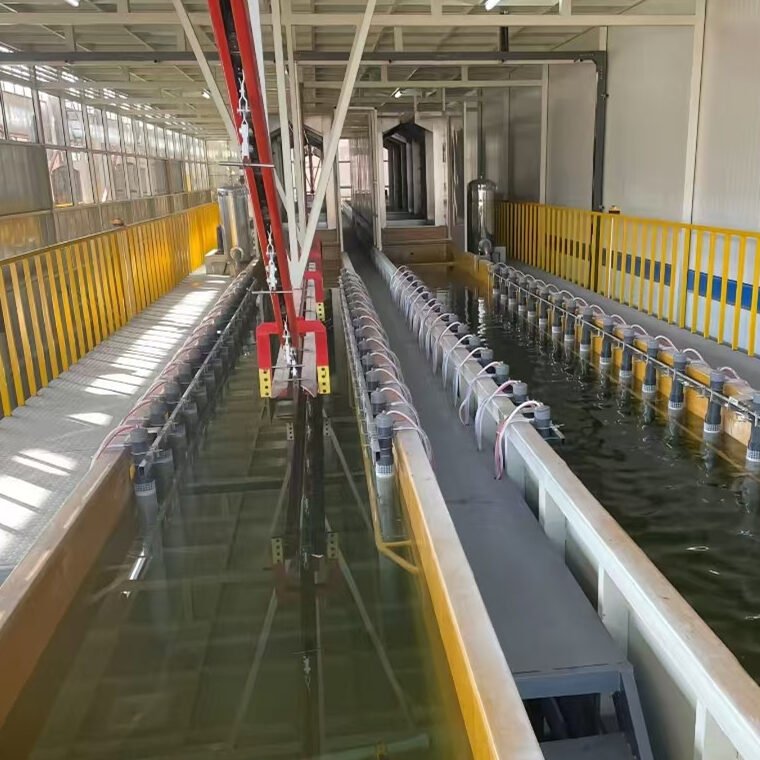
Anodized,PVDF or Powder Coating: Which Aluminum Finish Lasts Longest Near the Sea?
Conclusion: There is no universal winner for corrosion resistance. Specify the actual environment and finish requirements before selecting the material.
Aluminum Trim Edge vs. Stainless Steel: Weight, Strength, and Installation Cost
Weight is one of the clearest differences between the two materials.
For large projects, the difference can affect transportation, handling, installation, and the total load added to a panel or assembly.
However, lower density does not automatically mean lower strength. Profile geometry, material thickness, alloy, and temper all influence performance.
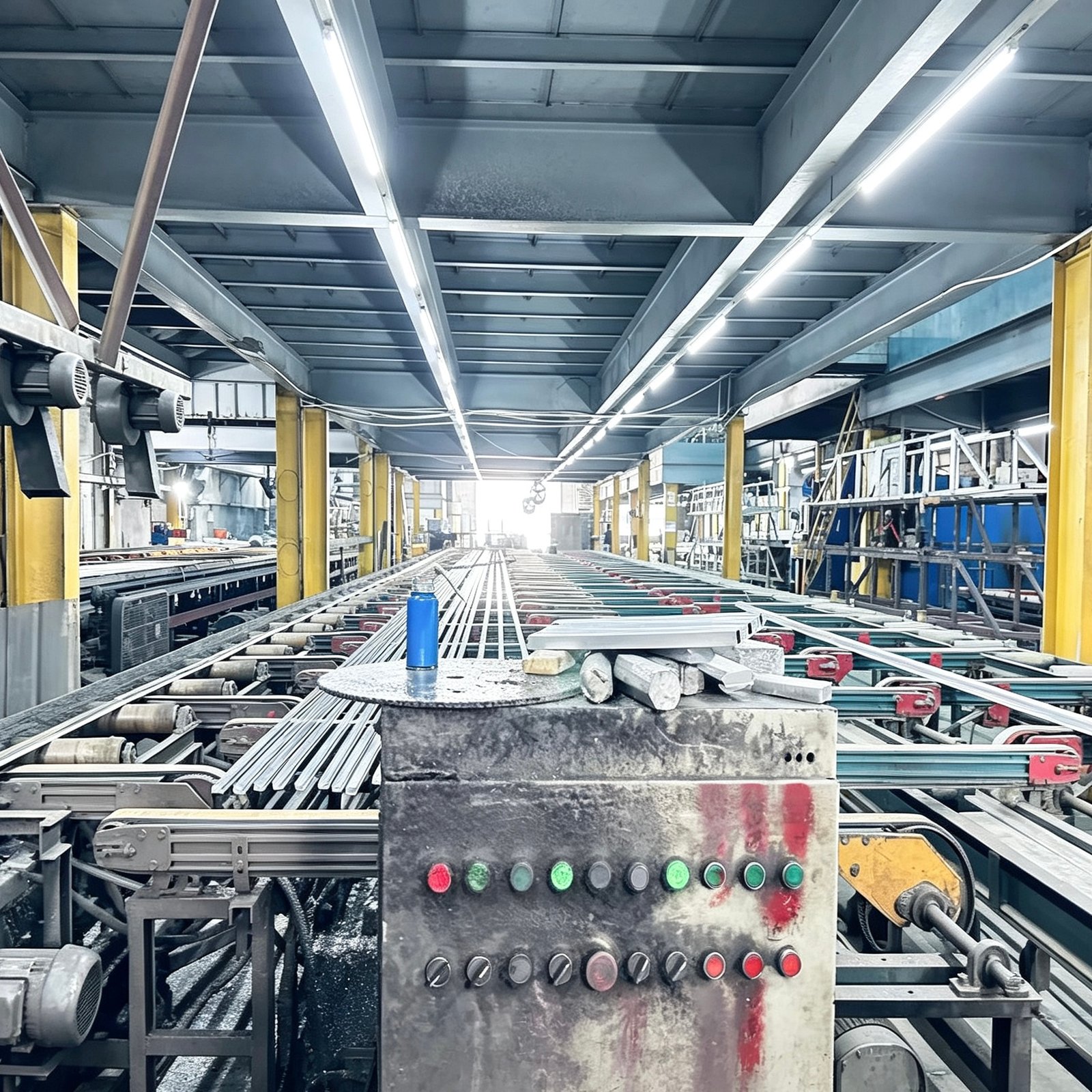
How to Calculate Aluminum Profile Cost: Estimate Aluminum Extrusion Price
Weight Comparison Using the Same Cross-Section
Consider a trim profile with a metal cross-sectional area of 100 mm² and a length of 1 meter.
The volume is:
Volume = Cross-Sectional Area × Length
Volume = 100 mm² × 1,000 mm = 100,000 mm³ = 100 cm³
| Material | Assumed Density | Approximate Weight per Meter |
|---|---|---|
| Aluminum | 2.70 g/cm³ | 0.27 kg |
| Stainless steel | 7.9 g/cm³ | 0.79 kg |
| Difference | — | 0.52 kg |
For this equal-volume example, stainless steel is approximately 2.9 times heavier than aluminum.
Actual trim profiles may use different cross-sectional areas or wall thicknesses. A drawing-based weight calculation is therefore more useful than comparing material density alone.
Does Stainless Steel Always Provide Better Impact Resistance?
Not necessarily.
Stainless steel often performs well in heavy-use applications, but impact resistance depends on the grade, thickness, profile shape, support conditions, and type of impact.
An aluminum profile with a well-designed rib or reinforced corner may perform better than a thin stainless steel strip in a particular application.
For procurement, the useful question is:
What load or impact must the trim withstand, and how will it be supported?
Installation and Handling Considerations
Aluminum may reduce handling effort when long trim sections are used across large installations. It can also be easier to cut and machine in many profile designs.
Stainless steel may require different cutting, forming, and finishing methods. Depending on the application, it may also offer better resistance to repeated surface contact.
Practical conclusion: Compare actual profile weight, stiffness, impact requirements, and installation method. Material density is a useful starting point, not a complete engineering decision.
Aluminum Trim Edge vs. Stainless Steel: How to Compare Total Project Cost
B2B Trim Component Evaluation
A low unit price can be misleading if the trim requires extra machining, more installation labor, or expensive packaging. For B2B buyers, the better comparison is the total cost of delivering an approved component to the project.
Main Cost Components
| Cost Factor | Aluminum Trim | Stainless Steel Trim |
|---|---|---|
| Raw material | Lower weight per meter | Higher weight per meter |
| Tooling | Extrusion die for custom profiles | Forming or roll tooling if required |
| Processing | Cutting, CNC, drilling | Cutting, bending, punching, welding |
| Finishing | Anodizing, powder coating | Brushing, polishing, passivation, PVDF |
| Packaging | Depends on finish and profile length | Depends on finish and profile length |
| Freight | Lower weight may help | Higher weight may increase shipping cost |
| Installation | Depends on design and fastening | Depends on design and fastening |
| Maintenance | Depends on exposure and finish | Depends on grade and environment |
Total Project Cost Formula
Total Project Cost = Tooling + Material + Processing + Finishing + Packaging + Freight + Installation + Expected Maintenance
For custom aluminum extrusion, tooling is often a one-time development cost that can be spread across repeat orders.
For stainless steel, the tooling structure depends on whether the part uses standard sheet forming, dedicated forming tools, or more complex roll-forming equipment.
Illustrative Cost Example
Assume a custom aluminum trim project has the following parameters:
| Cost Item | Illustrative Cost |
|---|---|
| Custom extrusion die | $1,200 |
| Finished trim unit cost | $9.00 |
| Initial order quantity | 500 pieces |
| Total project cost before other charges | $5,700 |
| Average cost per piece including tooling | $11.40 |
Calculation Breakdown:
$1,200 + ($9.00 × 500) = $5,700
Average cost per piece: $5,700 ÷ 500 = $11.40
This is an illustrative calculation, not a supplier quotation. Actual tooling and unit prices depend on profile complexity, alloy, dimensions, finish, processing, quantity, and supplier capability.
Procurement Advice: Request quotations using the same drawing, material specification, finish, tolerances, quantity, and packaging requirements. Otherwise, the comparison may not be meaningful.
How to Specify Aluminum Trim Edge and Stainless Steel Trim for B2B Procurement ?
A good RFQ removes uncertainty before production begins.
The more clearly the buyer defines the profile, material, finish, and inspection requirements, the easier it becomes to compare suppliers and avoid costly revisions.
RFQ Specification Checklist
| RFQ Requirement | Information to Include |
|---|---|
| Material | Aluminum alloy and temper, or stainless steel grade |
| Profile drawing | 2D cross-section and 3D CAD where available |
| Dimensions | Width, height, wall thickness, length |
| Tolerances | Critical dimensions and fit requirements |
| Finish | Anodizing, powder coating, brushed, polished, etc. |
| Application | Interior, exterior, wet area, industrial |
| Quantity | Prototype, initial order, annual forecast |
| Secondary processing | Holes, slots, CNC, punching, welding |
| Inspection | Material verification, dimensions, appearance |
| Packaging | Protective film, separators, bundles, or individual packing |
Which Tolerances Should Buyers Specify?
Not every dimension needs the same tolerance.
For example, a trim’s overall cut length may have a different tolerance requirement from a slot used for a precision fastener.
Buyers should identify:
- Panel-fit dimensions
- Fastener locations
- Visible alignment surfaces
- Critical mating features
- Non-critical decorative dimensions
The supplier should review whether the requested tolerances can be achieved through extrusion or forming alone, or whether additional machining is necessary.
Sample Approval Before Mass Production
For a custom profile, a first sample can reveal issues that a drawing may not show clearly.
A useful sample review should include:
- Cross-section and dimensional inspection
- Fit test using the actual panel
- Finish and color approval
- Corner and joint evaluation
- Installation trial
- Packaging and handling review
Conclusion: A complete RFQ and sample approval process help buyers control both product quality and project cost.
How to Choose an Aluminum Trim Edge Manufacturer for Custom B2B Projects?
A supplier’s ability to produce a profile is only one part of the evaluation.
For repeat orders, you also need consistent dimensions, stable finishes, reliable packaging, and clear communication when a drawing requires adjustment.
Supplier Evaluation Checklist of Aluminium Trim Edge
| Evaluation Area | What Buyers Should Verify |
|---|---|
| Material control | Alloy or grade certificates and traceability |
| Design support | Profile review and manufacturability feedback |
| Tooling | Ownership, maintenance, and reuse terms |
| Dimensional inspection | Measuring equipment and inspection records |
| Surface finish | Approved samples and appearance standards |
| Production consistency | First-article and batch inspection |
| Order flexibility | Prototype, MOQ, and repeat-order options |
| Packaging | Protection against scratches, dents, and deformation |
| Communication | Clear handling of drawing changes and technical questions |
Questions Worth Asking Before Placing an Order for Aluminum Trim Edge
- Can the supplier recommend changes to improve profile manufacturability?
- Which dimensions will require secondary machining?
- How will the material and production batch be identified?
- Can the supplier provide a sample before mass production?
- How are finish color and appearance approved?
- What happens if the first sample does not meet the drawing?
- Are tooling ownership and maintenance terms documented?

A Note for Custom Aluminum Profile Projects
For buyers sourcing a custom aluminum trim, the manufacturer should review the cross-section, alloy, finish, machining requirements, and order volume before recommending a production route.
Vanway Tech can be introduced here as a custom aluminum extrusion supplier, supported by verified factory photos, actual profile samples, inspection records, and documented manufacturing capabilities.
Avoid relying only on general claims such as “high quality” or “competitive price.” A real drawing review, sample inspection, and clear process explanation provide stronger evidence of manufacturing experience.
Supplier selection conclusion: Choose a manufacturer that can explain how the part will be made, inspected, finished, and repeated—not simply one that offers the lowest initial quotation.
Frequently Asked Questions About Aluminum Trim Edge vs. Stainless Steel Trim – FAQs
Q1. Is aluminum trim edge better than stainless steel trim?
A: Aluminum is often preferred when low weight, custom profile geometry, and a range of finishes are important. Stainless steel may be more suitable for heavy-use edges or applications requiring a particular stainless surface. The right choice depends on the environment and design.
Q2. Is aluminum edge moulding suitable for outdoor use?
A: Yes, provided the alloy and finish are appropriate for the exposure. Coastal environments, chemical exposure, and water-retaining details require additional corrosion assessment.
Q3. Which is more cost-effective: aluminum trims edge or stainless steel trim?
A: There is no universal answer. It depends on profile complexity and production volume. Aluminum extrusion can be cost-effective when a custom cross-section integrates several functions and reduces assembly or machining. Stainless steel may be more economical for simple formed profiles that do not require dedicated extrusion tooling. You should compare tooling, unit price, finishing, freight, and installation costs together.
Q4. Can aluminum cap trim be customized for different panel thicknesses?
A: Yes. Custom profiles can be designed around panel thickness, edge coverage, fastening, and installation requirements. A physical fit test is recommended before production.
Q5. Can aluminum trim edge and stainless steel trim be used together?
A: Yes. Buyers should consider appearance, fastening, thermal expansion, and galvanic corrosion when dissimilar metals contact each other in wet or outdoor environments. Suitable isolation materials may be needed.
Q6. What information should I provide when requesting a custom aluminum trim edge quotation?
A: To receive an accurate quote, provide:
1)2D drawings or 3D CAD files
2)Aluminum alloy or stainless steel grade
3)Profile dimensions and critical tolerances
4)Surface finish and color requirements
5)Application and installation conditions
6)Initial order quantity and annual demand
7)Packaging and delivery requirements1
Complete specifications help suppliers evaluate tooling, processing, material costs, and lead time.
Q7. Which surface finish should I choose for aluminum trims edge used outdoors?
A: Anodizing and powder coating are common options, but the best finish depends on UV exposure, moisture, pollution, and coastal conditions. For marine or high-chloride environments, the alloy and finish should be reviewed carefully. Request finish specifications and relevant test documentation rather than relying on general corrosion-resistance claims.
Q8. What should I check before approving a custom aluminum trim edge supplier?
A: Before placing a production order, verify the supplier’s extrusion or fabrication capabilities, material traceability, tooling terms, dimensional inspection process, finishing options, sample approval procedure, and packaging standards. Ask for actual profile samples or production photos and confirm how drawing changes and quality issues will be handled.
B2B purchasing tip: A reliable supplier should be able to explain not only what the aluminum trim edge will cost, but also how it will be manufactured, inspected, finished, and reproduced consistently in future orders.
Conclusion: Which Trim Material Should B2B Buyers Choose?
For most projects, the decision becomes clearer when buyers start with the application rather than the material price.
Choose aluminum trim when:
- Low weight is important.
- A custom cross-section can simplify assembly.
- Anodized or powder-coated finishes meet the appearance requirements.
- Long profile lengths or integrated mounting features are needed.
Choose stainless steel trim when:
- The application requires a stainless steel surface.
- Heavy-use edges or frequent cleaning are important.
- The selected grade and finish suit the operating environment.
- Sheet forming or fabrication is the most practical manufacturing route.
Neither material is automatically the best choice for every project. The most reliable approach is to compare both options using the same drawing, performance requirements, finish, order quantity, and installation conditions.
For custom aluminum trim profiles, an early design and manufacturability review can help identify unnecessary complexity, reduce secondary processing, and improve repeat-order consistency.
Vanway-Tech丨 Premium Quality Extrueded Aluminum Trim Edge Manufacturer and Exporter From China Since 2015

Planning a custom aluminum trim project? Send your 2D drawing or 3D CAD file, material preference, finish requirements, application details, and estimated order quantity to Vanway Tech for a profile and manufacturing review.
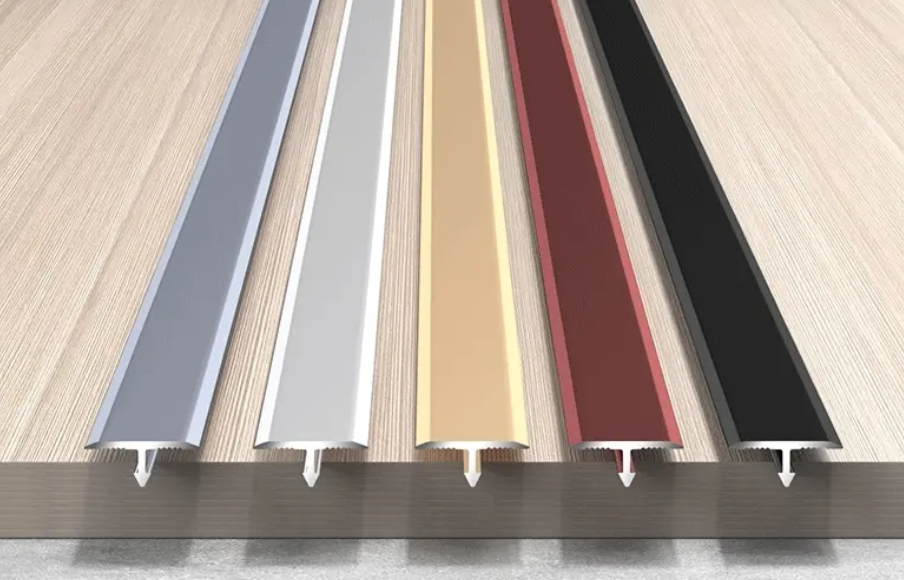
25mm Straight Shape Brushed Aluminum Edge Trim Profiles
CHOOSE THE BEFITTING ALUMINUM EXTRUSIONS
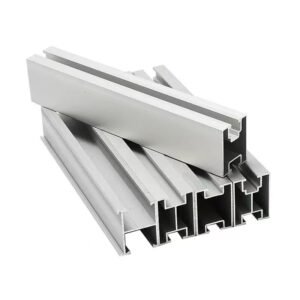
Custom Aluminum Extrusions
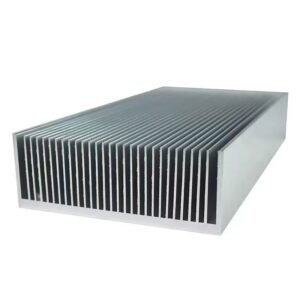
Aluminum Heat Sinks
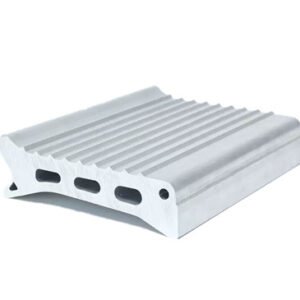
Industrial Aluminum Extrusions
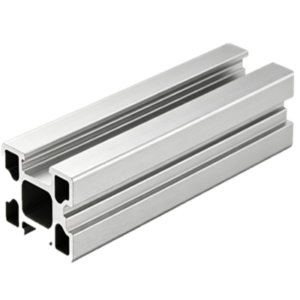
T-Slot Aluminum Extrusions
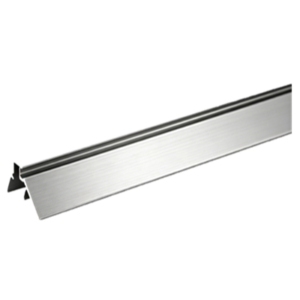
Decorative Aluminum Trim & Led Aluminum Channel Profiles
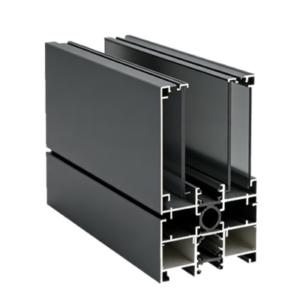
Window & Door Aluminum Profiles
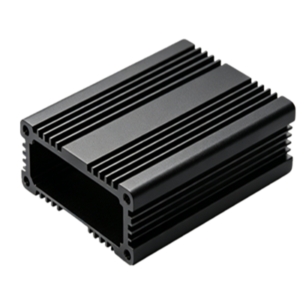
Aluminum Extrusion Enclosures
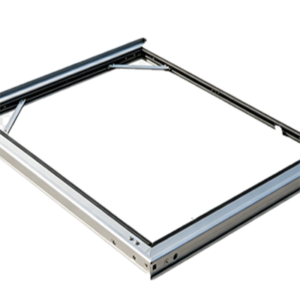
Structural Aluminum Extrusion Framing
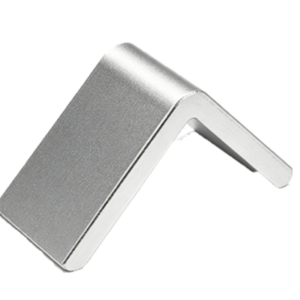
Aluminum Angle Extrusions
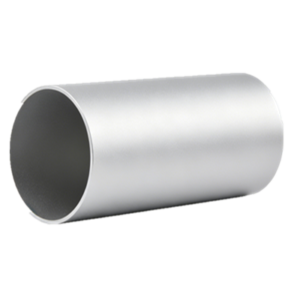
Extruded Aluminum Tubes
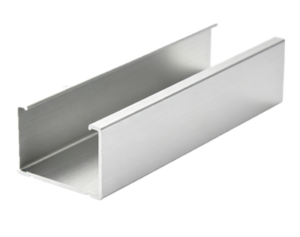
Aluminum U Channel Profiles
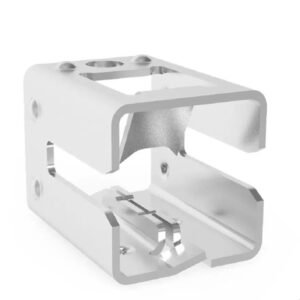
CNC Machined Aluminum Parts
Related Articles You May Interested In:
How to Calculate Aluminum Profile Cost: Estimate Aluminum Extrusion Price
Aluminum Extrusion Sourcing: How Mastering MOQ Unlocks 15%+ Procurement Savings
How to Identify Primary A00 vs Recycled Aluminum Extrusions in 3 Steps?
7 Costly Custom Aluminum Extrusion Sourcing Mistakes Suppliers Won’t Tell You
How to Choose a Reliable LED Aluminum Channel Profiles Manufacturer in 2026
How Long for Custom Aluminum Extrusion? Drawing to Sample


Contact With Vanway Tech Team for Premium Aluminium Extrusion Products!
Enquire with UsConnect with Vanway Tech Team for Premium Aluminium Extrusion Products.
Contact InfoWe are looking forward to hearing from you!
-
Email: info@vanway-tech.com
-
Address: No. 588, Wuyi South Road, CSJ Moldware Town, Wujin, Changzhou, Jiangsu, China
Scan Below Codes to Contact Us Immediately.