Vanway Precision Materials Tech Co.,Ltd


Mill Finish Aluminum vs Clear Anodized Aluminum: How to Choose the Right Finish
Mill Finish vs. Clear Anodized Aluminum: Complete B2B Buyer’s & Engineering Guide

Written by Chloe Xue
Manufacturing & CNC Machining Specialist | DFM & Aluminum Components Expert
Chloe specializes in custom aluminum component manufacturing, high-precision CNC machining, and DFM (Design for Manufacturability) optimization. She helps global B2B engineering teams refine technical drawings, reduce production costs, and accelerate lead times.
Connect on LinkedInReviewed by: Zhang , Chief Surface Treatment Engineer
Experience: 15+ years in aluminum anodizing and extrusion
Technical focus: Type II/Type III anodizing, pretreatment, sealing, coating-thickness control and aluminum surface quality
Review scope: Technical accuracy, process parameters, anodizing standards and performance data
Last reviewed: August 2026
Table of Contents
Basic Manufacturing Processes and Key Differences
When comparing mill finish aluminum vs clear anodized aluminum profiles, the difference is not simply about appearance. The two surfaces come from different manufacturing and surface-treatment processes, and this directly affects corrosion resistance, surface hardness, color stability, and service life.
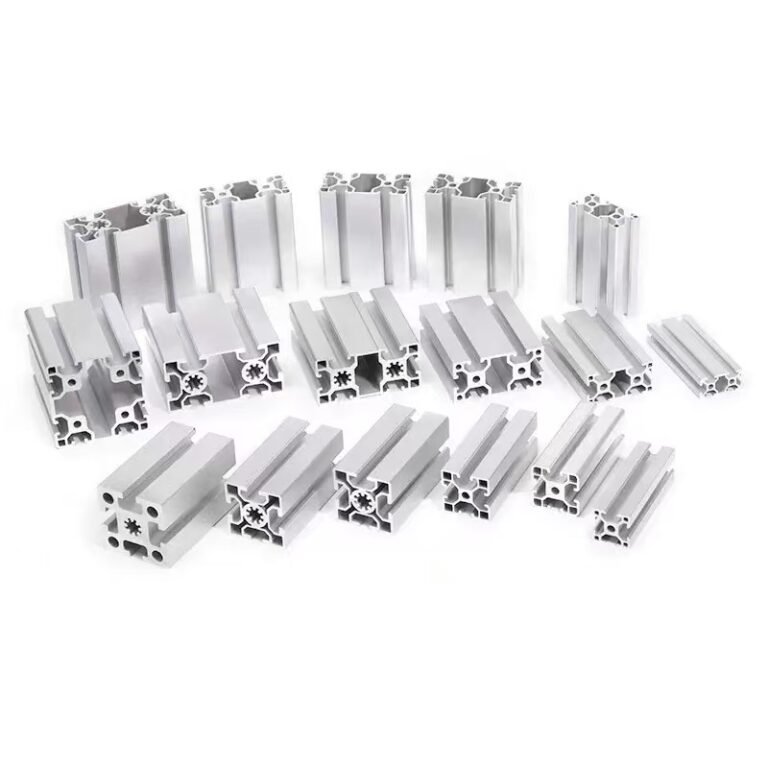
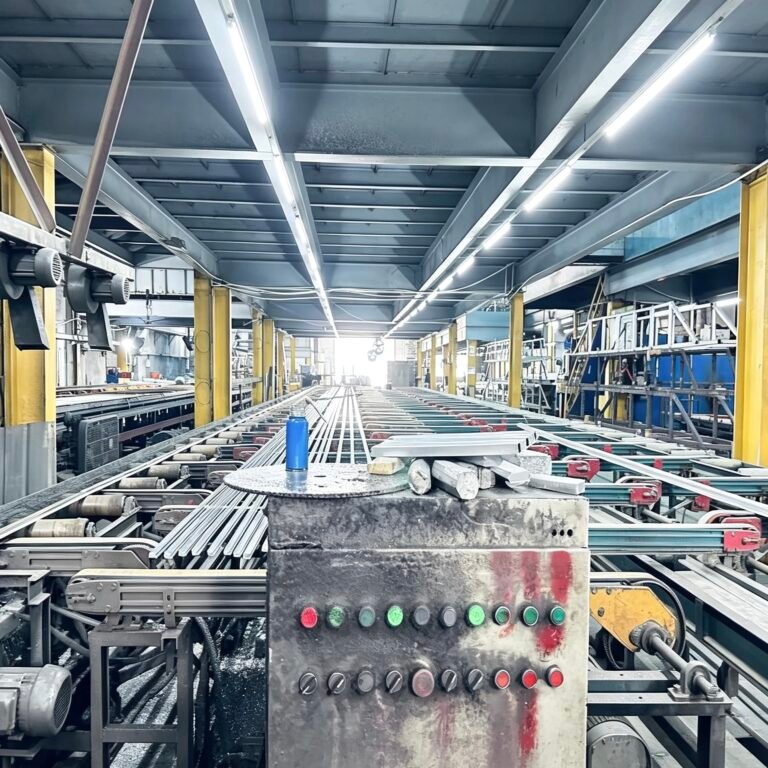
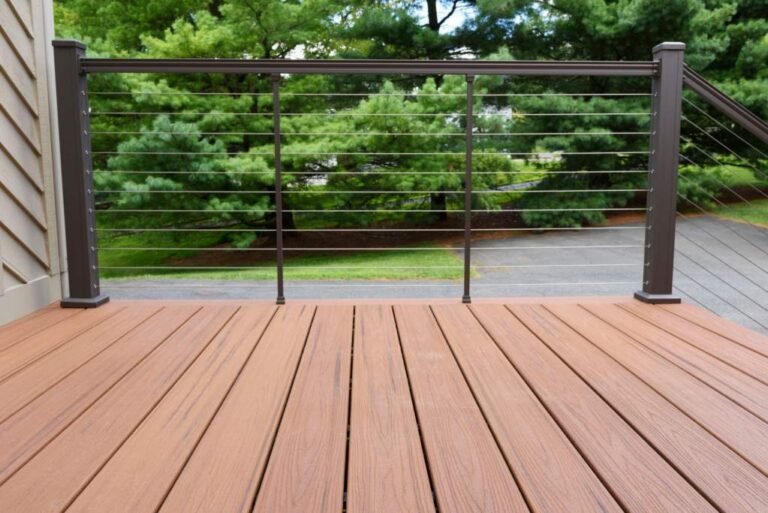
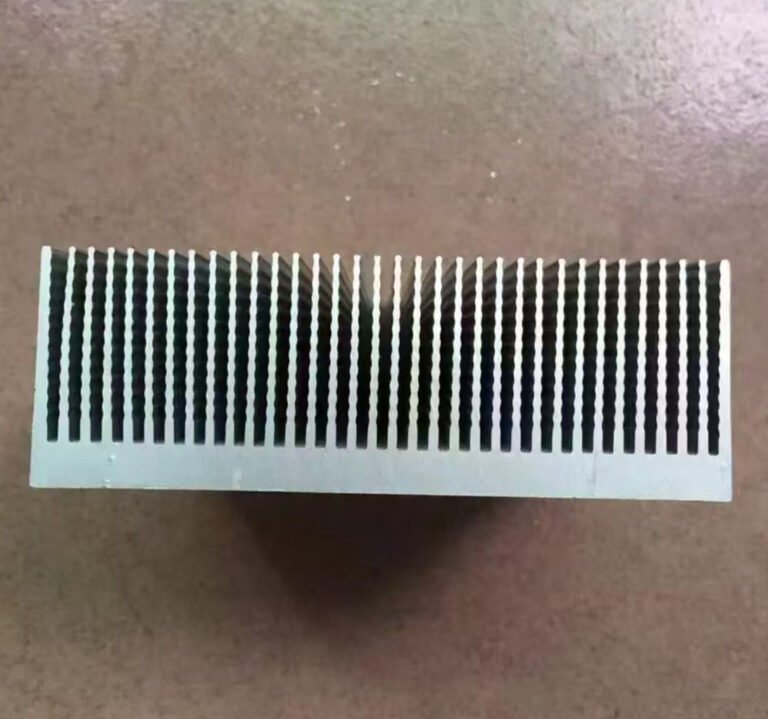
Vanway Tech 丨 The Professional and Trustable Factory of Anodizing Aluminum Extrusion Profiles from China


Below is a detailed engineering comparison to help you choose the ideal finish for your production needs.
Mill Finish Aluminum vs Clear Anodized Aluminum: Key Feature Comparisons
| Property | Mill Finish Aluminum | Clear Anodized Aluminum |
| Surface Hardness | 20 – 120 HV | 300 – 600 HV |
| Film Thickness | 2 – 3 nm (Natural oxide layer) | 5 – 25 µm (Controlled electrochemical growth) |
| Corrosion Resistance | Low (Prone to pitting outside pH 4–9) | Excellent (Withstands 1,000+ hours in ASTM B117 salt spray tests) |
| Electrical Conductivity | Highly conductive (Ideal for grounding / heat sinks) | Electrically insulating (Surface oxide barrier) |
| Compliance & Standards | ASTM B221 | QUALANOD, ISO 7599, MIL-A-8625 Type II |
Mill Finish Aluminum: The Raw Extrusion State
Mill finish aluminum is aluminum in its natural condition after extrusion, cutting, or rolling. The profile does not receive an artificial surface coating such as anodizing or powder coating.
During extrusion, a heated aluminum billet passes through a shaped die. The aluminum takes the shape of the die and becomes the required profile. This process gives us excellent control over dimensions, but the extrusion surface can still show marks created during production.
Typical surface features include:
- Die lines caused by friction between the aluminum and extrusion die
- Fine scratches from handling or cutting
- Small surface variations caused by extrusion speed and temperature
- Minor marks from cooling, stretching, and transportation
- Natural differences in surface brightness between production batches
These marks do not necessarily mean that the aluminum profile is defective. For many industrial applications, mill finish aluminum is completely suitable because the customer does not need a decorative surface.
The most important point is that mill finish aluminum already has a very thin natural oxide film. When fresh aluminum comes into contact with oxygen, it reacts quickly and forms aluminum oxide on the surface.
The natural oxide layer is extremely thin, typically around 0.005 μm (5 nm) under commonly cited conditions. It protects the aluminum to some extent, but it is much thinner and less controlled than an anodized layer.

Key Characteristics of Mill Finish Aluminum
- Surface Appearance: Features a light natural sheen, but it displays visible die lines, extrusion marks, and slight oxidation patterns from cooling.
- Corrosion Protection: Forms a microscopic natural oxide layer immediately upon air exposure. However, this natural film is non-uniform and thin, making it vulnerable in aggressive environments.
- Cost Efficiency: Because it skips additional processing steps, it provides the lowest initial material cost.
For example, Vanway Tech may supply a mill finish aluminum extrusion profile for an internal machine frame where the profile will not be exposed to strong moisture or demanding outdoor conditions. In this situation, additional surface treatment may add cost without providing much practical value.
However, the situation changes when the same profile is used for a visible architectural trim, solar mounting component, or outdoor structure.
Why Anodizing Changes the Aluminum Surface
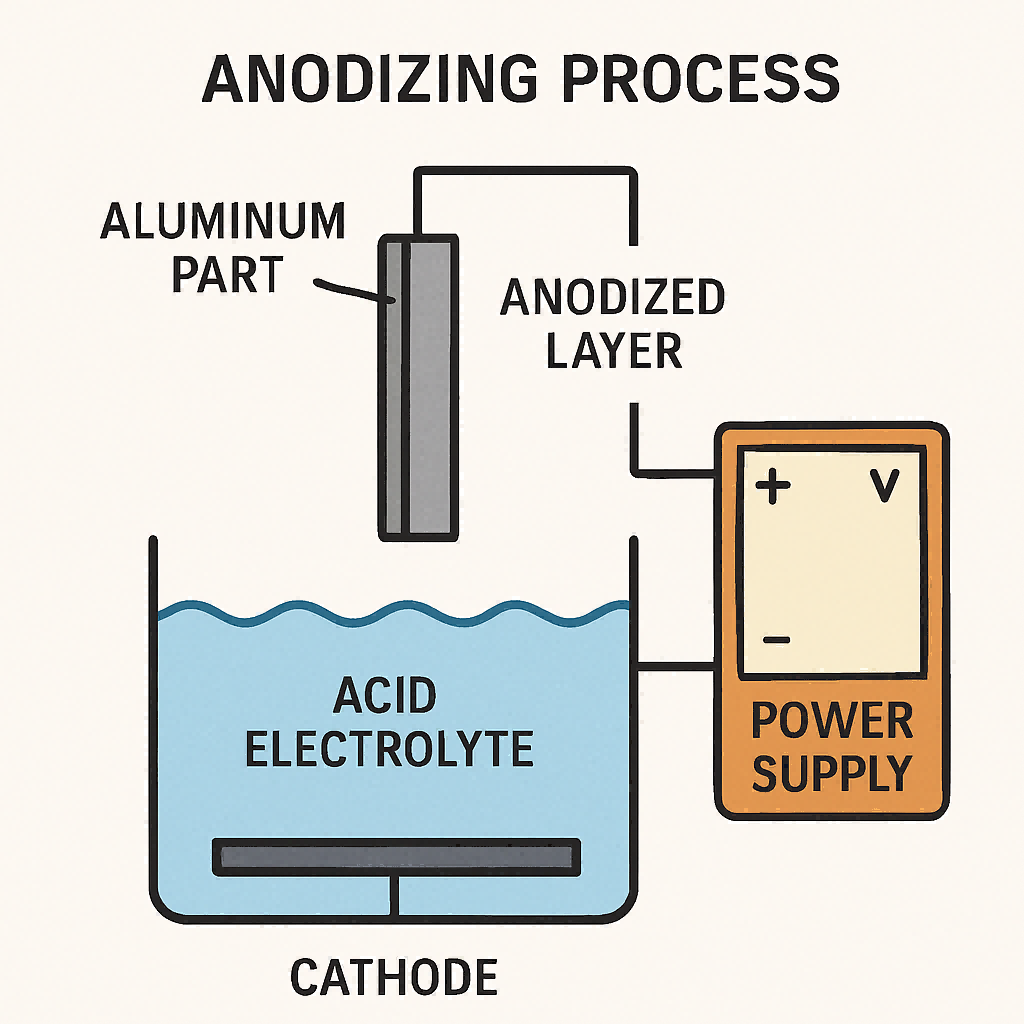
Anodizing is an electrochemical surface treatment. Unlike paint or a conventional coating, it does not simply place another material on top of the aluminum.
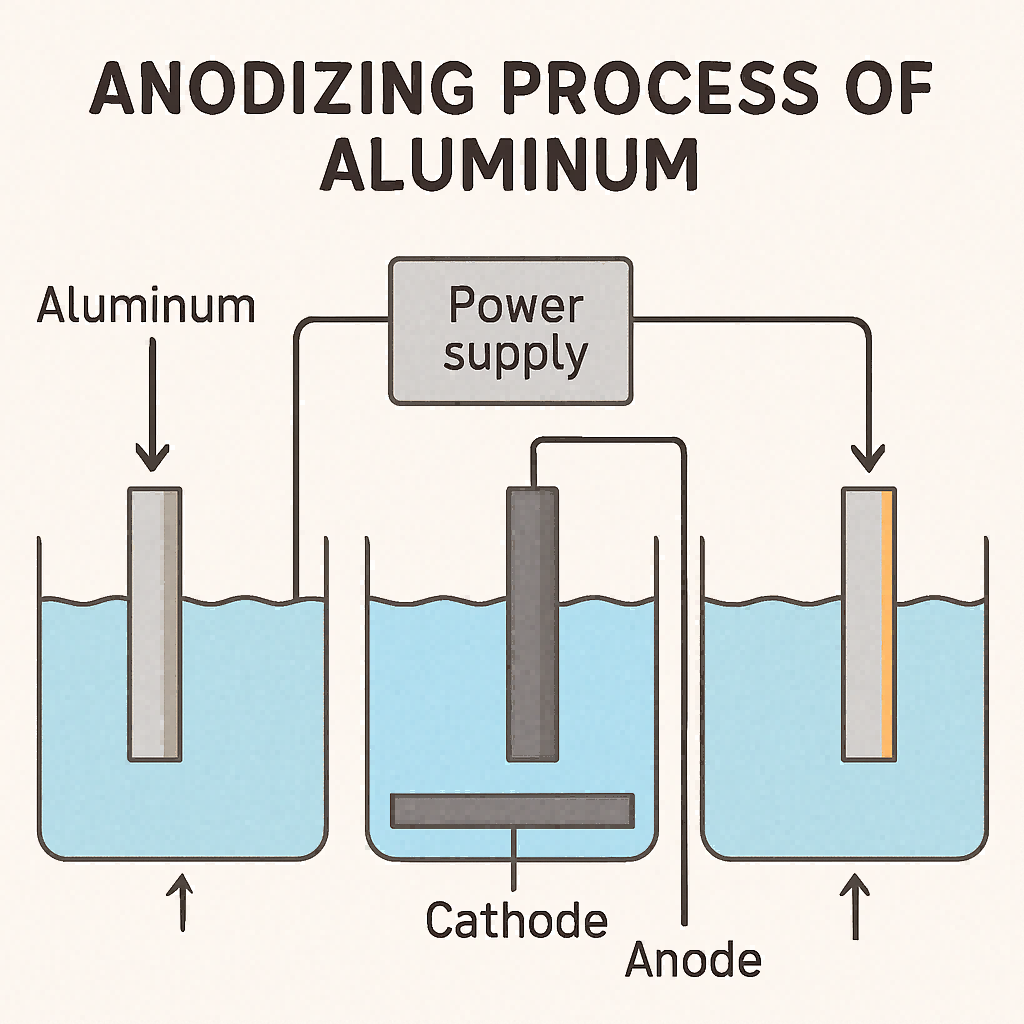
During anodizing, we use the aluminum profile as the anode in an electrolytic process. An electric current passes through an acidic electrolyte, and the aluminum surface reacts with oxygen to form a much thicker aluminum oxide layer.
[ Vanway Tech Internal Production & Quality Control Data ]
Based on Vanway Tech in-line production measurement and eddy-current thickness testing:
- Raw Aluminum (Natural Oxide Layer): Measured surface native oxide layer is extremely thin, averaging 0.003–0.005 μm (3–5 nm).
- Vanway Anodized Layer (Type II / Type III): Controlled to 5–25 μm based on specification (specialized hard-coat parts reach up to 50 μm+).
Measurement Conclusion:
Electrolytic anodization increases the protective oxide thickness by 1,000 to 5,000 times compared to the natural film.
[ Process Control & Quality Impact ]
At Vanway Tech, anodizing is an integrated manufacturing process rather than a cosmetic finish. Batch consistency and coating adhesion are driven by strict parameter controls:
| Process Stage | Key Control Parameters |
| Base Material | Alloy grade (e.g., 6063-T5 vs. 6061-T6) and extrusion grain structure |
| Pretreatment | Alkaline etching and acid desmutting bath concentrations |
| Electrolyte Tank | H2SO4 concentration (160–180 g/L), bath temperature (±1°C), and current density (1.2–1.8 A/dm²) |
| Sealing | Hydration/seal quality to pass standard salt-spray performance |
Note from Vanway Tech Engineering: These process variables explain why two profiles with identical catalog dimensions often perform differently in actual field service. Vanway controls every stage to guarantee compliance with exact engineering specifications.
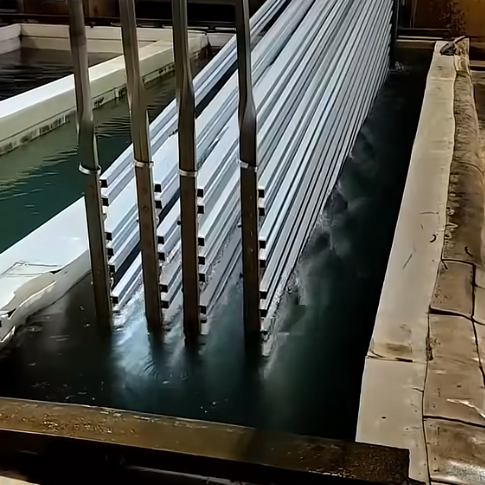
Aluminum Extrusion Processing Capability – Anodizing Treatment – Vanway Tech
Key Characteristics of Clear Anodized Finish Aluminum
- Enhanced Protection: Creates an outer layer that dramatically resists corrosion, wear, and atmospheric oxidation.
- Aesthetic Consistency: Offers a uniform, matte metallic silver appearance that conceals natural mill imperfections.
- Electrical & Thermal Insulation: The anodic layer increases surface hardness and provides electrical insulation.
For high-end building facades, outdoor enclosures, and visible consumer hardware, clear anodized aluminum delivers exceptional longevity with minimal maintenance.
Type II vs. Type III Anodizing:What’s the difference between them?
The two common anodizing categories are Type II anodizing and Type III hard anodizing.
Type II Anodizing
Type II anodizing is widely used for architectural and decorative aluminum profiles.
It normally produces an anodized layer in the range of approximately 5–25 μm, depending on the specification and application.
This process provides several useful benefits:
- Better corrosion resistance
- Improved surface durability
- More stable appearance
- A clean metallic finish
- Good compatibility with architectural applications
For example, suppose Vanway Tech produces an aluminum extrusion trim for a commercial building. The customer may require a silver or champagne-colored surface that will remain attractive after years of normal outdoor exposure.
In this case, clear anodized aluminum profiles can be a practical choice because the anodized layer protects the aluminum while maintaining its natural metallic appearance.
The surface can also show the extrusion texture more clearly than a thick paint coating. Therefore, the quality of the original extrusion becomes very important.
If the extrusion contains strong die lines, anodizing will not magically remove them. Instead, the anodized surface can make some existing surface features easier to see.
This is why Vanway Tech pays close attention to die condition, extrusion temperature, speed, billet quality, and surface inspection before anodizing.
Type III Hard Anodizing
Type III hard anodizing, often called hardcoat anodizing, creates a thicker and harder oxide layer than standard Type II anodizing.
It is mainly selected when the aluminum component needs higher resistance to wear, friction, and demanding operating conditions.
For example, Vanway Tech may recommend a hard anodized aluminum profile for an industrial component that experiences repeated contact with other parts. A decorative architectural profile normally does not need this level of surface hardness, while a mechanical component may benefit from it.
The key difference is therefore the purpose:
| Feature | Type II Anodizing | Type III Hard Anodizing |
|---|---|---|
| Main purpose | Appearance and corrosion protection | Wear and surface protection |
| Typical application | Architectural profiles, trims, frames | Industrial and mechanical components |
| Oxide layer | Commonly about 5–25 μm | Usually thicker than Type II |
| Surface hardness | Improved | Significantly higher |
| Appearance | Strong decorative value | More focused on performance |
Typical anodized surface hardness varies with alloy, anodizing process and test method. Hardcoat Type III generally provides substantially higher wear resistance than conventional Type II anodizing.

How the Anodized Oxide Layer Forms
The anodizing process is controlled through several stages.See the below of Vanway Tech’s Anodizing Process Workflow.
Surface Pretreatment Workflow
Step 01
Degreasing & Deep Cleaning
Removes oils, shop dust, and surface contaminants from raw profiles.
↓
Step 02 (Optional)
Mechanical / Chemical Surface Prep
Etching, matte finish, or satin treatment based on aesthetic spec.
↓
Step 03
Uniform Base Ready
Substrate prepared for anodizing bath entry.
First, Vanway Tech cleans the aluminum profile to remove oil, dust, and other contaminants. Depending on the required appearance, we may also use surface preparation steps to create a more uniform finish.
The profile then enters the anodizing electrolyte and becomes the positive electrode.
When electrical current passes through the system, oxygen-containing reactions occur at the aluminum surface. Instead of producing only the very thin natural oxide film, the process creates a controlled porous aluminum oxide structure.
The pores are an important part of anodizing.
They allow the oxide layer to grow and can also accept coloring materials when a colored anodized finish is required. For clear anodized aluminum profiles, the natural metallic appearance of the aluminum remains visible through the oxide layer.
Pore Sealing: An Important Final Step
Fresh anodized aluminum has a porous oxide structure. If we leave these pores open, contaminants and moisture can enter the surface more easily.
This is why pore sealing is an important part of the anodizing process.
In a common hot-water or steam sealing process, the aluminum oxide reacts with water and changes its structure. The pores become closed or significantly reduced, which improves corrosion resistance and helps protect the anodized surface.
For Vanway Tech, sealing is not a minor finishing detail. It directly affects the long-term performance of the finished profile.
A simple example is an aluminum window or exterior decorative trim installed in a humid environment. An anodized layer with poor sealing may not provide the same level of protection as a properly sealed anodized surface.
Therefore, when we evaluate an anodized aluminum extrusion, we look beyond the color and visual appearance. We also consider:
- Oxide film thickness
- Surface uniformity
- Sealing quality
- Alloy selection
- Extrusion surface condition
- Die lines and other surface marks
- Dimensional accuracy
- Application environment
When Vanway Tech was supplying for an outdoor solar bracket project in the Middle East, the customer initially planned to adopt Mill Finish to reduce costs by 8%. However, considering the local high salt spray environment, we recommend using 15 μ m transparent anodizing. Actual tests show that its service life has been extended by three times, avoiding huge subsequent maintenance costs.
Application: Solar mounting bracket
Alloy: 6063-T5
Environment: Coastal/high-salt atmosphere
Original specification: Mill finish
Recommended finish: 15 μm clear anodizing
Test method: ASTM B117 / ISO 9227

Custom Solar Extrusion Profile丨Solar Panel Aluminum Frames
Aluminum Anodizing Type & Layer Thickness Selection Guide
| Application Scenario | Recommended Anodizing Type | Coating Thickness Range (μm) | Common Aluminum Alloys | Key Selection Criteria |
| Indoor Decoration / Consumer Electronics | Type II (Standard Sulfuric Acid Anodizing) | 5 – 15 μm | 6063, 6463, 5052 | Color uniformity, basic wear & fingerprint resistance, high surface finish. |
| Outdoor Architectural Profiles | Type II (Heavy-Duty / Sealed Anodizing) | 15 – 25 μm | 6063-T5, 6061-T6 | Sealing quality, weatherability, UV resistance, acid rain corrosion resistance. |
| Industrial High-Friction / Wear-Resistant Parts | Type III (Hard Anodizing / Hardcoat) | 25 – 75+ μm | 6061-T6, 7075-T6 | High hardness, resistance to repeated sliding friction, dielectric strength (breakdown voltage). |
In the Vanway Tech Laboratory May 2026 evaluation and testing dataset, empirical performance metrics for various oxide layer types and thicknesses are as follows:
1. Thickness vs. Vickers Hardness (HV)
- Type II (Standard Anodizing, 10 – 20 μm): Microhardness test result ranges from 200 to 300 HV. Suitable for daily handling and moderate friction while maintaining excellent color dyeing capability.
- Type III (Hard Anodizing, 35 – 50 μm): Formed in a low-temperature electrolyte bath (0 – 5 °C), the oxide coating achieves a microhardness of 400 – 500 HV, approaching the surface hardness of quenched steel and significantly reducing wear under repeated sliding motion.
2. Salt Spray Corrosion Resistance (ASTM B117 / ISO 9227)
- Indoor Grade (5 – 10 μm, Sealed): Passes 96 – 168 hours of Neutral Salt Spray (NSS) testing.
- Outdoor Architectural Grade (15 – 25 μm, Hydrothermal/Nickel Salt Sealed): Consistently maintains 336 – 1,000 hours in NSS testing without pitting corrosion.
- Industrial Hardcoat Grade (35 – 50 μm, Unsealed/High-Density): Delivers extreme protection up to 2,000+ hours in NSS testing.
When supplying to a certain European outdoor lighting customer, we suggested replacing the original Mill Finish with a 12μm anodic oxide film to increase its corrosion resistance duration in the neutral salt spray test (NSS) to 720 hours.


Test diagram of anodic oxide film thickness gauge – Vanway Tech
3. Dimensional Change (Unilateral Growth Prediction)
- Growth Mechanism: Anodizing is a bi-directional conversion process where the oxide layer grows both inward and outward. Approximately 50% of the film layer penetrates into the aluminum substrate, while 50% builds up on the exterior surface.
- Engineering Allowance Example: If a Type III hardcoat specified thickness is 50 μm, the physical dimension per side will increase by approximately 25 μm. This dimensional buildup must be pre-calculated and accounted for during precision machining (e.g., tight-tolerance bores, mating holes, or threads).
Data Source: Vanway Tech Laboratory Test Dataset (Issued May 2026)
That is the approach Vanway Tech takes when producing aluminum extrusion profiles, clear anodized aluminum profiles, and other custom aluminum components. We do not simply select a surface treatment because it looks good. We match the extrusion process and anodizing specification with the customer’s actual working conditions.

Contact Vanway Tech today for one-stop aluminium extrusion solutions .
Aluminum Surface Finish Selection Checklist:Anodizing vs Mill Finished
From our experience at Vanway Tech, one of the most common mistakes is choosing a surface treatment only by appearance.
A buyer may ask for a “silver anodized aluminum profile” because the surface looks clean and modern. However, the more important question is: Where will the profile be used?
For an indoor decorative trim, a standard anodized finish may be enough.
For an outdoor architectural profile, the buyer should also consider oxide thickness, sealing quality, alloy, exposure conditions, and color requirements.
For an industrial component exposed to repeated friction, Type III hard anodizing may make more sense.
The manufacturing process should always follow the application.
Check the box that matches your project requirements:
1. Operating Environment
- [ ] Indoor / Climate-Controlled: Minimal exposure to moisture, chemicals, or extreme weather.-> Best Match: Mill Finish
- [ ] Outdoor / Marine / Harsh Environment: Exposed to rain, UV light, salt spray, or atmospheric chemicals.-> Best Match: Clear Anodized
2. Visual & Aesthetic Demands
- [ ] Concealed / Functional Component: Hidden inside machinery, enclosures, or structural framing where surface marks don’t matter.-> Best Match: Mill Finish
- [ ] Exposed / Architectural Surface: Requires a clean, uniform, modern metallic look that resists staining and wear.-> Best Match: Clear Anodized
3. Fabrication & Assembly Sequence
- [ ] Heavy Secondary Machining: Requires extensive welding, sharp bending, or post-fabrication forming.-> Best Match: Mill Finish
- [ ] Final / Pre-Cut Components: Parts are already cut, drilled, or formed and need immediate surface protection without raw edges exposed.-> Best Match: Clear Anodized

Why Partner with a Direct Aluminum Manufacturer?
Sourcing raw materials directly from a custom manufacturer ensures precise metallurgical tolerances, consistent alloy quality, and predictable surface finishes.
As a integrated factory and direct supplier, Vanway Tech provide end-to-end aluminum solutions—from custom profile extrusion to precision anodizing and fabrication:
- Custom extrusion die design and alloy selection (6061, 6063, 3003, etc.).
- In-house anodizing, powder coating, and surface finishing.
- Complete CNC machining, punching, cutting, and assembly services.
- Complies with QUALANOD, ISO 7599 or MIL-A-8625 Type II standards
Vanway-Tech 丨 Premium Quality Aluminum Extrusions Manufacturer and Exporter


Contact Vanway Tech today for tailored one-stop aluminium extrusion solutions for your project.
Frequently Asked Questions (FAQ)
Q1. What is your Minimum Order Quantity (MOQ) for custom aluminum profiles?
Our standard MOQ starts at 500 kg per section for custom extrusions. However, for initial prototype validation or sample orders, we can accommodate smaller volumes. Contact our sales engineering team with your drawings to get a flexible volume quote tailored to your project phase.
Q2. Can you provide complete Material Test Reports (MTRs) and compliance certifications with each shipment?
Yes. Every shipment includes a Mill Test Certificate (MTC) detailing the chemical composition and mechanical properties per EN 10204 3.1 standards. Upon request, we also provide full compliance documentation for RoHS, REACH, and specific anodizing film thickness inspection reports before dispatch.
Q3. What is your standard lead time from drawing approval to final delivery?
For new custom profiles, die fabrication takes 10–15 business days, followed by 3–5 days for sample approval. Bulk production typically takes 15–20 business days after sample confirmation. Express delivery options and stock-holding agreements are available for long-term partners with recurring demand.
Q4. How do you guarantee the anodized surface quality and prevent damage during transit?
All anodized profiles undergo 100% visual inspection and batch testing for film thickness and sealing quality. To protect delicate clear anodized surfaces from scratches and oxidation during ocean or air freight, every piece is wrapped with protective PE film, interleaved with non-abrasive paper, and packed into reinforced wooden crates.
Q5. What is your policy and procedure if I receive non-conforming or damaged products?
We offer a 100% Quality Guarantee. If any profiles fail to meet agreed specifications or arrive damaged, submit a claim with inspection photos within 30 days of receipt. Upon verification, we will immediately prioritize a free replacement run or issue a direct credit to your account—no lengthy dispute cycles.
Related Posts You May Interested In:


Contact With Vanway Tech Team for Premium Aluminium Extrusion Products!
Enquire with UsConnect with Vanway Tech Team for Premium Aluminium Extrusion Products.
Contact InfoWe are looking forward to hearing from you!
-
Email: info@vanway-tech.com
-
Address: No. 588, Wuyi South Road, CSJ Moldware Town, Wujin, Changzhou, Jiangsu, China
Scan Below Codes to Contact Us Immediately.