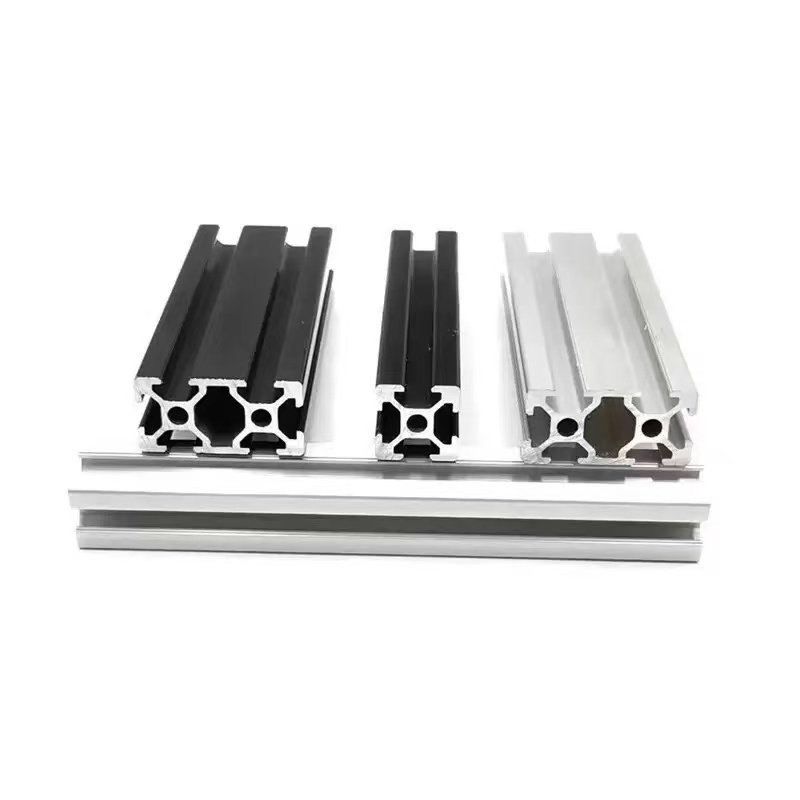
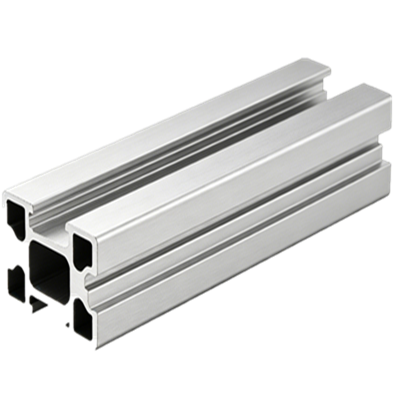
4040 vs 4080 T-Slot Aluminum Extrusion: How to Stop Over-Engineering & Cut Frame Costs

4040 vs 4080 T-Slot Aluminum Extrusion Slection Guide
Table of Contents

Vanway Tech 丨Premium Quality 4040 Extrueded Aluminum Profiles Manufacturer and Exporter From China Since 2015

Vanway-Tech Aluminum Extrsions Banner

Ready to optimize your project? Talk to Vanway Tech engineers and get your T-slot aluminum extrusion sample started.


We’ve all been there: you’re designing a machine guard, an automated workstation, or a heavy-duty robot cell, and you hit the structural framing phase. You open your CAD software, look at the load requirements, and face a classic crossroads. A standard 4040 profile (40x40mm) easily handles the basic static load, but a tiny voice in the back of your head whispers, “What if somebody leans on it? What if a worker drops a tool?” So, you swap it for a massive 4080 profile (40x80mm) “just to be safe.”

I recently saw this play out with an automation team building ten custom assembly benches. To avoid deflection math, the lead engineer specced every frame entirely in 4080 extrusions. It worked, sure, but the hidden bill was brutal. The oversized extruded aluminum profiles added 45% to raw material expenses, bumped the shipping freight into a higher weight tier, and made the heavy aluminum framing a nightmare for two techs to maneuver during assembly.

Over-engineering feels like cheap insurance, but it routinely drains your budget without adding meaningful safety margin. This decision guide breaks down the real structural differences between 4040 and 4080 T-slot aluminum profiles—helping you pick the right industrial modular framing, cut unnecessary weight, and maximize structural rigidity at the lowest overall cost.

2020 Industrial Aluminum Extrusion - 4040 Aluminum Extrusion

Common Specification Mistakes of 2020 Industrial Aluminum Extrusion Profiles

Are You Overpaying for T-Slot Extruded Aluminum Profile?

4040 vs 4080 Aluminum Extrusions Core Difference

To choose the right modular framing, you first need to look at how these two profiles handle structural forces. The difference isn’t just about size—it comes down to geometry, material distribution, and directional strength.

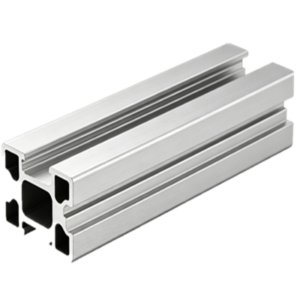
A standard 4040 profile features a 40x40mm square cross-section with a symmetric design. Because its shape is identical on both axes, it resists bending equally in all directions. In contrast, the 4080 profile uses a 40x80mm rectangular footprint. By doubling the depth along one axis, you place more aluminum further away from the center of gravity. This geometric change dramatically increases resistance to bending along its deep axis without forcing you to change your overall mounting hardware.

However, that extra strength comes with a direct trade-off in mass and budget. Because a 4080 extrusion contains roughly double the metal of a standard 4040, it weighs nearly twice as much per meter—which translates directly into double the raw material cost.

Feature / Spec4040 Profile4080 Profile
Dimensions40 x 40 mm40 x 80 mm
Moment of Inertia (Ix/Iy)Equal across X and Y axes~4x higher along the major axis Iy
Weight EfficiencyHigh for standard framing & uniform loadsExceptional for long-span bending loads
Best ForLight enclosures, 3D printers, safety guardsMachine bases, heavy automation, long spans

Modular Aluminum Frame Profiles

The Hidden Trap: What is “Over-Engineering” in Aluminum Frame Design?

In structural design, over-engineering happens when you select a heavy-duty profile like the 4080 simply because it “looks stronger,” even though a 4040 profile (or a 4040 Heavy variant) comfortably meets your required safety factor and deflection limits.

It’s an easy trap to fall into. When engineers skip basic deflection calculations, they often default to the larger profile to guarantee peace of mind. But building an entire machine frame out of 4080 extrusions when 4040 would do the job creates a massive compounding cost penalty.

Financial & Physical Overhead

The true cost of over-specifying structural t-slot profiles goes far beyond the initial price per meter:

  • Direct Material Inflation: If you build a 10-meter modular frame entirely with 4080 extrusions, your raw material bill will sit roughly 80% to 90% higher than a smart hybrid design that uses 4040 for vertical supports and 4080 only where long spans carry heavy bending loads.
  • Higher Shipping & Freight: Doubling the total weight of your aluminum structure pushes your freight shipments into heavier, more expensive transport tiers—especially for long or bulk orders.
  • Costlier Fasteners & Hardware: Larger extrusions often push designers toward heavier corner brackets, gussets, and joiners, driving up the bill of materials (BOM) even further.
  • Dynamic Load Penalties: If your aluminum frame supports moving parts—like a linear gantry or a robotic arm—a heavier frame forces you to buy larger motors, beefier linear guides, and bigger drives just to move the extra dead weight.

By matching the profile to the actual direction and magnitude of the load, you protect both the structural integrity of your build and your project’s bottom line.

Vanway-Tech 6063 T5 4040 T-slot Aluminum Profile for Industrial Workstations

4080 T-Slot Aluminum Profile 1000mm for Retail Display Shelf Frame


How to Choose: 3-Step Selection Aluminum T-Slot Extrusion Framework for Engineers

Step 1: Evaluate Load Direction and Span Length:

Start by mapping out where force hits the structure and how far your aluminum extrusions need to stretch without support. If you are mounting vertical legs or light paneling, a square 4040 profile usually handles the load with zero issues.

The real turning point comes with horizontal span length. As a general rule of thumb, when an unsupported horizontal beam exceeds 1.5 meters (about 5 feet), standard 4040 profiles begin to sag under their own weight and center loads. Because deflection scales exponentially with beam length, swapping to a 4080 profile orientation—oriented with its deeper 80mm side vertical—increases resistance to bending by roughly 400%. This keeps your machine frames rigid without forcing you to add awkward middle support legs.

Step 2: Calculate Dynamic vs. Static Load Requirements:

Not all loads impact T-slot aluminum framing the same way. You must separate pure static weight from moving dynamic forces:

  • Static Loads: Equipment resting permanently on a workbench or enclosure frame. Calculate the total weight, check the material yield strength, and choose a 4040 profile if the safety factor sits comfortably above 2.0.
  • Dynamic Loads: Robotic arms, linear gantries, or reciprocating automation parts. Motion creates sudden acceleration spikes, vibration, and side-to-side twisting forces. For dynamic axes, use a 4080 profile along the line of motion to absorb momentum, suppress chatter, and prevent long-term fastener loosening.

Step 3: Implement Hybrid Frame Design Techniques:

You rarely need to choose exclusively between 4040 or 4080 across an entire project. The smartest, most cost-effective structural aluminum framing relies on a hybrid profile layout:

  1. Use 4080 for Main Load Paths: Place 4080 extrusions on primary vertical uprights, heavy bottom base rails, and long horizontal span beams where maximum structural rigidity is mandatory.
  2. Use 4040 for Secondary Framing: Use standard 4040 profiles for internal cross-bracing, door frames, safety guard panels, and light mounting brackets.

This hybrid approach gives you maximum load capacity where stress builds up while stripping away unnecessary material weight and cost everywhere else.
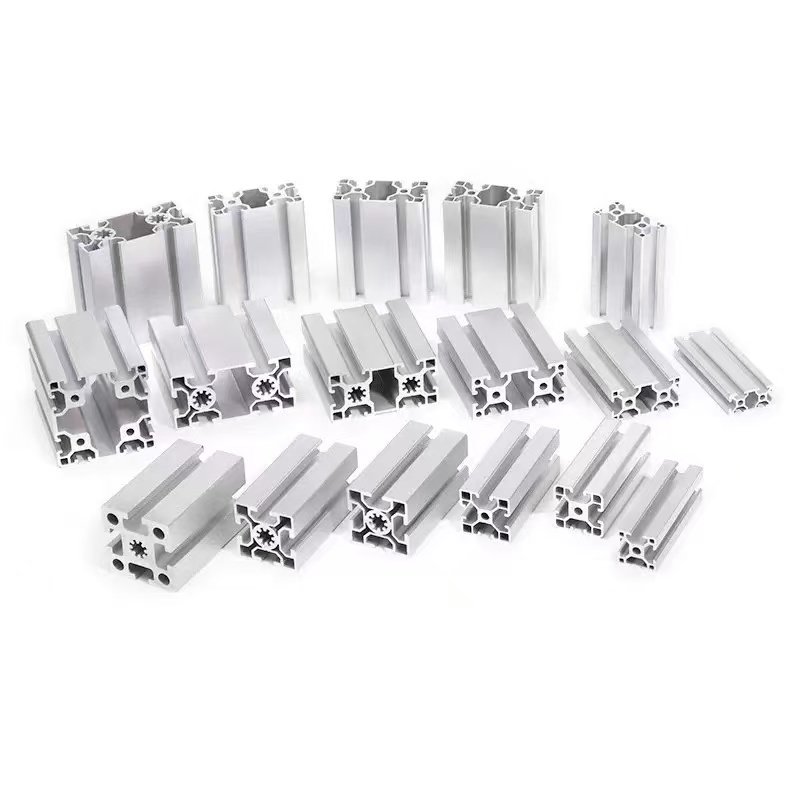
Aluminum Extrusion 4040 vs 4080 Aluminium Profile

When in doubt, remember the core golden rules:

  1. Use 4040 for symmetric loads, vertical supports, safety guarding, and short-span enclosures.
  2. Upgrade to 4080 for horizontal spans over 1.5 meters, high dynamic forces, and heavy load-bearing bases.
  3. Combine both in a hybrid design to optimize strength where you need it and strip away unnecessary weight where you don’t.

Quick Decision Matrix

Application / CriteriaRecommended ProfileKey Reasoning
Short Horizontal Spans (<1.5m)4040 ProfileSufficient load capacity without excess weight or material cost.
Long Horizontal Spans (>1.5m)4080 ProfileHigher moment of inertia prevents sagging and center deflection.
Safety Guards & Machine Panels4040 ProfileLightweight, cost-effective, and easy to assemble or modify.
Heavy Machinery Bases & Automation4080 ProfileHandles severe static weight and absorbs dynamic motion forces.
Cost-Optimized Industrial FramesHybrid (4040 + 4080)Uses 4080 on primary load paths and 4040 for internal bracing.

Optimize Your Aluminum T-Slot Extrusion Frame Design Today

Ready to start your next modular assembly or machine build? Don’t let guess-work inflate your project budget or compromise structural performance.

  • Download CAD Models: Access complete 2D/3D CAD files for 4040 and 4080 T-slot extrusions to test fit and structural alignment in your software.
  • Get a Fast Quote: Submit your bill of materials (BOM) or sketch to our engineering team for competitive pricing, precision custom cutting, and hardware recommendations.

Vanway Tech 丨Premium Quality 4080 Extrueded Aluminum Profiles Manufacturer and Exporter From China Since 2015


Stop Guessing: How Smart Buyers Estimate Aluminum Profile Cost

Ever looked at an aluminum extrusion quote and wondered, “Where did that number even come from?” You’re not alone. Most buyers see a single price tag, but behind it lies a 4-part formula of ingot market rates, die fabrication fees, surface treatments, and scrap rates. If you don’t know how to break down your aluminum profile cost, you’re likely leaving money on the table.

Vanway Tech aluminum extrusion profiles moving on the conveyor belt in the factory production line, showing the automated manufacturing process of industrial-grade aluminum alloy profiles before surface treatment
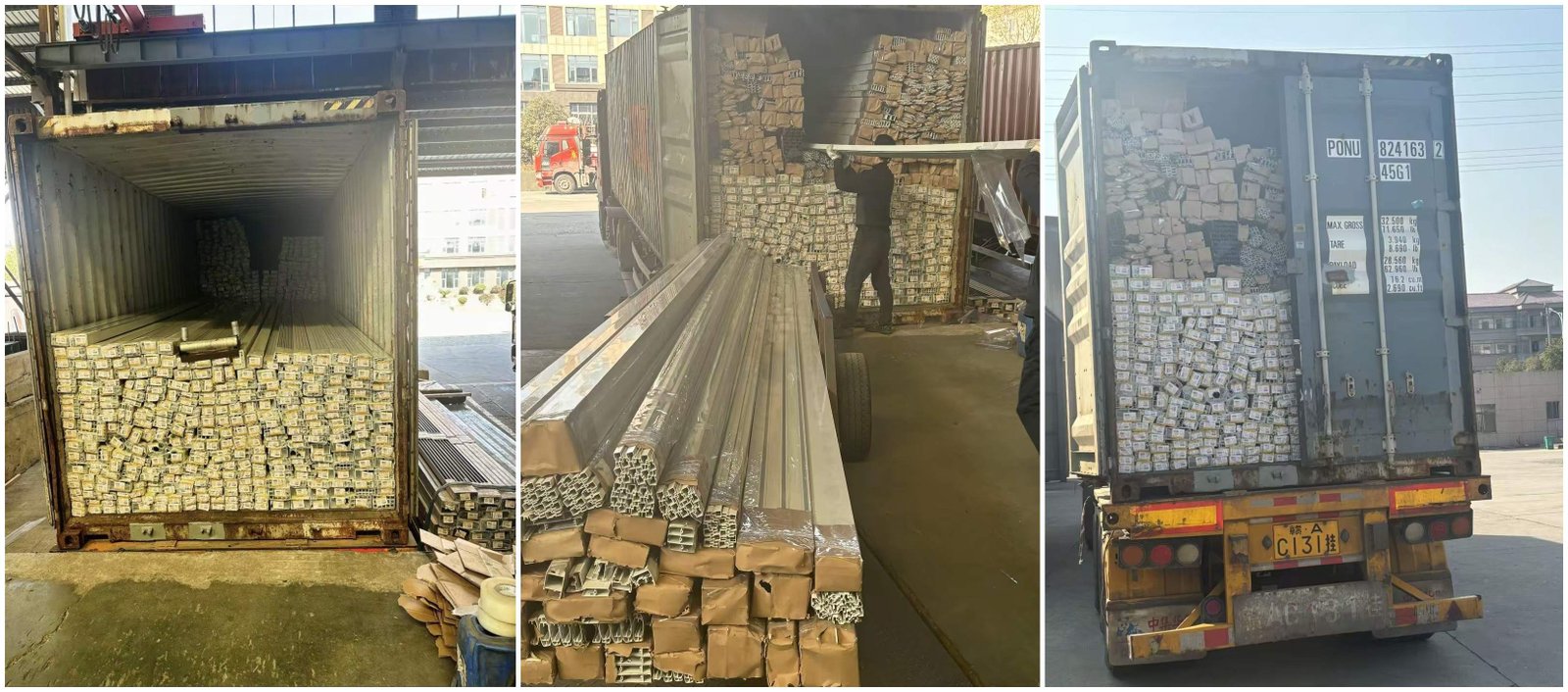
Vanway Tech bulk aluminum extrusion profiles packaged and stacked in the warehouse, ready for shipping, including various types of industrial aluminum alloy extrusions wrapped in protective film and strapped on pallets

Aluminum Extrusion Die Cost Breakdown:What Affecting Pricing

Let’s pull back the curtain and show you how to calculate every cent on aluminum profile cost before you sign your next PO.

Total Cost = (Ingot Spot Price + Extrusion Fee + Surface Treatment + Scrap Loss) × Weight

Below is a standardized breakdown for calculating custom aluminum profile cost, based on industry averages for standard alloys (e.g., 6063-T5) with medium complexity.

Cost ComponentTypical SharePrimary Formula Basis & Estimation LogicOfficial Benchmark / Data Source
Ingot Spot Price55% – 70%Floating market price of primary aluminum (per metric ton/kg). Directly tied to global metal exchanges.London Metal Exchange (LME) Primary Aluminum Spot Price
Extrusion Processing Fee15% – 25%Determined by profile complexity (CCD ratio/wall thickness), alloy difficulty, die wear, and press tonnage requirement.The Aluminum Association – Extrusion Industry Standards
Surface Treatment10% – 20%Cost varies significantly by finish type: Anodizing (Class I/II), Powder Coating (AAMA 2603/2604/2605), or Electrophoresis per $m^2$ converted to weight.AAMA / FGIA Architectural Coating Specifications
Scrap / Loss Allowance
3% – 8%Accounting for extrusion process waste (butt end, head/tail stretch loss, machining scrap) minus secondary scrap recovery value.U.S. Geological Survey (USGS) Aluminum Mineral Commodity Summaries

Note: In real-world quoting, smaller or highly intricate profiles with wall thicknesses under 1.2 mm will see the Extrusion Fee share rise toward 30%, whereas high-volume basic architectural shapes are dominated (greater than 70%) by the raw Ingot Spot Price.

Vanway-Tech丨 Premium Quality Extrueded Aluminum Profiles Manufacturer and Exporter From China Since 2015

Vanway-Tech Aluminum Extrsions Banner

Ready to optimize your project? Talk to Vanway Tech engineers and get your custom aluminum extrusion sample started.


Aluminum Extrusion Sourcing: How Mastering MOQ Unlocks 15%+ Procurement Savings

If you have ever sourced custom or bulk aluminum extrusions, you’ve likely bumped into the dreaded three-letter acronym: MOQ (Minimum Order Quantity).

MOQ isn’t just a supplier constraint—it’s your biggest negotiation leverage for unit cost, inventory turn, and tooling cost flexibility.

Honestly, most procurement managers I talk to see MOQs as nothing more than a manufacturer’s trick to squeeze bigger orders out of them. But here’s the cold, hard truth of factory economics: that minimum order requirement is usually the only thing standing between you paying $3.50 a kilo or getting slapped with a $6.50 bill for the exact same profile.

So, how drastically does MOQ actually impact your unit price?

Let’s break down the hidden factory economics—and how you can leverage them to maximize your bottom line.

Why Low-Volume Aluminum Extrusion Orders Cost So Much ?

To truly understand the dramatic price gap between low-volume prototypes and mass production, you have to look beyond raw aluminum prices. The financial reality is defined on the factory floor long before a single meter of custom aluminum profile passes through the extrusion die.

Whether you are sourcing high-precision 6063-T6 aluminum heatsinks for electronics, structural 6061 alloy frames for automation, or complex lightweight components for electric vehicles (EVs) and photovoltaic (PV) mounting systems, total unit economics are driven by a crucial cost ratio:

Unit Cost =
Die Setup & Preheating + Billet Changing + Surface Finishing Fees
Order Volume (Meters or kg)
+ Raw Aluminum Billet Rate
Aluminum Profile Tooling & Aluminum Extrusion Die And Molds - Vanway Tech

Aluminum Extrusion Die Cost Breakdown:What Affecting Pricing

Why Small Batches Inflate Your Bill ?

However, when you place a small extrusion order, high fixed operational overheads are amortized over very few meters, which ultimately drives your piece-part price sky-high.

  • Extrusion Press Setup & Tooling: Pre-heating the steel extrusion die, calibrating the press container, and clearing initial trial run scrap require the same machine downtime and energy—regardless of whether you extrude 50 kg or 5,000 kg.
  • Surface Treatment Lot Charges: Anodizing tanks, powder coating lines, and chemical conversion baths operate on a minimum “tank fee” or rack setup charge. Therefore, even small production runs inevitably trigger these baseline costs.
  • Precision CNC Machining & Fabrication: Secondary processing like cut-to-length sawing, CNC milling, deburring, and punching carries fixed job setup fees that penalize small batch sizes.

CNC Milling Machining Parts Customized Aluminum Extrusion Heat Sink


Price Breakdown: Small Orders vs. High-Volume Production

How does this financial equation translate into real-world supplier quotes? Below is a cost analysis for a custom 6063-T5 architectural and structural extrusion profile, illustrating how order scale impacts your final landed price:

Order TierVolume (kg)Setup & Tooling AmortizationExtrusion Line EfficiencyEst. Price per kg (USD)*
Sample / Small Run< 500 kgHigh (Spreads over minimal output)Low (Frequent line stops & high scrap rate)$5.80 – $7.20
Standard MOQ1,000 – 3,000 kgModerate (Baseline setup absorbed)Standard (Stable extrusion speed)$3.80 – $4.50
Bulk Tier 15,000 – 10,000 kgNegligible (Diluted across volume)High (Continuous automated press run)$3.10 – $3.50
Full Container (FCL)20,000+ kgFully AmortizedMaximum Yield (Optimal billet usage)Lowest Market Rate

> Note: Base prices fluctuate according to London Metal Exchange (LME) spot aluminum rates, local billet premiums, and secondary processing requirements (e.g., precision CNC milling, custom anodizing, or specialized powder coating).

As the data demonstrates, transitioning from a sub-MOQ prototype run to a standard 3-metric-ton production batch can reduce your per-unit purchasing costs by 35% to 50%.

What’s the difference between Anodizing and Electrophoretic Coating Process On Aluminum Extrusion Surface?


3 Smart Sourcing Strategies to Overcome the MOQ Dilemma

What if your current engineering project doesn’t immediately require 5 tons of aluminum profiles? You don’t have to sacrifice your margins. Experienced procurement teams leverage these tactical sourcing strategies:

1. Standardize and Consolidate Structural Profiles

Instead of ordering multiple custom cross-sections for different product lines, unify your engineering designs. Consolidating your structural components—such as using standardized 6061-T6 T-slot framing across industrial automation equipment, solar mounting racks, and EV battery enclosure frames—allows you to pool total material demand into a single, high-volume production run.

2. Negotiate Blanket Purchase Orders (BPOs) with Staggered Delivery

Commit to an annual volume forecast (e.g., 10 metric tons over 12 months) to lock in tier-one bulk pricing based on LME raw material rates. You can then arrange scheduled partial shipments, letting you optimize inventory turnover and working capital while avoiding sub-MOQ price penalties.

3. Partner with an Agile, Fully-Integrated Extrusion Manufacturer

Work with a supplier that operates a versatile range of extrusion presses (from 600-ton presses for small, complex precision shapes to 3,600+ ton presses for heavy structural beams). An agile manufacturing partner can match your specific profile dimensions to the most cost-effective press size, minimizing machine downtime, die pre-heating overhead, and secondary cut-to-length fabrication costs.

By optimizing your Minimum Order Quantity (MOQ) strategy, you effectively dilute these unavoidable factory setup expenses across a larger output, drastically lowering your final landed cost per piece.

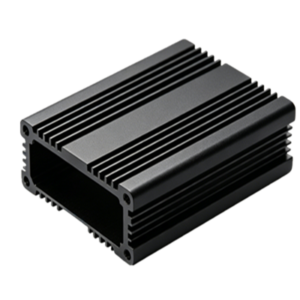
6063 T5 Black Anodized Aluminum Extrusion Heat Sink For PCB

Balancing Piece Price and MOQ for Maximum Cost Efficiency On Extruded Aluminum Profiles

For most procurement managers, aluminum extrusion comes down to a frustrating compromise: either lock up working capital in massive inventory, or pay a premium for smaller production runs.

It doesn’t have to be an either-or choice.

At Vanway Tech, we set up our extrusion operations to handle real-world supply chain demands. Whether you need a short run of custom 6063-T5 or 6061-T6 structural profiles, high-precision multi-axis CNC machining, or specialized anodizing and powder coating, we work around your actual release schedules rather than rigid factory minimums.

From EV battery enclosures and solar mounting systems to heavy automation frameworks, we help engineering and sourcing teams balance unit economics without over-committing capital.

Got an upcoming project or an active print you’d like us to look at?

Reach out to the Vanway Tech engineering team to discuss flexible batch options or get a straightforward quote on your next run.

CHOOSE THE BEFITTING ALUMINUM EXTRUSIONS
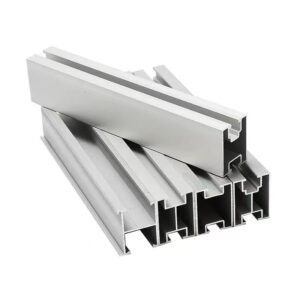

Here are the 7 most common procurement traps in the aluminum industry—and how Vanway Tech provides guaranteed engineering solutions for each.

Are You Making These 7 Expensive Aluminum Extrusion Procurement Mistakes?

7 Costly Custom Aluminum Extrusion Sourcing Mistakes Suppliers Won’t Tell You

T-Slot 4020 Aluminum Extrusion Modular Aluminum Frame Profiles

Pitfall 1. Wall Thickness Thinning

Some suppliers cut corners by shipping profiles on the absolute bottom edge of standard tolerance bands—sometimes 10% to 15% thinner than your drawing specifies. On paper, they claim it’s “within spec,” but they’re just saving raw aluminum costs.

The result?

Your frames lose rigidity, bend under stress, and compromise the whole assembly.

How We Handle It at Vanway Tech:

“We don’t play numbers games with tolerance bands. By enforcing strict high-precision standards like GB/T 14846 and EN 755-9, Vanway Tech controls precision from custom die design to final extrusion. Using automated optical scanners and ultrasonic gages on every batch of extruded aluminum profiles, we guarantee that your nominal wall thickness on the CAD drawing matches the physical profile in your hands.”

Pitfall 2. Sneaking Cheap Scrap into Your Custom Aluminum Extrusions

To slash raw material costs, low-cost extruders often mix dirty, unrefined recycled scrap aluminum into the melt. High impurity levels—especially excess iron and silicon variance—wreak havoc on your parts. You’ll end up with micro-cracks when bending aluminum profiles, unpredictable tensile strength, and ugly dark streaks on anodized aluminum finishes.

How We Guarantee Purity at Vanway Tech:

Premium aluminum extrusions start with clean metal. We strictly use 100% primary A00 virgin aluminum ingots (99.7% purity) for structural alloys like 6063, 6061, and 6005A. Every molten aluminum batch undergoes direct-reading spark emission spectrometry to verify exact chemical composition before casting billet log, ensuring consistent mechanical properties and flawless anodizing quality.

Pitfall 3. Fake T6 Temper & Rushed Heat Treatment

Slapping a “6061-T6” stamp on a profile is easy; doing proper heat treatment is where many suppliers cheat. To save electricity and speed up cycles, some factories pull profiles early from the artificial aging furnace or air-cool alloys that actually require rapid water quenching.

The result?

Soft aluminum profiles that bend under load, strip threads during tapping, or crack during precision CNC machining.

How We Guarantee True Temper at Vanway Tech:

We don’t shortcut metallurgical physics. Vanway Tech runs fully automated, computer-controlled quenching lines—including forced air and water-dunk quenching—followed by precise artificial aging cycles. Every batch of T5 and T6 custom extrusions is verified with Webster and Vickers hardness testing, ensuring your structural aluminum parts hit exact tensile strength and yield strength specs with full batch traceability.
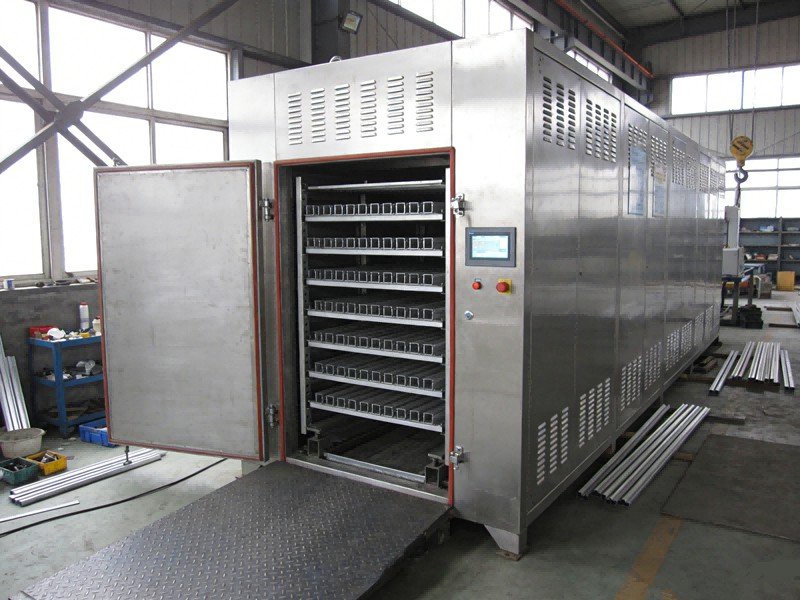
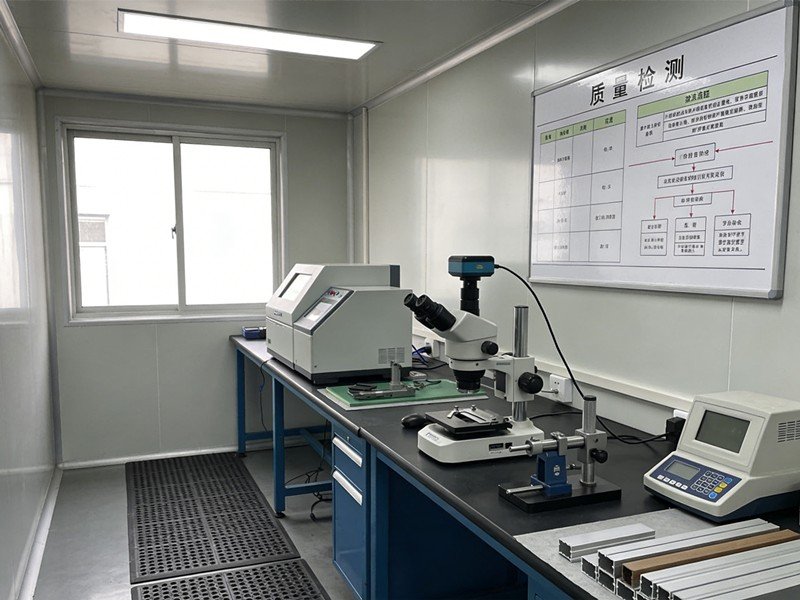
Vanway Tech丨A Trusted Global Expert of Extruded Aluminum Profiles With ISO Certificated

Optimize Your Custom Extruded Aluminum Profiles Design with Vanway Tech →


Pitfall 4. Thin Anodizing Films & Peeling Powder Coatings

Surface finishes are a massive target for cost-cutting. To save chemical and electricity costs, some factories cut anodizing film thickness down to under 5 µm (far below the standard 10–15 µm needed for durability), leaving your aluminum extrusions prone to premature rusting and staining within months. On powder-coated profiles, skipping or rushing the chemical pre-treatment (like chromate-free passivation) ruins paint adhesion, causing severe peeling, chalking, and blistering under harsh outdoor weather.

How We Ensure Long-Lasting Finishes at Vanway Tech:

We take surface finishing seriously. For anodized aluminum extrusions, we adhere to Qualanod standards (Class 10 to Class 25) for guaranteed film thickness and corrosion protection. For architectural powder coating, we follow Qualicoat specifications, maintaining a uniform 60–80 µm coating. Every batch undergoes cross-hatch tape adhesion tests and up to 3,000-hour Neutral Salt Spray (NSS) testing so your custom profiles resist harsh environments for decades.

Technical Parameter Comparisons

To help your engineering team spot non-compliant materials early, Vanway Tech has compiled standard technical specifications against common market shortcuts:

1. Wall Thickness & Dimensional Tolerances

Metric ParameterStandard Market ShortcutVanway Tech Precision StandardRelevant Downstream Application
Wall Thickness DeviationNegative limit (-0.15 mm to -0.30 mm)Precision class (±0.05 mm to ±0.08 mm)industrial automation frameworks
Profile Twist / Bend> 2.5 mm per meter≤ 0.5 mm per meterEV battery tray extrusions
Angularity Tolerance±1.5 degrees±0.5 degreesarchitectural curtain wall profiles

2. Chemical Composition & Mechanical Properties

arameter / PropertyStandard 6063 Recycled Scrap6063-T5 Profile (Vanway Tech)6061-T6 Extrusion (Vanway Tech)
Primary Ingot PurityUncontrolled (< 98.5%)≥ 99.7% A00 Primary Ingot≥ 99.7% A00 Primary Ingot
Tensile Strength (Rm)< 130 MPa≥ 185 MPa≥ 295 MPa
Yield Strength (Rp0.2)< 90 MPa≥ 145 MPa≥ 240 MPa
Hardness (Webster / HW)6 – 8 HW8 – 12 HW≥ 15 HW
Elongation (A50mm)< 5%≥ 8%≥ 10%

3. Surface Treatment Quality Standards

Surface Finish TypeSubstandard SourcingVanway Tech Certified StandardTarget Industry Application
Anodizing Layer3 – 6 μm10 – 25 μm (Qualanod Class 10-25)solar mounting structures
Powder Coating30 – 45 μm (No Pre-treat)60 – 90 μm (Qualicoat Standard)architectural curtain wall profiles
Corrosion Resistance< 240 hrs Salt Spray> 1,000 to 3,000 hrs NSSHigh-humidity / Marine / Outdoor
Thermal DissipationPoor oxide film barrierUniform anodized layerheat sink aluminum extrusions

Pitfall 5. Excessive Bow, Twist, and Dimensional Warp

Nothing frustrates a CNC machinist more than a bent extrusion. When extrusion mills rush production cycles without proper stretcher-straightening, profiles suffer severe bow, camber, and longitudinal twist. When loaded into automated CNC machining fixtures, warped aluminum profiles cause uneven clamping, improper datum registration, wall thickness variations, and misaligned tapped holes—leading to high scrap rates on your production line.

How We Guarantee Precision Alignment at Vanway Tech:

Dimensional control is non-negotiable. Vanway Tech deploys full-length automated hydraulic pullers and multi-roll precision straightening machinery. We strictly adhere to EN 755-9 and ASTM B221 dimensional tolerances, keeping bow and twist under 0.5 mm/m. This ensures your custom aluminum profiles slide seamlessly into CNC fixtures and automated assembly lines.

Pitfall 6. Hidden Internal Porosity & Weak Extrusion Seam Lines

Substandard extrusion die designs, incorrect billet preheating temperatures, or erratic ram speeds cause severe internal flaws. These include micro-porosity, air entrapment, and weak weld lines (the seams where aluminum streams merge inside the die). While the surface may look flawless, these hidden voids lead to catastrophic cracking when the profile is subjected to high dynamic loads, bending, or pressure testing.

How We Ensure Structural Integrity at Vanway Tech:

Structural strength starts inside the die. We use advanced FEA tooling simulation software to design optimized extrusion dies with balanced flow channels. Powered by high-tonnage presses (from 800T up to 5,500T), our extrusion process eliminates internal voids, producing a dense, uniform grain structure. Every high-stress component undergoes non-destructive ultrasonic testing (NDT) to ensure weld line strength for critical applications.

7. The “Cheap Quote” Trap: Hidden Scrap & Fake Compliance

In reality, a unit price that looks 15% cheaper upfront often turns out to be the most expensive purchase you make. This is because low-ball suppliers frequently recoup their margins by sending non-conforming batches with high defect rates, which ultimately forces your engineers to waste time sorting and re-machining parts. Furthermore, some mills even provide generic or forged Mill Test Certificates (MTCs). As a result, your business is left vulnerable to heavy fines or customs rejections due to non-compliant chemical composition (RoHS/REACH) or missing automotive quality systems.

How We Provide Total Supply Chain Transparency at Vanway Tech:

What you see on paper is exactly what you get in the crate. Vanway Tech delivers full batch-level traceability with genuine Mill Test Reports (MTC), direct-reading spectrometer elemental analysis, and CMM dimensional measurement logs. We operate under certified ISO 9001 and IATF 16949 quality management systems, ensuring full compliance with RoHS, REACH, Qualicoat, and Qualanod standards for global market access.

Contact Vanway Tech today for your Led Aluminum Channel Profiles manufacturing.


Why Leading Global OEMs Choose Vanway Tech ?

As an established, vertically integrated precision aluminum profile supplier – Vanway Tech bridges the gap between complex engineering requirements and reliable mass production.

  • End-to-End Capabilities: In-house die casting, extrusion mold design, 5-axis CNC deep processing (drilling, tapping, milling), surface finishing, and assembly.
  • Industry Expertise: Proven track record delivering structural profiles for Tier-1 automotive suppliers, global solar project EPCs, and premier architectural developers.
  • Zero-Defect Commitment: Every shipment undergoes multi-stage inspection to ensure exact alignment with your project’s technical specifications.

Got Custom Profile Drawings? Get Your Free DFM Analysis in 24 Hours

Eliminate production delays with instant technical validation. Share your 2D/3D CAD files with us now, and our engineering team will deliver a free, comprehensive feasibility review and precision quote within 24 hours—100% free, with zero commitment required.


How to make your Aluminum Solar Panel Frame more cost-effective in 2026?

Skived vs. Forged vs. Forged Aluminum Heat Sinks – Sourcing the Right Aluminum Heat Sink

Top-Rated Custom Extruded Aluminum Heat Sink Suppliers in USA & Canada in 2026

How to make your solar module frame aluminum extrusions more cost-effective?

Top 10 Custom PV Module Aluminum Frame Extruders in Gujarat & India (2026)

Aluminum Extrusion Die Cost Breakdown:What Affecting Pricing

Aluminum Extrusion Sourcing: How Mastering MOQ Unlocks 15%+ Procurement Savings

7 Costly Custom Aluminum Extrusion Sourcing Mistakes Suppliers Won’t Tell You
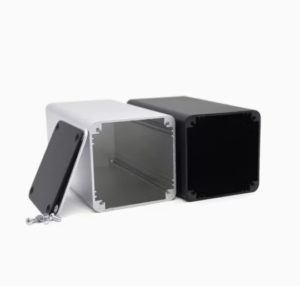
Contact With Vanway Tech Team for Premium Aluminium Extrusion Products!

Enquire with UsConnect with Vanway Tech Team for Premium Aluminium Extrusion Products.

REQUEST A QUOTE

Contact InfoWe are looking forward to hearing from you!

Scan Below Codes to Contact Us Immediately.

Whatsapp - A.Kay @ Vanway Tech
WeChat - Chloe @ Vanway Tech

Newsletter Updates

Enter your email address below and subscribe to our newsletter