Vanway Precision Materials Tech Co.,Ltd


How to Choose Aluminum Profiles for Coastal & High-Salt Environments:Anodized,PVDF or Powder Coating
PVDF vs. Powder Coating vs. Anodized Aluminum Extrusion: Which Surface Finish Is Best? | Vanway Tech

Written by Chloe Xue
Manufacturing & CNC Machining Specialist | DFM & Aluminum Components Expert
Chloe specializes in custom aluminum component manufacturing, high-precision CNC machining, and DFM (Design for Manufacturability) optimization. She helps global B2B engineering teams refine technical drawings, reduce production costs, and accelerate lead times.
Connect on LinkedInReviewed by: Zhang , Chief Surface Treatment Engineer
Experience: 15+ years in aluminum anodizing and extrusion
Technical focus: Type II/Type III anodizing, pretreatment, sealing, coating-thickness control and aluminum surface quality
Review scope: Technical accuracy, process parameters, anodizing standards and performance data
Last reviewed: August 2026
Table of Contents
Choosing a finish for an aluminum extrusion involves more than color and initial cost. PVDF coating, powder coating, and anodizing protect aluminum in different ways, so they do not perform equally in every environment.
For architectural facades, window frames, solar structures, and industrial enclosures, buyers should compare weathering resistance, color retention, corrosion protection, surface appearance, maintenance requirements, and total finishing cost. Coastal projects also need to consider salt exposure, drainage, fasteners, dissimilar metals, and coating pretreatment.
This guide compares the three finishing options and explains which specifications to include in a purchase order. Final performance depends on the selected finish system, substrate, pretreatment, fabrication details, installation, and exposure conditions.
| Buyer priority | Finish to evaluate first | Important qualification |
|---|---|---|
| Long-term exterior color retention | Architectural-grade PVDF coating Aluminum Extrusion | Confirm the coating system and applicable performance specification |
| Broad color choice and textured finishes | Powder coating Aluminum Profiles | Confirm resin system, pretreatment, thickness, and weathering requirements |
| Metallic appearance with no conventional paint film | Anodizied Aluminum Extrusion | Confirm alloy suitability, oxide thickness, sealing, and color consistency |
| Coastal or high-salt exposure | Compare qualified systems for the actual exposure | No finish alone guarantees a specific service life |
| Tight dimensional fit | Anodizing or coating with controlled allowances | Include coating build-up in fit and tolerance calculations |
Sourcing Aluminum Profiles for coastal high-salt environments: What are the key technical specifications to check?
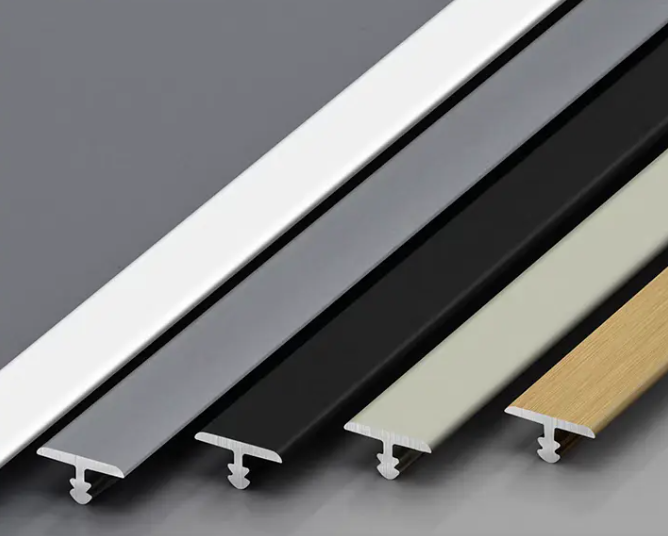
Aluminum Extrusion Processing Capability 丨Vanway Tech
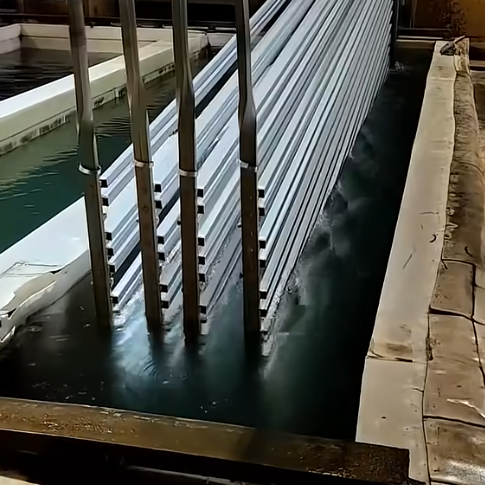
Aluminum Profiles Anodizing Process
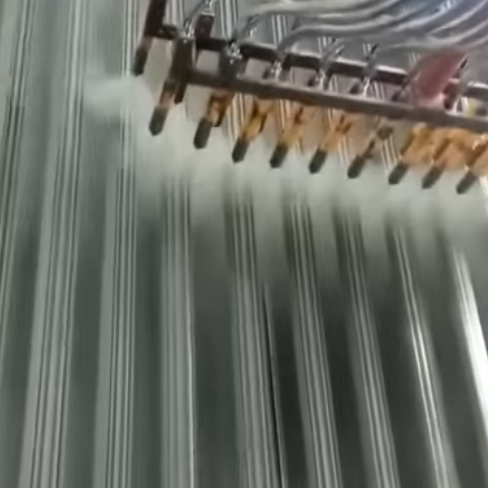
Aluminum Extrusions Powder Coating Process

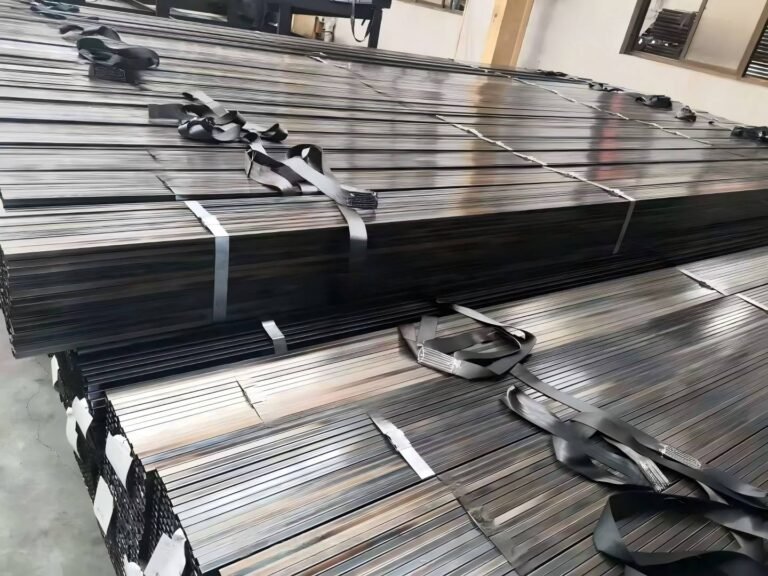
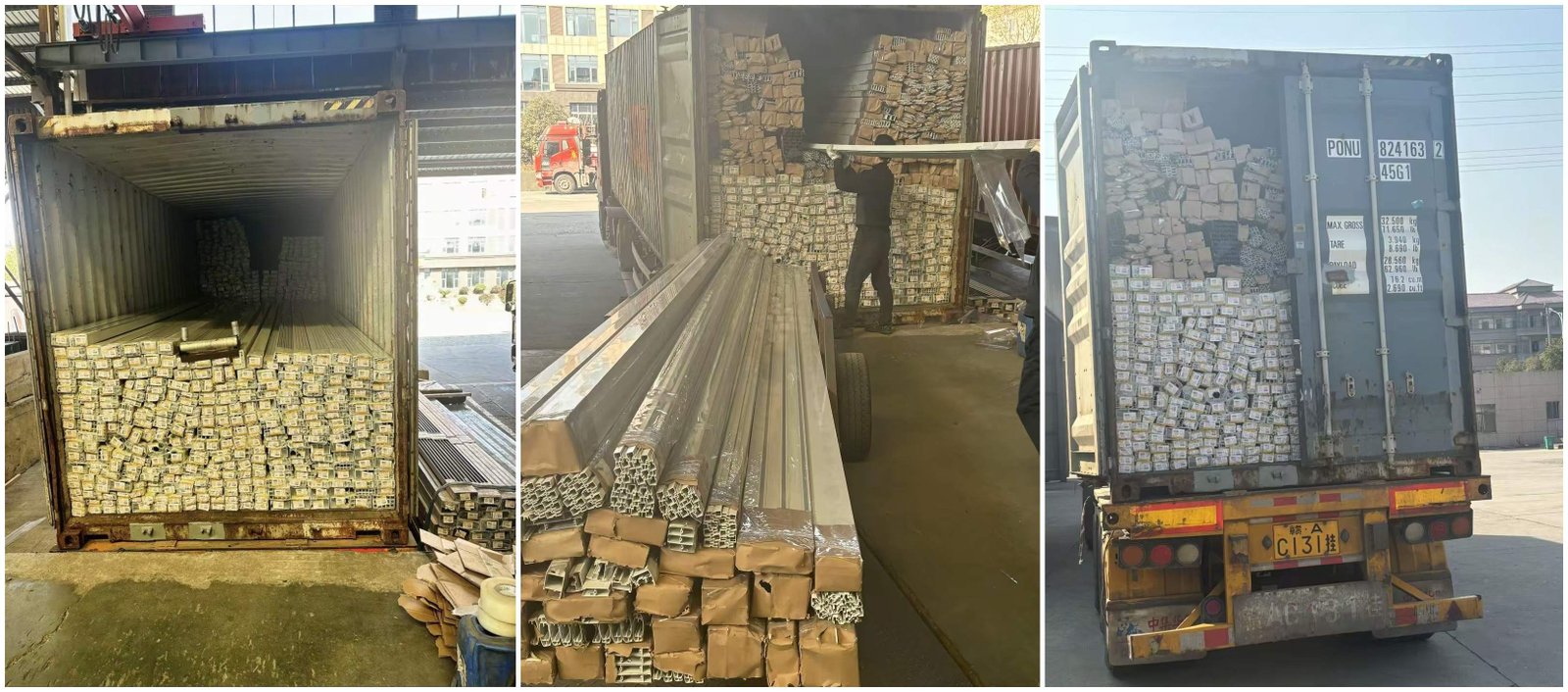
Extruded Aluminum Proifles Stacking Process
If your project sits within 1 to 5 kilometers of the coast, standard aluminum specs won’t cut it. The mix of airborne salt, constant humidity, and harsh UV will eat right through basic architectural finishes, causing pitting, ugly filiform corrosion, and peeling within just two to five years.
If you want these profiles to actually last 15 to 30+ years out there, you need to tighten up your specs.
Here are five non-negotiable technical requirements to double-check when vetting suppliers and issuing purchase orders:
1. Alloy Selection & Temper (Corrosion Immunity Base)
Check the Aluminum Alloy Before Selecting a Aluminum Extrusion Surface Finish
The finish cannot compensate for every limitation of the base alloy. For extruded architectural profiles, 6063 is commonly selected for its extrudability, surface appearance, and suitability for anodizing. Other alloys may be appropriate when the design requires different strength or structural performance.
Before approving a finish, confirm the alloy and temper, material documentation, visible-surface requirements, and the exposure conditions. Anodized appearance can vary with alloy composition, extrusion history, and surface preparation. Coated finishes also depend on proper pretreatment and a compatible coating system.
For coastal applications, evaluate the complete assembly rather than the alloy alone. Water traps, damaged coating edges, exposed cut ends, and contact between dissimilar metals can contribute to localized corrosion.
| RFQ item | What the buyer should specify | Why it matters |
|---|---|---|
| Alloy and temper | Exact designation, such as 6063-T5 or 6063-T6, where applicable | Establishes the required material and mechanical condition |
| Material evidence | Mill test certificate or material test report, as agreed | Supports alloy and batch verification |
| Visible surface | Architectural face, acceptable marks, and inspection lighting | Helps control appearance-related disputes |
| Finish route | PVDF, powder coating, or anodizing, plus applicable specification | Defines the actual surface-treatment system |
| Exposure | Inland, urban, industrial, or coastal; include project conditions | Helps determine the required performance level |
| Dissimilar metals | Fastener material and isolation requirements | Helps reduce galvanic corrosion risks |
2. Coating Performance Standards (AAMA / Qualicoat Specifications)
Compare the Applicable Finish Performance Standards
For architectural aluminum, specify a recognized performance standard when the project requires documented coating performance. AAMA 2603, AAMA 2604, and AAMA 2605 address different performance requirements for organic coatings on aluminum extrusions and panels. The appropriate level depends on the project specification, exposure conditions, and required appearance retention.
Do not use an organic-coating specification as a substitute for an anodizing specification. For anodized architectural aluminum, confirm the applicable anodizing requirements, oxide thickness, sealing, and appearance criteria. Ask the supplier to identify the exact standard and edition included in the quotation.
For coastal projects, request evidence for the complete proposed finish system, including pretreatment, coating or anodizing process, and the relevant test results. A single salt-spray result should not be treated as a direct prediction of outdoor service life.
| Finish | Standard or specification to discuss | What to confirm in the RFQ |
|---|---|---|
| PVDF / architectural liquid coating | Applicable AAMA 2604 or AAMA 2605, if required by the project | Coating system, number of coats, required performance level, color and gloss |
| Architectural powder coating | Applicable AAMA 2603, 2604 or 2605, depending on project requirements | Powder system, pretreatment, thickness, adhesion and weathering requirements |
| Anodizing | Applicable architectural anodizing specification, such as AAMA 611 where appropriate | Anodic film thickness, sealing, color, visible-face requirements |
| European architectural coating projects | Relevant QUALICOAT requirements, if specified | Applicable class, pretreatment requirements, approved system and documentation |
3. Pre-treatment Quality (The Hidden Corrosion Barrier)
Verify Pretreatment and Process Control of Aluminum Extrusion Surface Finish
Pretreatment is an important part of a coating system because it affects adhesion and corrosion performance. However, the correct process depends on the coating chemistry, alloy, intended exposure, and applicable specification.
For powder-coated and liquid-coated extrusions, ask the supplier to identify the pretreatment process and the inspection criteria used to verify it. For anodized profiles, confirm the surface preparation, anodizing process, sealing requirements, and the treatment of cut or machined areas.
For projects exposed to salt, moisture, or industrial pollutants, request relevant test reports for the proposed finish system. If the project requires a specific pretreatment approval or certification, identify it in the purchase specification and confirm that the supplier’s actual process is covered.
Insepction Items Form of Aluminum Extrusion surface finish
| Inspection item | What to request | Acceptance basis |
|---|---|---|
| Pretreatment | Process description and applicable process documentation | Project specification |
| Coating adhesion | Test method and report, where required | Agreed specification and acceptance criteria |
| Anodizing | Film thickness and sealing verification, where applicable | Drawing or finish specification |
| Visible defects | Agreed limits for scratches, stains, pinholes and color variation | Approved sample and inspection plan |
| Cut edges / machined areas | Definition of treated and untreated surfaces | Drawing and order requirements |
| Batch traceability | Batch ID linking the finished lot to inspection records | Purchase order or quality plan |
4. Key Quality & Testing Laboratory Certifications
Request Relevant Test Reports and Measurable Acceptance Criteria
Before approving production, define which finish properties must be measured and how each result will be accepted. Depending on the project, these may include coating or oxide thickness, adhesion, color and gloss consistency, corrosion resistance, and weathering performance.
Request reports that identify the test method, specimen preparation, exposure conditions, test duration, measured result, and acceptance criteria. Confirm whether the report covers the same alloy, pretreatment, finish system, and production process proposed for your order.
Salt-spray testing can help assess performance under a specified laboratory exposure, but the number of test hours does not directly translate into a guaranteed number of outdoor service years. For demanding projects, use the performance specification and test criteria required by the architect, engineer, or project owner.
| Property | What to record | Why it matters |
|---|---|---|
| Film / coating thickness | Measured values, sampling locations, method | Checks whether the finish meets the agreed specification |
| Adhesion | Test method and pass/fail criteria | Helps identify coating adhesion problems |
| Color and gloss | Approved reference sample, color tolerance and gloss range | Reduces visible differences between production batches |
| Corrosion resistance | Applicable test method, exposure time, evaluation criteria | Provides evidence under a defined laboratory condition |
| Weathering | Applicable outdoor or accelerated weathering test | Helps evaluate color and appearance retention |
| Batch identification | Finish lot, test report ID and production date | Supports traceability and dispute resolution |
5. Architectural Geometry & Crevice Avoidance
Check Profile Geometry, Drainage, and Metal Contact
Finish selection should be reviewed together with the profile design. Recesses, narrow gaps, horizontal ledges, and poorly drained cavities can retain moisture and contaminants. These details may increase maintenance needs and the risk of localized corrosion.
For exterior assemblies, review drainage paths, exposed cut ends, joints, sealants, and the contact between aluminum and other metals. Where dissimilar metals are used, specify suitable isolation materials and confirm compatibility with the project environment.
Do not prescribe one universal edge radius for every extrusion. Instead, review sharp edges, narrow corners, and difficult-to-coat areas against the selected finish system and the supplier’s documented process capability. Include critical geometry and visible surfaces in the approved drawing and sample review.

Procurement Checklist Summary for RFQs
RFQ Checklist for PVDF Coating Aluminum Extrusion, Powder-Coated Aluminum Extrusion, and Anodized Aluminum Extrusion
When requesting a quotation, provide the following information so suppliers can quote the same finish requirements and inspection scope.
- Profile: 2D drawing, 3D CAD file, alloy, temper, and critical dimensions.
- Application: Building facade, window or door frame, solar structure, enclosure, or other use.
- Exposure: Indoor or outdoor use, coastal or industrial exposure, and relevant project conditions.
- Finish: PVDF coating, powder coating, or anodizing, including color, gloss, texture, and visible surfaces.
- Performance requirements: Applicable finish specification, thickness requirement, adhesion, corrosion resistance, and weathering criteria, as required by the project.
- Appearance approval: Approved color sample, acceptable surface defects, and batch-to-batch consistency requirements.
- Fabrication: CNC machining, drilling, tapping, cutting, bending, or assembly before or after finishing.
- Inspection records: Required material documents, finish inspection reports, and traceability records.
- Commercial terms: Prototype quantity, production quantity, packaging, delivery location, and target schedule.
| RFQ field | Example specification | Important note |
|---|---|---|
| Base material | 6063-T5 aluminum extrusion | Confirm alloy and temper against design requirements |
| Finish | Black anodizing, or specified architectural coating system | Name the process and system; color alone is insufficient |
| Film thickness | Project-defined value or range | Confirm measurement method and acceptance criteria |
| Color | Approved physical sample or specified color reference | State acceptable variation if needed |
| Visible surfaces | Exterior faces identified on drawing | Helps prevent disputes over hidden vs. visible areas |
| Corrosion / weathering | Named test method and acceptance requirement | Do not substitute generic hours for project criteria |
| Sample approval | One approved reference sample, where practical | Use the same agreed reference for repeat orders |
| Documentation | Material and finish inspection records | Specify whether third-party reports are required |
PVDF vs. Powder Coating vs. Anodized Aluminum Extrusion: Key Differences
| Comparison factor | PVDF coating Aluminum Extrusion | Powder coating Aluminum Profiles | Anodized Aluminum Extrusion |
|---|---|---|---|
| Process type | Liquid-applied fluoropolymer-based coating system | Dry powder applied and cured into a film | Electrochemical conversion of the aluminum surface |
| Main advantage | Often selected for architectural exterior color and weathering performance | Wide color, texture and finish options; suitable for many architectural and industrial uses | Retains a metallic appearance and forms an oxide layer rather than a conventional paint film |
| Appearance | Smooth or specified architectural finish | Smooth, matte, gloss, metallic or textured, depending on system | Natural metallic look or specified anodized color |
| Color options | Depends on approved coating system | Broad range of colors and textures | More dependent on alloy, process and coloring method |
| Film build | Specify by coating system and project requirement | Specify by powder coating aluminum Profiles and project requirement | Specify anodic oxide thickness and applicable requirement |
| Dimensional impact | Coating build must be considered at mating surfaces | Coating build must be considered at mating surfaces | Oxide formation and dimensional change should be considered where fit is critical |
| Repair | Local repair may be visible and may require a compatible repair system | Local repair may differ in texture, gloss or color | Matching repaired anodized areas can be difficult |
| Typical decision driver | Exterior appearance retention and specified coating performance | Color flexibility, finish options and project-specific coating requirements | Metallic appearance and an anodized surface |
| Key purchasing risk | Assuming every PVDF product has the same resin system or performance | Comparing coatings only by color or thickness without checking pretreatment | Assuming anodizing thickness alone guarantees corrosion resistance or color uniformity |
Coating thickness is only one part of finish performance. The coating chemistry, pretreatment, curing process, substrate, profile geometry, and inspection method also affect the final result. Buyers should specify the required performance level and acceptance criteria instead of relying on thickness alone.
| Aluminum Extrusion Surface Finish Types | Indicative thickness range for discussion | What must be confirmed |
|---|---|---|
| Architectural liquid coating / PVDF Coating Aluminum Extrusion | Often specified by the selected coating system; project specifications may call for roughly 25–65 µm depending on coat system | Number of coats, primer/topcoat arrangement, applicable performance specification and measured dry-film thickness |
| Powder Coating Aluminum Profiles | A common quotation reference is around 60–100 µm, but system and geometry can change the requirement | Minimum/maximum thickness, coverage at edges, adhesion, cure and pretreatment |
| Anodized Aluminum Extrusion | Approximately 10–25 µm is a useful discussion range for many architectural applications | Applicable anodizing class/specification, oxide thickness, sealing, alloy and color requirements |
Which Aluminum Extrusion Suface Finish Should You Choose for Your Project?
Architectural facade with long-term color-retention requirements: The first option to evaluate is PVDF or another project-approved architectural coating system. You should ask the supplier which performance specifications, coating systems, and weathering evidence apply.
Window, door, or decorative profiles with many color choices: The first option to evaluate is powder coating or an approved liquid coating system. You should ask the supplier how color, gloss, adhesion, and batch consistency are controlled.
Metallic appearance for architectural trim: The first option to evaluate is anodizing. You should ask the supplier if the alloy is suitable for the requested color and appearance.
Exterior profile in a coastal environment: The first option is to compare qualified coating and anodizing systems. You should ask the supplier what project-specific corrosion and weathering requirements apply.
Profile with tight sliding or mating tolerances: The first option to evaluate is any process with controlled finish allowances. You should ask the supplier how the finish affects the final dimension and fit.
Profile with CNC-machined surfaces: The evaluation depends on whether the machined surface must remain exposed. You should ask the supplier which surfaces are finished before machining, and which are finished afterward.
| Project requirement | First option to evaluate | Questions to ask the supplier |
|---|---|---|
| Architectural facade with long-term color-retention requirements | PVDF or another project-approved architectural coating system | Which performance specification, coating system and weathering evidence apply? |
| Window, door, or decorative profiles with many color choices | Powder coating or an approved liquid coating system | How are color, gloss, adhesion and batch consistency controlled? |
| Metallic appearance for architectural trim | Anodizing | Is the alloy suitable for the requested color and appearance? |
| Exterior profile in a coastal environment | Compare qualified coating and anodizing systems | What project-specific corrosion and weathering requirements apply? |
| Profile with tight sliding or mating tolerances | Any process with controlled finish allowances | How does the finish affect the final dimension and fit? |
| Profile with CNC-machined surfaces | Depends on whether the machined surface must remain exposed | Which surfaces are finished before machining, and which are finished afterward? |
Mill Finish Aluminum vs Clear Anodized Aluminum: How to Choose the Right Finish
FAQs About PVDF, Powder Coating, and Anodized Aluminum Extrusions
Q1. Is PVDF coating better than powder coated aluminum extrusion for outdoor?
A: Not in every application. PVDF coating aluminum extrusion and powder coating aluminum profiles systems can have different weathering, color-retention, and maintenance characteristics. The right choice depends on the coating system, project specification, exposure conditions, and required appearance. For architectural projects, compare the applicable performance specification and supporting test reports rather than relying on the finish name alone.
Q2. Is anodized aluminum extrusion suitable for using near the coast?
A: Anodizing can be considered for some coastal applications, but suitability depends on the alloy, anodizing process, oxide thickness, sealing, installation details, and exposure conditions. Buyers should specify the applicable anodizing requirements and evaluate the complete assembly, including cut edges, drainage, and contact with dissimilar metals.
Q3. What coating thickness should I specify for aluminum extrusions?
A: There is no single thickness requirement for every coating system. Powder coating aluminum profiles and liquid-applied coatings should follow the applicable product and project specification. Anodizing requirements should identify the required oxide thickness and other relevant process criteria. Always state the measurement method and acceptance limits in the purchase specification.
Q4. Does a longer salt-spray test guarantee a longer outdoor service life?
A: Does a longer salt-spray test guarantee a longer outdoor service life?
No. Salt-spray testing evaluates a specimen under defined laboratory conditions. Results depend on the test method, specimen preparation, exposure duration, and evaluation criteria. Test hours should not be converted directly into a guaranteed number of outdoor service years.
Q5. Can anodized and powder coated aluminum extrusion have the same color?
A: They may be specified to look similar, but their appearance can differ because the processes create surfaces in different ways. Color, gloss, texture, alloy, and production conditions can affect the result. Approve a physical sample before production and define how visible surfaces and batch-to-batch variation will be inspected.
Q6. What information should I provide when requesting a aluminum extrusion surface finish quotation?
A: Provide the extrusion drawing, alloy and temper, finish type, color and gloss requirements, application environment, visible surfaces, critical dimensions, secondary machining requirements, order quantity, and required inspection documents. If the project specifies a coating or anodizing standard, include the exact standard and required performance level in the RFQ.

How to Calculate Aluminum Profile Cost: Estimate Aluminum Extrusion Price
Vanway-Tech丨 Premium Quality Extrueded Aluminum Profiles Manufacturer and Exporter From China Since 2015

How Vanway Tech Verifies Aluminum Extrusion Finishes
At Vanway Tech, finish requirements should be confirmed against the customer’s drawing, application, and agreed inspection criteria before production. For each project, buyers should clarify the selected finish system, visible surfaces, thickness requirements, color reference, and required performance tests.
Where applicable to the order, finish inspection records can document measured thickness, visual appearance, color consistency, and other specified acceptance criteria. Material and production records should also identify the relevant batch so that the delivered profiles can be linked to the agreed requirements.
The inspection scope and available reports should be confirmed during quotation. Any project-specific test or certification should be identified before order approval.
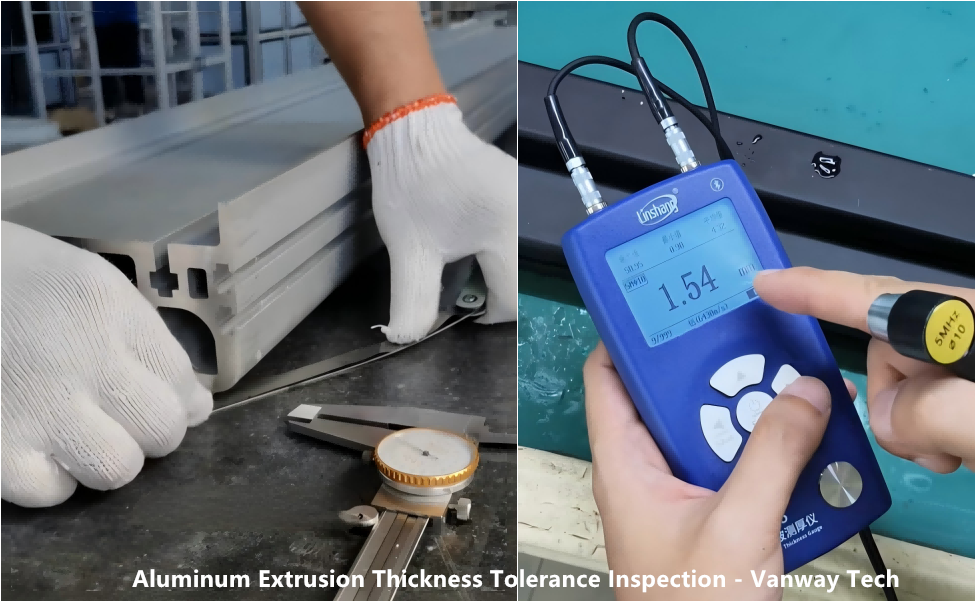
Ready to optimize your project? Talk to Vanway Tech engineers and get your custom aluminum extrusion with surface finish sample started.

CHOOSE THE BEFITTING ALUMINUM EXTRUSIONS
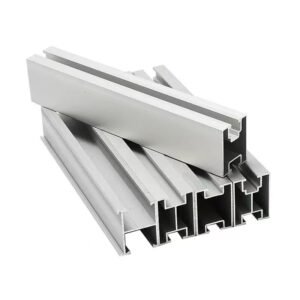
Custom Aluminum Extrusions
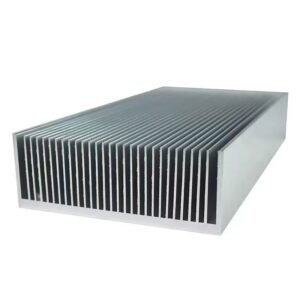
Aluminum Heat Sinks
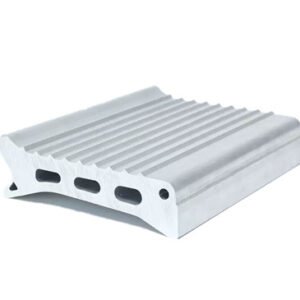
Industrial Aluminum Extrusions
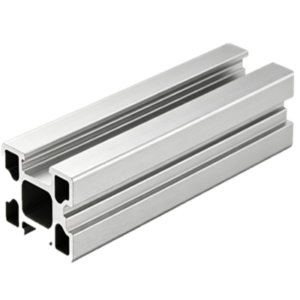
T-Slot Aluminum Extrusions
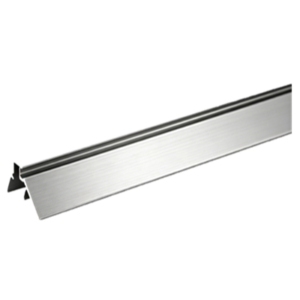
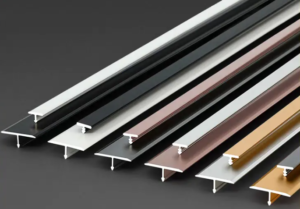
Decorative Aluminum Trim & Led Aluminum Channel Profiles
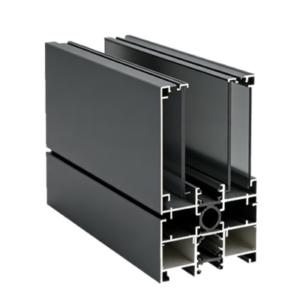
Window & Door Aluminum Profiles
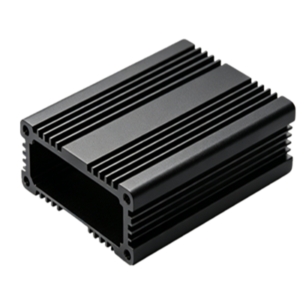
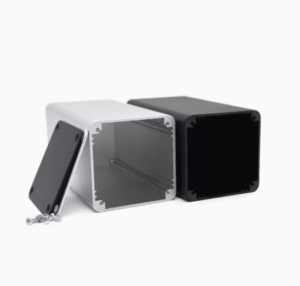
Aluminum Extrusion Enclosures
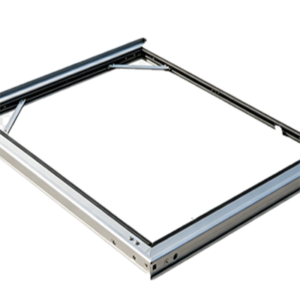
Structural Aluminum Extrusion Framing
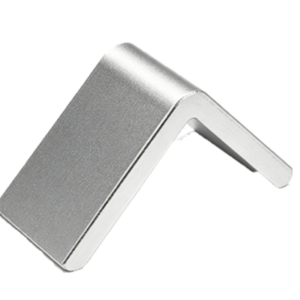
Aluminum Angle Extrusions
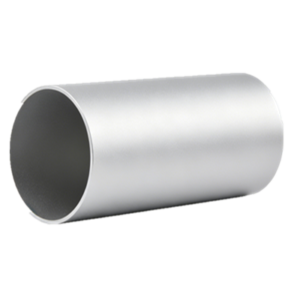
Extruded Aluminum Tubes
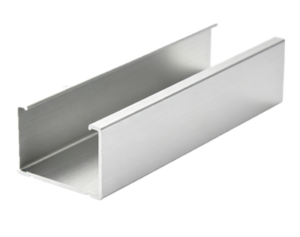
Aluminum U Channel Profiles
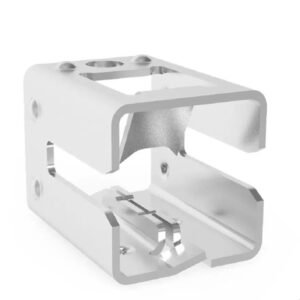
CNC Machined Aluminum Parts
Why Leading Global OEMs Choose Vanway Tech ?
As an established, vertically integrated precision aluminum profile supplier – Vanway Tech bridges the gap between complex engineering requirements and reliable mass production.
- End-to-End Capabilities: In-house die casting, extrusion mold design, 5-axis CNC deep processing (drilling, tapping, milling), surface finishing, and assembly.
- Industry Expertise: Proven track record delivering structural profiles for Tier-1 automotive suppliers, global solar project EPCs, and premier architectural developers.
- Zero-Defect Commitment: Every shipment undergoes multi-stage inspection to ensure exact alignment with your project’s technical specifications.

Got Custom Profile Drawings? Get Your Free DFM Analysis in 24 Hours
Eliminate production delays with instant technical validation. Share your 2D/3D CAD files with us now, and our engineering team will deliver a free, comprehensive feasibility review and precision quote within 24 hours—100% free, with zero commitment required.
Related Articals You May Like
How to make your Aluminum Solar Panel Frame more cost-effective in 2026?
Skived vs. Forged vs. Forged Aluminum Heat Sinks – Sourcing the Right Aluminum Heat Sink
Top-Rated Custom Extruded Aluminum Heat Sink Suppliers in USA & Canada in 2026
How to make your solar module frame aluminum extrusions more cost-effective?
Top 10 Custom PV Module Aluminum Frame Extruders in Gujarat & India (2026)
Aluminum Extrusion Die Cost Breakdown:What Affecting Pricing
How to Evaluate Aluminum Heat Sink Suppliers Reliable Or Not


Contact With Vanway Tech Team for Premium Aluminium Extrusion Products!
Enquire with UsConnect with Vanway Tech Team for Premium Aluminium Extrusion Products.
Contact InfoWe are looking forward to hearing from you!
-
Email: info@vanway-tech.com
-
Address: No. 588, Wuyi South Road, CSJ Moldware Town, Wujin, Changzhou, Jiangsu, China
Scan Below Codes to Contact Us Immediately.