Vanway Precision Materials Tech Co.,Ltd


Standard vs Custom Aluminum Edge Trim: 6 Superior Buying Rules
How to Choose Custom Aluminum Edge Trim? 6 Superior Rules to Balance Tooling Costs & Design
Table of Contents
Choosing between standard and custom aluminum edge trim is not simply a matter of comparing unit prices. A standard profile may save you from paying for new extrusion tooling, but it can also require extra machining, additional brackets, or design compromises. A custom profile requires an upfront tooling investment, yet it may reduce assembly steps and deliver a better fit across repeat production runs.
The best purchasing decision depends on three things: profile geometry, total order volume, and the cost of secondary processing. For small orders with conventional dimensions, start with an existing extrusion for standard aluminum edge trim. For repeat orders that require specific dimensions, integrated fixing features, or a consistent architectural appearance, a custom aluminum trim edging extrusion is often the better long-term investment.
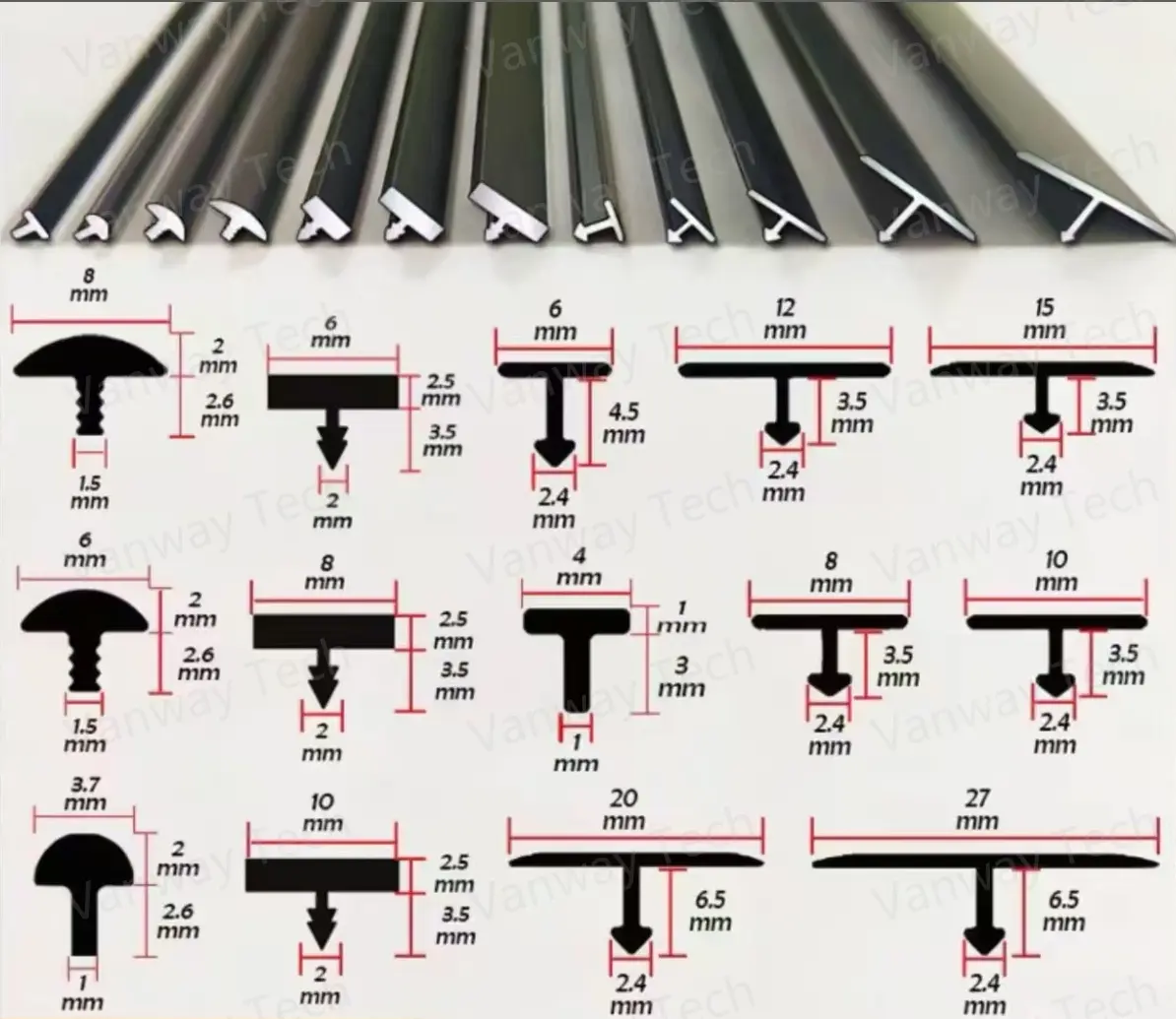
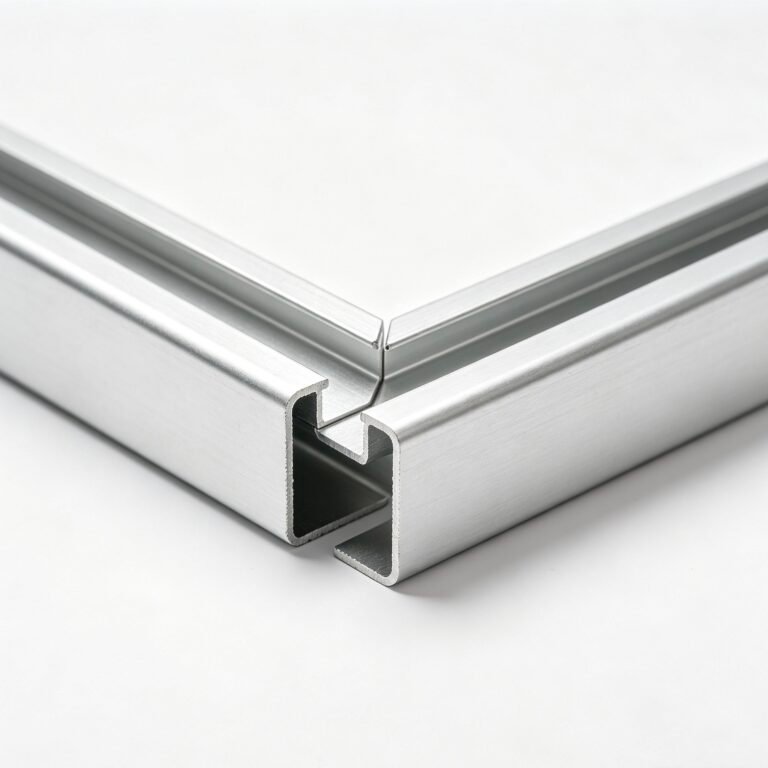
Decorative Aluminum Profiles丨Aluminum Extrusion Trims
This guide explains six practical buying rules for comparing standard and Custom Aluminum Edge Trim. It includes reference dimensions, tooling considerations, cost calculations, material selection, and inspection requirements to help procurement teams make decisions before approving a new extrusion die.
Rule 1: Compare Standard and Custom Aluminum Edge Trim Before Requesting a Quote
The first question is not whether custom Aluminum Edge Trim extrusion is better. It is whether an existing aluminium edge trim profile can meet your actual application requirements.
Standard aluminum profiles are available in common configurations such as L-shaped angles, U-channels, flat bars, and corner sections. They are suitable for many general-purpose edge protection and finishing applications.
However, standard dimensions do not always match the thickness of the panel, the required edge coverage, or the installation method.
Standard Aluminum Edge Trim: When Existing Profiles Are Enough
Choose a standard profile when:
- The panel thickness matches an available channel opening.
- A standard L-shaped or U-shaped section provides sufficient edge coverage.
- No special screw channels, snap-fit structures, or integrated fixing features are required.
- The project uses relatively small quantities.
- Minor cutting or drilling can accommodate the installation requirements.
For example, a buyer needs an aluminum edge profile to cover the exposed edge of a 3 mm aluminum composite panel.
If an existing U-channel has a suitable internal opening, purchasing that profile and cutting it to length may be more economical than developing a new extrusion die.
Custom Aluminum Edge Trim: When a New Profile Makes Sense
Custom extrusion becomes more attractive when the design requires:
- A specific internal opening for a nonstandard panel thickness.
- An extended flange to cover an exposed edge.
- Integrated screw channels or fastening grooves.
- Snap-fit connections or interlocking structures.
- A special corner radius or decorative contour.
- Consistent dimensions across a long production run.
A custom profile can combine several functions into one cross-section. This may eliminate separate brackets, reduce assembly work, and improve installation consistency.
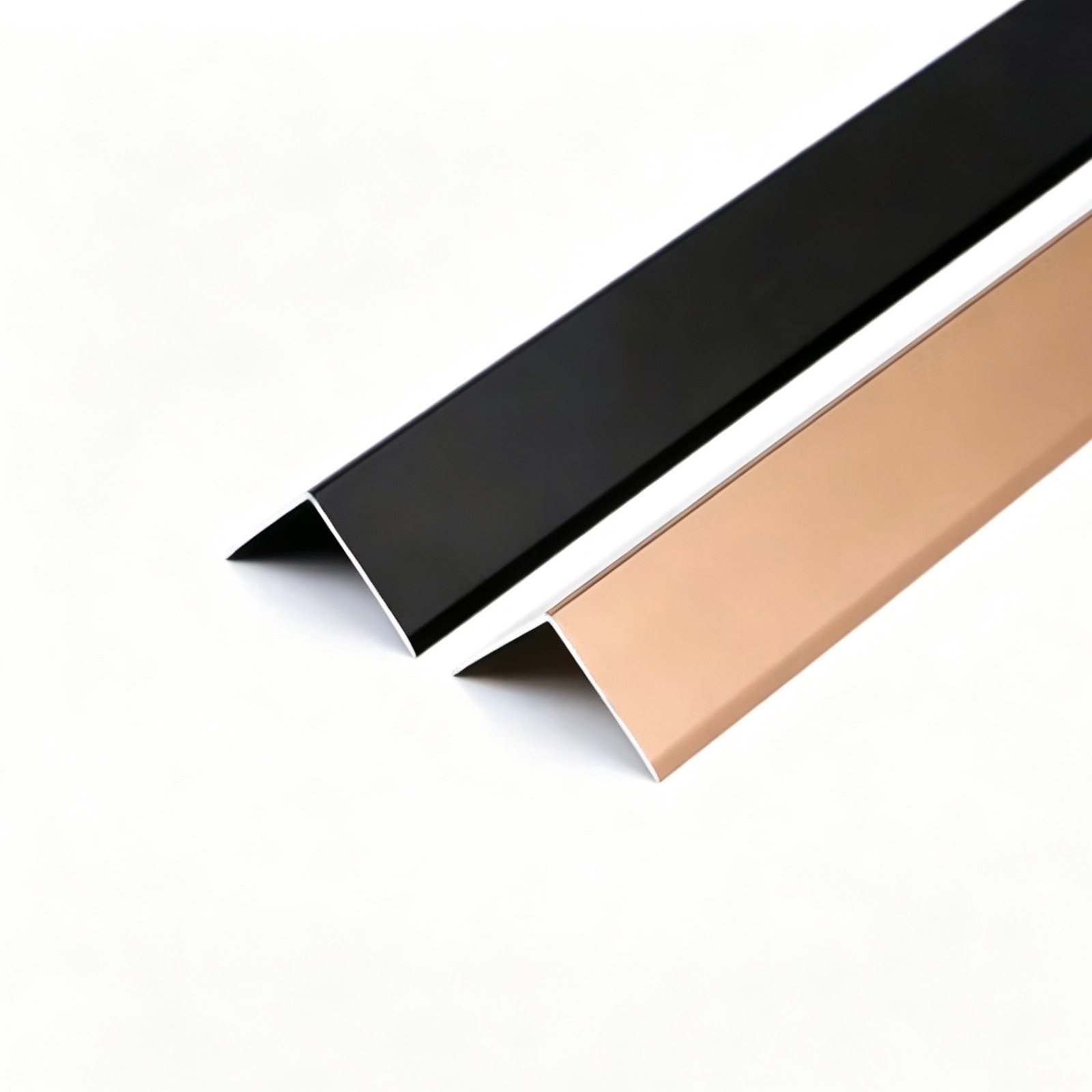
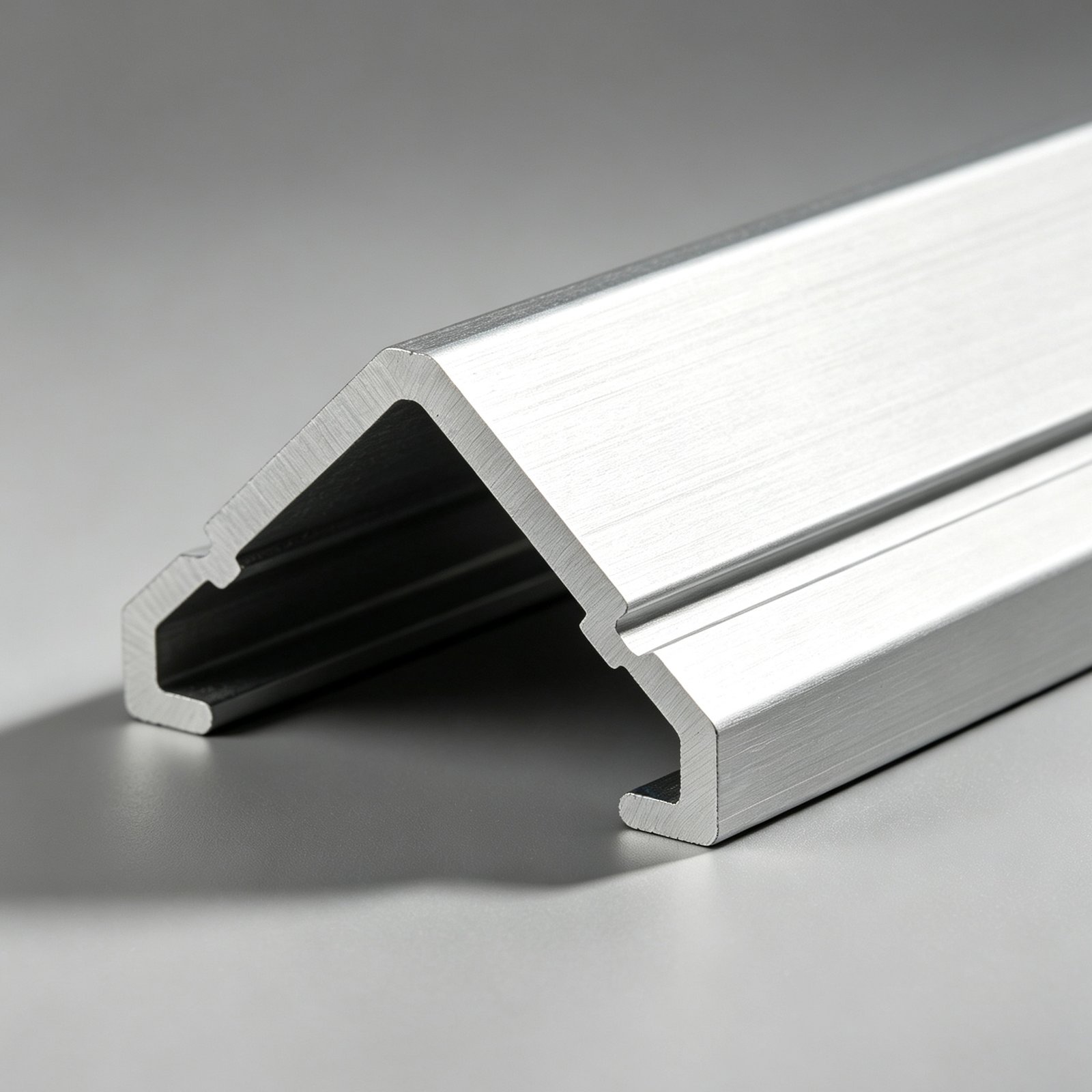
Aluminum Trim Edge vs. Stainless Steel Trim: B2B Material Guide
Standard vs. Custom Aluminum Edge Trim: Buying Comparison
| Purchasing factor | Standard aluminum trim | Custom aluminum trim |
|---|---|---|
| Initial tooling | Existing die may be available | New extrusion die usually required |
| Profile dimensions | Limited to available sizes | Designed around project requirements |
| Design flexibility | Limited | High |
| MOQ | Depends on stock and supplier | Depends on die, production setup, and supplier |
| Secondary machining | May require more adaptation | Can integrate some features into the profile |
| Installation fit | Depends on available dimensions | Can match the specified panel and assembly |
| Development time | Usually shorter | Requires design review and sampling |
| Best application | General-purpose projects | Specialized and repeat-production projects |
Practical buying recommendation: Request quotations for both an existing profile and a custom design before committing to tooling. Compare the complete delivered-part cost rather than comparing the standard profile’s material price with the custom profile’s extrusion price alone.
Rule 2: Check Profile Dimensions, Wall Thickness, and Geometry Before Developing Custom Aluminum Edge Trim
A custom aluminum profile should solve a functional problem, not simply look different.
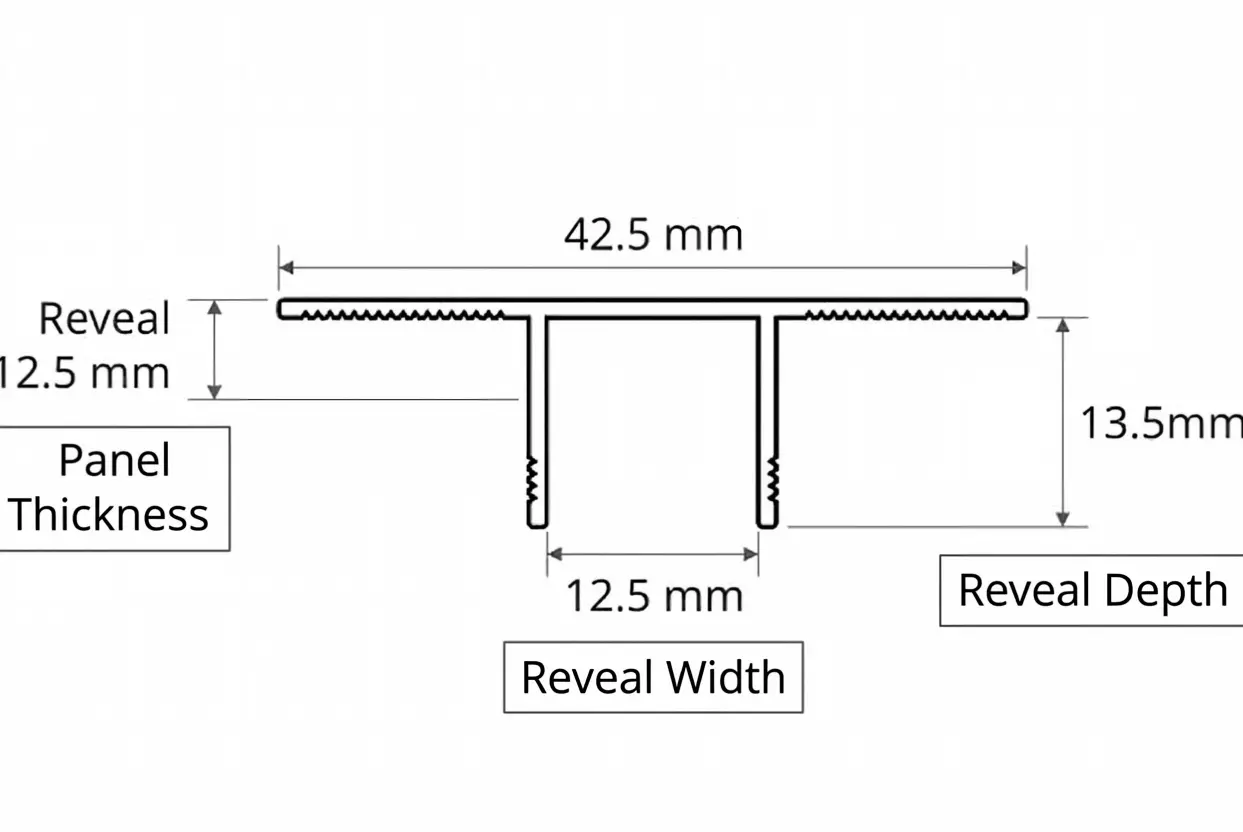
The most important design decision is the cross-section. Small changes to wall thickness, flange length, internal openings, and corner radii can influence die complexity, material consumption, dimensional stability, and manufacturing efficiency.
Match the Aluminum Edge Trim Molding to the Actual Panel Thickness
The internal opening must accommodate the panel and its installation requirements.
For example, a channel designed for a 3 mm panel may not fit a panel with a 3 mm nominal thickness if the actual panel thickness, protective film, adhesive layer, or coating increases the assembled dimension.
Use the following dimensions as preliminary design references, not universal extrusion specifications.
| Design parameter | Reference value | Purchasing consideration |
|---|---|---|
| Panel thickness | 1.5–3.0 mm | Confirm actual panel thickness |
| Internal channel opening | 1.7–3.3 mm | Allow for assembly clearance |
| Profile wall thickness | 1.5–2.0 mm | Starting point for many light-duty trim designs |
| Covering flange | 10–25 mm | Depends on the exposed edge |
| Corner radius | 0.5–1.5 mm | Confirm appearance and extrusion feasibility |
| Standard cut length | 3,000–6,000 mm | Confirm supplier’s production capability |
| Cut-length tolerance | ±0.5–1.0 mm | Specify the agreed cutting process |
These figures are useful for initial RFQ discussions. Final dimensions must be checked against panel tolerances, load conditions, installation clearances, alloy selection, and the extrusion supplier’s capabilities.
Aluminum Extrusion Custom Aluminum Edge Trim – Drywall & Panel Strip 丨Vanway Tech
Design Wall Thickness for Function, Not Appearance Alone
One common mistake is specifying a uniform thick wall throughout the profile without considering where material is actually needed.
A better design places additional material around fastening points and load-bearing sections while avoiding unnecessary thickness in low-stress areas.
Consider this example:
A buyer needs an L-shaped aluminum trim for a 3 mm decorative panel.
- The main visible flange requires a clean, flat appearance.
- The fixing section needs sufficient thickness for drilling.
- The return edge only needs to cover the exposed panel edge.
Instead of specifying 2.5 mm across the entire cross-section, the engineer can discuss a more balanced design with the extrusion supplier.
This can reduce material consumption without sacrificing the function of the profile.
Aluminum Extrusion Divider Reveal Trim – Drywall & Panel Strip 丨Vanway Tech
Use Extrusion-Friendly Geometry to Reduce Die Costs
Before approving the die drawing, review these design details:
| Design feature | Recommended approach | Why it matters |
|---|---|---|
| Wall thickness | Keep adjacent walls reasonably balanced | Helps control metal flow |
| Internal corners | Use practical radii | Reduces sharp die features |
| Deep channels | Avoid unnecessarily deep, narrow openings | Reduces die tongue difficulty |
| Cross-section | Keep the shape compact where possible | Improves press and tooling suitability |
| Symmetry | Avoid unnecessary asymmetrical details | Helps dimensional stability |
| Sharp edges | Add suitable corner radii | Improves extrusion feasibility |
The Australian Aluminium Council’s extrusion manual notes that adjacent wall thickness ratios below approximately 2:1 are generally easier to extrude than sections with large thickness differences. It also explains why sharp transitions and deep channels can create die-design difficulties.
Aluminum Extrusion Die Cost Breakdown:What Affecting Pricing
The purchasing lesson: Ask your supplier to review the cross-section before finalizing the extrusion die. A small geometry adjustment at the drawing stage is usually easier to manage than correcting an unsuitable profile after tooling has been manufactured.
Rule 3: Select the Right Aluminium Edge Trim Alloy and Surface Finish for the Application
A profile that looks attractive in a sample may not perform well in its actual operating environment.
Material selection should consider mechanical requirements, corrosion exposure, fabrication, and surface appearance.
For most decorative and architectural edge trim applications, 6063 aluminum alloy is a practical starting point because of its extrusion characteristics and finishing suitability.
How to Select Architectural Aluminum Divider Reveal Trim: Specs & Finish Guide
6063 vs. 6061: Which Alloy Should You Specify?
| Comparison factor | 6063 aluminum | 6061 aluminum |
|---|---|---|
| Extrusion characteristics | Very good | Generally more challenging |
| Surface appearance | Well suited to decorative finishing | Can show a less uniform anodized appearance |
| Strength | Moderate | Higher |
| Machinability | Good | Very good |
| Anodizing | Common choice for architectural finishes | Possible, but appearance may differ |
| Typical application | Decorative trim, channels, architectural profiles | Structural trim and machined components |
For most decorative aluminum edging, 6063-T5 or 6063-T6 is worth evaluating first.
If the profile must withstand higher mechanical loads or undergo extensive machining, 6061-T6 may be more appropriate.
Do not select an alloy based on strength alone. Confirm the required temper, applicable material standard, and actual mechanical properties in the supplier’s material documentation.
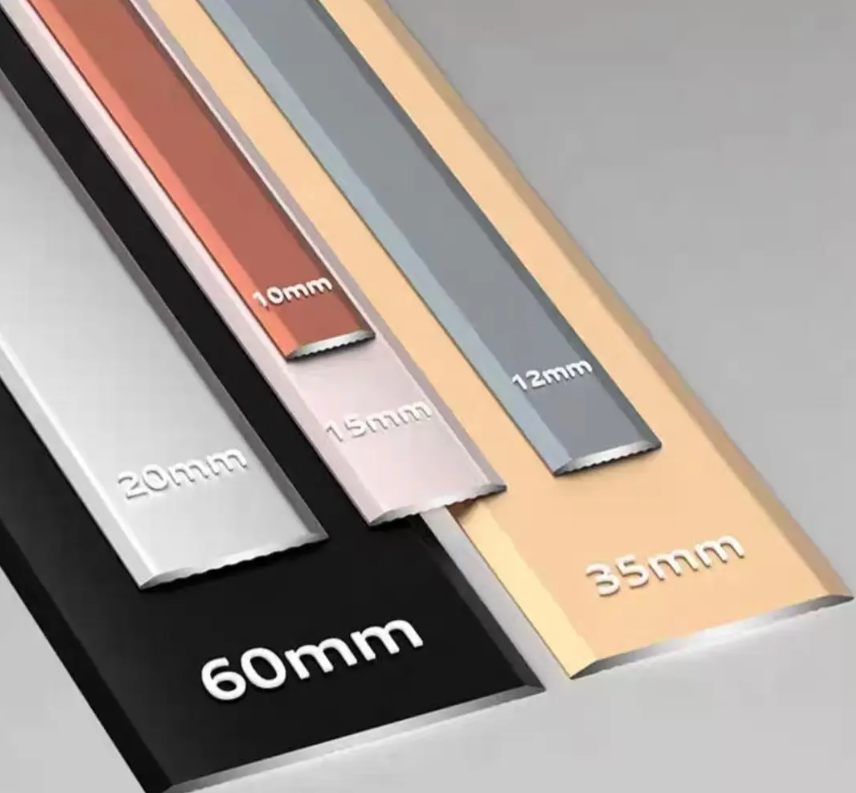
Choose the Surface Finish According to the Installation Environment
| Surface finish | Typical reference thickness | Appearance | Suitable applications |
|---|---|---|---|
| Mill finish | No added coating | Natural aluminum | Hidden or industrial trim |
| Clear anodizing | 10–15 μm | Natural metallic appearance | Interior and architectural trim |
| Colored anodizing | 10–20 μm | Bronze, black, champagne, etc. | Decorative and architectural applications |
| Powder coating | Often 60–100 μm | Wide range of colors and textures | Interior and exterior trim |
| Brushed finish + anodizing | Depends on anodizing specification | Directional metallic texture | Premium visible edges |
The finish affects appearance, corrosion resistance, maintenance, and dimensional fit.
These are indicative finishing ranges, not universal acceptance limits. Specify the actual coating standard, thickness, color, and inspection method in the purchase specification.
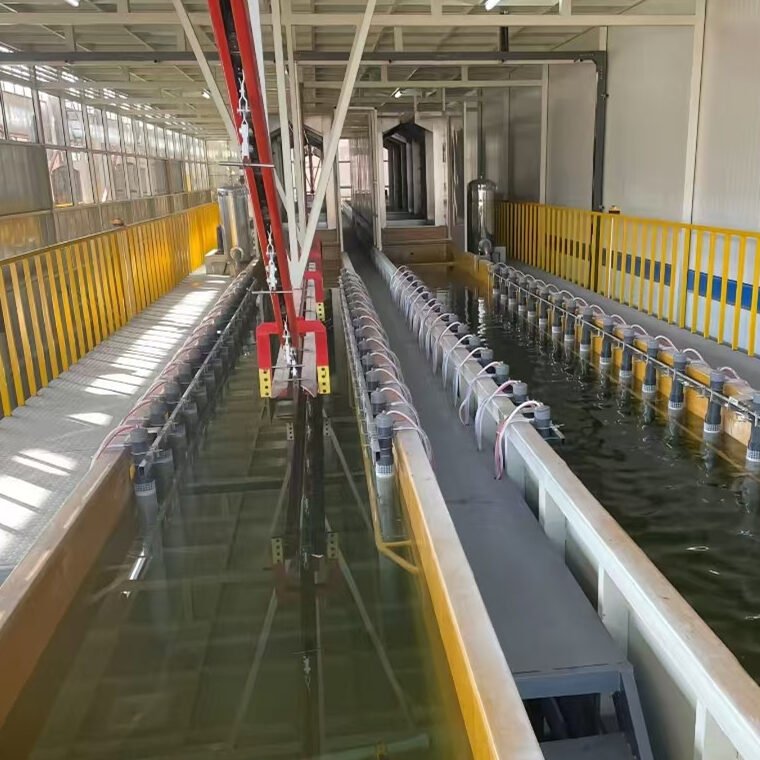
Anodized,PVDF or Powder Coating: Which Aluminum Finish Lasts Longest Near the Sea?
Decorative Aluminum Edging: Check Appearance Before Mass Production
For visible profiles, ask the supplier to confirm:
- Color consistency between production batches.
- Surface scratches, dents, and handling marks.
- Anodizing or powder-coating coverage.
- Visible die lines and extrusion marks.
- Color difference between adjacent profile sections.
- Protection during packaging and transportation.
A useful approach is to identify the critical visible face directly on the 2D drawing.
For example, if the outside flange is visible after installation but the internal channel is hidden, the supplier should understand that the external surface has a higher cosmetic priority.
Also, account for coating thickness when designing narrow slots, snap-fit structures, and mating dimensions. A profile that fits before finishing may become too tight after coating.
Practical recommendation: Approve a finished production sample, not just an unfinished extrusion sample, before releasing a large decorative trim order.
Rule 4: Calculate Custom Aluminum Edge Trim Tooling Costs Before Approving a New Die
Tooling is often the biggest difference between standard and custom aluminum trim.
A standard profile may already have an available extrusion die, while a custom cross-section generally requires new tooling.
However, the cheapest die is not necessarily the best investment. A low-cost design that causes poor dimensional stability, excessive scrap, or repeated machining can become more expensive over time.
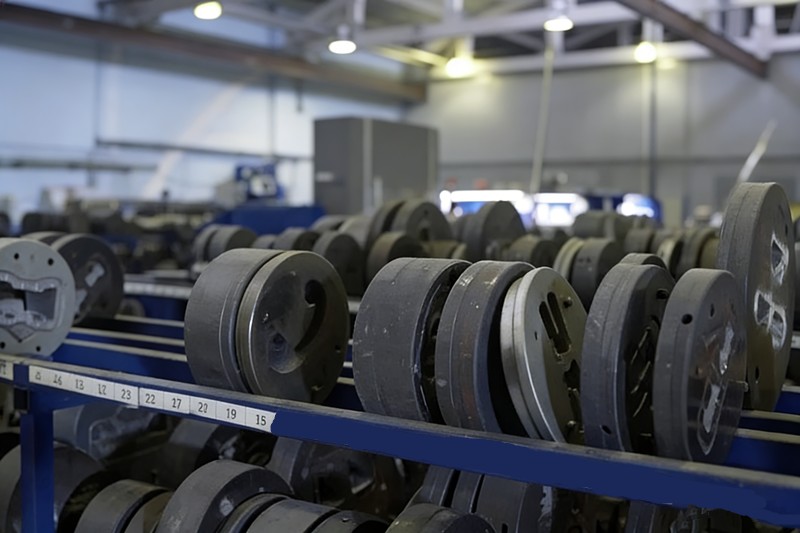
What Determines Aluminum Extrusion Die Costs?
The main cost drivers include:
- Cross-section complexity: Simple solid profiles are generally easier to tool than complex hollow or multi-cavity profiles.
- Profile dimensions: Larger cross-sections may require larger dies and compatible extrusion presses.
- Wall thickness: Very thin walls and large thickness differences can complicate metal flow.
- Internal openings: Deep, narrow channels can create difficult die tongue structures.
- Alloy and production requirements: Different alloys and production conditions influence die design and operating requirements.
- Trial and correction requirements: Initial samples may require adjustments before the profile meets the agreed drawing.
Custom Extrusion Die Budget: Preliminary Purchasing Reference
The following figures are illustrative budgeting allowances for early-stage planning, not verified market quotations or Vanway Tech’s actual tooling prices.
| Profile type | Preliminary die budget | Typical design characteristics |
|---|---|---|
| Simple solid profile | $300–$800 | Basic L-shape, flat bar, simple solid trim |
| Semi-hollow profile | $800–$2,000 | U-channel, partially enclosed sections |
| Complex hollow profile | $2,000–$5,000+ | Multiple cavities, integrated channels, complicated geometry |
Actual quotations may fall outside these ranges depending on supplier location, die material, profile dimensions, press requirements, and tooling ownership arrangements.

Aluminum Extrusion Sourcing: How Mastering MOQ Unlocks 15%+ Procurement Savings
How to Reduce Tooling Costs Without Sacrificing Design?
Consider these six practical measures:
- Reuse an existing profile whenever its main functional dimensions are suitable.
- Simplify unnecessary decorative grooves and internal cavities.
- Keep wall thicknesses reasonably uniform.
- Avoid excessively deep and narrow channels.
- Use machining for isolated precision features instead of making the entire extrusion unnecessarily complex.
- Confirm die ownership, maintenance responsibility, and storage terms before paying the tooling charge.
Example: How to Evaluate the Initial Tooling Investment
Suppose a project requires a custom aluminum trim profile.
| Cost item | Standard profile option | Custom profile option |
|---|---|---|
| Initial tooling | $0 | $1,200 |
| Unit profile cost | $8.00 | $7.00 |
| Secondary processing per unit | $2.00 | $0.50 |
| Total initial order | 500 pcs | 500 pcs |
The total costs are:
Standard profile:
500 × ($8.00 + $2.00) = $5,000
Custom Profile:
$1,200 + (500 × $7.50) = $4,950
In this example, the custom profile costs $4,950 for 500 pieces, which is $50 less than the standard profile option ($5,000).
How to Calculate the Break-Even Quantity
Break-Even Quantity = Tooling Cost ÷ (Standard Unit Cost − Custom Unit Cost)
Using the figures above:
Break-Even Quantity = $1,200 ÷ ($10.00 − $7.50)
Break-Even Quantity = $1,200 ÷ $2.50
Break-Even Quantity = 480 pieces
This means that when the order quantity reaches 480 pieces, the total cost of the standard and custom options is equal. Above 480 pieces, the custom profile becomes more economical under these assumptions.
Note: All figures are hypothetical examples for explaining the calculation, not actual supplier quotations.
The key takeaway is that the custom profile becomes more cost-effective because its lower secondary-processing cost offsets the initial extrusion die investment.
Rule 5: Compare Aluminum Trim Edging by Total Cost, Order Quantity, and Production Efficiency
A low unit price does not automatically mean a low purchasing cost.
Procurement teams should evaluate the full cost of receiving, processing, assembling, and maintaining the finished trim.
Use Total Cost of Ownership Instead of Unit Price Alone
A practical purchasing formula is:
Total Project Cost = Tooling Cost + (Unit Manufacturing Cost × Order Quantity) + Secondary Processing + Finishing + Packaging + Logistics
For standard and custom aluminum trim, the following costs deserve particular attention:
| Cost category | Standard profile | Custom profile |
|---|---|---|
| Die investment | Usually avoided if an existing die is usable | Initial investment required |
| Material cost | Depends on available profile weight | Can optimize cross-section weight |
| Cutting | May require additional adaptation | Can be specified around project length |
| CNC machining | May require more modifications | Can integrate selected design features |
| Assembly | May need extra brackets or fasteners | May reduce separate components |
| Surface treatment | Depends on stock availability | Can be specified for the final design |
| Inventory | More flexible when standard stock is available | May require dedicated production planning |
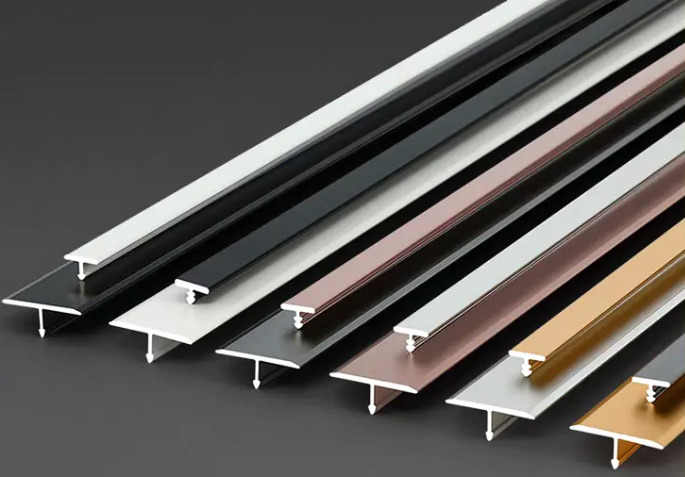
Custom Decorative Aluminum Profiles & Extrusion Trims: Ultimate B2B Sourcing Guide
Example: When Does Custom Extrusion Become More Economical?
Consider two purchasing scenarios using the same hypothetical cost assumptions.
| Item | Standard profile | Custom profile |
|---|---|---|
| Tooling cost | $0 | $1,200 |
| Profile cost per piece | $8.00 | $7.00 |
| Secondary processing | $2.00 | $0.50 |
| Finished unit cost before tooling | $10.00 | $7.50 |
The results at different order quantities are:
| Order quantity | Standard total | Custom total | Lower-cost option |
|---|---|---|---|
| 100 pcs | $1,000 | $1,950 | Standard |
| 300 pcs | $3,000 | $3,450 | Standard |
| 500 pcs | $5,000 | $4,950 | Custom |
| 1,000 pcs | $10,000 | $8,700 | Custom |
| 2,000 pcs | $20,000 | $16,200 | Custom |
The calculation shows that custom extrusion becomes more attractive once the order quantity exceeds 480 pieces under these assumptions.
However, this is not a universal MOQ or break-even threshold. Every project has different material, machining, finishing, and tooling costs.
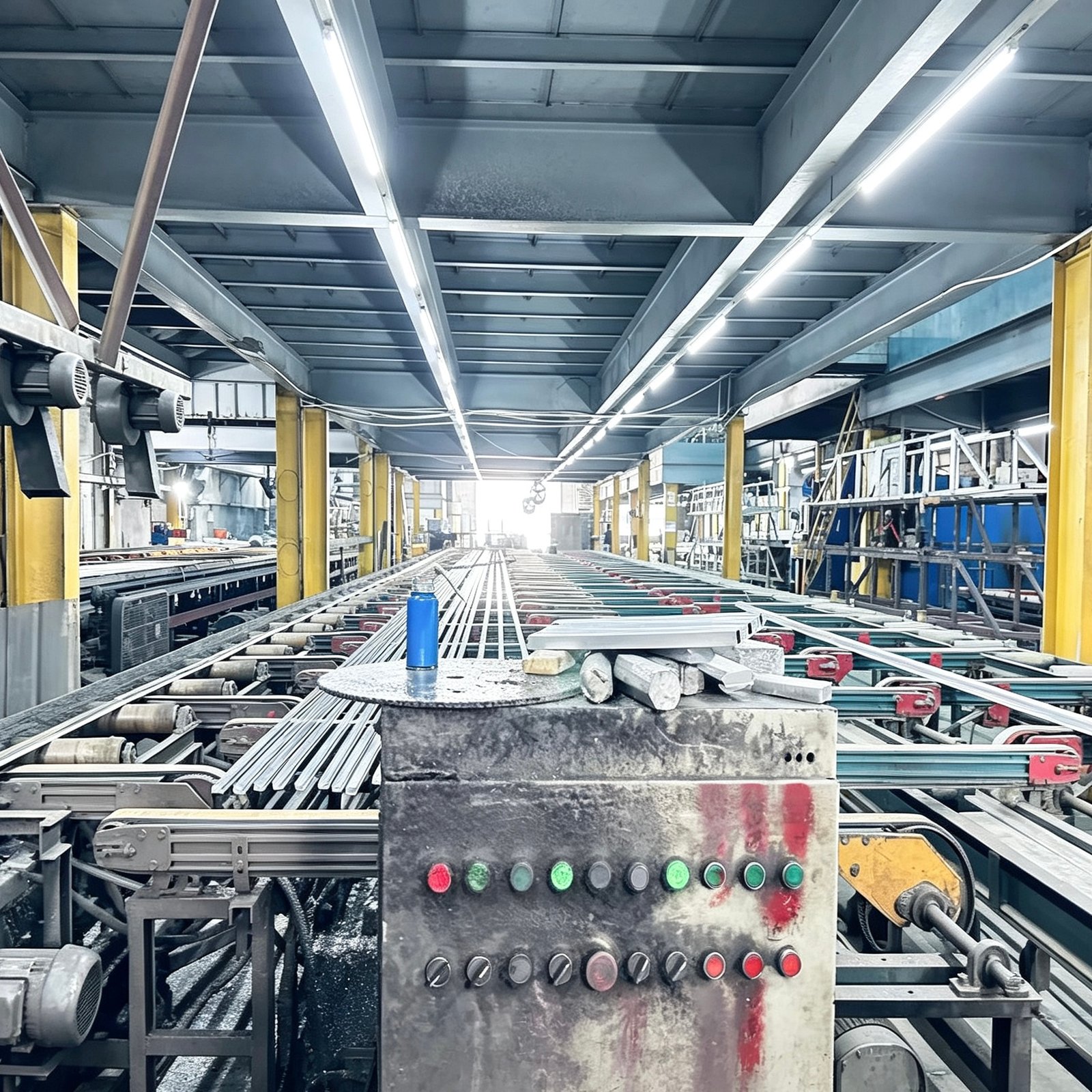
How to Calculate Aluminum Profile Cost: Estimate Aluminum Extrusion Price
Consider Annual Demand, Not Just the First Purchase Order
A common procurement mistake is evaluating tooling based only on the first order.
For example:
- Initial order: 300 pieces.
- Second order: 400 pieces.
- Third order: 500 pieces.
- Total annual demand: 1,200 pieces.
Although the first order may not justify a custom die, the annual demand may make the investment worthwhile.
Ask your supplier to quote both the initial production quantity and the forecast annual volume.
Also confirm whether the die can be used for future orders, whether maintenance is included, and whether the tooling remains available if the project is temporarily paused.
Purchasing rule: Use the total expected production volume over the agreed tooling-use period to evaluate the investment. Do not make a tooling decision based solely on the first batch.
Rule 6: Verify Aluminum Trim Quality, Tolerances, and Supplier Manufacturing Capabilities
A well-designed drawing does not guarantee a reliable finished product.
Before placing a production order, confirm that the supplier can manufacture the profile, control the critical dimensions, apply the specified finish, and maintain consistency across batches.
Specify Critical Tolerances for Aluminum Edge Trim
Not every dimension needs the same precision.
For example, the internal opening of a U-shaped trim directly affects panel installation. Its dimensional control is more important than an external decorative groove that does not affect assembly.
A practical preliminary tolerance plan could look like this:
| Feature | Example requirement | Inspection method |
|---|---|---|
| Overall profile width | Drawing-specific | Caliper |
| Internal channel opening | Drawing-specific | Caliper or gauge |
| Wall thickness | Drawing-specific | Micrometer |
| Cut length | ±0.5 mm | Length gauge |
| CNC-machined hole position | ±0.05 mm where justified | CMM or inspection fixture |
| Straightness | Drawing-specific | Straightedge and feeler gauge |
| Surface coating thickness | Per agreed specification | Coating thickness gauge |
These values are suggested project requirements, not automatic extrusion tolerances.
For cross-sectional dimensions, straightness, twist, and flatness, agree on the applicable extrusion tolerance standard and its specific limits. Machined dimensions should be controlled separately from as-extruded dimensions.
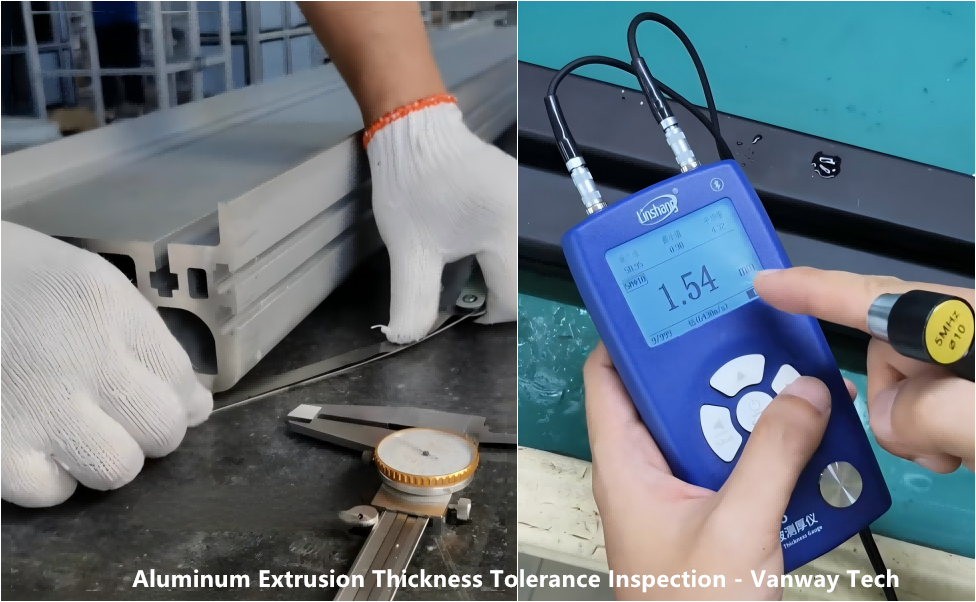
How to Remotely Evaluate Custom Aluminum Extrusion Supplier: Mold Tolerance & MOQ
What to Check When Evaluating an Aluminum Extrusion Supplier?
| Supplier capability | What buyers should verify |
|---|---|
| Extrusion equipment | Press capacity suitable for the profile |
| Die development | In-house or controlled tooling support |
| Alloy availability | 6063, 6061, and other required grades |
| CNC machining | Hole drilling, milling, tapping, and cutting |
| Surface finishing | Anodizing, powder coating, brushing, and polishing |
| Quality management | Inspection procedures and traceable records |
| Sampling | First-article samples and dimensional reports |
| Production planning | Repeat-order capacity and lead-time control |

Cheap Aluminum Extrusions from China?China vs. Local Aluminum Extrusion Suppliers
Follow a Practical Inspection Process of Custom Aluminum Edge Trim
A reliable inspection process should include four stages.
1. Incoming Material Inspection
Verify:
- Alloy and temper.
- Material certificate or test documentation.
- Batch identification.
- Profile dimensions against the approved drawing.
2. First Article Inspection (FAI)
Check the first production samples before releasing mass production.
Measure critical dimensions, verify the fit with the mating panel, and review the surface finish.
3. In-Process Inspection
Monitor cutting length, machining positions, surface treatment, and visible defects during production.
4. Final Inspection
Confirm that the finished products meet the approved drawing and purchase specifications.
Review packaging as well. Long aluminum trims can be scratched, bent, or damaged during transportation if they are not properly protected.
Frequently Asked Questions About Buying Custom Aluminum Edge Trims
Q1: Is custom aluminum edge trim more expensive than standard aluminum trim?
A: Not always. Custom trim requires an initial extrusion die investment, while standard trim may use existing tooling. However, custom profiles can reduce machining, assembly, and material costs. The better option depends on the total production quantity and finished-part cost.
Q2. What is the minimum order quantity for custom aluminum edge trim?
A: There is no universal MOQ. It depends on the extrusion supplier, profile complexity, alloy, production setup, and finishing requirements. Buyers should request quotations for several quantities, such as 100, 300, 500, and 1,000 pieces, to understand the cost structure.
Q3. How much does a custom aluminum extrusion die cost for aluminum edge trim molding?
A: A preliminary budgeting allowance may range from $300–$800 for simple solid profiles, $800–$2,000 for semi-hollow designs, and $2,000–$5,000 or more for complex hollow profiles. These are planning estimates only. Actual costs require a review of the cross-section and production requirements.
Q4. Which aluminum alloy is best for decorative aluminum trim edging?
A: 6063-T5 and 6063-T6 are common starting choices for decorative profiles because of their extrusion and finishing characteristics. For applications requiring higher mechanical strength or extensive machining, 6061-T6 may be more suitable.
Q5. Can aluminium edge trim be customized to fit different panel thicknesses?
A: Yes. A custom extrusion can be designed around the actual panel thickness and installation clearance. Buyers should provide the measured panel dimensions, including any coatings or adhesive layers that affect the final assembled thickness.
Q6. Which surface finish is best for aluminum trim edging?
A: Anodizing is a good option for a metallic appearance and durable surface, while powder coating provides more flexibility in color and texture. The choice depends on the installation environment, appearance requirements, and maintenance expectations.
Q7. Can standard aluminum edge trim be CNC machined instead of developing a new extrusion die?
A: Yes. If an existing profile is close to the required dimensions, CNC milling, drilling, cutting, or tapping may be sufficient. Compare the additional machining cost per piece with the one-time custom die investment before making the decision.
Q8. What information should I provide when requesting a custom aluminum edge trim quotation?
A: Prepare the following information:
* 2D engineering drawing or 3D CAD file.
* Required alloy and temper.
* Panel thickness and installation dimensions.
* Profile wall thickness and critical tolerances.
* Surface finish and color requirements.
* Cutting length and machining details.
* Initial order quantity and estimated annual demand.
* Packaging and delivery requirements.
Providing complete information helps the manufacturer assess die feasibility, recommend profile improvements, and prepare a more accurate quotation.
Choose the Aluminum Trim That Delivers the Lowest Total Project Cost
Standard aluminum edge trim is the sensible choice when an existing profile meets your dimensional and functional requirements. It avoids unnecessary tooling investment and is often more practical for smaller projects.
Custom Aluminum Edge Trim is the stronger option when your design requires a specific cross-section, integrated fixing features, improved assembly efficiency, or repeat production at a volume that justifies the die cost.
Before making the final decision, compare three things: the initial tooling investment, the finished cost per piece, and the expected lifetime production quantity.
Vanway-Tech丨 Premium Quality Decorative Custom Aluminum Edge Trim Profiles Manufacturer From China Since 2015

Vanway Tech can review profile drawings before tooling to identify potential extrusion, finishing, machining, and installation issues.
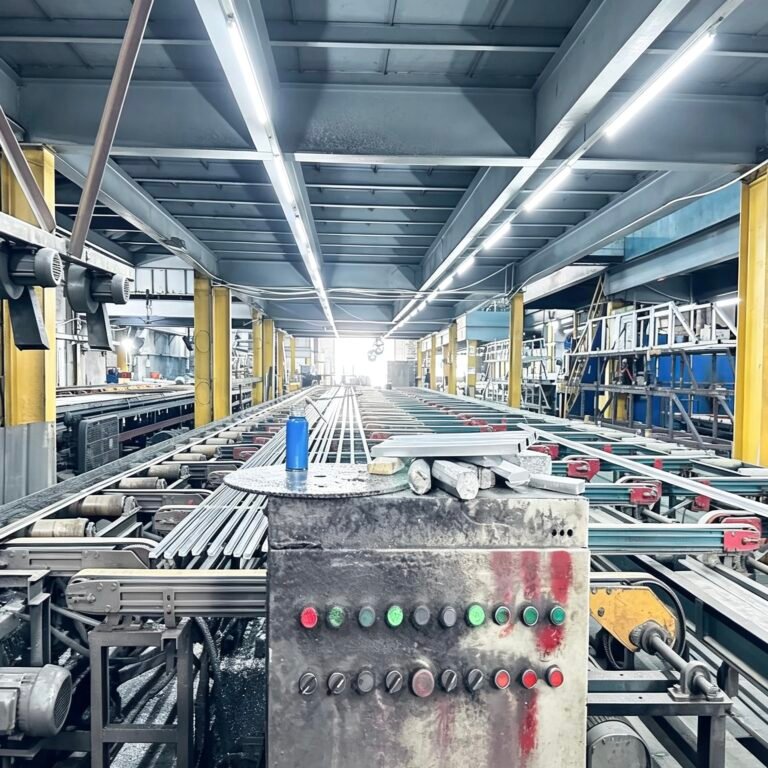
We manufacture custom aluminum extrusion profiles for architectural, interior, furniture, lighting and industrial applications, from profile design and extrusion tooling to surface finishing and secondary fabrication.
| Manufacturing Capability | Vanway Tech |
|---|---|
| Established | 2015 |
| Aluminum Alloys | 6063 / 6061 / 6005A* |
| Temper | T5 / T6* |
| Surface Finishes | Anodizing / Powder Coating / Brushing* |
| Secondary Processing | Cutting / CNC / Drilling / Punching* |
| Custom Tooling | Available + Effective |
Have a Custom Aluminum Profile Drawing?
Send us your CAD drawing, PDF or sample. Our engineers can review the profile geometry, wall thickness, alloy, finish and secondary operations before quotation.
How Vanway Tech Supports Custom Aluminum Edge Trim Projects?
At Vanway Tech, custom aluminum extrusion projects can be developed around the customer’s drawings, application requirements, and production quantities.
Our manufacturing capabilities include:
- 500T–5500T extrusion lines.
- Aluminum alloys from the 1000 to 7000 series, including 6063 and 6061.
- Custom extrusion die development.
- CNC machining, drilling, milling, and cutting.
- Anodizing, powder coating, and other finishing options.
- Cutting capabilities up to 12 m.
- Quality inspection throughout production.
For buyers developing custom aluminum edge trim, the most useful starting point is a 2D drawing or 3D CAD file. Include the panel thickness, required flange dimensions, installation method, alloy, finish, and estimated order quantity.
This allows the engineering and quotation teams to evaluate whether an existing profile can be adapted or whether a new extrusion die is justified.
Final purchasing recommendation: Do not approve a custom die until the supplier has reviewed the cross-section, confirmed the critical dimensions, estimated the complete manufacturing cost, and agreed on a sample inspection plan.
A good extrusion design should not simply look right on a CAD drawing. It should be practical to manufacture, easy to install, consistent in appearance, and economical to purchase over the life of the project.
Need a custom aluminum edge trim solution? Send Vanway Tech your drawing, required alloy, surface finish, and estimated order quantity. Our team can help evaluate the extrusion design and recommend a suitable manufacturing approach.

CHOOSE THE BEFITTING ALUMINUM EXTRUSIONS
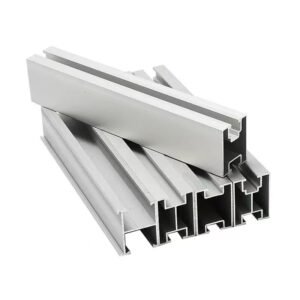
Custom Aluminum Extrusions
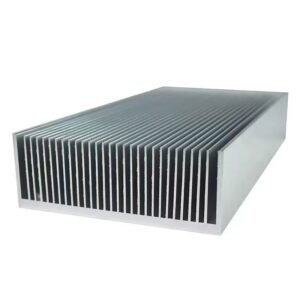
Aluminum Heat Sinks
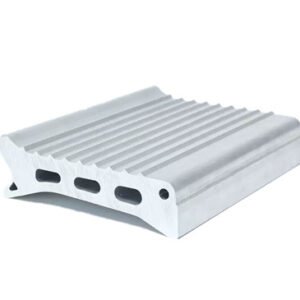
Industrial Aluminum Extrusions
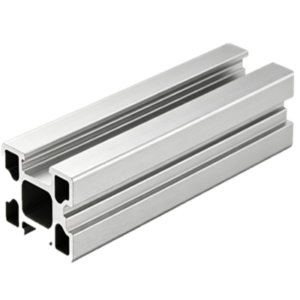
T-Slot Aluminum Extrusions
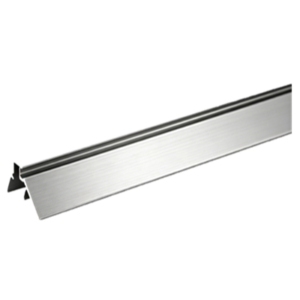
Decorative Aluminum Trim & Led Aluminum Channel Profiles
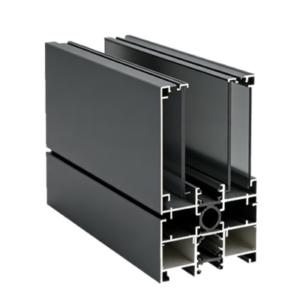
Window & Door Aluminum Profiles
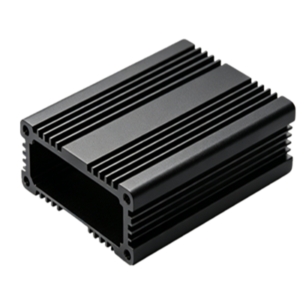
Aluminum Extrusion Enclosures
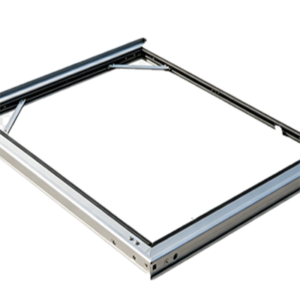
Structural Aluminum Extrusion Framing
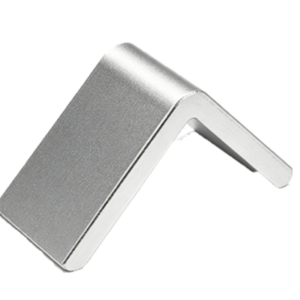
Aluminum Angle Extrusions
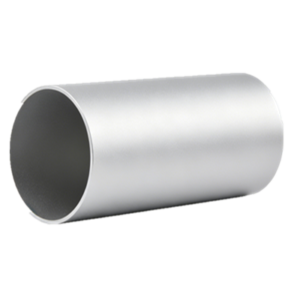
Extruded Aluminum Tubes
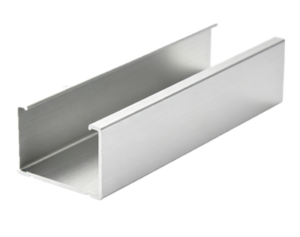
Aluminum U Channel Profiles
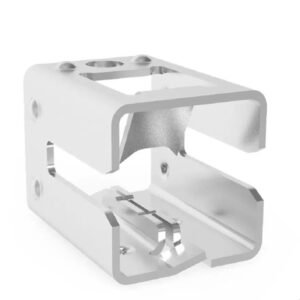
CNC Machined Aluminum Parts
Related Posts Regarding of Aluminium Edge Trim You May Interested In:


Contact With Vanway Tech Team for Premium Aluminium Extrusion Products!
Enquire with UsConnect with Vanway Tech Team for Premium Aluminium Extrusion Products.
Contact InfoWe are looking forward to hearing from you!
-
Email: info@vanway-tech.com
-
Address: No. 588, Wuyi South Road, CSJ Moldware Town, Wujin, Changzhou, Jiangsu, China
Scan Below Codes to Contact Us Immediately.