Vanway Precision Materials Tech Co.,Ltd


Aluminum Edge Trim Molding: 5 Smart Bulk Packaging & Storing Rules
How to Prevent Corrosion & Damage During Storage/Freight of Bulk Aluminum Edge Trim Molding?
Table of Contents
Bulk aluminum profiles rarely arrive damaged because of one major mistake. More often, the problem starts with a wet storage floor, profiles stacked without separators, loose packaging, or condensation inside a shipping container. By the time the shipment reaches the buyer, the damage may include white oxidation marks, scratches, bent edges, crushed corners, and profiles that no longer fit during installation.
The most effective solution is to control five stages: surface protection, individual profile separation, warehouse storage, container loading, and incoming inspection. For bulk orders, buyers should specify these requirements before production is completed, not after the goods have been packed.
This guide provides practical aluminum extrusion storage guidelines, packaging specifications, stacking recommendations, and freight inspection procedures. It also explains what buyers should expect from bulk aluminum trim suppliers and an aluminum edge trim manufacturer when ordering Aluminum Edge Trim Molding, wholesale aluminum edge trim, or custom extruded aluminum edge trim.
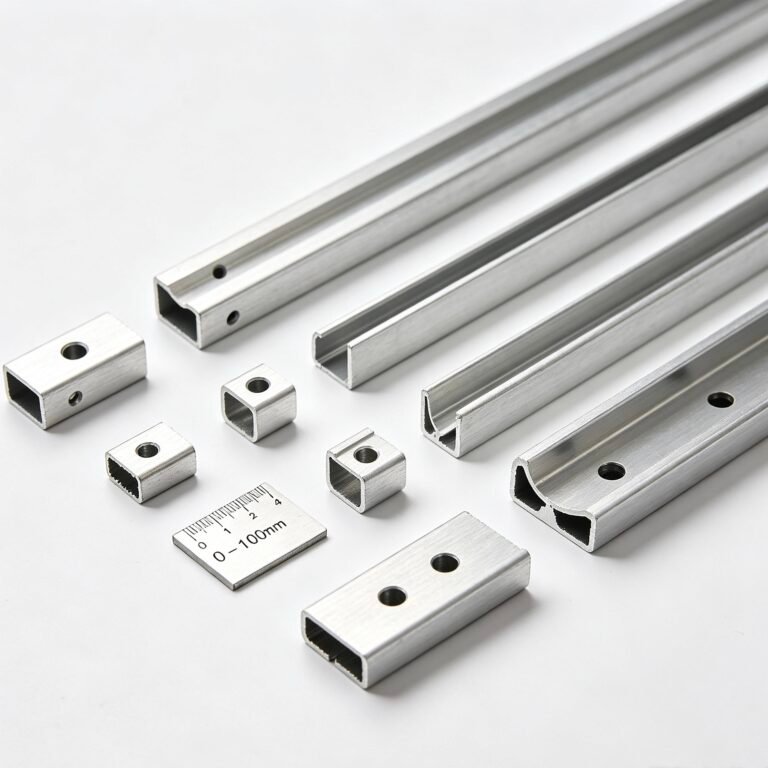
Aluminum Edge Trims Suppliers: 6 Smart Overseas Sourcing Tips
The key rule is straightforward: keep aluminum profiles dry, separated, supported along their length, protected from abrasive contact, and traceable by batch. Good packaging is not simply about making a shipment look neat. It must prevent measurable damage during handling, storage, and transportation.
1. Protect Aluminum Edge Trim Molding Before Bulk Packaging
The first protection step happens before the profiles enter cartons or wooden crates. Once aluminum surfaces are packed together, friction, trapped moisture, and pressure can create defects that are difficult to identify until unpacking.
For Aluminum Edge Trim Molding, the packaging process should protect three areas: the visible surface, the profile edges, and the profile geometry. A decorative trim with a narrow exposed face needs different contact protection from a heavy industrial extrusion.
Identify the Main Risks Before Choosing Packaging
| Damage type | Typical cause | Visible result | Prevention method |
|---|---|---|---|
| White oxidation or water staining | Trapped moisture and condensation | White spots or powdery marks | Dry packing and moisture control |
| Surface scratches | Direct profile-to-profile contact | Linear marks and damaged finish | Individual separators and protective film |
| Edge deformation | Impact during handling | Bent lips, corners, or retaining edges | End caps and corner protection |
| Profile bending | Unsupported long sections | Curved or twisted profiles | Full-length support and controlled stacking |
| Coating damage | Abrasion or unsuitable packaging contact | Peeling, scuffing, or exposed substrate | Compatible protective materials |
| Batch mixing | Poor labeling and warehouse handling | Incorrect profile or finish supplied | Batch identification and package labels |
Aluminum naturally forms a thin oxide layer, but this does not make finished profiles immune to moisture-related staining. When water remains trapped between tightly packed surfaces, especially in humid conditions, white corrosion products can develop.
The risk is particularly important for anodized and polished aluminum trims and moldings, where even small surface marks may be visible after installation.
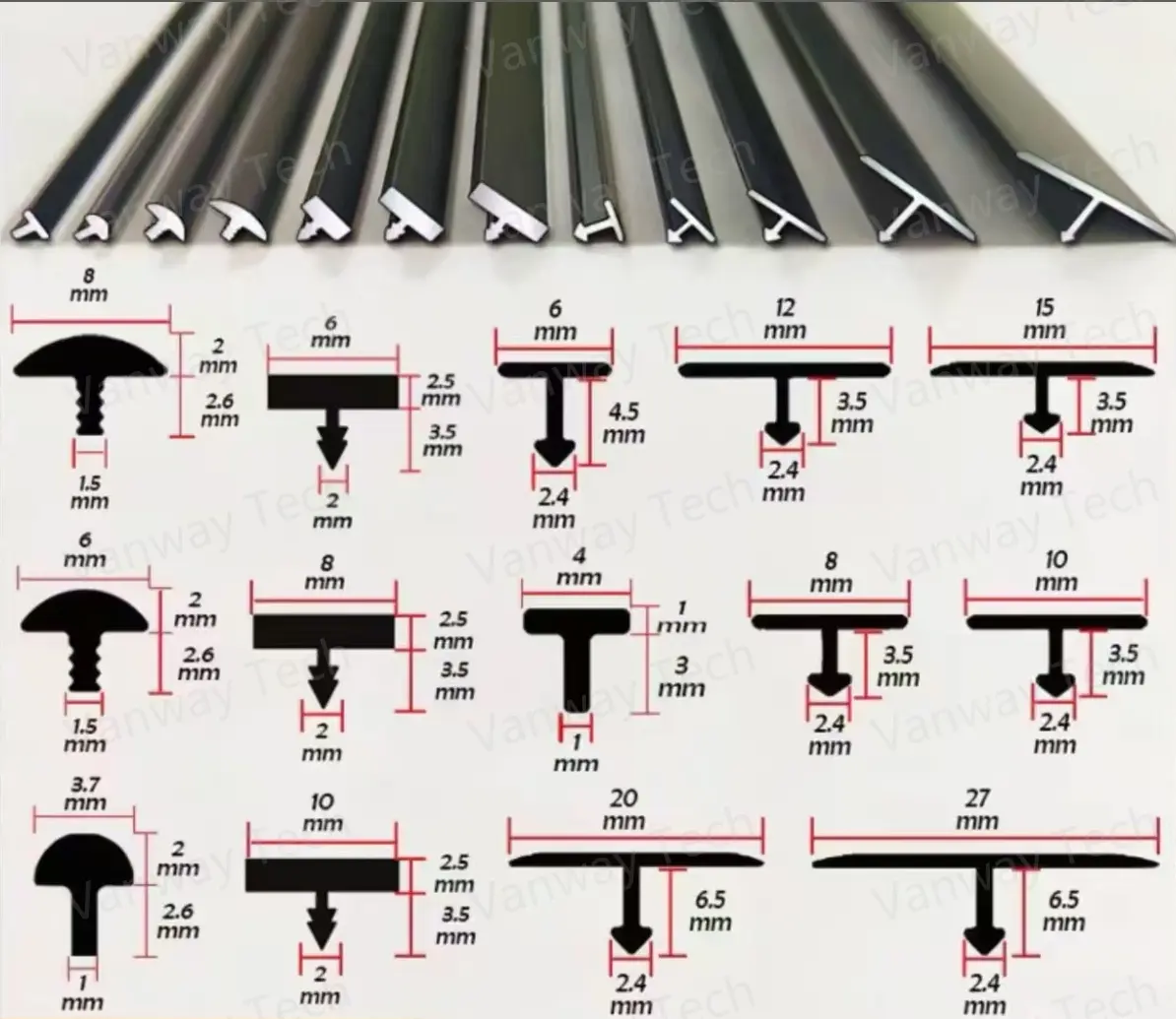
Global Shipping: 4 Key Practices for Aluminum Extrusion Profiles Export Packaging of Vanway Tech
Choose Packaging Materials for the Profile Shape
Do not use one packaging method for every profile. A flat trim, a hollow extrusion, and a t molding aluminum trim have different contact points and deformation risks.
| Profile type | Recommended protection | Main purpose |
|---|---|---|
| Flat decorative trim | Protective film plus soft separators | Prevent face scratches |
| Anodized edge profile | Non-abrasive interleaving material | Protect the finished surface |
| Hollow extrusion | End protection and internal support where needed | Reduce edge damage and crushing |
| T molding aluminum trim | Protective film and profile-shaped separators | Protect the T-head and narrow stem |
| Long architectural profile | Full-length support with reinforced outer packaging | Reduce bending during handling |
| Custom machined profile | Dedicated separators around machined areas | Protect holes, slots, and precision surfaces |
For a t molding aluminum trim, the T-shaped head is often more vulnerable than the main body. If several profiles are packed together without separators, the edges can press against each other and damage the visible surface.

Aluminum Edge Trim Molding – Packing by Vanway Tech
Protective Film and Separator Specifications
A practical packaging specification for finished profiles can use the following starting values:
| Packaging item | Suggested specification | Inspection point |
|---|---|---|
| Protective film | Approximately 40–80 µm | Film adheres without leaving residue |
| Foam separator | Approximately 2–5 mm | No direct metal-to-metal contact |
| Edge protection | Approximately 3–5 mm protective thickness | Corners and exposed lips covered |
| Outer carton | Approximately 5-ply corrugated board | No crushing or moisture damage |
| Wooden crate | Designed for actual shipment weight | No loose boards or exposed nails |
| Moisture barrier | Sealed PE barrier where required | No holes or open seams |
These are suggested purchasing specifications, not universal packaging standards. The correct packaging must also support the profile weight, length, surface finish, and handling method.
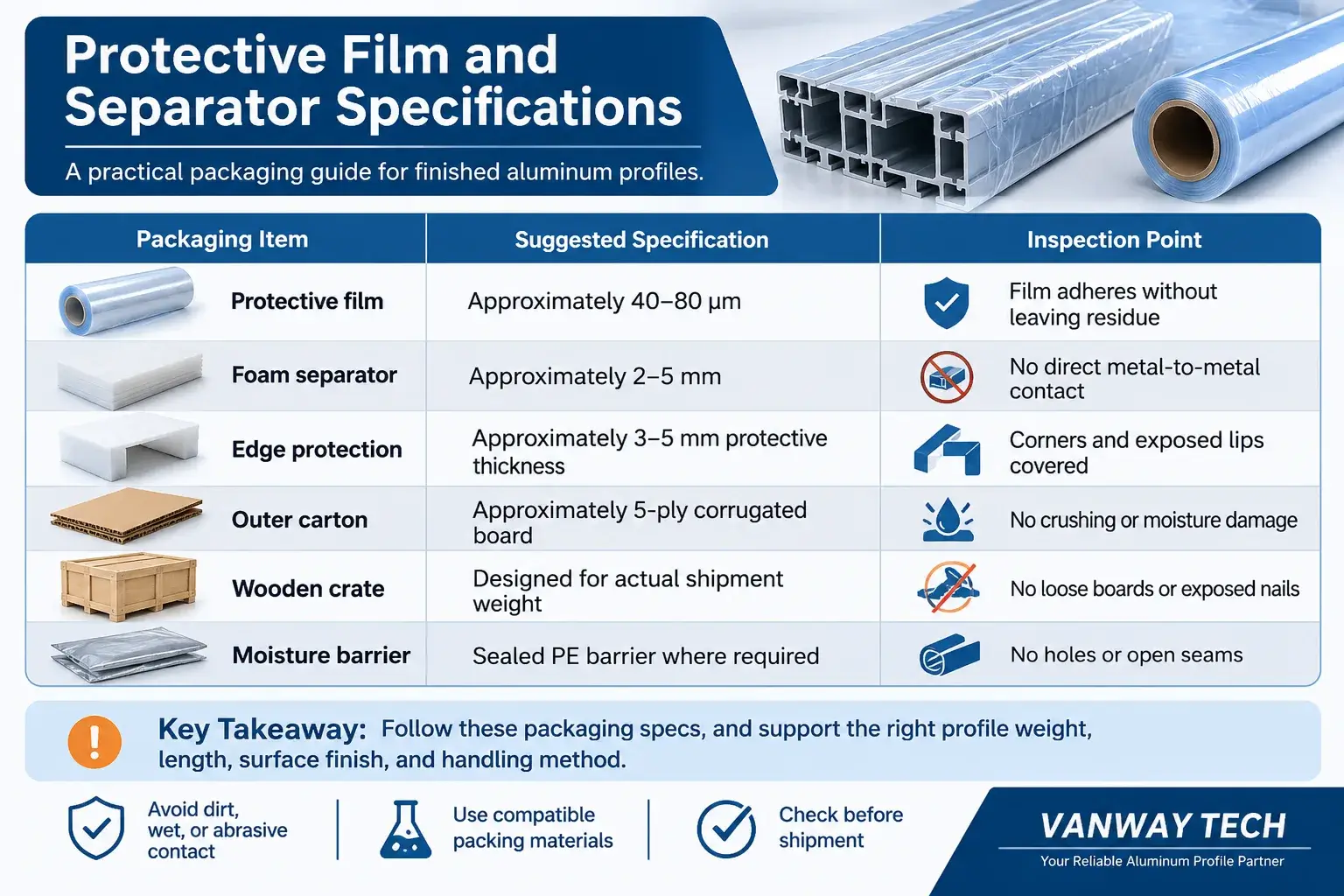
Avoid using dirty, wet, abrasive, or chemically incompatible packing materials. Before approving a packaging material, check that it does not leave adhesive residue, transfer color, or damage the coating.
Set a Clear Packaging Rule for Bulk Orders
A buyer should be able to inspect a sample package before approving the full shipment. Ask the supplier to pack several finished profiles using the proposed production method and then inspect the package after handling.
For wholesale aluminum edge trim, the approved packaging sample should show:
- The protective material used on every exposed face.
- The position of separators between profiles.
- The method used to protect profile ends.
- The outer carton or crate construction.
- The package label and batch identification.
- The maximum number of profiles in one package.
A good packaging instruction is specific: “No direct contact between finished aluminum surfaces. Protect both ends and support the full profile length.” This is more useful than simply writing “pack carefully” on a purchase order.
2. Follow Aluminum Extrusion Storage Guidelines to Prevent Corrosion
Packaging cannot compensate for poor warehouse conditions. Even correctly protected profiles can develop water stains or surface defects if they are stored in a damp warehouse or unpacked while condensation is present.
The most important aluminum extrusion storage guidelines are simple: keep profiles dry, keep them off the floor, prevent direct contact with wet materials, and avoid sudden temperature changes that cause condensation.
Control Warehouse Temperature, Humidity, and Airflow
For general indoor storage, use the following operational targets as a starting point:
| Storage factor | Suggested control target | Reason |
|---|---|---|
| Relative humidity | Preferably 40–60% RH | Reduces moisture exposure |
| Floor clearance | At least 100 mm | Keeps packages away from floor moisture |
| Wall clearance | Around 150 mm | Allows inspection and airflow |
| Storage area | Dry, covered, and ventilated | Prevents rain and water exposure |
| Package condition | Dry and intact | Prevents moisture entering the bundle |
| Storage inspection | Weekly visual inspection | Identifies leaks and condensation early |
These values are recommended warehouse controls for routine storage, not fixed requirements for every alloy or packaging system. A warehouse should also monitor actual conditions with a calibrated hygrometer or data logger.
Do not store aluminum profiles directly on concrete floors. Concrete can retain moisture, and water may collect beneath packages even when the visible floor looks dry.
Place bundles on dry racks or suitable pallets. Keep them away from leaking roofs, open loading doors, wet cleaning areas, and chemical storage zones.

T molding aluminum trim – packing and storage of Vanway Tech
Apply the FIFO Rule and Keep Profiles Identifiable
A warehouse should not treat every aluminum bundle as interchangeable. Different profile drawings, alloys, finishes, and production batches need separate identification.
Use a simple stock-control label:
| Label field | Example |
|---|---|
| Product code | AT-6063-001 |
| Alloy and temper | 6063-T5 |
| Finish | Clear anodized |
| Profile length | 2,000 mm |
| Production batch | B2026-1105 |
| Quantity | 100 pcs |
| Inspection status | Approved |
| Storage date | 2026-11-10 |
Use FIFO (First In, First Out) for normal stock rotation. This helps prevent older bundles from remaining untouched while newer production batches are shipped first.
For bulk aluminum trim suppliers, traceability is particularly important when one order contains several colors, profile shapes, or production batches. A correct label prevents a finished product from being sent to the wrong assembly line.
Avoid Condensation When Moving Profiles Between Environments
One common mistake is opening a cold package immediately after it enters a warm, humid warehouse.
For example, aluminum profiles arriving from a cold container may have a surface temperature below the warehouse dew point. If warm humid air reaches the cold metal, condensation can form on the surface.
Use this procedure:
- Move the sealed package into the receiving area.
- Keep the package closed while its temperature approaches the indoor environment.
- Check for visible moisture on the outer packaging.
- Open the package only after the temperature difference has been reduced and condensation risk has passed.
- Inspect the profiles before returning them to storage.
A practical check is to compare the profile surface temperature with the warehouse dew point. The surface should be above the dew point before the package is opened.
A Simple Warehouse Storage Inspection Checklist
Inspect each storage area once a week and record the results.
| Inspection item | Pass condition | Action if failed |
|---|---|---|
| Floor condition | Dry, without standing water | Move stock and remove moisture |
| Roof and walls | No leaks or visible water marks | Relocate stock and repair the leak |
| Package exterior | Dry and undamaged | Isolate and inspect affected bundles |
| Humidity | Within the warehouse target | Improve ventilation or dehumidification |
| Pallet condition | Dry and structurally sound | Replace damaged pallets |
| Labels | Readable and correctly matched | Re-label before stock movement |
These aluminum extrusion storage guidelines are useful for both manufacturers and distributors. They are especially important for long-term stock, where a small storage problem can affect hundreds or thousands of profiles.
3. Prepare Bulk Aluminum Trim for Safe Freight and Container Loading
Warehouse protection and freight protection are two different jobs. A package that is safe on a warehouse rack may still be damaged when a forklift moves it or when a container experiences vibration, braking, and repeated handling.
Before shipping Aluminum Edge Trim Molding, the supplier should confirm package weight, dimensions, loading direction, support points, and cargo restraint.

Bulk Aluminum Trim Suppliers – Wholesale Aluminum Edge Trim – Vanway Tech
Calculate Package Weight and Loading Requirements
A simple example helps buyers understand why packaging design matters.
Assume one bundle contains 50 aluminum profiles. Each profile weighs 1.2 kg and the packaging weighs 8 kg.
Total bundle weight = (50 × 1.2 kg) + 8 kg = 68 kg
The pallet or crate must be rated for at least this actual load, with an appropriate safety margin established by the packaging designer.
For long profiles, weight alone is not enough. The support arrangement must prevent excessive deflection and avoid concentrated pressure at the ends.
| Freight item | Recommended control | Why it matters |
|---|---|---|
| Package weight | Clearly marked in kg | Supports safe handling |
| Package length | Marked in mm or m | Prevents unsuitable loading |
| Lifting points | Clearly identified | Reduces bending during lifting |
| Pallet or crate | Rated for the actual package load | Prevents structural failure |
| Cargo restraint | Straps and blocking secured | Limits movement during transport |
| Package labels | Product, batch, quantity, and orientation | Reduces handling errors |
Do not assume that a long package can be lifted safely from its two ends. The lifting arrangement should support the actual package length and weight distribution.

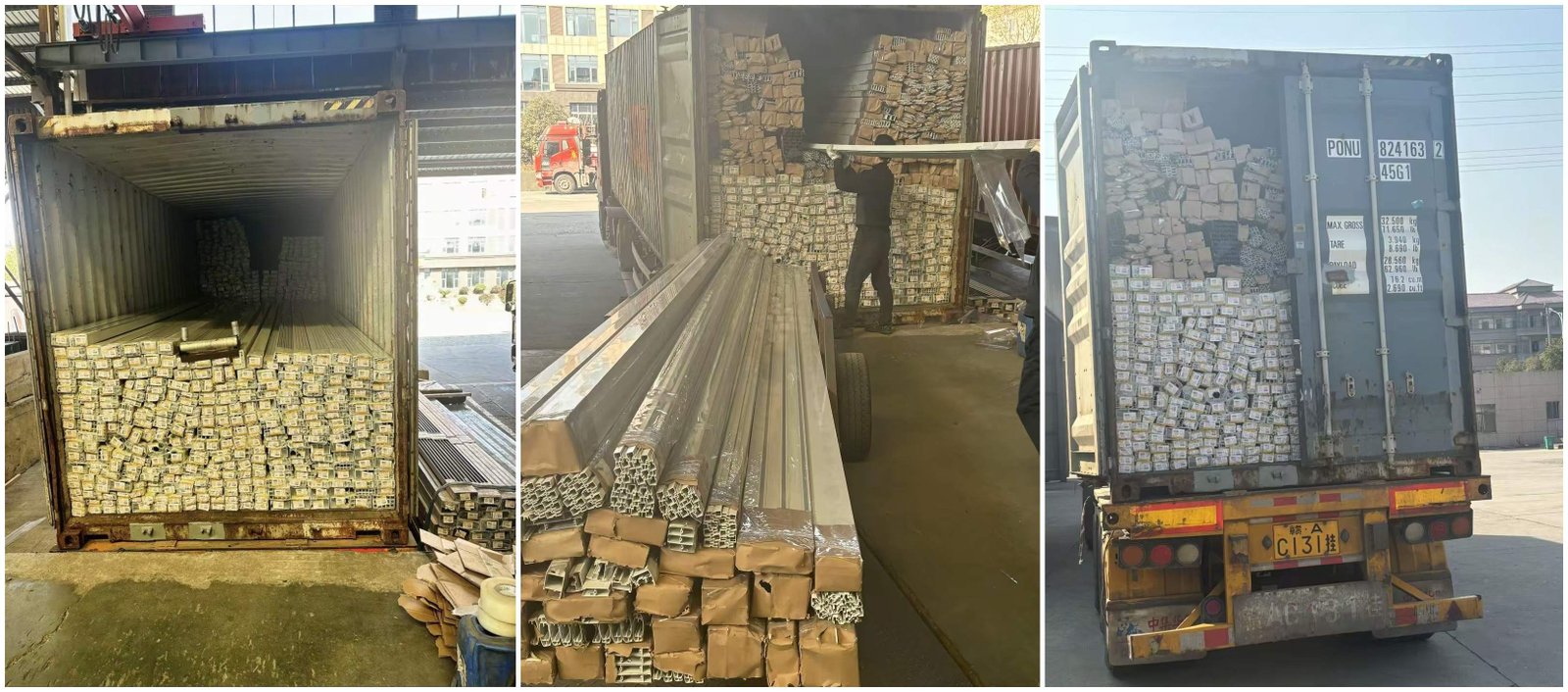
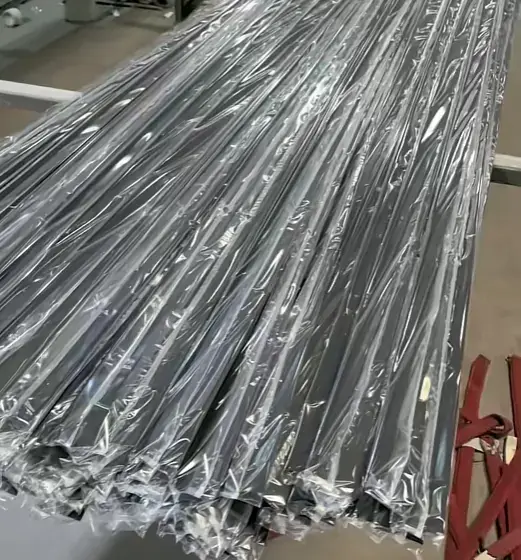
Wholesale Aluminum Edge Trim Supplier – Vanway Tech Exporting Goods by Sea Shipping
Prevent Container Condensation During Sea Freight
A shipping container can experience large temperature changes between daytime heating, nighttime cooling, and different climate zones. Moisture inside the container may condense on the roof and walls, then drip onto cargo.
This is commonly called container rain. It can leave water marks on finished aluminum surfaces, particularly when packages are not sealed or protected.
For sea freight, use the following controls:
- Inspect the container before loading.
- Reject containers with visible leaks, wet floors, or damaged roof panels.
- Check that the container is clean and free from chemical contamination.
- Use dry pallets and packaging materials.
- Add a suitable moisture barrier where the shipment requires it.
- Use desiccants based on the container volume, packaging configuration, voyage duration, and expected moisture exposure.
- Keep packages away from direct contact with container walls and floors.
Do not choose desiccant quantity by guesswork. Ask the packaging provider to calculate the required quantity using the container and cargo conditions. A humidity indicator can help identify moisture exposure during transit, but it does not replace proper packaging.

Use a Container Loading Plan for Long Aluminum Profiles
For wholesale aluminum edge trim, loading should prevent both vertical crushing and horizontal movement.
A practical loading plan should specify:
- Which packages are placed at the bottom.
- Whether different profile lengths can be stacked together.
- Where pallets or wooden supports are positioned.
- How cargo is blocked against movement.
- Where straps contact the package.
- How the container door area is secured.
Never allow straps to press directly against a finished profile bundle without suitable edge protection. Excessive strap pressure can deform thin profile walls or damage the outer packaging.
Example Container Loading Record
| Loading check | Example record |
|---|---|
| Container number | Recorded before loading |
| Container condition | Dry, clean, no visible leaks |
| Package count | 24 bundles |
| Total cargo weight | 1,632 kg |
| Package identification | All labels checked |
| Moisture protection | Barrier and desiccant recorded |
| Cargo restraint | Blocking and straps inspected |
| Loading evidence | Photos taken before door closure |
The figures above are an illustrative shipment record, not a standard container capacity or universal loading plan. Actual loading limits must follow container ratings, carrier requirements, and applicable cargo-securing rules.
Freight Requirements for T Molding Aluminum Trim
A t molding aluminum trim needs additional attention during loading because its narrow stem and projecting head can be damaged by side pressure.
Use profile-shaped separators or a dedicated support arrangement to prevent the T-head from carrying the full package load. Do not place heavy packages on top of a bundle unless the packaging has been designed and tested for that compression load.
For extruded aluminum edge trim, the loading plan should also prevent long profiles from sliding against each other. Even when the outer carton remains intact, internal movement can cause scratches and edge deformation.
4. Inspect Aluminum Edge Trims After Storage and Before Shipment
A supplier’s final inspection should cover more than quantity and appearance. Buyers need to know whether the packaging has protected the profile through the actual storage and shipping process.
For Aluminum Edge Trims, inspection should compare the delivered goods with the approved drawing, surface sample, packaging specification, and purchase order.
Use a Four-Stage Inspection Process
| Inspection stage | What to inspect | Record required |
|---|---|---|
| Before packing | Dimensions, finish, visible defects | Final product inspection report |
| During packing | Film, separators, end protection, labels | Packaging inspection checklist |
| Before loading | Package condition, weight, container condition | Loading inspection record |
| After arrival | Moisture, scratches, deformation, quantity | Incoming inspection report |
Do not wait until the entire shipment has been unpacked before checking for damage. Inspect the outer packaging first and photograph any wet, crushed, torn, or punctured sections.

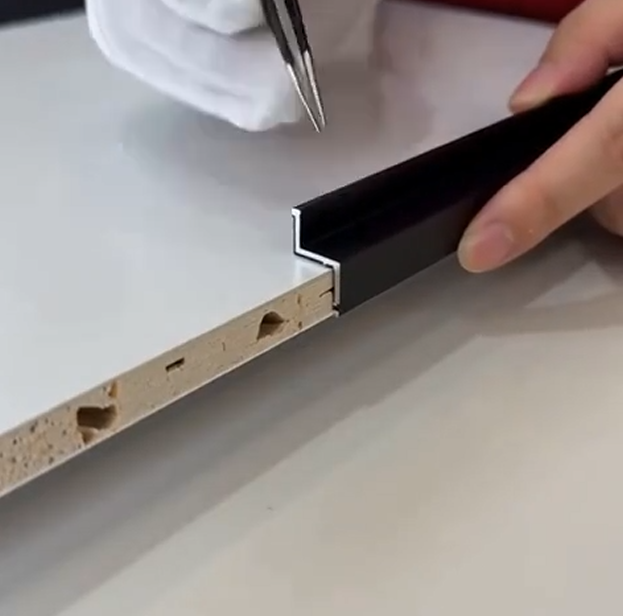
Inspection on Aluminum Edge Trim Molding Before Shipping – Vanway Tech
Define Clear Acceptance and Rejection Criteria
The following table provides practical examples of incoming inspection criteria.
| Inspection item | Acceptable condition | Reject or investigate |
|---|---|---|
| Surface | No visible damage under agreed inspection lighting | Deep scratches, coating loss, or widespread staining |
| Corrosion | No visible white corrosion deposits | White powdery corrosion or water-related staining |
| Profile shape | Matches approved drawing and sample | Bent, twisted, or crushed sections |
| Profile dimensions | Within drawing tolerances | Any critical dimension outside tolerance |
| End condition | Ends protected and not deformed | Crushed corners or damaged T-heads |
| Quantity | Matches packing list and purchase order | Shortage or incorrect profile count |
| Packaging | Dry, intact, and correctly labeled | Water ingress, broken crate, or mixed batches |
A small cosmetic mark and a functional deformation should not receive the same classification. Buyers should define acceptable cosmetic limits using a physical reference sample or written defect criteria.
How to Remotely Evaluate Custom Aluminum Extrusion Supplier: Mold Tolerance & MOQ
For anodized aluminum trims and moldings, inspect the visible surface under consistent lighting. For profiles used in assemblies, also check mounting grooves, retaining lips, hole positions, and mating dimensions.
Document Damage Before Removing the Packaging
If damage is found, follow a consistent evidence procedure:
- Photograph the full package before opening.
- Photograph the damaged area and package label.
- Record the container number and delivery date.
- Photograph the affected profiles before cleaning or handling them further.
- Count the affected pieces.
- Compare the damage with the approved packaging and loading records.
- Submit a written claim with photos and the affected quantity.
This documentation helps determine whether the damage occurred during production, packing, storage, loading, or transportation.

Standard vs Custom Aluminum Edge Trim: 6 Superior Buying Rules
A Practical Incoming Inspection Sampling Example
Suppose a shipment contains 1,000 profiles. A buyer may select 80 pieces for an initial visual and dimensional inspection as a project-specific sampling plan.
This example is not an ISO-prescribed sample size. If the purchase order uses ISO 2859-1, the buyer must specify the inspection level, lot size, AQL, and acceptance/rejection numbers using the applicable sampling tables.
For critical dimensions or known damage risks, inspect all affected packages or use a more intensive inspection plan. Do not rely on a small random sample to clear a shipment when visible water damage or package crushing has already been found.
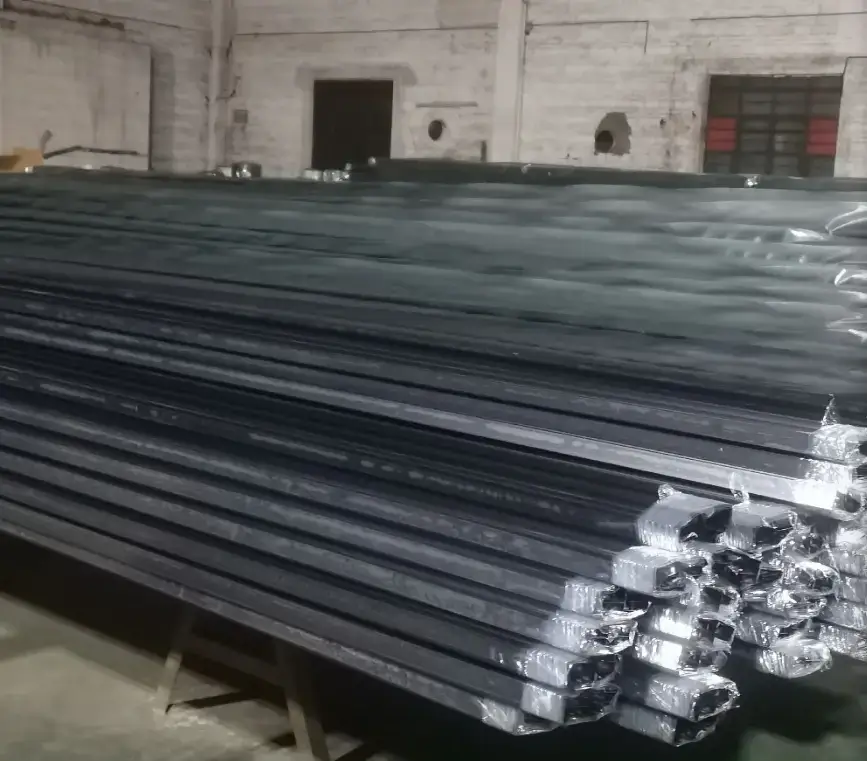
5. Choose Bulk Aluminum Trim Suppliers with Proven Packaging and Storage Controls
A supplier may offer a competitive price and still create unnecessary costs through poor packaging. For buyers purchasing wholesale aluminum edge trim, the supplier’s packaging process should be evaluated with the same attention as extrusion quality and dimensional accuracy.
The best aluminum edge trim manufacturer is not simply the company with the largest production capacity. It is the company that can demonstrate how its profiles are protected, identified, inspected, and prepared for shipment.
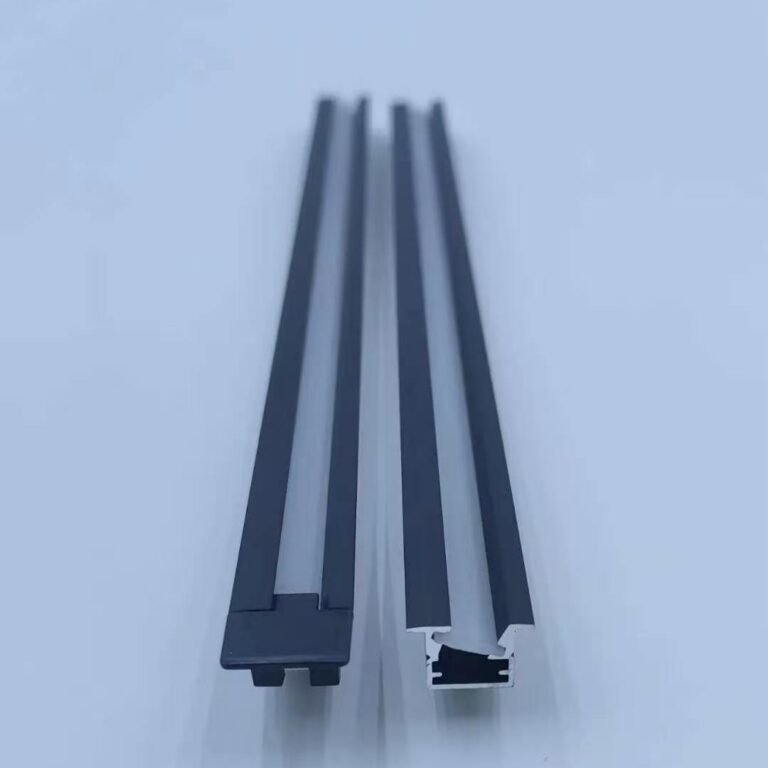
Aluminum Edge Trims Suppliers: 6 Smart Overseas Sourcing Tips
Ask Bulk Aluminum Trim Suppliers These Seven Questions
| Question | Evidence to request |
|---|---|
| 1. How do you protect finished aluminum surfaces? | Packaging photos and material specifications |
| 2. Do you separate every finished profile? | Sample bundle or packing procedure |
| 3. How do you prevent moisture during storage? | Warehouse photos and humidity records |
| 4. How do you protect long profiles from bending? | Pallet or crate design |
| 5. Do you inspect containers before loading? | Container inspection checklist |
| 6. Can you trace each package by production batch? | Label sample and packing list |
| 7. Can you provide loading photos before shipment? | Actual shipment records |
A supplier should be able to answer these questions with records rather than general statements. If the company cannot show how it protects finished profiles, request a packaging trial before approving the bulk order.
Compare Suppliers Using a Packaging Scorecard
Use the following scorecard to compare bulk aluminum trim suppliers on the same basis.
| Evaluation category | Weight |
|---|---|
| Surface protection | 20% |
| Moisture prevention | 20% |
| Profile support and stacking | 15% |
| Package strength | 15% |
| Batch traceability | 10% |
| Container loading control | 10% |
| Inspection and documentation | 10% |
| Total | 100% |
Rate each category from 1 to 5, then calculate the weighted score.
| Score | Suggested decision |
|---|---|
| 90–100 | Approve packaging process for bulk orders |
| 80–89 | Approve after minor corrections |
| 70–79 | Require a packaging trial and corrective action |
| Below 70 | Do not approve the packaging process |
This scorecard is a buyer’s evaluation tool, not an industry certification.
Final Conclusion: Five Rules That Prevent Bulk Aluminum Trim Damage
Preventing corrosion and freight damage is a production-control task, not just a warehouse responsibility.
Before approving a bulk shipment, apply these five rules:
- Protect every finished surface: Use suitable protective film, separators, and end protection.
- Keep profiles dry: Store bundles off the floor and control warehouse humidity.
- Support the full profile length: Prevent bending, crushing, and excessive strap pressure.
- Inspect the container before loading: Check for leaks, wet floors, and moisture risks.
- Record every shipment stage: Keep batch labels, packing records, inspection reports, and loading photos.
These controls help buyers reduce surface damage, corrosion claims, replacement costs, and installation delays. When evaluating an aluminum edge trim manufacturer, ask for evidence of its packaging and storage procedures before placing a large order.
Frequently Asked Questions About Aluminum Edge Trim Molding, Storage, and Bulk Purchasing – FAQs
Q1. How should Aluminum Edge Trim Molding be packaged for international shipping?
A: Aluminum Edge Trim Molding should be protected with suitable surface film, non-abrasive separators, end protection, and reinforced outer packaging. Long profiles should be supported along their length to prevent bending. For sea freight, use a moisture barrier and appropriately calculated desiccant when the cargo conditions require them. The package should also carry product codes, batch numbers, dimensions, and quantity labels.
Q2. What are the most important aluminum extrusion storage guidelines?
A: The most important aluminum extrusion storage guidelines are to keep profiles dry, store packages at least 100 mm above the floor, maintain approximately 150 mm clearance from walls, and target 40–60% relative humidity for routine indoor storage. Inspect the warehouse weekly for leaks, condensation, damaged packaging, and wet pallets. These are recommended operational targets rather than universal mandatory standards.
Q3. How do I prevent white corrosion on wholesale aluminum edge trim?
A: To protect wholesale aluminum edge trim, prevent water from becoming trapped between profiles. Use dry packaging materials, separate finished surfaces, protect bundles from rain, and inspect for moisture before storage. During sea freight, check container condition and use a suitable moisture-control system. If white corrosion is already visible, isolate the affected material and document the damage before cleaning or further handling.
Q4. How should T molding aluminum trim be stored and transported?
A: A t molding aluminum trim should be packed with separators that protect its T-shaped head and narrow stem. Do not stack heavy packages directly on the projecting head. Use a dedicated support arrangement, protect both ends, and prevent side pressure from deforming the profile. During loading, make sure straps do not press directly against the finished T-shaped section.
Q5. What packaging materials are suitable for aluminum trims and moldings?
A: For finished aluminum trims and moldings, common packaging materials include protective PE film, non-abrasive foam separators, edge protectors, corrugated cartons, and suitable wooden crates. A moisture barrier can be added for long-distance sea freight. Before use, verify that packaging materials are dry, clean, and compatible with the profile finish.
Q6. What should I check when choosing bulk aluminum trim suppliers?
A: When evaluating bulk aluminum trim suppliers, check their surface protection method, warehouse storage conditions, moisture-control procedure, pallet design, batch labeling, container inspection, and shipment documentation. Ask for actual packaging photos and a sample packing procedure. A supplier that can provide these records offers stronger evidence of packaging control than one that only promises safe delivery.
Q7. Can an aluminum edge trim manufacturer guarantee that profiles will not be damaged during shipping?
A: An aluminum edge trim manufacturer can control production quality, packaging specifications, warehouse handling, and loading procedures. However, no manufacturer can honestly guarantee zero damage under every transportation condition. Buyers should define packaging requirements, loading responsibilities, inspection procedures, and freight claim documentation in the purchase agreement. This makes damage prevention and responsibility much clearer.
Q8. How can I reduce damage costs when ordering extruded aluminum edge trim in bulk?
A: For extruded aluminum edge trim, specify the profile drawing, finish, package quantity, separator material, end protection, pallet design, moisture barrier, and shipment labeling before production. Approve a packaging sample before the bulk order is packed. Request loading photos and inspect the container condition. These steps reduce the risk of scratches, corrosion, deformation, and mixed batches after delivery.
Vanway-Tech丨 Premium Aluminum Edge Trim Molding Profiles Manufacturer From China Since 2015

Vanway Tech can review profile drawings before tooling to identify potential extrusion, finishing, machining, and installation issues.
We manufacture custom aluminum extrusion profiles for architectural, interior, furniture, lighting and industrial applications, from profile design and extrusion tooling to surface finishing and secondary fabrication.
| Manufacturing Capability | Vanway Tech |
|---|---|
| Established | 2015 |
| Aluminum Alloys | 6063 / 6061 / 6005A* |
| Temper | T5 / T6* |
| Surface Finishes | Anodizing / Powder Coating / Brushing* |
| Secondary Processing | Cutting / CNC / Drilling / Punching* |
| Custom Tooling | Available + Effective |
Have a Custom Aluminum Profile Drawing?
Send us your CAD drawing, PDF or sample. Our engineers can review the profile geometry, wall thickness, alloy, finish and secondary operations before quotation.
What Vanway Tech Can Provide for Custom Aluminum Edge Trim Projects
Vanway Tech manufactures aluminum extrusion profiles for industrial and architectural applications. Its production capabilities include 500T–10000T extrusion lines, aluminum alloys from the 1000 to 7000 series, and commonly used grades such as 6063, 6061, 6082, and 7075.
Secondary processing includes CNC machining, cutting, drilling, punching, and bending. Available surface treatments include clear and colored anodizing, powder coating, PVDF coating, and electrophoresis.
For custom Aluminum Edge Trim Molding, buyers can provide profile drawings, finish specifications, order quantities, and packaging requirements for an initial manufacturing review.
The packaging specification should be confirmed before bulk production is completed. This allows the manufacturer to prepare suitable protective materials, separators, labels, and shipping packages rather than trying to solve packaging problems at the last minute.

Need a custom aluminum edge trims solution? Send Vanway Tech your drawing, required alloy, surface finish, and estimated order quantity. Our team can help evaluate the extrusion design and recommend a suitable manufacturing approach.
CHOOSE THE BEFITTING ALUMINUM EXTRUSIONS
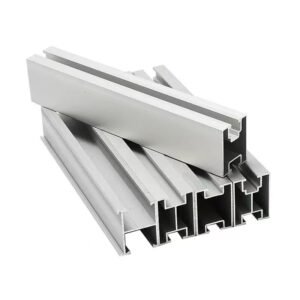
Custom Aluminum Extrusions
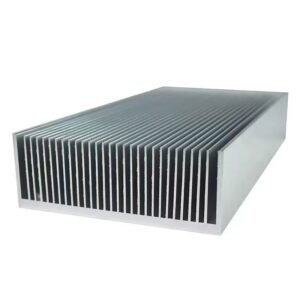
Aluminum Heat Sinks
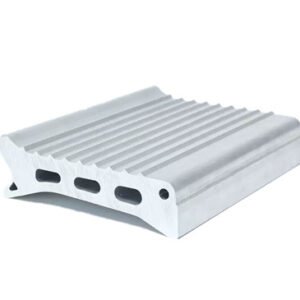
Industrial Aluminum Extrusions
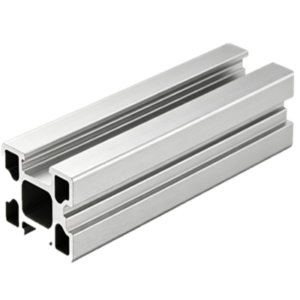
T-Slot Aluminum Extrusions
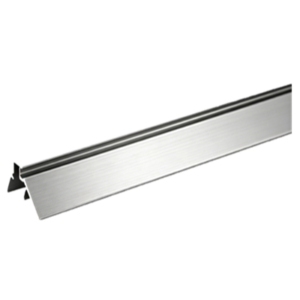
Decorative Aluminum Trim & Led Aluminum Channel Profiles
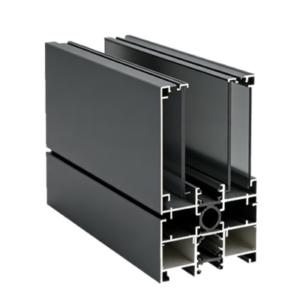
Window & Door Aluminum Profiles
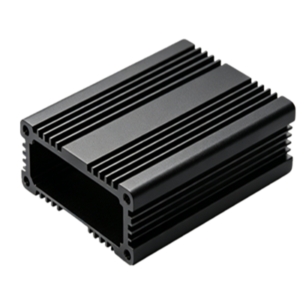
Aluminum Extrusion Enclosures
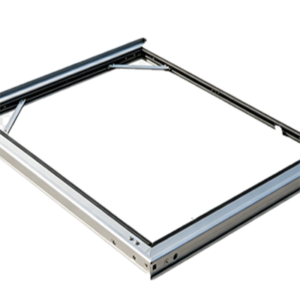
Structural Aluminum Extrusion Framing
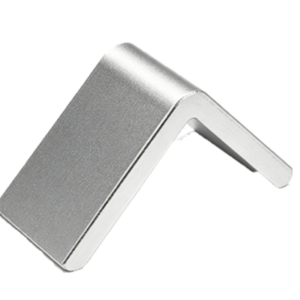
Aluminum Angle Extrusions
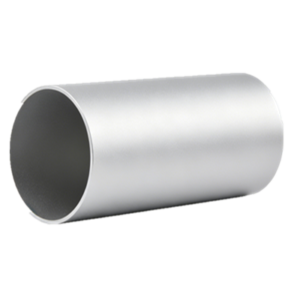
Extruded Aluminum Tubes
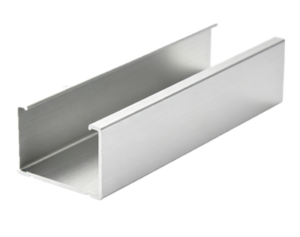
Aluminum U Channel Profiles
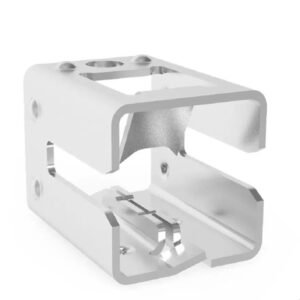
CNC Machined Aluminum Parts
Related Posts Regarding of Aluminium Edge Trim You May Interested In:


Contact With Vanway Tech Team for Premium Aluminium Extrusion Products!
Enquire with UsConnect with Vanway Tech Team for Premium Aluminium Extrusion Products.
Contact InfoWe are looking forward to hearing from you!
-
Email: info@vanway-tech.com
-
Address: No. 588, Wuyi South Road, CSJ Moldware Town, Wujin, Changzhou, Jiangsu, China
Scan Below Codes to Contact Us Immediately.