Vanway Precision Materials Tech Co.,Ltd


Custom Aluminum Enclosure Fabrication: 5 Smart Ways to Lower Tooling Expenses
How to Lower Costs on Your Custom Aluminum Enclosure (2026 Cost-Saving Guide)
Table of Contents
A lower tooling quote doesn’t always mean a cheaper project. At Vanway Tech, we believe the biggest savings on a Custom Aluminum Enclosure often start with the design, long before production begins. An overly complex profile, unnecessarily tight tolerances, or too many CNC operations can drive up costs without adding real value to the finished product.
The smarter move is to simplify the cross-section, keep only the features your application needs, and look at tooling, machining, finishing, and assembly as one complete cost.
In this 2026 guide, we’ll share five practical ways to reduce manufacturing expenses while keeping the strength, fit, and thermal performance your enclosure requires.
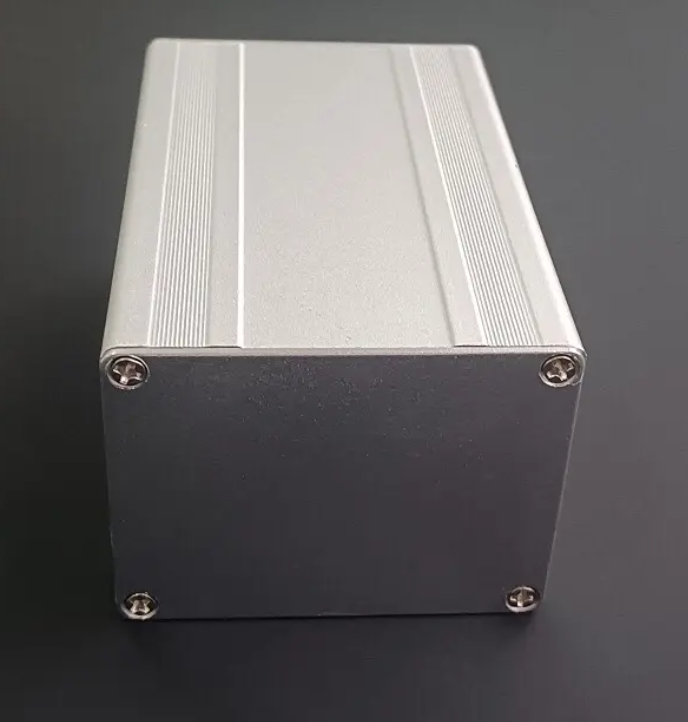
Custom Extruded Aluminum Enclosures丨Durable Electronic Housing
What Drives the Tooling Cost of a Custom Aluminum Enclosure?
Why can two aluminum extrusion cases of similar size have very different tooling costs? The answer often lies in the cross-section, wall thickness, tolerances, and machining requirements.
At Vanway Tech, we believe the best way to control costs is to review these details before approving the extrusion die. A few design changes can make production easier without affecting the enclosure’s main functions.
Profile Complexity, Hollow Sections, and Die Design
Complex profiles with multiple cavities, deep grooves, or sharp corners can make die design and production more challenging. Unnecessary features may increase tooling costs without improving the final product.
The Aluminum Extruders Council recommends balanced wall thicknesses, practical corner radii, and simpler shapes where possible. Start by removing features that do not support strength, cooling, mounting, or assembly.
Profile Size, Wall Thickness, and Extrusion Press Requirements
Larger profiles may require larger presses and more complex tooling. Wall thickness also affects material use, metal flow, and production difficulty. Instead of making every wall thicker for extra strength, review the actual load and application requirements.
A practical design should balance material weight, structural needs, and ease of extrusion.
Tolerances, Prototype Revisions, and Tooling Scope
Tight tolerances across every dimension can increase inspection and machining costs. Keep standard extrusion tolerances where practical, and use CNC machining for critical features such as connector holes, sealing grooves, and mounting surfaces.
Also, finalize the main design before approving the die. Late drawing changes may require die adjustments and new samples. Ask supplier to quote tooling, CNC machining, surface finishing, and assembly separately so you can see where the money goes.
| Design factor | Potential cost impact | Cost-saving direction |
|---|---|---|
| Multiple internal cavities | More complex die design | Remove unnecessary cavities |
| Uneven wall thickness | Harder metal flow and quality control | Keep walls reasonably uniform |
| Tight tolerances | More inspection and machining | Use standard tolerances where practical |
| End holes and pockets | Additional CNC operations | Review machining needs separately |
| Frequent drawing revisions | Possible die corrections and resampling | Complete design review before tooling approval |
The key takeaway: A lower tooling cost is only part of the goal. The best design balances die investment, production costs, and the performance your enclosure needs.
Can an Existing Profile Reduce Costs for Your Aluminum Extrusion Case?
A new extrusion die adds to your upfront costs. Before developing a custom profile, We recommend checking whether an existing aluminum profile can meet your main design needs. This can be a practical way to reduce initial costs, especially for prototypes and small orders.
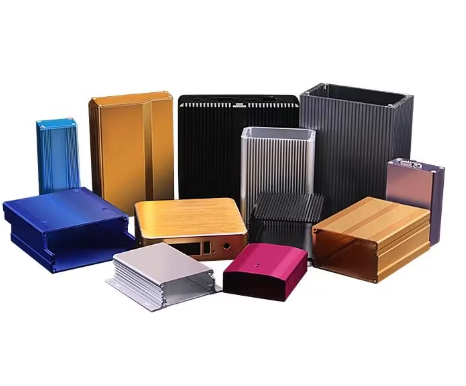
How to Choose the Ultimate Extruded Aluminum Enclosure – 2026 Guide
When a Standard Aluminum Profile Is Good Enough?
A standard profile may work if its width, wall thickness, and mounting features already fit your design. You may only need to cut it to length and add a few holes or slots.
This approach can avoid the cost of a new extrusion die. However, check whether extra machining, material waste, or assembly work will increase the final unit cost.
Adapting an Existing Profile Through CNC Machining
Sometimes, the profile itself is suitable, but it needs a few changes to fit your electronics or equipment. CNC machining can add connector holes, mounting holes, and other features without changing the extrusion cross-section.
For example, if an existing profile meets your enclosure’s size and mounting needs, machining the required openings may cost less than developing a new die. Ask your supplier to compare both options before making a decision.
When Custom Extrusion Tooling Is Still Necessary?
A custom extrusion may be the better choice when your design requires special internal cavities, integrated mounting slots, or specific wall shapes that standard profiles cannot provide. For repeat orders, the upfront die cost may be spread across more units.
| Option | Tooling requirement | Best suited for | Main trade-off |
|---|---|---|---|
| Existing standard profile | Usually no new die | Prototypes and simple housings | May need more machining |
| Existing profile + CNC | Usually no new die if the cross-section stays unchanged | Custom holes, slots, and end features | Adds machining costs |
| New custom extrusion | New die required | Special designs and repeat production | Higher upfront investment |
Tip: Compare the total cost, not just the die price. Include material, cutting, CNC machining, surface finishing, assembly, and expected order quantity. A standard profile may be cheaper at first, but a custom extrusion could offer better value for larger repeat orders.
Simplify the Cross-Section of Your Extruded Aluminum Housing
A complicated profile may look impressive, but every extra groove, cavity, or thin wall can make extrusion more difficult.We recommend reviewing the cross-section before the die is made. Removing features that do not serve a clear purpose can simplify production while keeping the strength, cooling, and mounting functions your housing needs.
Reduce Unnecessary Internal Cavities and Complex Features
Not every internal cavity needs to be part of the extrusion. If a groove or hollow section does not help with cable routing, heat dissipation, mounting, or assembly, consider removing it. A simpler cross-section may also make die design and production easier.
Keep Wall Thicknesses Consistent
Large changes in wall thickness can affect metal flow during extrusion and make it harder to control the final shape. Keep wall thicknesses as uniform as practical. Avoid making walls thinner just to save aluminum without checking strength, cooling, and assembly needs.
Use Practical Corner Radii and Symmetrical Geometry
Sharp corners and unbalanced shapes can add challenges to die design and dimensional control. Use suitable corner radii and keep the cross-section balanced where possible. The right design depends on the profile size, alloy, and extrusion process.
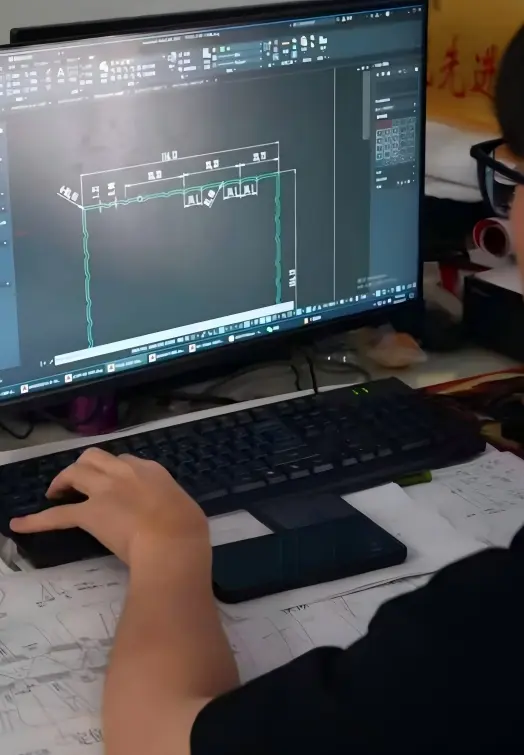
How to Calculate Aluminum Profile Cost: Estimate Aluminum Extrusion Price
Design Integrated Mounting Features Only Where Needed
Integrated screw channels and mounting grooves can reduce the need for separate brackets. However, adding too many features can make the profile more complex than necessary. Keep the features that simplify assembly and remove those that add cost without a clear benefit.
| Design feature | Cost-conscious approach | What to check |
|---|---|---|
| Internal cavities | Remove unnecessary cavities | Stiffness, cable space, and cooling |
| Wall thickness | Avoid needless thin sections and sudden changes | Strength, weight, and extrusion feasibility |
| Cross-section shape | Keep it balanced where practical | Shape stability and dimensions |
| Sharp corners | Use suitable corner radii | Fit and appearance |
| Mounting grooves | Include only useful features | Fastener access and assembly |
Tip: Compare the original and simplified cross-sections with your extrusion supplier before approving the die. Confirm which features can be removed without affecting product performance. The actual cost saving depends on the design and must be confirmed through a tooling review.
Set Practical Design Parameters for an Aluminum Electronics Enclosure
When designing an aluminum electronics enclosure, tighter tolerances and thicker walls do not always mean a better product. At Vanway Tech, we recommend starting with the actual needs of the application. The goal is to keep the strength, cooling, and fit you need without adding unnecessary material or machining costs.
Choose a Manufacturable Wall Thickness For Custom Aluminum Enclosure
Wall thickness affects material use, weight, and extrusion difficulty. Before reducing it, check the enclosure’s load, mounting method, and heat dissipation needs.
| Design parameter | Initial design reference | What to check |
|---|---|---|
| General wall thickness | 1.5–2.0 mm as a starting point | Strength, weight, and profile size |
| 6063 aluminum profile | Some suitable small profiles can use walls around 1.0 mm | Shape complexity and extrusion feasibility |
| 6061 aluminum profile | Some designs may need walls of 1.5–2.0 mm or more | Strength requirements and profile geometry |
| Outside corner radius | At least 0.51 mm as a general design guideline | Die design and appearance |
| Inside corner radius | At least 0.38 mm as a general design guideline | Actual corner geometry and tooling needs |
These are initial design references, not universal limits. The Aluminum Extruders Council’s design guide explains why uniform walls and suitable corner radii can help improve extrusion efficiency.

Aluminum Extrusion Die Cost Breakdown:What Affecting Pricing
Separate Extrusion Tolerances from CNC Machining Tolerances
Extrusion creates the main profile, while CNC machining adds holes, slots, and other features. These processes have different tolerance requirements.
| Feature or dimension | General reference | Important note |
|---|---|---|
| Small extrusion dimensions | Around ±0.15–0.20 mm in some shop references | Depends on the profile and dimension |
| Dimension near 25 mm | Around ±0.30 mm in some shop references | Not suitable for every feature |
| Extrusion straightness | Around 1 mm/m in one general shop reference | Confirm the required standard and profile length |
For the applicable tolerance tables, refer to ANSI H35.2-2024. Actual tolerances vary by profile type, dimensions, and manufacturing conditions.
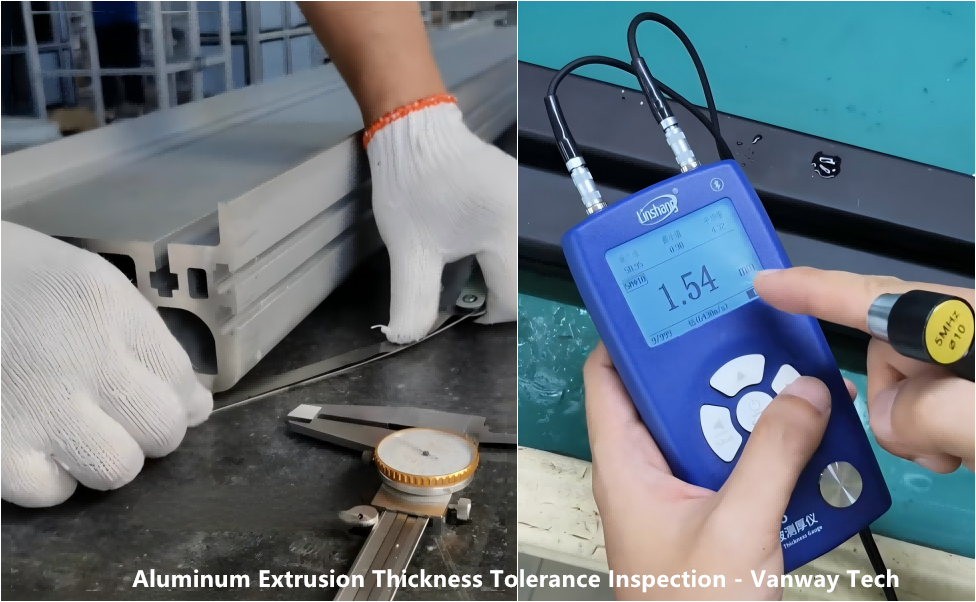
How to Remotely Evaluate Custom Aluminum Extrusion Supplier: Mold Tolerance & MOQ
Apply Tight Tolerances Only to Critical Interfaces
Not every surface needs precision machining. Standard extrusion tolerances may be suitable for non-critical dimensions, while connector holes, sealing grooves, and mating surfaces may need tighter CNC tolerances.
Identify these critical dimensions on your drawings before production. This helps avoid unnecessary machining and inspection costs.
Design for Thermal Performance, Sealing, and Assembly
A lower-cost enclosure must still perform its job. Keep the fins, mounting points, grounding contacts, and sealing features needed by your application. For designs requiring an IP rating or EMI shielding, review the full assembly rather than the aluminum profile alone.
Tip: Review wall thickness, tolerances, and functional features together before approving the extrusion die. A small design change is only worthwhile when it reduces cost without creating problems later.
Move End Features to CNC Machining Instead of Building Them into the Extrusion Die
An aluminum extrusion keeps the same cross-section along its length. Features such as end holes, connector openings, and local pockets often need CNC machining after extrusion.
At Vanway Tech, we recommend keeping the main profile as simple as practical and adding local features during secondary machining when this makes better economic sense.
Keep the Extrusion Profile Consistent Along Its Length
Avoid adding complex profile features just to create a hole or opening at one end. A simpler cross-section may reduce die complexity and make extrusion easier.
Machine End Holes, Connector Openings, and Pockets After Extrusion
CNC machining offers more flexibility for features that appear only in certain locations. It also makes design changes easier when connector positions or mounting details change.

Custom CNC Machine Aluminum Machining: B2B Manufacturer Guide
Compare Secondary Machining Costs Before Adding Complex Die Features
Before choosing a design, compare the initial die cost with the machining cost across the expected order quantity.
| Cost item | Simplified extrusion + CNC | Complex custom profile |
|---|---|---|
| Initial die cost | May be lower | May be higher |
| CNC machining | May increase | May decrease for some features |
| Assembly cost | Depends on the design | Depends on the design |
| Repeat orders | Depends on machining volume | Depends on tooling cost and volume |
For example, if a extruded aluminum housing only needs several connector holes and mounting slots, machining them after extrusion may be more cost-effective than adding complex features to the die. However, repeated machining can become expensive in high-volume production.
Tip: Ask for both options to be quoted separately. Compare tooling, machining, and total production costs before making the final decision.
Consider a Split-Body Extruded Aluminum Case Before Specifying Complex Hollow Tooling
A one-piece hollow profile is not always the cheapest way to make an extruded aluminum case. Depending on the design, a simpler profile with a separate cover may reduce die complexity. However, the extra parts and assembly work can also increase costs.
At Vanway Tech, we recommend comparing both structures before deciding how the enclosure should be made.
Compare a One-Piece Hollow Body with a Two-Piece Extrusion
A hollow profile can combine several functions in one part and reduce the number of separate components. But complex internal cavities may make die design more demanding.
A split-body design may use a simpler extrusion and a separate cover. This can make some profiles easier to produce, especially when the internal structure does not need to be complex.
Evaluate Separate Covers, Fasteners, and Sealing Interfaces
A separate cover adds parts that must fit and stay secure. If the enclosure needs dust or water protection, its joints and gasket design must also meet the required sealing level.
| Evaluation item | One-piece hollow profile | Split-body profile |
|---|---|---|
| Die complexity | May be higher | May be lower |
| Number of parts | Potentially fewer | Usually more |
| CNC machining | Depends on end features | May include cover and joint machining |
| Assembly work | May be simpler | May take more time |
| Sealing | Depends on the design | Requires careful joint and gasket design |

Aluminum Extrusion Heat Sinks丨Custom Thermal Management Solutions
Calculate Tooling and Assembly Costs Together
Consider a housing that needs an internal cavity, several mounting points, and a removable cover. One design may need a complex hollow die, while another may use a simpler extrusion with a separate cover.
Neither option is automatically cheaper. Compare the die cost, material use, CNC work, fasteners, gaskets, assembly labor, and inspection requirements.
Tip: Choose the structure based on the total cost of a finished enclosure, not the extrusion die alone. The best design is the one that meets your strength, cooling, and sealing requirements with the least unnecessary work.
How Much Does Custom Aluminum Extrusion Tooling Cost in 2026?
Before ordering a Custom Aluminum Enclosure, you want to know one thing: how much will the extrusion die cost?
The answer depends on the profile size, shape, number of internal cavities, and level of detail. A simple solid profile usually needs less complex tooling than a hollow profile with several internal sections.
Published supplier guides show that tooling can cost from a few hundred dollars to several thousand dollars. The following figures are useful for initial budgeting, but they are not fixed market prices or a formal quote from Vanway Tech.
| Extrusion die type | Indicative tooling budget (USD) | Typical design |
|---|---|---|
| Simple solid profile | $300–$800 | Flat, solid, or simple open sections |
| Semi-hollow or simple hollow profile | $800–$2,000 | Profiles with a slot or basic internal cavity |
| Large or complex hollow profile | $2,000–$5,000+ | Large sections or profiles with multiple internal cavities |
What Should a Tooling Quote Include?
A low die price may not tell the whole story. Before comparing suppliers, check whether the quotation covers:
- Die design and manufacturing.
- Initial extrusion trials and sample profiles.
- Die corrections and the number of revisions included.
- Sample delivery and shipping.
- Die ownership, storage, maintenance, and future use.
Also, keep tooling costs separate from the cost of the finished enclosure. Material, cutting, CNC machining, surface finishing, inspection, and assembly may all be charged separately.
At Vanway Tech, we recommend reviewing the full quotation before choosing a supplier. A cheaper die will not necessarily result in a cheaper product if it requires more machining or creates quality problems later.
How Do You Calculate Tooling Cost per Custom Aluminum Enclosure?
The initial die cost can look high when you order only a small batch. However, it becomes easier to manage when spread across more finished units.
Use this simple formula:
Tooling Cost per Unit = Total Tooling Cost ÷ Number of Units Sharing the Cost
For example, assume the extrusion die costs $1,500 or $3,000. The table below shows how the cost per unit changes with order quantity.
| Order quantity | $1,500 tooling cost per unit | $3,000 tooling cost per unit |
|---|---|---|
| 100 units | $15.00 | $30.00 |
| 500 units | $3.00 | $6.00 |
| 1,000 units | $1.50 | $3.00 |
| 5,000 units | $0.30 | $0.60 |
These figures are calculation examples, not product prices. They exclude aluminum, extrusion, CNC machining, finishing, assembly, and shipping.
As the table shows, the tooling cost per unit falls as the quantity increases. But ordering more units is not always the best decision. Extra stock ties up cash, takes up storage space, and may become difficult to use if the design changes.
For repeat orders, ask how the die will be stored and maintained, who owns it, and whether it can be used for future production. You should also confirm whether the quoted tooling charge is paid once or included in the unit price.
For an Aluminum Extrusion Enclosure, the best order quantity depends on expected demand, die cost, unit price, and inventory risk—not tooling cost alone.
How Can You Reduce Total Fabrication Costs Beyond the Extrusion Die?
The extrusion die is only one part of the final cost. When reviewing an extruded aluminum housing, look at material selection, CNC machining, surface finishing, and order planning together.
A small change in one process can affect the cost of another. The goal is to reduce unnecessary work without making the finished product harder to assemble or less reliable.
| Cost factor | Cost-saving approach | What to watch out for |
|---|---|---|
| Aluminum alloy | Select the alloy and temper based on actual strength and finish requirements | Do not sacrifice required strength or corrosion resistance |
| CNC machining | Machine critical holes, slots, and mating surfaces only where needed | Keep the dimensions needed for fit and assembly |
| Surface finish | Specify anodizing, powder coating, or another suitable finish for the service environment | Do not remove protection needed for corrosion resistance or appearance |
| Assembly | Consider integrated slots and mounting features where they simplify the design | Extra profile features may increase die complexity |
| Order planning | Compare prototype, first-order, and annual requirements | Avoid overstocking simply to lower unit costs |
| Inspection | Identify critical dimensions and agree on acceptance requirements before production | Insufficient inspection can lead to costly rework |
Choose the Right Aluminum Alloy for Aluminum Electronics Enclousre
For many applications, 6063 is worth considering because it offers good extrusion performance and a suitable surface for anodizing. If the enclosure needs higher mechanical strength, 6061 may be a better candidate, depending on the temper and design.
However, a higher-strength alloy is not automatically the better choice. Compare actual mechanical requirements, extrusion feasibility, surface finish, and total processing costs before deciding.
The Aluminum Extruders Council provides further guidance on selecting extrusion alloys for different applications.
Request a Breakdown of Every Cost
When buying an aluminum electronics enclosure, do not compare suppliers on the final price alone. Ask them to show the main cost items separately:
- Aluminum material and extrusion.
- Die development and sample trials.
- Cutting and CNC machining.
- Surface treatment.
- Assembly and inspection.
- Packaging, shipping, and other applicable charges.
This makes it easier to see why one supplier’s quote is higher than another’s. It also helps you decide whether a design change, a different finish, or a revised order quantity is likely to improve the overall cost of extruded aluminum case.
What Should You Prepare Before Requesting a Custom Aluminum Enclosure Quote?
A clear drawing and complete set of requirements can make quotation and design review much more efficient. Missing dimensions or unclear finish requirements may lead to repeated questions, revised quotes, and avoidable sample changes.
At Vanway Tech, we recommend preparing the following information before requesting a quotation for an extruded aluminum case.
| Information to provide | Why it matters |
|---|---|
| 2D engineering drawing and 3D CAD file | Helps review the profile shape, internal cavities, and machining features |
| Overall dimensions and wall thicknesses | Supports the initial extrusion feasibility review |
| Critical dimensions and tolerances | Identifies features that may need CNC machining |
| Alloy and temper requirements | Defines the required material performance |
| Application and operating environment | Helps assess strength, cooling, corrosion, and other needs |
| Thermal, load, and sealing requirements | Prevents cost reductions from affecting product function |
| Surface finish and color | Clarifies finishing processes and appearance requirements |
| Prototype and first-order quantity | Helps compare tooling investment with initial production costs |
| Estimated annual demand | Supports planning for repeat orders and tooling cost allocation |
| Inspection and acceptance criteria | Reduces uncertainty during sample approval and production |
Send Your Drawings for a Custom Aluminum Enclosure Review
At Vanway Tech, we believe the best time to reduce costs is before the extrusion die is made. By reviewing your drawings, application requirements, critical dimensions, and expected order volume, we can help assess suitable profile designs and secondary machining needs.
Send us your 2D drawings or 3D CAD files, along with your target quantity and surface finish requirements. We can then review the proposed design and discuss the available manufacturing options.
The goal is simple: find a practical balance between tooling investment, unit cost, manufacturing quality, and the performance your enclosure needs.
Send your drawing to Vanway Tech to discuss a cost-effective custom aluminum enclosure solution.
Vanway-Tech丨 Premium Quality Extrueded Aluminum Enclosure Manufacturer From China Since 2015


How Vanway Tech Evaluates Custom Aluminum Enclosure Designs?
Vanway Tech evaluates custom extruded aluminum enclosure requirements based on the profile drawing, internal component layout, mechanical interfaces, thermal requirements, surface finish, and production quantity.
For a new custom extruded aluminum enclosure project, the design review should identify critical dimensions, PCB mounting features, end-panel interfaces, machining operations, and sealing requirements before tooling is finalized. Where thermal management or environmental protection is important, the customer should also define the required operating conditions and validation criteria.
The final manufacturing route should be selected according to the enclosure geometry, functional requirements, tooling investment, and expected production volume. Project-specific tolerances, finishing options, and inspection requirements should be confirmed in the quotation and approved drawing.

Contact our technical engineering team today to review your project requirements of extruded aluminum housing, verify pretreatment specifications, and request sample test reports.
FAQs of Custom Aluminum Enclosure – Vanway Tech
Q1. How Can I Reduce Tooling Costs for a Custom Aluminum Enclosure?
A: You can reduce tooling costs by simplifying the profile, removing unnecessary cavities, and checking whether an existing aluminum profile meets your needs. At Vanway Tech, we recommend reviewing the design before making a new extrusion die to avoid unnecessary tooling and machining costs.
Q2. How Much Does an Aluminum Extrusion Enclosure Die Cost?
A: The aluminum extrusion enclosure die cost depends on profile size, shape, and die complexity. A simple die may cost a few hundred dollars, while a large or complex hollow-profile die can cost several thousand dollars or more. Request a detailed quote covering die design, samples, revisions, and maintenance.
Q3. Can I Use a Standard Profile for a Custom Extruded Aluminum Housing?
A: Yes. If a standard profile meets your size and structural needs, you may only need cutting and CNC machining for holes, slots, or connector openings. This can reduce initial tooling costs, especially for prototypes and small orders of extruded aluminum housing.
Q4. Can Reducing Wall Thickness Lower Aluminum Electronics Enclosure Costs?
A: It can reduce material use, but thinner walls are not always cheaper to produce. They may make extrusion and dimensional control more difficult. Check strength, heat dissipation, and assembly requirements before changing the wall thickness.
Q5. Can Looser Tolerances Reduce the Cost of a Custom Aluminum Enclosure?
A: Yes, when the change does not affect product function. Standard extrusion tolerances may be suitable for non-critical dimensions, while connector holes, sealing grooves, and mating surfaces may need tighter CNC tolerances. Applying precision only where needed can reduce machining and inspection costs.
Q6. Is a Two-Piece Extruded Aluminum Case Cheaper Than a Hollow Profile?
A: Not always. A two-piece design may simplify the extrusion die, but it can add covers, fasteners, gaskets, and assembly work. Compare tooling, machining, materials, and assembly costs before choosing the final structure for your extruded aluminum case.
Q7. How Does Order Quantity Affect the Cost of an Aluminum Extrusion Enclosure?
A: Higher order quantities can spread the initial die cost across more units. For example, a $2,000 die adds $2 per unit across 1,000 units, or $0.40 per unit across 5,000 units. However, buyers should also consider inventory costs, future demand, and possible design changes.
Q8. What Information Does Vanway Tech Need to Quote a Custom Aluminum Enclosure?
A: Vanway Tech recommends providing 2D drawings or 3D CAD files, overall dimensions, alloy and temper, critical tolerances, surface finish, application requirements, and order quantities. This information helps us review the extruded aluminum housing design, assess machining needs, and prepare a more accurate quotation.
Related Articles You May Interested In
Ultimate Guide to Source Custom Aluminum Extrusions From China
How to Verify Primary vs. Recycled Aluminum Extrusions
Aluminum Extrusion Sourcing: How Mastering MOQ Unlocks 15%+ Procurement Savings
Contact With Vanway Tech Team for Premium Aluminium Extrusion Products!
Enquire with UsConnect with Vanway Tech Team for Premium Aluminium Extrusion Products.
Contact InfoWe are looking forward to hearing from you!
-
Email: info@vanway-tech.com
-
Address: No. 588, Wuyi South Road, CSJ Moldware Town, Wujin, Changzhou, Jiangsu, China
Scan Below Codes to Contact Us Immediately.