Vanway Precision Materials Tech Co.,Ltd


Hidden Costs in Cheap Aluminium Edge Trim Molding: Why Low-Grade Scrap Aluminum Fails Quality Audits
How to Source a Reliable Aluminum Edge Trim Manufacturer and Avoid Hidden Costs in Cheap Aluminum Edge Trim Molding?
Table of Contents
Cheap Aluminium Edge Trim Molding can look like a smart purchasing decision. The quoted price is lower, the profile dimensions appear correct, and the supplier promises the same alloy grade as more established manufacturers. But the real problems often emerge after delivery: inconsistent chemical composition, brittle edges, uneven anodizing, dimensional deviations, and rejected batches during incoming quality inspections.
The most important purchasing rule is simple: never evaluate aluminium edge trim by price per kilogram alone. Evaluate the verified alloy composition, extrusion consistency, mechanical properties, surface quality, dimensional accuracy, and batch traceability.
There is an important distinction here. Recycled aluminum is not automatically low quality. Properly sorted, remelted, refined, and tested recycled aluminum can meet the requirements for a specified extrusion alloy. The problem is uncontrolled scrap with mixed alloy grades, excessive impurities, poor melt management, and no reliable inspection records.
Aluminum Edge Trims Suppliers: 6 Smart Overseas Sourcing Tips for Extruded Aluminum Edge Trim
For B2B buyers sourcing aluminum moulding trim, the difference between a reliable manufacturer and a low-price supplier is the ability to prove what goes into the product and verify what comes out.
This guide explains how to identify material risks, inspect extruded aluminum edge trim, calculate hidden purchasing costs, and select bulk aluminum trim suppliers that can consistently meet production and quality requirements.
Why Cheap Aluminium Edge Trim Molding Fails Material and Quality Audits
A low quotation does not necessarily mean a manufacturer has better production efficiency. Sometimes the price difference comes from the raw material, inspection process, extrusion control, or finishing quality.
For aluminum Edge Trims, raw material quality is the first checkpoint because every later manufacturing operation depends on it.
1. Mixed Scrap Aluminum Creates Unstable Alloy Composition
Aluminum extrusion requires a controlled chemical composition. Different alloying elements affect extrusion behavior, strength, corrosion resistance, and surface finishing.
For example, 6063 aluminum is commonly selected for decorative profiles, architectural trims, and aluminum moulding trim because of its extrusion characteristics and surface finishing performance.
Its registered composition limits include:
| Element | 6063 composition range or limit (wt.%) |
|---|---|
| Silicon (Si) | 0.20–0.60 |
| Magnesium (Mg) | 0.45–0.90 |
| Iron (Fe) | 0.35 max |
| Copper (Cu) | 0.10 max |
| Manganese (Mn) | 0.10 max |
| Chromium (Cr) | 0.10 max |
| Zinc (Zn) | 0.10 max |
| Titanium (Ti) | 0.10 max |
| Other elements, each | 0.05 max |
| Other elements, total | 0.15 max |
These are reference composition limits for 6063, not a substitute for the applicable registered alloy specification or purchase standard.

How to Verify Primary vs. Recycled Aluminum Extrusions
Consider a practical sourcing problem.
A manufacturer buys mixed aluminum scrap from several collection channels. Some material contains higher levels of copper, iron, or other unwanted elements. If the scrap is not properly sorted and the melt is not adjusted and tested, the resulting billet may fail the specified alloy chemistry.
The extrusion supplier may still label the finished product as 6063. However, a material certificate that simply states “6063 aluminum” does not prove that the actual production batch meets the required chemical composition.
Purchasing decision: Require a heat- or lot-linked material test report showing actual chemical composition. Do not accept an alloy name printed on a quotation as proof of material quality.
2. Low-Grade Billets Can Cause Mechanical Performance Problems
Chemical composition is only one part of material verification. The extrusion process and heat treatment also influence final mechanical properties.
A profile made from improperly controlled billets may show:
- Lower tensile strength than the specified grade and temper.
- Inconsistent hardness between production batches.
- Edge cracking during cutting or bending.
- Poor screw retention in thin-wall sections.
- Greater variation during CNC machining.
For a decorative aluminum trim, these defects may not be obvious immediately. A profile can look acceptable while still failing assembly or durability requirements.
The following table provides a practical inspection framework.
| Inspection item | What the buyer should verify | Why it matters |
|---|---|---|
| Alloy grade | 6063, 6061, or specified alternative | Confirms material identity |
| Temper | T5, T6, or drawing requirement | Determines mechanical condition |
| Tensile strength | Applicable ASTM B221 requirement | Measures resistance to pulling loads |
| Yield strength | Applicable alloy and temper requirement | Measures resistance to permanent deformation |
| Elongation | Applicable specification requirement | Helps assess ductility |
| Hardness | Agreed project acceptance range | Supports process consistency checks |
| Surface condition | No cracks, blisters, or unacceptable defects | Prevents finishing and assembly problems |
Do not use one universal tensile-strength number for every 6063 profile. Minimum values depend on temper, section thickness, and the applicable product specification.
ASTM B221 covers aluminum-alloy extruded profiles and includes chemical composition and mechanical-property requirements. Buyers should specify the applicable edition, alloy, temper, and product dimensions in the purchase order.
3. Why Cheap Extruded Aluminum Edge Trim Often Has More Surface Defects
Low-grade material is not the only cause of surface defects. Poor extrusion temperature control, contaminated dies, inconsistent billet quality, and inadequate finishing preparation can all affect the final appearance.
Common defects include:
| Surface defect | Typical appearance | Possible production cause | Purchasing impact |
|---|---|---|---|
| Die lines | Longitudinal lines | Die wear or poor die condition | Visible appearance defects |
| Blisters | Raised surface bubbles | Gas or contamination-related process problems | Finishing rejection |
| Surface pitting | Small holes or marks | Contamination or surface preparation problems | Poor coating appearance |
| Cracks | Visible splits | Material or extrusion-process problems | Structural rejection |
| Color variation | Uneven anodized appearance | Alloy variation or inconsistent finishing | Batch mismatch |
| Scratches | Linear surface damage | Handling or packaging failures | Rework or rejection |
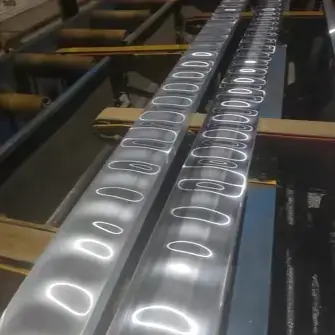
Surface Defects of Aluminum Extrusion Profiles – Figure of Fish Scale
A particularly important point for aluminum moulding trim is anodizing consistency.
Different alloy compositions can produce different anodizing responses. A supplier that changes billet sources without controlling alloy chemistry may deliver profiles with noticeable color differences, even when the same nominal finish is requested.
For architectural trims, visible color inconsistency can create problems across an entire installation.
The correct approach is to approve a production sample before bulk manufacturing and use the approved sample as the visual reference for subsequent batches.
How to Verify Aluminium Edge Trim Molding Before Placing a Bulk Order
A reliable aluminum edge trim manufacturer should provide more than a competitive quotation. The manufacturer should be able to demonstrate material control, inspection capability, and traceability throughout production.
The following verification process is practical for purchasing teams, quality engineers, and OEM project managers.
1. Request a Material Certificate and Verify the Actual Alloy
Ask the supplier for a material test certificate or mill test report linked to the production batch.
The document should include:
- Alloy designation and temper.
- Chemical composition results.
- Heat number or billet batch identification.
- Applicable material standard.
- Testing date and issuing organization.
- Traceability to the supplied product.
For 6063 aluminum profiles, compare the reported chemical composition with the applicable registered limits.
A certificate without a batch reference is weak evidence because it may describe a different production lot.
2. Use OES Testing Instead of Relying Only on Visual Inspection
Optical Emission Spectrometry (OES) is a suitable method for verifying the chemical composition of aluminum alloys.
Portable XRF can also help identify many alloying elements, but conventional handheld XRF is not a reliable standalone method for accurately measuring every light element, particularly magnesium and silicon, in all aluminum-testing situations.
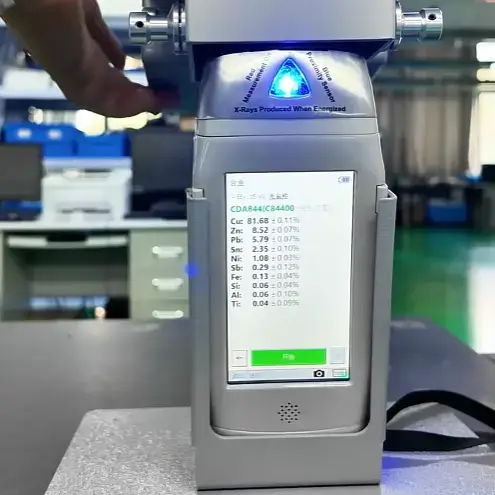
Aluminum Alloy Chemical Component Analysis of Vanway Tech – Aluminum Edge Trim Manufacturer
For a critical 6063 material audit, use an appropriate calibrated OES method and an agreed sampling procedure.
| Testing method | Main purpose | Suitable application | Limitation |
|---|---|---|---|
| OES | Chemical composition analysis | Alloy verification and material acceptance | Requires suitable equipment, preparation, and calibration |
| XRF | Elemental screening | Rapid incoming material identification | Not a complete substitute for OES for every element |
| Tensile testing | Strength and elongation | Mechanical-property verification | Requires representative test specimens |
| Hardness testing | Hardness comparison | Process consistency monitoring | Cannot independently establish full alloy compliance |
| Dimensional inspection | Profile geometry | Drawing and tolerance verification | Requires correct measuring equipment and datum setup |
For bulk aluminum trim orders, buyers should request the test report and confirm that the tested sample belongs to the actual production lot.
3. Check the Dimensions of Aluminum Edge Trims Against the Approved Drawing
A profile that is chemically compliant can still fail installation if its dimensions are inconsistent.
For custom aluminium Edge Trim Molding, inspect the following features:
| Dimension or feature | Example inspection requirement | Inspection method |
|---|---|---|
| Overall profile width | 25.00 ± 0.20 mm | Caliper |
| Overall profile height | 12.00 ± 0.20 mm | Caliper |
| Wall thickness | 1.50 ± 0.10 mm | Micrometer |
| Cut length | 2,000 ± 1.0 mm | Length measuring equipment |
| Critical slot width | 6.00 ± 0.10 mm | Pin gauge or suitable gauge |
| Straightness | 1.0 mm per 1,000 mm | Straightedge and feeler gauge |
Important: These are illustrative project inspection tolerances, not universal ASTM requirements. The approved engineering drawing and purchase specification must define the actual acceptance limits.
For example, a T-slot aluminum trim may have a 6 mm opening designed for a particular connector. If the slot width increases beyond the drawing tolerance, the fastening component may become loose.
That creates installation problems even when the profile’s external appearance is acceptable.
How to Remotely Evaluate Custom Aluminum Extrusion Supplier: Mold Tolerance & MOQ
4. Conduct a First Article Inspection Before Mass Production
For custom extruded aluminum edge trim, a First Article Inspection (FAI) is one of the most useful ways to prevent repeated production defects.
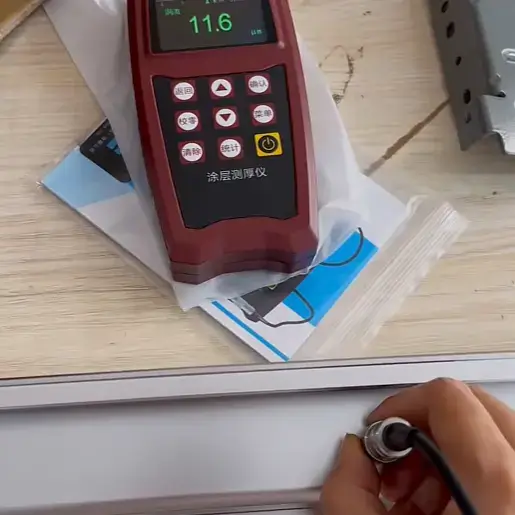
Aluminum Edge Trim Molding Spray Coating Paint Thickness Inspection – Vanway Tech
The buyer should approve:
- Profile cross-section and critical dimensions.
- Alloy and temper documentation.
- Cut length and end-face condition.
- Surface finish and color.
- Assembly fit with the mating component.
- Packaging and product identification.
For recurring production, maintain an approved reference sample and record the inspection results by batch.
A supplier that refuses to provide a representative production sample or refuses to identify its production lot creates an avoidable purchasing risk.
5. Audit the Production Capabilities of Bulk Aluminum Trim Suppliers
A supplier’s website may display extrusion presses, CNC machines, and anodizing equipment. The purchasing team still needs to establish whether those capabilities are actually available for the order.
Use this supplier audit checklist:
| Audit item | Evidence to request | Acceptance decision |
|---|---|---|
| Raw material sourcing | Billet supplier records and MTC | Traceable material |
| Alloy verification | OES or appropriate test reports | Meets specified chemistry |
| Extrusion capability | Press capacity and profile production records | Suitable for profile geometry |
| Die management | Die drawings and maintenance records | Controlled extrusion tooling |
| Heat treatment | Process and temper records | Specified temper achieved |
| Surface treatment | Anodizing or coating process records | Approved finish reproduced |
| Quality control | Inspection reports and calibration records | Measurable acceptance process |
| Batch traceability | Production and packaging labels | Finished goods linked to production lot |
Do not judge bulk aluminum trim suppliers only by factory size. A smaller manufacturer with documented material control and consistent inspection can be a better purchasing partner than a larger supplier with weak traceability.
What Are the Hidden Costs of Cheap Wholesale Aluminum Edge Trim?
The cheapest quotation can become the most expensive purchase when material defects, rework, freight, and rejected installations are included.
The correct way to compare wholesale aluminum edge trim is to calculate the total landed and usable cost rather than the initial unit price.
1. Calculate the Real Cost of Aluminum Moulding Trim
Use this formula:
Total Procurement Cost = Purchase Cost + Inspection Cost + Rework Cost + Freight Cost + Rejection Cost + Replacement Cost
For a more useful comparison, calculate the cost per accepted piece:
Cost per Accepted Piece = Total Procurement Cost ÷ Number of Accepted Pieces
Consider the following illustrative B2B purchasing example.
A buyer orders 5,000 pieces of aluminum moulding trim from two suppliers.
| Cost item | Supplier A: Low-price | Supplier B: Controlled quality |
|---|---|---|
| Quoted price per piece | $2.00 | $2.25 |
| Order quantity | 5,000 | 5,000 |
| Purchase cost | $10,000 | $11,250 |
| Inspection cost | $300 | $150 |
| Rework cost | $1,200 | $100 |
| Freight and handling | $600 | $600 |
| Rejection and replacement loss | $1,000 | $0 |
| Total cost | $13,100 | $12,100 |
| Accepted quantity | 4,500 | 4,950 |
| Cost per accepted piece | $2.91 | $2.44 |
Supplier A initially appears 11.1% cheaper per piece.
However, its higher defect rate increases the final cost per accepted piece to $2.91, compared with $2.44 for Supplier B.
Supplier B saves approximately $0.47 per accepted piece, or $2,326 across the order.
The figures above are an illustrative cost model, not actual supplier quotations or measured industry averages. They show why buyers should compare accepted output rather than quoted unit prices.

How to Calculate Aluminum Profile Cost: Estimate Aluminum Extrusion Price
2. Understand the Cost of Rejected Extruded Aluminum Edge Trim
A defective profile does not always have to be completely scrapped. Some dimensional problems can be corrected through cutting or machining. Other defects cannot be economically repaired.
| Defect | Possible corrective action | Cost consequence |
|---|---|---|
| Incorrect cut length | Recutting, if sufficient material remains | Additional labor and material loss |
| Minor machining allowance error | Secondary CNC machining | Additional processing |
| Wrong anodizing color | Re-anodizing where technically feasible | Stripping, processing, and inspection |
| Incorrect alloy | Material replacement | Usually full batch replacement |
| Cracks in extrusion | Reject affected material | Material and production loss |
| Incorrect profile geometry | New production or tooling correction | Potentially high replacement cost |
A wrong alloy cannot be corrected by applying a better surface finish. Similarly, an incorrect extrusion cross-section cannot be fixed through packaging or assembly adjustments.
This is why incoming material verification should happen before the manufacturer commits to the full production quantity.
3. Why Wholesale Aluminum Edge Trim Needs a Better Quality Agreement
A bulk purchase agreement should establish measurable acceptance conditions.
Include the following requirements:
- Exact alloy and temper.
- Approved engineering drawing revision.
- Dimensional tolerances.
- Surface finish and color reference.
- Sampling and inspection frequency.
- Defect classification.
- Batch identification and traceability.
- Packaging requirements.
- Replacement and corrective-action responsibilities.
For example, a purchase order for aluminum moulding trim can specify that every delivery must include a batch identification label and corresponding material documentation.
For high-volume projects, define the sampling plan before production. An agreed AQL sampling plan under ISO 2859-1 can be used for applicable attribute inspections, but it does not replace material certification or critical dimensional checks.
A clear quality agreement prevents disputes after the shipment arrives.
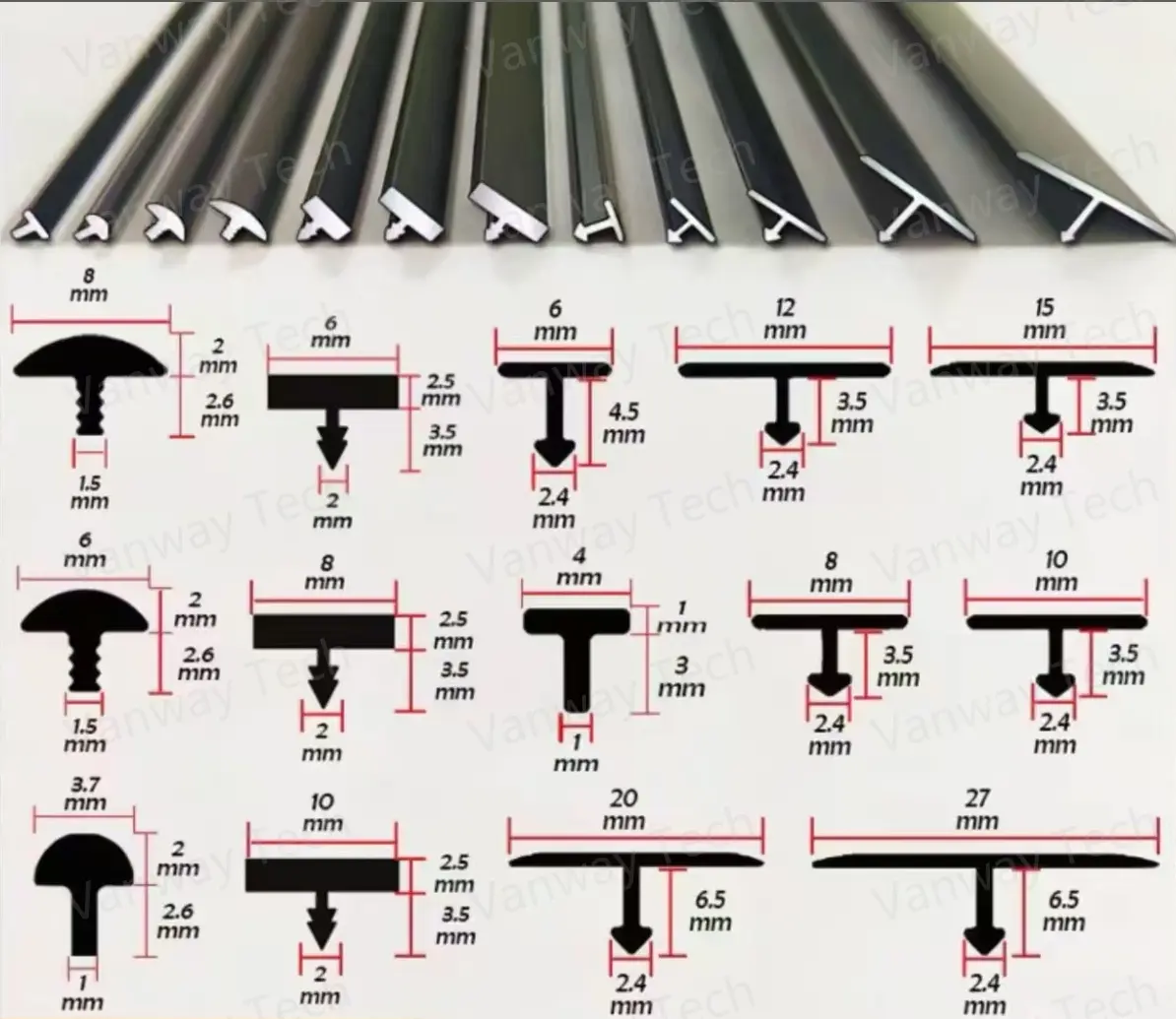
4. Avoid Buying T Molding Aluminum Trim Without Checking Its Fit
T molding aluminum trim is often used for edge protection, panel transitions, decorative joints, and furniture or equipment assemblies.
Its performance depends on the dimensions of the receiving slot and the geometry of the mating profile.
A simple purchasing mistake is approving a profile based only on its external width while ignoring the insertion section.
Check these dimensions:
| Feature | Example nominal size | What to verify |
|---|---|---|
| Visible top width | 20 mm | Appearance and coverage |
| Insertion stem width | 6 mm | Compatibility with receiving slot |
| Stem depth | 10 mm | Insertion and engagement |
| Wall thickness | 1.5 mm | Rigidity and manufacturing consistency |
| Cut length | 2,000 mm | Installation requirement |
These are example design values, not a universal T molding standard.

7 Costly Custom Aluminum Extrusion Sourcing Mistakes Suppliers Won’t Tell You
Before placing a bulk order, test the profile in the actual panel or receiving channel. Verify insertion force, retention, alignment, and visible gaps.
A profile that fits correctly in a drawing may still be difficult to install if the real panel slot has burrs, coating buildup, or manufacturing variation.
How to Store and Transport Aluminum Edge Trims Without Creating More Hidden Costs?
Even correctly manufactured wholesale aluminum edge trim can arrive damaged if packaging and storage are poorly managed.
Aluminum naturally forms a protective oxide layer, but this does not make finished profiles immune to moisture staining, surface abrasion, chemical contamination, or contact corrosion.

Aluminium Edge Trim Molding – Packing by Vanway Tech
The following aluminum extrusion storage guidelines are suitable for procurement and warehouse teams handling bulk profiles.
1. Follow These Aluminum Extrusion Storage Guidelines
| Storage factor | Recommended control | Risk if ignored |
|---|---|---|
| Warehouse environment | Keep profiles in a dry, covered indoor area | Moisture staining and corrosion |
| Ground contact | Store on dry racks or pallets | Moisture absorption and contamination |
| Stacking | Use aligned supports and avoid excessive loading | Bending and deformation |
| Separation | Use clean, non-abrasive separators | Scratches and surface damage |
| Packaging | Use suitable protective wrapping and end protection | Handling damage |
| Chemical exposure | Keep away from acids, alkalis, and aggressive chemicals | Surface attack |
| Ventilation | Avoid trapping condensation inside packaging | Water staining |
| Identification | Keep alloy, finish, batch, and quantity labels | Traceability loss |
One important warehouse mistake is moving cold aluminum profiles directly into a warm, humid environment while they remain tightly wrapped.
Condensation can form on the metal surface or inside the packaging. If moisture becomes trapped, visible water staining may develop.
For this reason, receiving teams should inspect the shipment condition, assess condensation risk, and allow temperature acclimatization before opening sealed packaging when necessary.

Aluminum Edge Trim Molding: 5 Smart Bulk Packaging & Storing Rules
2. Prevent Scratches and Deformation During Bulk Shipping
Long extruded aluminum edge trim is particularly vulnerable to bending, twisting, and impact damage.
Use the following packaging controls:
- Bundle profiles by length and section type.
- Use protective separators between finished surfaces.
- Support long profiles at aligned positions.
- Secure bundles without crushing thin-walled sections.
- Protect profile ends against impact.
- Prevent direct contact between finished profiles and rough metal straps.
- Mark handling direction and package identification.
- Use suitable moisture protection for the shipping route.
For anodized aluminum Edge Trims, avoid rough separators that can scratch the visible surface.
For polished or decorative aluminum moulding trim, individual protective sleeves or non-abrasive interleaving can reduce handling damage.
A packaging specification should be approved before the first bulk shipment, not after the first batch arrives with scratches.
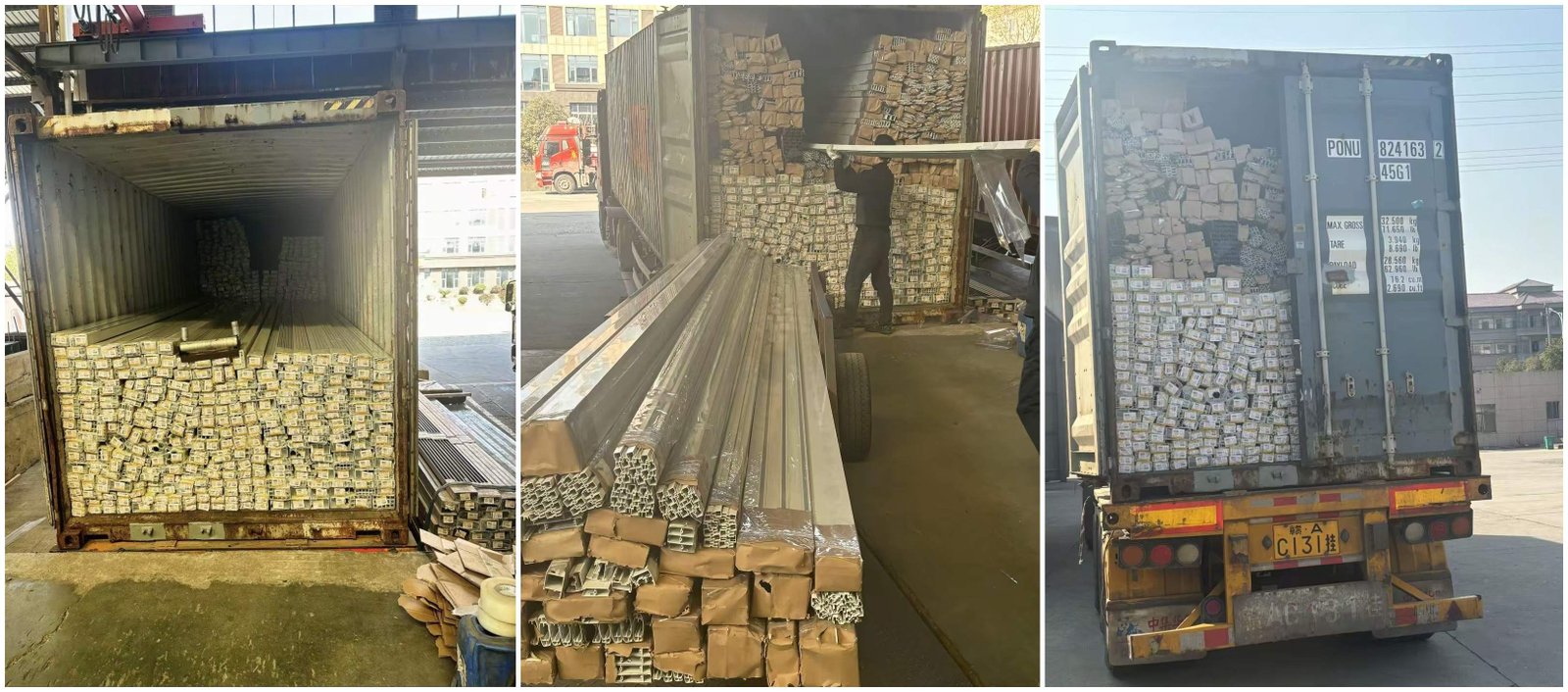
Global Shipping: 4 Key Practices for Aluminum Extrusion Profiles Export Packaging of Vanway Tech
3. Inspect Wholesale Aluminum Edge Trim Immediately After Delivery
Incoming inspection should cover both product quality and shipping condition.
A practical receiving inspection includes:
| Inspection stage | What to check | Required record |
|---|---|---|
| Package inspection | Broken bundles, wet packaging, impact damage | Receiving photos |
| Quantity verification | Bundle count and piece count | Packing list comparison |
| Material verification | Alloy, temper, and batch reference | Material certificate |
| Dimensional inspection | Width, height, thickness, and length | Measurement report |
| Surface inspection | Scratches, stains, dents, and color variation | Visual inspection record |
| Assembly check | Fit with mating components | Sample installation result |
Do not mix rejected products with accepted stock before the inspection is complete.
If a defect is discovered, identify the affected batch, isolate the material, and issue a nonconformance report with photographs and measurement records.
This gives the manufacturer enough information to investigate the root cause instead of simply arguing over whether the damage occurred during transportation.
8 Frequently Asked Questions About Aluminum Edge Trims and Reliable Manufacturers – FAQs for Bulk Aluminum Trim Suppliers
Q1. Is recycled aluminum suitable for Aluminium Edge Trim Molding?
A: Yes. Recycled aluminum is suitable when the remelted material is properly sorted, refined, composition-adjusted, and tested against the specified alloy requirements.
The problem is not recycled aluminum itself. The problem is mixed or uncontrolled scrap that produces inconsistent chemical composition.
For Aluminium Edge Trim Molding, request a batch-linked material certificate and verify the alloy through appropriate chemical analysis.
Q2. How can I identify a low-quality aluminum edge trim manufacturer?
A: Check its raw material traceability, alloy testing, extrusion equipment, die management, heat-treatment control, and finished-product inspection records.
A reliable aluminum edge trim manufacturer should be able to provide material reports, dimensional inspection results, approved samples, and batch identification.
A supplier that cannot connect its material documentation to the delivered products should not be approved for a critical bulk order.
Q3. Which aluminum alloy is best for aluminum moulding trim?
A: 6063 is a common choice for decorative and architectural aluminum moulding trim because it offers good extrusion characteristics and surface finishing performance.
6061 is a suitable alternative when higher mechanical strength is required, although its extrusion and finishing characteristics differ.
For most decorative edge profiles, 6063-T5 or 6063-T6 is a practical starting point. The final selection should be based on the required mechanical properties, profile geometry, and finishing process.
Q4. What documents should bulk aluminum trim suppliers provide?
A: At minimum, request:
1. Material Test Certificate (MTC).
2. Alloy and temper identification.
3. Chemical composition report.
4. Approved profile drawing.
5. Dimensional inspection report.
6. Surface finishing specification.
7. Batch or lot identification.
8. Packing list and shipment inspection records.
For recurring OEM orders, retain approved samples and production inspection records for batch comparison.
Q5. How do I prevent color differences in wholesale aluminum edge trim?
A: Specify the same alloy, temper, anodizing process, surface preparation, and approved color reference.
Request production samples before bulk manufacturing. Keep the approved sample as the reference for future orders.
For visible architectural applications, avoid mixing profiles from different production batches without checking color consistency.
Q6. What is the difference between T molding aluminum trim and standard edge trim?
A: T molding aluminum trim typically has a T-shaped cross-section designed to fit into a corresponding slot or channel.
Standard aluminum edge trim can use L-shaped, U-shaped, flat, or custom cross-sections for edge protection and decorative finishing.
The main purchasing difference is the fitting geometry. Buyers should verify stem width, insertion depth, slot compatibility, and retention before bulk ordering.
Q7. What should I check before ordering wholesale aluminum edge trim?
A: Check these six items before approving production of extruded aluminum edge trim:
1. Alloy and temper.
2. Profile cross-section and drawing dimensions.
3. Surface finish and color.
4. Cutting length and tolerance.
5. Material certification and inspection capability.
6. Packaging, delivery quantity, and batch traceability.
A signed-off production sample and a written inspection specification should be in place before mass production.
Q8. Can an aluminum extrusion manufacturer produce custom Aluminium Edge Trim Molding with a low MOQ?
A: Yes. A manufacturer can evaluate custom Aluminium Edge Trim Molding using an existing extrusion die or a new extrusion die.
An existing profile for aluminum moulding trim can reduce initial tooling investment if its dimensions match the application. A new extrusion die is necessary when the required cross-section cannot be produced using an existing design.
Ask the manufacturer to quote tooling, extrusion, secondary machining, surface finishing, packaging, and minimum production quantity separately.
This makes it easier to compare suppliers and calculate the actual project cost.
How Vanway Tech Helps B2B Buyers Avoid Risks When Sourcing Aluminum Trims and Moldings?
At Vanway Tech, we approach aluminum trims and moldings as engineered extrusion products rather than simple commodity materials.
For B2B buyers, a low unit price is not useful if the delivered profile fails dimensional inspection, requires additional machining, or cannot maintain a consistent surface finish across production batches.
Vanway-Tech丨 Premium Aluminum Edge Trim Molding Profiles Manufacturer From China Since 2015

| Manufacturing Capability | Vanway Tech |
|---|---|
| Established | 2015 |
| Aluminum Alloys | 6063 / 6061 / 6005A* |
| Temper | T5 / T6* |
| Surface Finishes | Anodizing / Powder Coating / Brushing* |
| Secondary Processing | Cutting / CNC / Drilling / Punching* |
| Custom Tooling | Available + Effective |
Have a Custom Aluminum Profile Drawing?
Send us your CAD drawing, PDF or sample. Our engineers can review the profile geometry, wall thickness, alloy, finish and secondary operations before quotation.
Our manufacturing approach focuses on controlling the main risk points throughout the order.
1. Material Selection and Alloy Verification
We work with aluminum alloy grades including 6063 and 6061 for different extrusion applications.
Before production, the material grade and temper are matched to the drawing and application. Buyers can specify the required alloy documentation and inspection criteria as part of the RFQ.
This helps reduce the risk of receiving profiles with incorrect material identification.
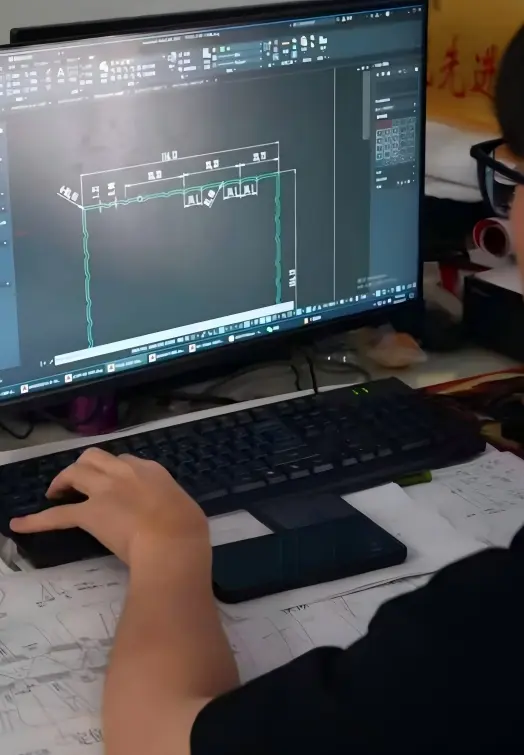
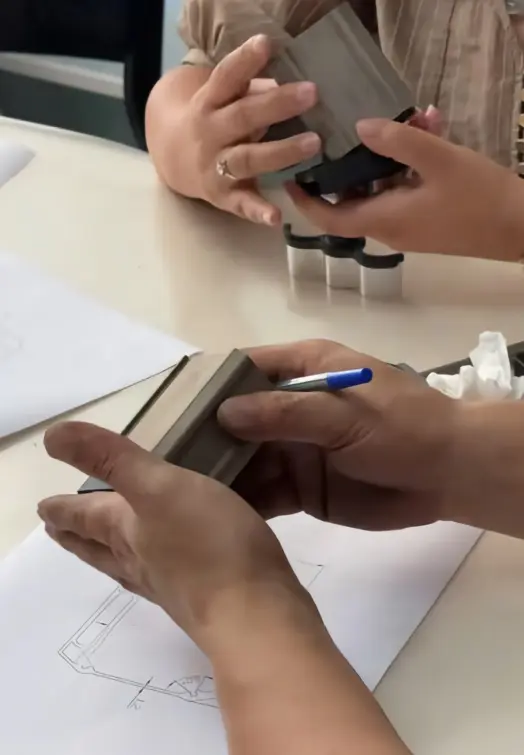
2. Custom Extrusion and Profile Development
Vanway Tech supports custom extruded aluminum edge trim development for OEM and industrial applications.
Our production capabilities include:
- 500T–5,500T extrusion press capacity.
- Custom extrusion die development.
- Profile cutting up to 12 meters.
- CNC machining and secondary processing.
- Bending and punching.
- Anodizing, powder coating, and other finishing options.
For buyers developing a new aluminum edge profile, we can evaluate cross-section geometry, wall thickness, extrusion feasibility, and machining requirements before production.
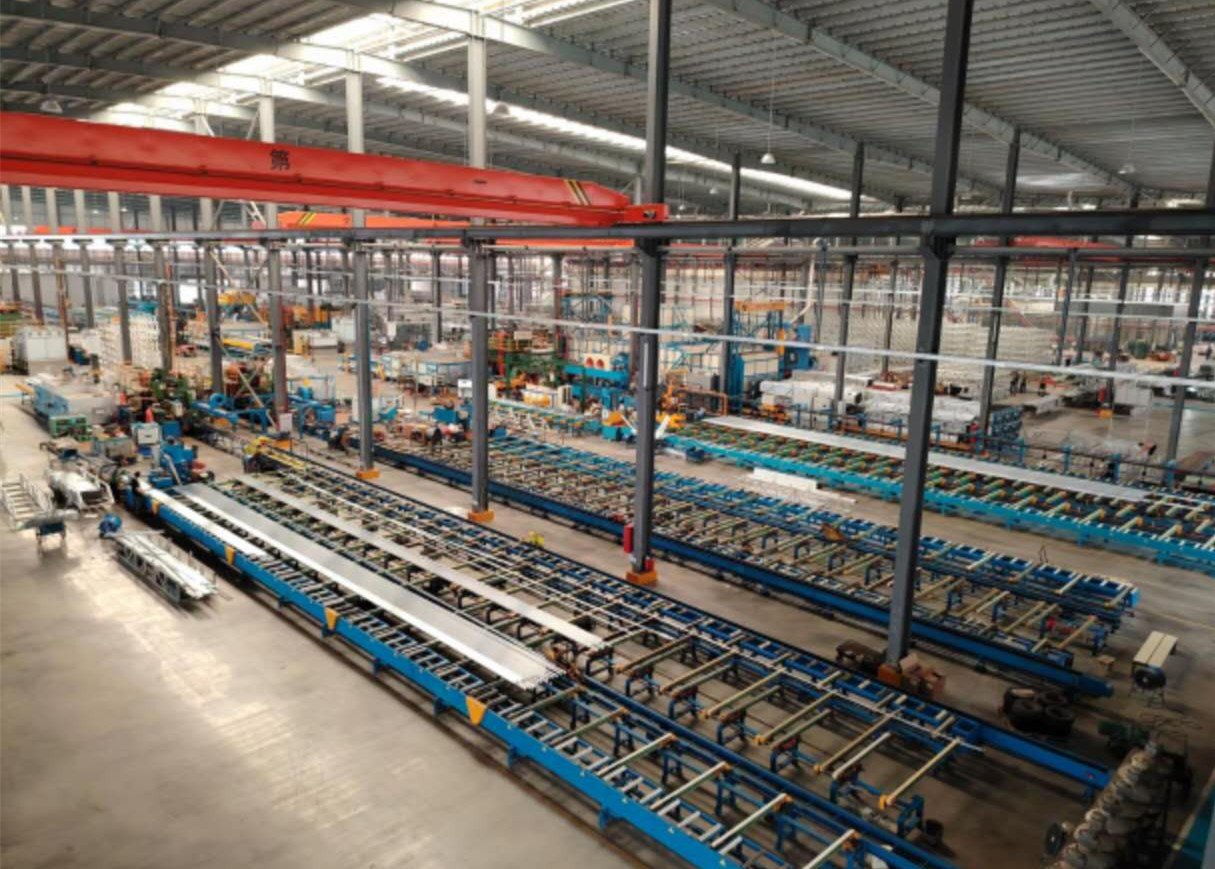
Ultimate Guide to Source Custom Aluminum Extrusions From China
3. Surface Finishing and Batch Consistency
Surface appearance is particularly important for decorative aluminum trims.
Vanway Tech offers clear and colored anodizing, powder coating, PVDF coating, and other finishing options.
The finishing specification should define the required appearance, coating type, color reference, and inspection criteria. For repeat orders, an approved sample provides a practical reference for production consistency.
4. Inspection Before Shipment
We emphasize dimensional and visual inspection before shipment.
For custom aluminum Edge Trims, the inspection plan can cover:
- Cross-section dimensions.
- Wall thickness.
- Cutting length.
- Surface appearance.
- Machined features.
- Packaging condition.
- Product and batch identification.
Inspection requirements should be agreed during the quotation and drawing approval stages, rather than introduced after production.

Bulk Aluminum Trim Suppliers – Wholesale Aluminum Edge Trim – Vanway Tech
5. A More Transparent RFQ Process for B2B Buyers
To receive an accurate quotation for Aluminium Edge Trim Molding, prepare the following information:
| RFQ information | What to provide |
|---|---|
| Product drawing | 2D CAD or 3D STEP file |
| Alloy | 6063, 6061, or required grade |
| Temper | T5, T6, or specified condition |
| Dimensions | Cross-section, wall thickness, and length |
| Surface finish | Anodizing, powder coating, PVDF, or mill finish |
| Order quantity | Initial order and annual forecast |
| Application | Furniture, architectural, equipment, or industrial use |
| Quality requirements | Tolerances, certificates, and inspection criteria |
| Packaging | Individual protection, bundles, or export packaging |
Our recommendation to B2B buyers: compare manufacturers based on material verification, extrusion capability, finishing consistency, and accepted-product cost—not just the lowest quotation.

A dependable manufacturing partner should be able to explain how the profile is produced, show how its quality is checked, and provide documentation that connects the delivered products to the approved specifications.
If you are sourcing custom aluminum trims and moldings, send your drawings and project requirements to Vanway Tech for an extrusion and manufacturing assessment.

Bulk Aluminum Edge Trim Suppliers – Vanway Tech Exporting Goods by Sea Shipping
CHOOSE THE BEFITTING ALUMINUM EXTRUSIONS
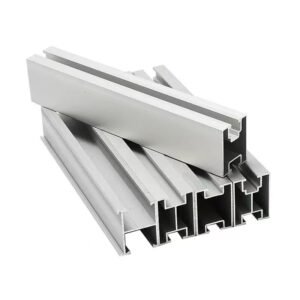
Custom Aluminum Extrusions
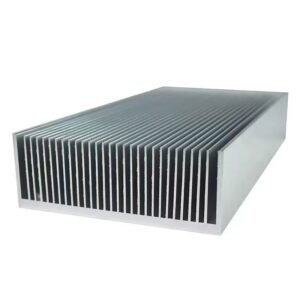
Aluminum Heat Sinks
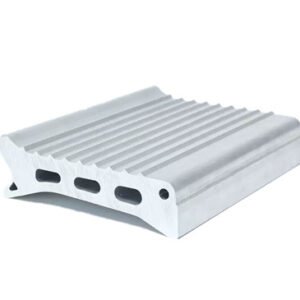
Industrial Aluminum Extrusions
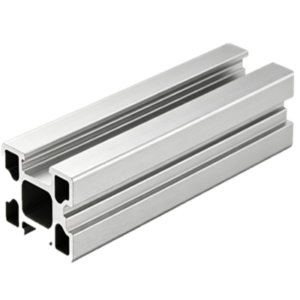
T-Slot Aluminum Extrusions
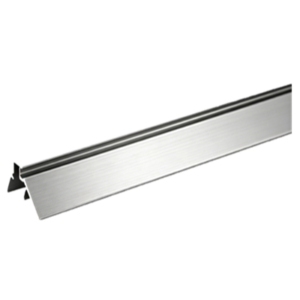
Decorative Aluminum Trim & Led Aluminum Channel Profiles
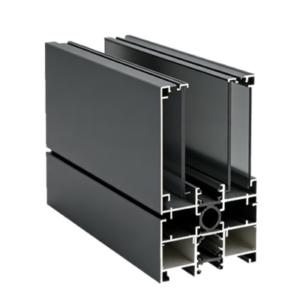
Window & Door Aluminum Profiles
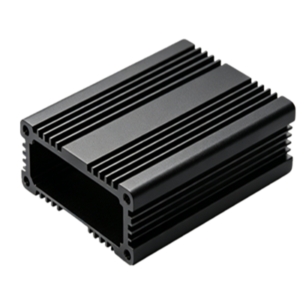
Aluminum Extrusion Enclosures
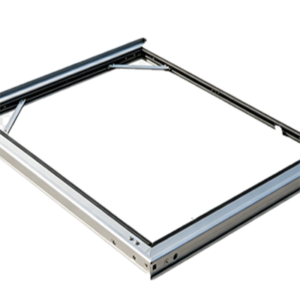
Structural Aluminum Extrusion Framing
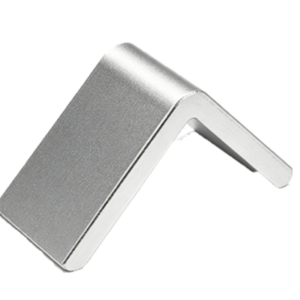
Aluminum Angle Extrusions
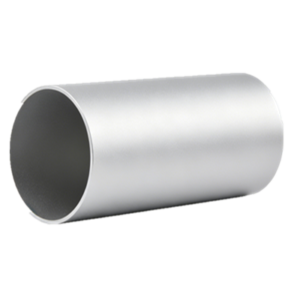
Extruded Aluminum Tubes
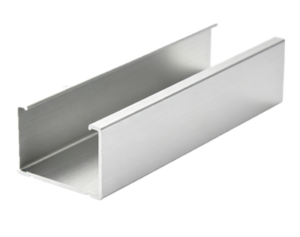
Aluminum U Channel Profiles
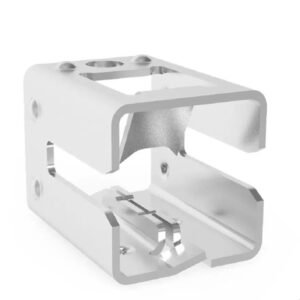
CNC Machined Aluminum Parts
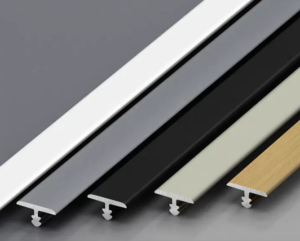
Related Posts Regarding of Aluminium Edge Trim Molding You May Interested In:


Contact With Vanway Tech Team for Premium Aluminium Extrusion Products!
Enquire with UsConnect with Vanway Tech Team for Premium Aluminium Extrusion Products.
Contact InfoWe are looking forward to hearing from you!
-
Email: info@vanway-tech.com
-
Address: No. 588, Wuyi South Road, CSJ Moldware Town, Wujin, Changzhou, Jiangsu, China
Scan Below Codes to Contact Us Immediately.