Vanway Precision Materials Tech Co.,Ltd


Top 5 Surface Finishing Options for Extruded Aluminum Enclosures
The Ultimate Guide to 5 Surface Finishes for Extruded Aluminum Enclosures
Table of Contents
When designing extruded aluminum enclosures, picking the right surface finish is just as important as getting the dimensions right. A good finish does more than make your product look professional—it protects the metal from rust, resists scratches, improves heat flow, and extends its overall service life.
Five finishing options are worth considering: Type II anodizing, Type III hardcoat anodizing, powder coating, liquid painting, and chemical conversion coating. Each offers a different balance of protection, appearance, dimensional impact, and cost.

Aluminum Extrusion Processing Capability – Vanway Tech
With so many options available, choosing the best process for your project can feel overwhelming. This guide compares their practical differences and explains what to specify before placing an order. It also covers the details that are easy to overlook when developing an extruded aluminum case or a complete electronic housing.
Why Surface Finishing Matters for Extruded Aluminum Enclosures?
Aluminum naturally forms a thin oxide layer when exposed to air. However, this natural layer does not automatically provide the appearance, wear resistance, or environmental protection required for every application.
A manufactured finish changes the surface characteristics of the enclosure. The result depends on several factors, including the aluminum alloy, pretreatment, finishing process, coating thickness, sealing, and operating conditions.
For an aluminum enclosure box, these factors should be considered alongside the mechanical design rather than treated as a final cosmetic decision.

How to Choose the Ultimate Extruded Aluminum Enclosure – 2026 Guide
Match the Finish to the Operating Environment
Before choosing a finish, consider where the custom extruded aluminum enclosures will be installed and what it will experience during its service life.
| Application | Main concern | Finishes worth evaluating |
|---|---|---|
| Indoor control equipment | Appearance, handling marks, general corrosion protection | Type II anodizing, powder coating |
| Outdoor electronics | Weathering, moisture, UV exposure | Suitable anodizing or a qualified exterior coating system |
| Industrial instrumentation | Chemicals, cleaning agents, abrasion | Finish selected through chemical and wear compatibility testing |
| Electronic housings with grounding requirements | Electrical bonding and contact resistance | Anodizing or paint with specified contact areas; suitable conversion coating |
| Sliding or frequently handled components | Surface wear and abrasion | Type III hardcoat anodizing |
| Color-coded equipment | Consistent color and gloss | Powder coating or liquid painting |
These are starting points, not universal recommendations. A finish that performs well in a dry indoor environment may not be suitable for a coastal installation or a housing exposed to aggressive cleaning chemicals.
What You Should Confirm Before Production for Custom Extruded Aluminum Enclosures?
For custom extrusions, establish the following requirements before the finishing process begins:
- The operating environment, including moisture, UV exposure, temperature, and chemical contact.
- The required appearance, such as clear, black, textured, or a specified color.
- The coating thickness or applicable finishing standard.
- Critical dimensions, threaded holes, gasket grooves, and mating surfaces.
- Electrical grounding and thermal contact requirements.
- Inspection methods and acceptance criteria.
A clear specification reduces the risk of receiving parts that look acceptable but fail during assembly or service.
1. Type II Anodizing for Custom Extruded Aluminum Enclosures
Type II anodizing is a practical choice for many electronic housings because it creates an aluminum oxide layer rather than simply covering the metal with a separate paint film.
The process uses an electrochemical treatment to develop a controlled oxide layer. Depending on the process and material, the surface can remain clear or receive a dye, such as black.
For custom extruded aluminum enclosures, anodizing can provide a clean metallic appearance while improving surface protection. However, the final result depends on the alloy, extrusion surface, pretreatment, and process controls.
Clear vs. Black Anodizing
Clear anodizing retains a relatively natural aluminum appearance, although it does not guarantee a perfectly uniform color. Black anodizing is often selected for electronic housings, industrial instruments, and equipment with a consistent product design.
The choice is not purely cosmetic. Different alloys and extrusion batches can respond differently during pretreatment and anodizing, affecting color and surface appearance.
| Selection factor | Clear anodizing | Black anodizing |
|---|---|---|
| Appearance | Natural metallic finish | Dark, dyed oxide finish |
| Surface texture | Extrusion lines may remain visible | Extrusion lines may remain visible |
| Color consistency | Depends on alloy and processing | Depends on alloy, dye, and processing |
| Common application | Industrial housings and visible aluminum parts | Electronic equipment and branded housings |
| Key quality check | Appearance and coating thickness | Color consistency, coating thickness, and sealing |
If multiple parts must match, request an approved production sample. A verbal description such as “clear anodized” or “matte black” may leave too much room for interpretation.

Mill Finish Aluminum vs Clear Anodized Aluminum: How to Choose the Right Finish
Typical Type II Anodizing Parameters
The following values are preliminary engineering references. The applicable drawing, finishing specification, and supplier process determine the final requirements.
| Parameter | Reference or requirement |
|---|---|
| Typical coating thickness | Approximately 5–25 µm |
| Common finishes | Clear, black, and other dyed colors |
| Surface preparation | Cleaning, with etching or mechanical finishing where required |
| Corrosion-related control | Appropriate sealing and specified testing |
| Dimensional concern | Oxide growth can affect close-fit features |
| Inspection | Thickness measurement and agreed visual criteria |
Anodizing changes the dimensions of the original surface because the oxide develops partly into the aluminum and partly outward from it. The amount varies with the process, so buyers should not apply a single universal dimensional allowance to every part.
What to Specify on the Drawing
Instead of writing only “black anodized,” define the required thickness range, color reference, sealing requirement where applicable, and inspection criteria.
For an enclosure with tight-fitting covers, screw channels, or connector openings, identify critical dimensions and determine whether they must be inspected after anodizing.
The Aluminum Anodizers Council provides industry information on anodized finishes and specification practices.
2. Type III Hardcoat Anodizing for Wear-Resistant Enclosures
Type III hardcoat anodizing is worth considering when the enclosure surface must withstand more demanding mechanical contact. It is not automatically the best choice for every electronic housing.
A stationary enclosure mounted inside a cabinet may not need the additional wear performance. A component that slides against another part, experiences repeated contact, or has a defined abrasion requirement may justify evaluating hardcoat anodizing.
Type II vs. Type III Anodizing
| Comparison point | Type II anodizing | Type III hardcoat anodizing |
|---|---|---|
| Typical thickness reference | Approximately 5–25 µm | Approximately 25–75 µm as a planning range |
| Main consideration | General surface protection and appearance | Increased wear resistance |
| Appearance | Clear or dyed options | Often gray to dark; varies with alloy and process |
| Dimensional impact | Must be considered | Often more significant at greater coating thicknesses |
| Cost planning | Establishes a common baseline | May involve additional processing cost |
| Best reason to specify | Appearance and general surface protection | A defined wear or abrasion requirement |
These thickness ranges are not universal acceptance limits. Confirm the applicable anodizing specification and achievable process range with the finishing supplier.
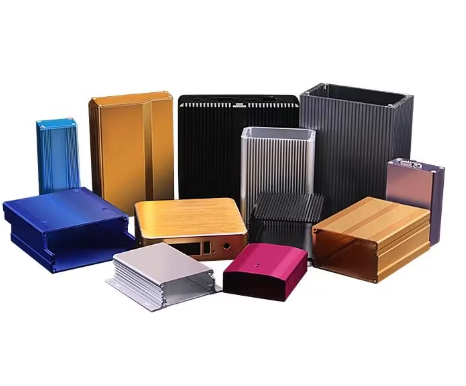
Custom Extruded Aluminum Enclosures: 7 Ultimate Fast Tips
When Is Hardcoat Worth the Extra Cost?
Consider hardcoat anodizing when:
- The surface experiences repeated sliding or mechanical contact.
- Abrasion resistance is an explicit design requirement.
- The component must retain its surface under repeated handling.
- A documented application requirement justifies the additional process cost.
Hardcoat anodizing should not be selected simply because a thicker oxide layer sounds more durable. The coating must still suit the enclosure’s dimensional, electrical, and assembly requirements.
Protect Threads, Fits, and Electrical Contacts
Greater coating buildup can affect threaded features, sliding fits, mating surfaces, and connector openings. Some surfaces may need masking or post-finish machining.
Anodized surfaces also need special attention where electrical bonding is required. Define the contact area and the required electrical performance rather than assuming the finish will meet the grounding requirement automatically.
Where a project requires a military-specification anodic coating, consult the applicable requirements in MIL-PRF-8625.
3. Powder Coating for Colorful and Weather-Exposed Aluminum Enclosures
Powder coating is a strong option when a product needs an opaque color, a uniform decorative surface, or a specified organic coating system.
Unlike anodizing, powder coating deposits a separate coating on the aluminum surface and cures it to form a continuous finish. The result depends on pretreatment, powder chemistry, application, curing, and the geometry of the part.
For extruded aluminium electronic enclosures, powder coating can help create a consistent product appearance across different components. However, the specification must account for coating buildup around openings and assembly features.
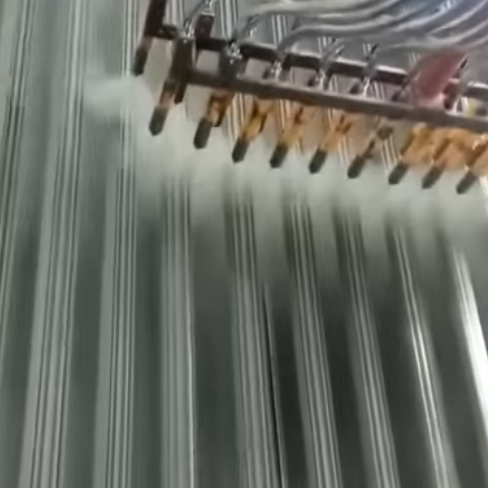
How to Choose Aluminum Profiles for Coastal & High-Salt Environments:Anodized,PVDF or Powder Coating
Powder Coating Thickness and Color Selection for Custom Extruded Aluminum Enclosures
A preliminary planning range for many powder-coated parts is approximately 60–120 µm. Actual thickness requirements depend on the coating system and its intended use.
| Parameter | What buyers should define |
|---|---|
| Coating thickness | Required dry-film thickness and measurement method |
| Color | RAL or another agreed reference |
| Gloss | Matte, satin, or gloss, with a defined acceptance method where necessary |
| Texture | Smooth or textured finish |
| Pretreatment | Required cleaning and conversion treatment |
| Curing | Coating supplier’s specified process requirements |
| Masking | Threads, grounding points, mating faces, and critical openings |
| Quality checks | Thickness, visual appearance, and additional tests when specified |
A color code alone may not define the complete appearance. Gloss, texture, substrate preparation, and batch variation can all affect the final result.
Understanding AAMA 2603, 2604, and 2605
These specifications are relevant when selecting architectural organic coatings for aluminum.
- AAMA 2603: A category for lower-performance architectural organic coatings.
- AAMA 2604: A higher-performance category with more demanding requirements.
- AAMA 2605: A superior-performance category intended for more demanding architectural applications.
They are performance specifications, not simply three coating thickness options. Their relevance depends on the product’s intended use and the coating system being supplied.
Do not automatically require AAMA 2605 for every industrial enclosure. Establish whether the application requires that level of performance and confirm the coating supplier’s documented compliance.
Avoid Problems Around Screw Channels and Grounding Points
Powder coating can build up around narrow slots, internal corners, threads, and mating features. A part that fits correctly after machining may not fit correctly after coating if the finish allowance has been overlooked.
For a complex aluminum enclosure box, identify the following on the drawing:
- Threaded holes and screw channels that require protection.
- Grounding points and electrical contact surfaces.
- Gasket grooves and sealing interfaces.
- Sliding fits and close-tolerance mating surfaces.
- Visible surfaces requiring consistent color and gloss.
Masking should be based on the function of each surface, not applied indiscriminately. Excessive masking adds labor and can increase finishing costs.
4. Liquid Painting for Specialized Aluminum Enclosure Finishes
Liquid painting is useful when a project calls for a particular coating chemistry, appearance, application method, or specialized finish system. It should be evaluated on the complete coating specification rather than on the word “paint” alone.
Depending on the formulation and application, liquid coatings may offer options for gloss, metallic appearance, color matching, primers, and specialized topcoats. Their performance depends on the complete system and the conditions in which it is applied and cured.
Liquid Paint vs. Powder Coating
| Decision factor | Liquid painting | Powder coating |
|---|---|---|
| Appearance | Can support a broad range of specialized visual effects | Offers many colors, textures, and gloss levels |
| Coating system | May use a primer and one or more topcoats | Uses a powder formulated for the intended application |
| Application | Sprayed as a liquid and cured according to the system | Applied as powder and cured |
| Thickness | Defined by the specified coating system | Defined by the specified powder system |
| Masking | Required where surfaces must remain uncoated | Required where surfaces must remain uncoated |
| Performance | Depends on chemistry, preparation, application, and curing | Depends on chemistry, preparation, application, and curing |
Neither process is universally thinner, cheaper, or more durable. The appropriate choice depends on the specific coating system, the part geometry, production volume, and performance requirements.
What About Fluoropolymer Coatings?
Fluoropolymer coating systems may be worth considering for applications requiring specific weathering or chemical-resistance characteristics. However, different fluoropolymer products have different formulations and performance requirements.
Do not assume that every fluoropolymer coating is suitable for the same environment. Ask for the product data sheet, applicable performance specification, substrate preparation requirements, and evidence supporting the claimed properties.
Specify the Complete Coating System
When requesting a quote, provide the intended environment, color and gloss requirements, coating thickness where specified, adhesion requirements, and any required weathering or corrosion tests.
For an extruded aluminum case with multiple visible panels, ask how the supplier controls appearance between batches. If color matching is important, approve a representative sample before committing to production.
The objective is not to choose the most sophisticated coating available. It is to select a documented system that meets the product’s actual requirements.
5. Chemical Conversion Coating for Electrical Contact and Pretreatment
Chemical conversion coating can be useful when corrosion protection, paint adhesion, or electrical contact requirements influence the enclosure design.
Unlike anodizing, which develops an oxide layer through an electrochemical process, conversion coating uses a chemical treatment to modify the aluminum surface. The chemistry and resulting properties vary by process.
Some conversion coatings are designed to support electrical conductivity, but conductivity and corrosion performance must be confirmed for the actual treatment and application.
Conversion Coating vs. Anodizing
| Design consideration | Chemical conversion coating | Anodizing |
|---|---|---|
| Primary function | Depends on chemistry; may support corrosion protection, electrical contact, or paint pretreatment | Develops a controlled oxide layer |
| Electrical contact | Some systems are designed for conductive contact applications | Coated areas require specific consideration for electrical bonding |
| Appearance | Often relatively subtle; varies by chemistry | Metallic or dyed finishes are available |
| Paint pretreatment | Can be suitable when specified for the coating system | Compatibility depends on the complete coating system |
| Dimensional impact | Generally small, but process-specific | Oxide growth must be considered |
| Selection basis | Required function and applicable specification | Required oxide properties, appearance, and performance |
This comparison is qualitative. Actual performance depends on the process specification and the finished component.
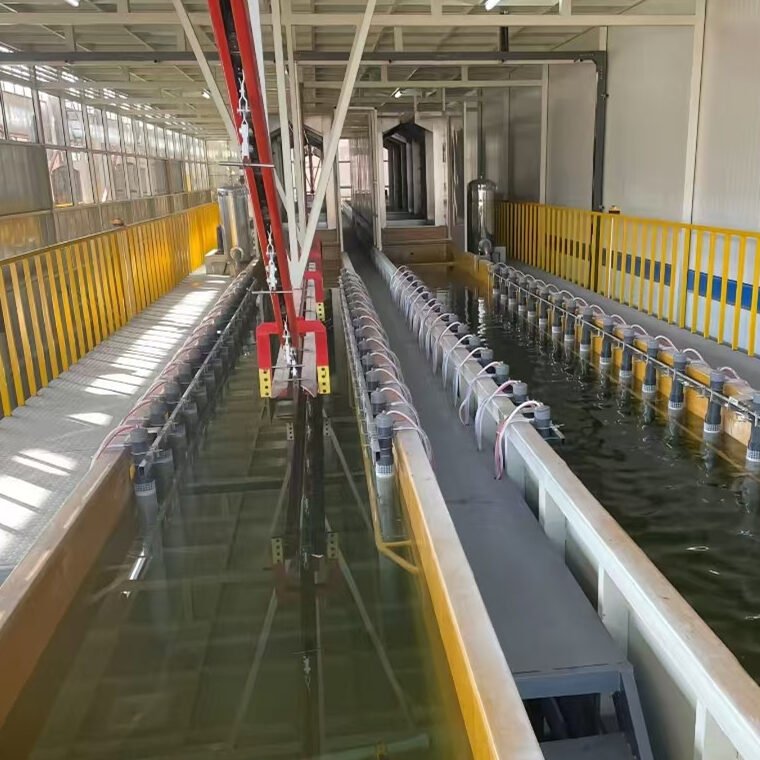
Anodized,PVDF or Powder Coating: Which Aluminum Finish Lasts Longest Near the Sea?
Protect Grounding and Bonding Surfaces
Electrical enclosures often need reliable contact between a housing, cover, grounding terminal, or adjacent component. A decorative finish should never be assumed to meet an electrical bonding requirement without verification.
Before production, define:
- The required grounding or bonding locations.
- Whether those surfaces should be masked or machined after finishing.
- The applicable electrical acceptance criteria.
- The required corrosion protection around contact areas.
- Any compatibility requirements for subsequent painting or assembly.
These details are particularly important for custom aluminum enclosures used in electrical and electronic equipment. The required contact performance should be verified on the finished assembly where appropriate.
Check Compliance and Process Compatibility
Ask the supplier to identify the conversion chemistry and relevant specification. If environmental or restricted-substance requirements apply, confirm that the proposed treatment meets the applicable requirements.
Avoid accepting a generic statement such as “conductive conversion coating” without knowing the specified process and how the required performance will be checked.
Comparing the Five Surface Finishing Options for Extruded Aluminum Enclosures
The five options serve different purposes. The table below provides a practical starting point for comparing them before requesting a supplier quotation.
| Finish | Main advantage | Main limitation | Suitable application to evaluate |
|---|---|---|---|
| Type II anodizing | Metallic appearance and general surface protection | Appearance can vary with alloy and processing | General electronics housings |
| Type III hardcoat anodizing | Higher wear resistance | Greater dimensional buildup and potential cost | Wear-prone interfaces |
| Powder coating | Broad choice of colors and textures | Coating buildup around holes and mating features | Industrial control housings |
| Liquid painting | Flexible coating-system and appearance options | Performance depends on the complete system | Specialized appearance or coating needs |
| Chemical conversion coating | Useful for specified contact or pretreatment functions | May not provide the appearance or standalone protection required | Electrical contact areas and paint pretreatment |
This is not a universal ranking. The best option depends on the required performance, actual geometry, and operating environment.
How Surface Finishing Affects Tolerances, Heat Dissipation, and Sealing
A finish can meet its own specification and still cause problems if the enclosure design does not account for it. This is why finishing requirements should be reviewed alongside machining and assembly drawings.
For buyers developing custom extruded aluminum enclosures, three areas deserve particular attention: critical dimensions, thermal interfaces, and environmental sealing.
Coating Thickness and CNC-Machined Dimensions
A finish changes the surface of the machined part. Depending on the process, coating buildup may affect the final dimensions of holes, slots, threads, and mating features.
Do not assume that every surface needs the same tolerance. Instead, identify the dimensions that directly affect assembly and define how they will be inspected after finishing.
| Feature | What to verify |
|---|---|
| Screw holes and threads | Thread fit and whether masking or post-finish machining is needed |
| Sliding interfaces | Clearance after finishing |
| Connector openings | Final dimensions and connector fit |
| Cover mating surfaces | Flatness, fit, and coating compatibility |
| Cut ends | Appearance and required edge protection |
| Precision mounting features | Final dimensions after the complete finishing process |
A practical drawing should distinguish critical functional dimensions from noncritical cosmetic dimensions. This helps the manufacturer focus inspection effort where it matters most.
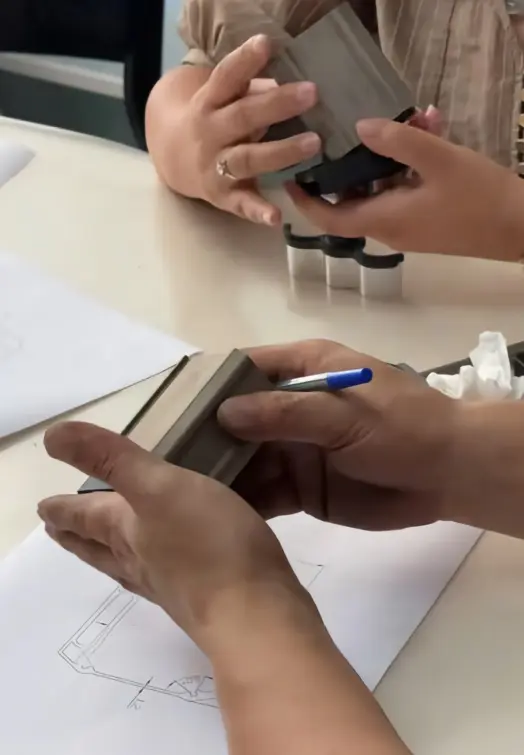
How to Remotely Evaluate Custom Aluminum Extrusion Supplier: Mold Tolerance & MOQ
Protect Thermal Contact Surfaces
An enclosure that also functions as a heat sink needs a different review from a housing that only protects electronics.
Coatings can affect thermal interfaces depending on their thickness, properties, and contact arrangement. If heat must transfer through a mounting face or a metal-to-metal interface, evaluate whether that surface should be masked or treated differently.
The decision should be based on the thermal design, not on a blanket rule that all aluminum surfaces must remain uncoated.
Keep Gasket Grooves and Sealing Faces in Mind
For housings requiring a specified ingress protection level, the finish must be compatible with the sealing design.
Review gasket grooves, cover mating faces, fastener locations, and connector openings before approving the finishing process. Coating buildup or damage during assembly can affect the final interface.
An IP rating is a property of the tested enclosure configuration, not a guarantee provided by the surface finish alone. Where ingress protection is required, validate the assembled design against the applicable test requirements.
How to Control Finishing Costs for Custom Extruded Aluminum Enclosures?
A low finishing price does not necessarily mean a low total project cost. The final cost can include surface preparation, coating, masking, inspection, special handling, and rework.
The best way to control cost is to specify what the product needs without paying for performance that the application does not require.
Understand the Main Cost Drivers of Surface Finishing for Custom Extruded Aluminum Enclosures
| Cost driver | Question to ask |
|---|---|
| Surface preparation | Is blasting, brushing, or special pretreatment necessary? |
| Finish specification | Is the specified performance appropriate for the operating environment? |
| Masking | How many holes, contact areas, and mating surfaces must remain uncoated? |
| Color and gloss | Is a custom color or multiple finishing batches required? |
| Inspection | Which measurements and tests are necessary for acceptance? |
| Order quantity | Can the production volume support an efficient finishing batch? |
| Rework risk | Have coating buildup and dimensional requirements been addressed in the drawing? |
A useful planning model is:
Total Finishing Cost = Setup + Processing + Masking + Inspection + Rework
This is a cost-planning framework rather than a universal pricing formula. Each supplier may quote these items differently.
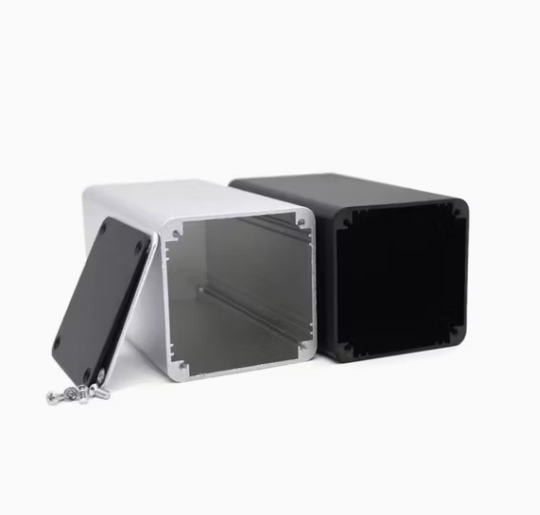
Affordable Custom Extruded Aluminum Enclosure: 5 Design Tips
Avoid Over-Specifying the Finish
For an indoor instrument housing, a suitable standard anodized finish may be sufficient. Requiring a more demanding coating system without a clear application need can add cost without delivering a meaningful benefit.
Likewise, powder coating may be the right option when color and appearance matter, but the design should account for masking and coating buildup before production begins.
Ask suppliers to quote comparable specifications. If you want to compare two finishing options, keep the alloy, geometry, order quantity, inspection scope, and acceptance criteria as consistent as possible.
Compare the Full Project Cost
When evaluating an aluminum enclosure manufacturer, consider more than the finishing line on the quotation.
Review whether the proposed process reduces the risk of rework, protects critical dimensions, and fits the planned production volume. A slightly higher unit price may be justified if it avoids assembly problems or repeated appearance rejections.
If a supplier provides a cost-saving claim, ask what process changes support it and whether the comparison is based on actual production data.
How to Evaluate an Aluminum Enclosure Manufacturer’s Finishing Quality?
An aluminum electruical enclosure manufacturer claim that it offers high-quality finishing is only a starting point. Buyers need to understand how the finish is specified, inspected, and documented.
When qualifying an aluminum enclosure manufacturer, request evidence relevant to your product rather than relying on a generic capability statement.
What Documents Should You Request?
| Verification item | Evidence to request |
|---|---|
| Finish specification | Drawing callout or approved finishing standard |
| Coating thickness | Inspection results and measurement method |
| Color and gloss | Approved sample and agreed acceptance criteria |
| Adhesion | Test results when required by the specification |
| Corrosion resistance | Test report against the specified method and acceptance criteria |
| Dimensional accuracy | Inspection results for critical post-finish features |
| Batch traceability | Relevant lot and production records |
| First-article inspection | Report covering agreed critical dimensions and finish requirements |
Not every project needs every test. The purchase specification should identify which checks are required, how samples are selected, and what constitutes acceptance.
Verify Corrosion-Test Claims Carefully
A statement such as “tested for 500 hours of salt spray” is incomplete without additional context.
Ask which test method was used, what the specimen preparation involved, whether the sample included cut edges or machined features, and what failure criteria applied. Test duration alone does not establish how long an enclosure will last in a real environment.
Accelerated corrosion testing can help compare performance under defined conditions, but it should not be treated as a direct prediction of service life without supporting evidence.
Approve the First Article Before Mass Production
A first-article review is a useful opportunity to inspect the finished part rather than just the machined component.
For representative aluminum extrusion enclosures, check the color and surface appearance, critical dimensions, thread fit, gasket interfaces, connector openings, and any specified electrical contact areas.
If the order includes multiple parts or finishing batches, agree on how color consistency and dimensional conformity will be maintained. Retain an approved sample or documented reference where appropriate.
What to Include in an RFQ for Custom Extruded Aluminum Enclosures?
A complete request for quotation helps the supplier select the right finishing process and identify potential design problems before production of custom aluminum enclosures electronics.
Include the following information with your drawing or CAD file:
- Part design: 2D engineering drawing, 3D CAD file, and critical dimensions.
- Material: Required aluminum alloy and temper, if already established.
- Application: Indoor or outdoor use, moisture exposure, chemicals, UV, temperature, and mechanical contact.
- Finish: Anodizing type, powder coating, liquid painting, or conversion coating, with the required specification.
- Appearance: Color reference, gloss, texture, and sample approval requirements.
- Functional areas: Threads, grounding points, thermal interfaces, gasket grooves, and surfaces that require masking.
- Inspection: Coating thickness, dimensional checks, color acceptance, and any specified performance tests.
- Quantity: Prototype requirements, initial order quantity, and annual production forecast.
- Packaging: Protection needed to prevent scratches or coating damage during transport.
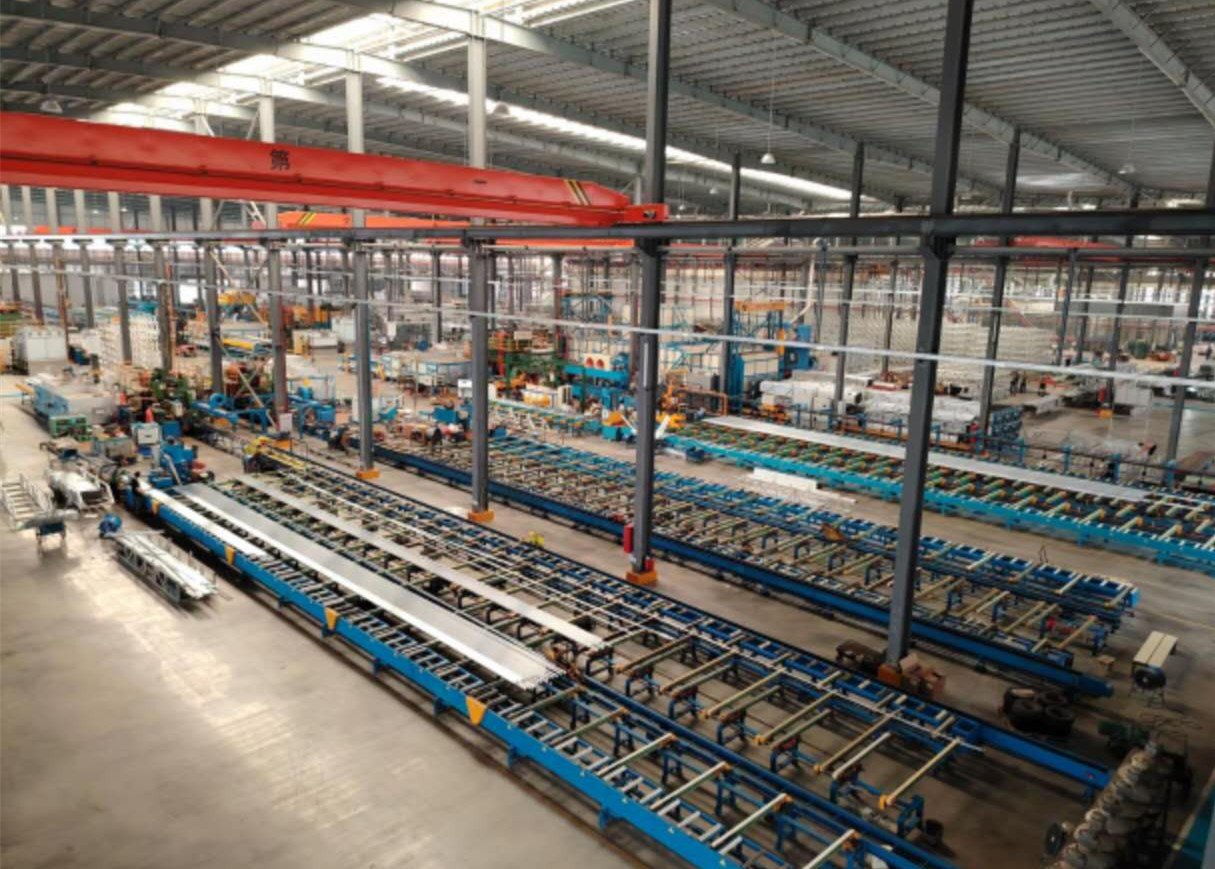
How to Calculate Aluminum Profile Cost: Estimate Aluminum Extrusion Price
For an project of extruded aluminium enclosures electronics, also explain whether the housing must dissipate heat, maintain electrical continuity, or meet a defined ingress protection requirement. These details can change both the finishing recommendation and the required inspection plan.
A good supplier should be able to explain the trade-offs between the proposed finish options and identify which requirements need clarification before quoting.
Need a Surface Finish for Your Custom Extruded Aluminum Enclosures?
Vanway Tech supports custom aluminum extrusion projects with secondary CNC machining and surface-finishing options. Share your 2D drawing or 3D CAD file, along with the enclosure’s application, available installation space, load requirements, and thermal needs if cooling is required. Please also specify your required alloy, surface finish, critical dimensions, initial order quantity, and estimated annual demand.
Our team can review your requirements and help assess profile design, alloy selection, machining needs, and production options. When requesting a quote, ask for a clear breakdown of extrusion die costs, material, CNC machining, surface finishing, and inspection. This makes it easier to compare options and find a practical balance between upfront cost, product quality, and long-term production value.

Vanway-Tech丨 Premium Quality Aluminum Electrical Enclosure Manufacturer From China Since 2015

How Vanway Tech Evaluates Custom Extruded Aluminum Enclosures Designs?
Vanway Tech evaluates custom extruded aluminum enclosure requirements based on the profile drawing, internal component layout, mechanical interfaces, thermal requirements, surface finish, and production quantity.
For a new custom extruded aluminum enclosure project, the design review should identify critical dimensions, PCB mounting features, end-panel interfaces, machining operations, and sealing requirements before tooling is finalized. Where thermal management or environmental protection is important, the customer should also define the required operating conditions and validation criteria.

The final manufacturing route should be selected according to the enclosure geometry, functional requirements, tooling investment, and expected production volume. Project-specific tolerances, finishing options, and inspection requirements should be confirmed in the quotation and approved drawing.
Reach out to the Vanway Tech engineering team to discuss flexible batch options or get a straightforward quote on your next run.

Contact our technical engineering team today to review your project requirements, verify pretreatment specifications, and request sample test reports.
Frequently Asked Questions About Extruded Aluminum Enclosures – FAQs
Q1. What is the best surface finish for extruded aluminum enclosures?
A: The best finish depends on the extruded aluminum enclosures’s operating environment, appearance requirements, wear exposure, electrical contact needs, and dimensional tolerances. Type II anodizing suits many general-purpose housings, powder coating offers flexible color options, and hardcoat anodizing is worth considering for wear-prone surfaces.
Q2. Is anodizing better than powder coating for aluminum extrusion enclosures?
A: Neither is universally better. Anodizing retains a metallic appearance and creates an oxide layer, while powder coating provides an opaque decorative layer with a broad choice of colors and textures. The right surface finishing option depends on the environmental, dimensional, and cosmetic requirements.
Q3. What anodizing thickness should I specify for custom extruded aluminum enclosures?
A: A common starting reference for Type II anodizing is approximately 5–25 µm. The final specification should reflect corrosion exposure, wear, appearance, applicable standards, and dimensional constraints.
Q4. Can surface finishing affect heat dissipation and IP-rated sealing?
A: Yes. Coatings can affect thermal interfaces, dimensional fits, and gasket contact surfaces. Buyers should identify critical thermal paths, sealing faces, and threaded or electrical contact areas before production.
Q5. What should I provide to an aluminum electrical enclosure manufacturer for a finishing quote?
A: Provide the 2D drawing or 3D CAD file, alloy and temper, operating environment, required finish and thickness, color or sample reference, critical tolerances, masking locations, inspection requirements, order quantity, and annual forecast.
Related Articles You May Interested In
Ultimate Guide to Source Custom Aluminum Extrusions From China
How to Verify Primary vs. Recycled Aluminum Extrusions
Aluminum Extrusion Sourcing: How Mastering MOQ Unlocks 15%+ Procurement Savings
Contact With Vanway Tech Team for Premium Aluminium Extrusion Products!
Enquire with UsConnect with Vanway Tech Team for Premium Aluminium Extrusion Products.
Contact InfoWe are looking forward to hearing from you!
-
Email: info@vanway-tech.com
-
Address: No. 588, Wuyi South Road, CSJ Moldware Town, Wujin, Changzhou, Jiangsu, China
Scan Below Codes to Contact Us Immediately.