Vanway Precision Materials Tech Co.,Ltd


Aluminum Trims Edge vs. PVC: 5 Proven Sourcing Rules
How to Choose Aluminum Trims Edge vs. PVC: 5 Proven Rules for B2B Sourcing ?
Table of Contents
When sourcing edge trim for commercial interiors, construction projects, furniture, or industrial applications, choosing between aluminum edge trim molding and PVC is not simply a question of price. Aluminum is generally the better choice for exposed edges that need impact resistance, dimensional stability, a premium finish, and long-term service. PVC is more suitable for low-cost, lightweight applications where flexibility and easy installation matter more than structural durability.
However, buying the wrong material can create problems that are much more expensive than the original price difference. A PVC edge may deform near a heat source, while an aluminum profile may add unnecessary cost to a low-impact indoor project.
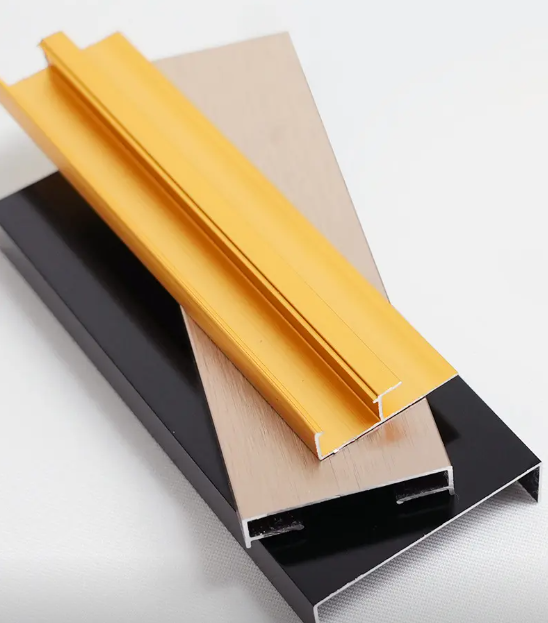
Custom Decorative Aluminum Profiles & Extrusion Trims: Ultimate B2B Sourcing Guide
For B2B buyers, the decision should come down to five factors: application conditions, mechanical performance, surface finish, total purchasing cost, and supplier manufacturing capability.
This guide compares aluminum and PVC using practical engineering parameters, sourcing examples, and inspection criteria. It also explains how to evaluate aluminum trim edging suppliers before placing a bulk order.
1. Aluminum Trims Edge vs. PVC: Understand the Material Differences Before Sourcing
The first sourcing rule is straightforward: choose the material according to the working environment, not just its purchase price.
Aluminum and PVC serve different purposes. Aluminum is a metal profile manufactured through extrusion, while PVC edge trim is typically produced through plastic extrusion. Their differences affect strength, heat resistance, dimensional stability, and long-term appearance.
Aluminum Trims Edge vs. PVC: Key Material Properties
The following table provides indicative engineering reference values. Actual performance depends on alloy, temper, PVC formulation, additives, profile geometry, and test conditions.
| Performance Parameter | Aluminum (6063-T5 Reference) | Rigid PVC (Typical Reference) |
|---|---|---|
| Density | 2.70 g/cm³ | 1.35–1.45 g/cm³ |
| Tensile strength | Approximately 160 MPa | Approximately 40–55 MPa |
| Elastic modulus | Approximately 69 GPa | Approximately 2.4–3.5 GPa |
| Thermal conductivity | Approximately 200–201 W/(m·K) | Approximately 0.14–0.19 W/(m·K) |
| Linear thermal expansion | Approximately 23.5 × 10⁻⁶/K | Approximately 50–80 × 10⁻⁶/K |
| Electrical conductivity | Conductive | Insulating |
| Corrosion behavior | Forms a protective oxide layer | Does not rust |
| Surface treatment | Anodizing, powder coating, polishing | Pigmentation, printing, surface film |
| Rigidity | High | Lower |
| Recyclability | Established aluminum recycling streams | Depends on PVC type and local recycling facilities |
Note: These are indicative material-level values, not guaranteed finished-profile specifications. Rigid PVC values should not be applied to flexible PVC or PVC foam products. Request material datasheets and test reports for the exact grade being purchased.
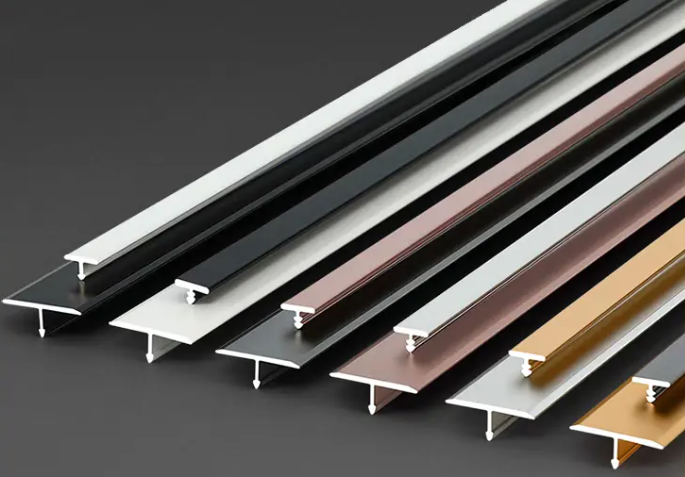
Standard vs Custom Aluminum Edge Trim: 6 Superior Buying Rules
Why Aluminum Performs Better in High-Impact Applications?
Aluminum offers considerably higher stiffness than rigid PVC. Its elastic modulus is approximately 69 GPa, compared with roughly 2.4–3.5 GPa for rigid PVC.
What does this mean in practice?
An aluminum trims edge profile is less likely to bend under the same loading conditions when geometry and support are comparable. It is therefore suitable for:
- Commercial wall protection and corner protection.
- Furniture edges exposed to frequent contact.
- Flooring transitions and tile edge protection.
- Equipment enclosures and industrial trim components.
- Architectural decorative edge profiles.
PVC is not automatically unsuitable for these applications. It can work well as a protective or decorative strip in areas with limited mechanical loading.
When PVC Is the More Practical Option?
PVC has two clear advantages: lower material cost and greater flexibility.
For example, a flexible PVC edge can follow curved furniture edges without requiring the same bending operations as a rigid aluminum profile. It can also reduce the risk of direct metal-to-metal contact.
Choose PVC when:
- The project has a tight initial material budget.
- The trim is installed indoors under moderate temperatures.
- The application requires flexible or curved edging.
- High impact resistance is not a major requirement.
- A lightweight, non-conductive material is preferred.
Sourcing conclusion: For exposed, high-contact, or premium architectural applications, aluminum is usually the stronger long-term option. For basic indoor edging and flexible decorative applications, PVC can provide better initial cost efficiency.
2. Aluminum Trim Edging vs. PVC: Evaluate Durability, Heat, and Environmental Resistance
A low purchase price means very little if the trim needs replacement after a short period.
Before selecting aluminum edge trim molding or PVC, buyers should assess three operating conditions: mechanical contact, temperature changes, and exposure to moisture or chemicals.
Impact Resistance and Dimensional Stability
Aluminum profiles generally maintain their shape better under mechanical loading because of their higher stiffness.
Consider a commercial furniture manufacturer producing 2,000 cabinet units annually.
If the cabinet edges are frequently exposed to carts, tools, or cleaning equipment, a thin PVC strip may become scratched, detached, or locally deformed depending on its formulation and installation.
An appropriately designed aluminum profile provides a more rigid protective edge.
However, thickness alone does not determine performance. Profile geometry, wall thickness, fixing method, and edge radius also matter.
| Design Factor | Aluminum Trim | PVC Trim |
|---|---|---|
| Typical profile thickness | 0.8–2.0 mm for many decorative applications | 1.0–3.0 mm, depending on design |
| Edge rigidity | High | Low to medium |
| Resistance to permanent bending | Generally high | Depends strongly on formulation |
| Flexibility | Limited without forming | Available in rigid and flexible grades |
| Impact performance | Depends on alloy, thickness, and geometry | Depends on polymer formulation and impact modifiers |
| Fixing methods | Screws, clips, adhesive, mechanical interlock | Adhesive, snap-fit, insert, or mechanical fixing |
These thicknesses are starting points for design discussion, not universal manufacturing standards.
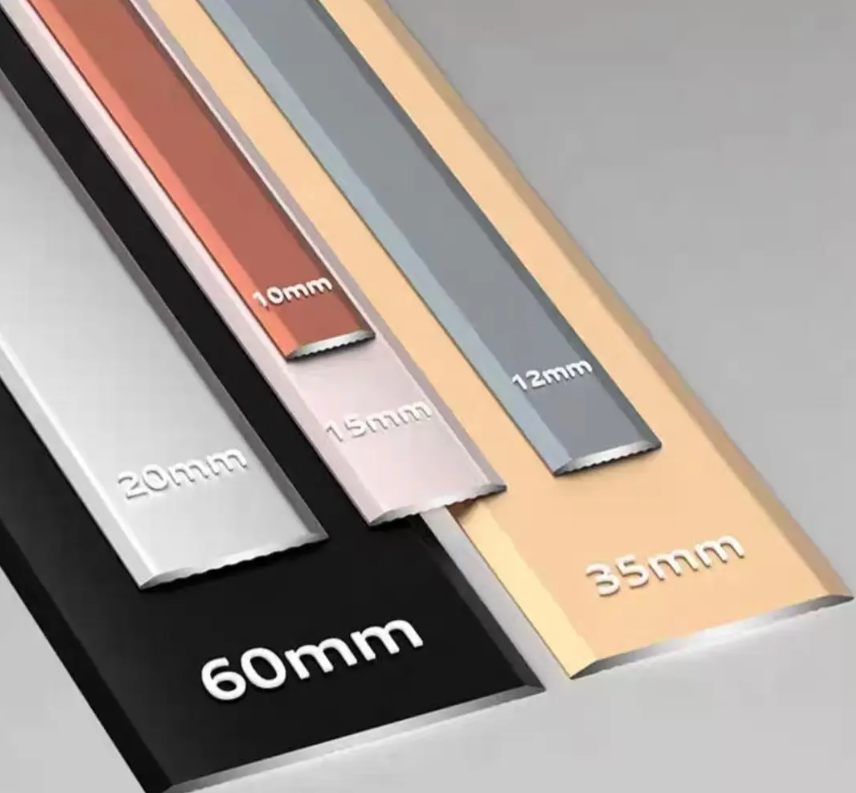
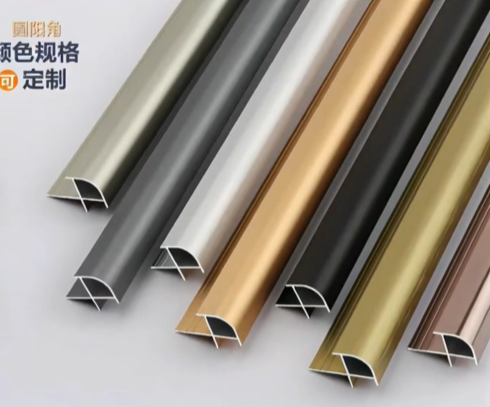
How to Select Architectural Aluminum Divider Reveal Trim: Specs & Finish Guide
Temperature Resistance: A Critical Purchasing Factor
Temperature is one of the most overlooked differences between aluminum and PVC.
Aluminum retains its basic structural properties across a wider temperature range than ordinary rigid PVC. PVC becomes increasingly vulnerable to softening and deformation as temperature approaches its formulation-dependent heat-deflection or softening limits.
For example:
- A decorative PVC strip installed inside a climate-controlled office may perform satisfactorily.
- The same material positioned beside industrial equipment or a sun-exposed window may experience greater thermal movement or deformation.
- An aluminum trim is generally more suitable where temperature fluctuations and dimensional stability are important.
Buyers should not rely on a generic maximum-temperature claim. Request the supplier’s actual heat-deflection temperature (HDT), Vicat softening temperature, or applicable thermal test data for PVC.
Corrosion, Moisture, and Chemical Exposure
Aluminum does not rust like steel, but it can still corrode under aggressive environmental conditions.
For coastal buildings, swimming pool facilities, and chemical-processing areas, the finish and alloy selection become particularly important.
| Application Environment | Recommended Material | Purchasing Consideration |
|---|---|---|
| Standard indoor office | Aluminum or PVC | Select based on impact and appearance |
| Commercial corridors | Aluminum | Prioritize surface durability |
| Wet interior areas | Aluminum or PVC | Check chemical and moisture compatibility |
| Coastal architecture | Properly specified aluminum | Confirm alloy and protective coating |
| Industrial equipment | Aluminum | Evaluate chemical exposure and operating temperature |
| Curved furniture edges | Flexible PVC or formed aluminum | Check bending radius and installation method |
Important: Neither aluminum nor PVC should be selected solely because it is described as waterproof or corrosion-resistant. Cleaning chemicals, UV exposure, humidity, temperature, and installation conditions all affect actual service performance.
3. Aluminum Edge Trim Molding vs. PVC: Compare Surface Finishes, Appearance, and Customization
Appearance is not just a design consideration. In commercial projects, it can affect brand consistency, maintenance requirements, and replacement costs.
This is where aluminum edge moulding has a clear advantage for projects requiring consistent metallic finishes and customized profile geometry.
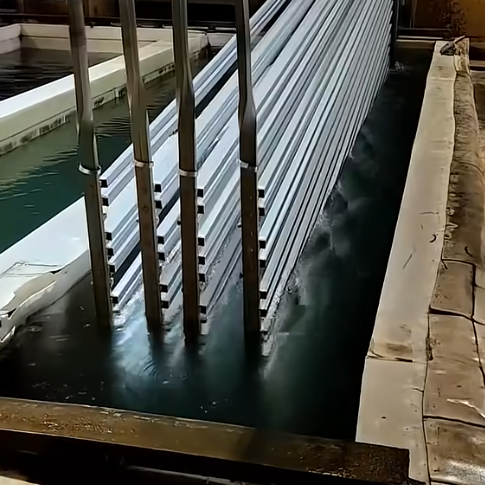
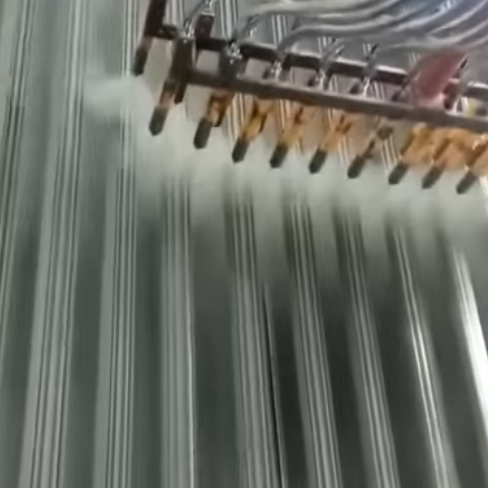
Which Surface Finish Is Better for Aluminum and PVC?
Aluminum supports several industrial finishing processes, each offering different appearance and performance characteristics.
Typical reference ranges for aluminum finishes; actual coating specifications depend on the process and application.
| Surface Finish | Typical Thickness | Main Advantages | Suitable Applications |
|---|---|---|---|
| Clear anodizing | 10–25 μm | Metallic appearance, improved surface protection | Interior trim, architectural profiles |
| Black anodizing | 10–25 μm | Consistent dark metallic finish | Furniture, electronics, decorative trim |
| Powder coating | 60–100 μm | Wide color selection, decorative protection | Commercial interiors, building trim |
| Polished aluminum | Process-dependent | Reflective premium appearance | Decorative edge profiles |
| Brushed aluminum | Process-dependent | Directional metallic texture | Furniture and architectural decoration |
PVC uses a different finishing approach.
Color is usually introduced through pigments, co-extrusion, printing, or surface films. This allows manufacturers to offer a range of colors without anodizing or powder coating.
However, buyers should distinguish between a colored PVC surface and a protective surface treatment. Color consistency, UV stability, scratch resistance, and adhesion should all be verified.
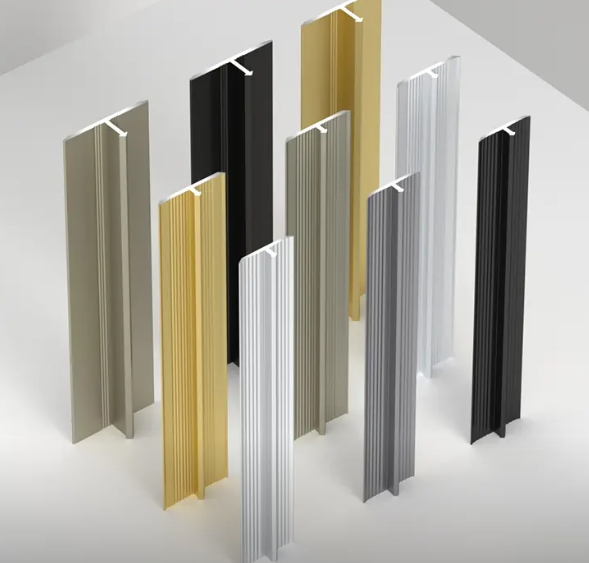
Anodized vs Powder-Coated Aluminum Trims Edge: Best B2B Selection Guide
Custom Aluminum Trim Molding: What Can Manufacturers Produce?
Custom extrusion is particularly useful when standard edge profiles do not fit the project.
For example, a furniture manufacturer may require an aluminum trim with:
- A 12 mm visible face.
- A 1.5 mm nominal wall thickness.
- A concealed adhesive channel.
- A rounded external edge.
- A black anodized surface.
Instead of purchasing a standard profile and modifying it manually, the buyer can develop a custom extrusion profile around the installation requirements.
A custom PVC extrusion can also provide complex cross-sections and flexible geometries. Its advantage is that it can be designed around plastic flexibility, integrated lips, and snap-fit features.

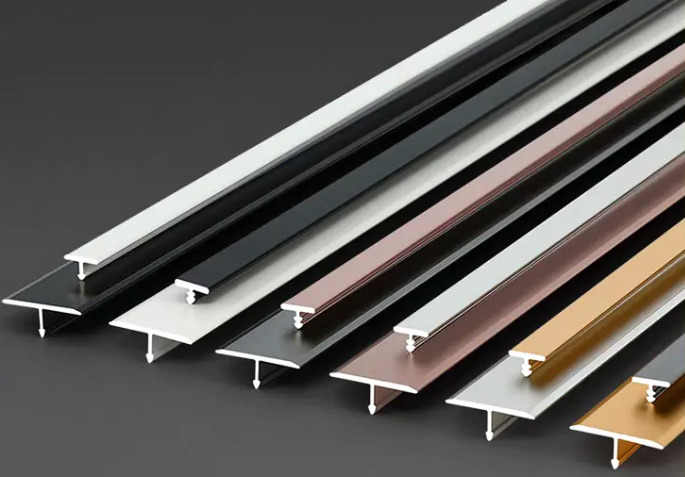
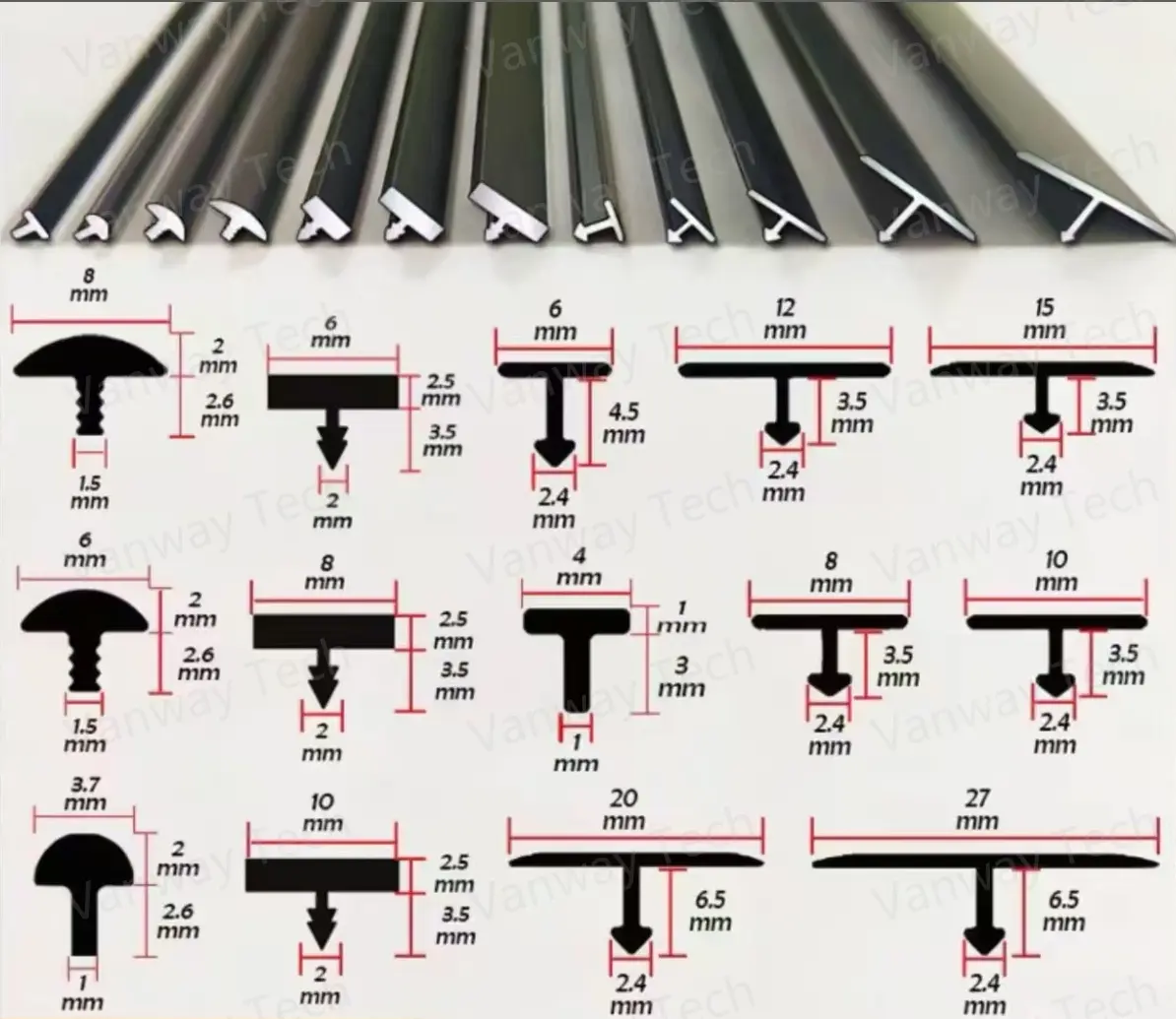
20mm T Shape 1.0mm Wall Thickness Aluminum Edge Trim Profiles for Interior Wall Panel Edge Finishing
The better option depends on the required geometry:
| Customization Requirement | Aluminum | PVC |
|---|---|---|
| Metallic appearance | Excellent | Requires surface film or printing |
| Anodized finish | Yes | No |
| Multiple color options | Yes, through coating | Yes, through pigmentation |
| Integrated fixing channels | Yes | Yes |
| Flexible curved edge | Requires forming or special design | Available |
| High-rigidity section | Excellent | Limited |
| Complex hollow geometry | Possible through extrusion | Possible through extrusion |
Practical recommendation: If the project requires a premium metallic appearance, high rigidity, and consistent surface quality, choose custom aluminum extrusion. If the design depends on flexibility, soft contact edges, or low-cost colored components, PVC deserves consideration.
4. Aluminum Edge Moulding vs. PVC: Calculate the Total Cost Before Placing a Bulk Order
A cheaper unit price does not necessarily mean a cheaper project.
For procurement teams, the correct comparison should include material cost, tooling, processing, installation, maintenance, replacement frequency, and shipping.
This is especially important when comparing custom aluminum extrusion with standard PVC edging.
Compare the Purchasing Cost of Aluminum and PVC
The following is an illustrative B2B purchasing scenario, not a market quotation. It shows how to structure a supplier comparison.
Example: A furniture manufacturer needs 5,000 meters of edge trim.
| Cost Item | Aluminum Edge Trim | PVC Edge Trim |
|---|---|---|
| Unit price per meter | $3.20 | $1.80 |
| Quantity | 5,000 m | 5,000 m |
| Initial material cost | $16,000 | $9,000 |
| Custom tooling cost | $1,200 | $600 |
| Installation cost per meter | $0.45 | $0.35 |
| Total installation cost | $2,250 | $1,750 |
| Initial project cost | $19,450 | $11,350 |
In this example, PVC saves $8,100 in initial purchasing and installation costs.
But the comparison should not stop there.
Suppose the aluminum trim is expected to serve for 15 years, while the PVC trim requires replacement after 5 years under the assumed project conditions.
Over a 15-year period:
| Cost Component | Aluminum | PVC |
|---|---|---|
| Initial project cost | $19,450 | $11,350 |
| Replacement cycles within 15 years | 0 | 2 |
| Replacement project cost | $0 | $22,700 |
| Illustrative 15-year total | $19,450 | $34,050 |
The 5-year and 15-year service periods are hypothetical assumptions for illustrating TCO, not guaranteed product lifetimes. The example excludes inflation, financing, downtime, disposal, and changes in labor or material prices. Replacement costs are assumed to remain constant.
The example demonstrates an important purchasing principle: PVC can be cheaper initially, while aluminum can become more economical when longer service life reduces replacement costs.
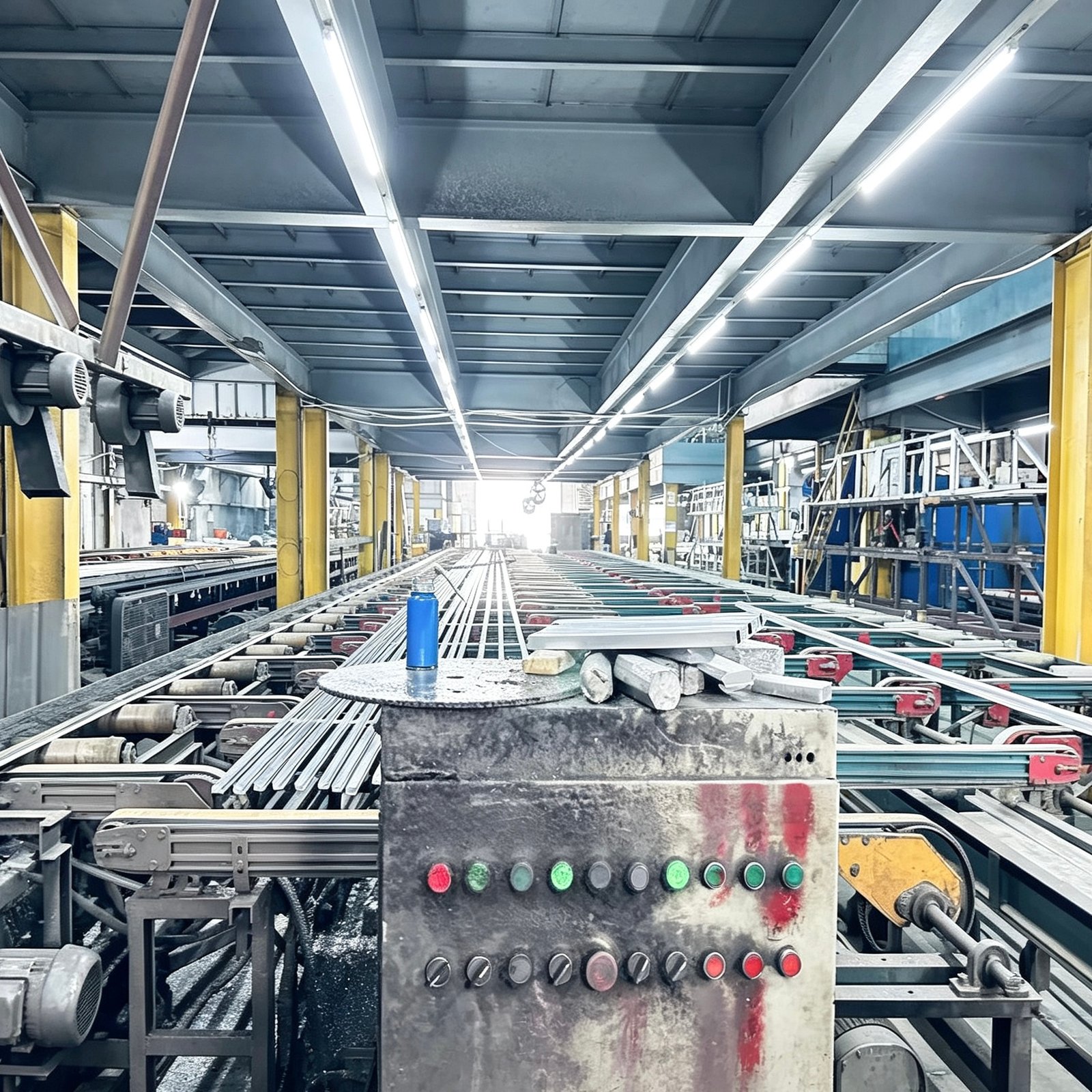
How to Calculate Aluminum Profile Cost: Estimate Aluminum Extrusion Price
How to Calculate the Total Cost of Aluminum Trim Molding
Use the following formula to compare aluminum and PVC edge trim costs:
Total Cost of Ownership (TCO) = Tooling Cost + (Unit Price × Order Quantity) + Installation Cost + Maintenance Cost + Replacement Cost
Where:
- Tooling Cost: Cost of developing the extrusion die.
- Unit Price: Purchase price per meter.
- Order Quantity: Total meters ordered.
- Installation Cost: Labor and installation expenses.
- Maintenance Cost: Expected maintenance expenses.
- Replacement Cost: Cost of replacing the product during the evaluation period.
Example:
An aluminum extrusion supplier quotes:
- Extrusion die cost: $1,200
- Unit price: $3.20 per meter
- Order quantity: 5,000 meters
Calculation:
Material Cost = $3.20 × 5,000 = $16,000
Total Cost = $1,200 + $16,000 = $17,200
Therefore, the initial material and tooling cost is $17,200, excluding installation, maintenance, and future replacement expenses.
Five Cost Items B2B Buyers Should Confirm
Before accepting a quotation, ask suppliers to separate the following costs:
- Raw material: Specify alloy, temper, and material pricing basis.
- Tooling: Confirm whether the extrusion die is included or charged separately.
- Secondary processing: Identify cutting, drilling, punching, CNC machining, and finishing charges.
- Surface treatment: Confirm anodizing or powder coating specifications and thickness.
- Packaging and delivery: Include protective film, individual packaging, palletization, and freight.
A supplier offering a low aluminum price but charging separately for every machining and finishing operation may not provide the lowest total cost.
5. Aluminum Trim Molding vs. PVC: Verify Supplier Manufacturing Quality Before Ordering
Even a well-designed aluminum profile can become a purchasing problem if the manufacturer cannot control extrusion dimensions, finishing consistency, and delivery quality.
For B2B buyers, supplier verification should be part of the material selection process.
Do not evaluate an aluminum edge trim supplier based on product photographs alone. Request actual samples, dimensional inspection records, material certificates, and finishing specifications.
Check These Five Manufacturing Details Before Approving a Supplier
| Inspection Item | What Buyers Should Verify | Suggested Acceptance Requirement |
|---|---|---|
| Alloy and temper | Material certificate and traceability | Confirm 6063-T5 or specified grade |
| Profile dimensions | Cross-section, wall thickness, overall width | Match approved engineering drawing |
| Cutting accuracy | Length and end-face quality | Example: ±0.5 mm, if agreed |
| Surface finish | Color, coating thickness, scratches, and defects | Match approved finish sample and specification |
| Packaging | Protection against scratches and deformation | Individual protection where required |
The tolerances above are suggested purchasing targets, not universal extrusion standards. The final drawing and purchase agreement should define the actual acceptance limits.
Material Verification: Do Not Accept Alloy Claims Without Documentation
For aluminum trim molding, 6063-T5 is commonly used because it offers good extrudability, surface finishing characteristics, and suitability for architectural and decorative profiles.
Its indicative material properties include:
| Property | 6063-T5 Reference Value |
|---|---|
| Density | 2.70 g/cm³ |
| Ultimate tensile strength | 186 MPa |
| Yield strength | 145 MPa |
| Elastic modulus | 68.9 GPa |
| Thermal conductivity | 209 W/(m·K) |
| Linear thermal expansion | 23.4 × 10⁻⁶/K |
These are typical reference values, not guaranteed minimum values for every production batch. Confirm the required mechanical properties against the applicable material standard and supplier certificate.
For material verification:
- Request an inspection certificate or mill test certificate (MTC).
- Check the alloy designation and temper.
- Confirm batch or lot traceability.
- Use XRF for alloy screening where appropriate.
- Use OES when more detailed elemental composition verification is required.

6063-T5 vs 6061-T6 Aluminum Extrusions: Which Alloy Fits Your Project?
Surface Quality Inspection for Aluminum Edge Moulding
A visually attractive sample is not enough. Buyers should inspect the actual production characteristics.
Pay attention to:
1. Surface scratches and extrusion lines
Check whether visible die lines, scratches, dents, or handling marks are acceptable for the intended finish.
2. Color consistency
Compare samples from different production batches under consistent lighting. Anodized color can vary with alloy, temper, surface structure, and processing conditions. Agree on an acceptable color range before mass production. AAC
3. Coating thickness
For anodized products, specify the required coating thickness and an appropriate inspection method. ASTM B244 and ISO 2360 are relevant methods for measuring non-conductive coating thickness on non-magnetic conductive substrates. AAC
4. Dimensional accuracy
Measure the profile’s overall width, height, wall thickness, mounting slots, and critical contact surfaces.
5. Packaging protection
Long aluminum trims can be scratched or bent during transportation. Confirm protective film, separators, cartons, and pallet requirements before shipment.
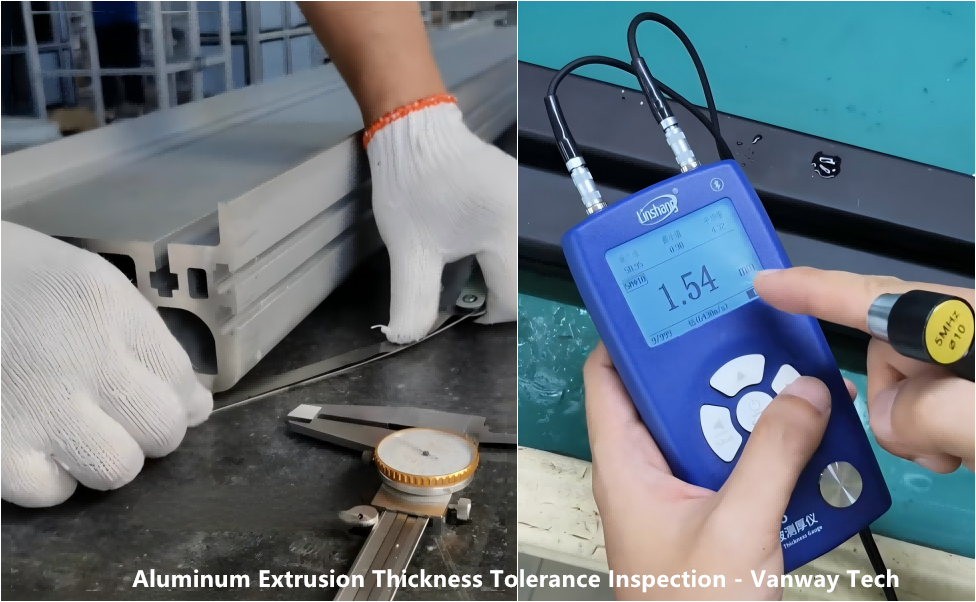
How to Remotely Evaluate Custom Aluminum Extrusion Supplier: Mold Tolerance & MOQ
Five Questions to Ask an Aluminum Trim Supplier
Before approving a manufacturer, ask:
- Can you manufacture according to our 2D drawings or 3D CAD files?
- Which aluminum alloys and tempers can you supply?
- Can you provide custom extrusion dies and samples before mass production?
- What anodizing and powder-coating options are available?
- Can you provide dimensional inspection reports and material traceability?
Aluminum or PVC – Which Edge Trim Should B2B Buyers Choose?
The answer depends on the project’s operating conditions, expected service life, and purchasing budget.
However, if your project requires high rigidity, impact protection, metallic appearance, dimensional stability, and long-term use, aluminum trims edge is generally the better investment. PVC remains a practical alternative for low-cost indoor applications, flexible edging, and projects where structural performance is less important.
Use these five sourcing rules when making your final decision:
| Sourcing Rule | Choose Aluminum When | Choose PVC When |
|---|---|---|
| 1. Material performance | High rigidity and impact resistance matter | Flexibility and low weight matter |
| 2. Durability | Long-term use and dimensional stability are priorities | Shorter-term indoor use is expected |
| 3. Surface finish | Metallic appearance and anodizing are required | Colored plastic surfaces are sufficient |
| 4. Total cost | Replacement costs and lifecycle value matter | Initial purchasing budget is the priority |
| 5. Supplier capability | Custom extrusion and machining are needed | Standard plastic profiles meet the design |
For manufacturers, distributors, and project procurement teams, the best approach is to compare actual samples, technical specifications, and total landed costs before placing a bulk order.
If your project requires customized aluminum trim molding, send your drawings, required alloy, surface finish, and estimated order quantity to Vanway Tech for a manufacturing assessment and quotation.
Vanway-Tech丨 Premium Quality Decorative Aluminum Trims Edge Profiles Manufacturer From China Since 2015

Vanway Tech can review profile drawings before tooling to identify potential extrusion, finishing, machining, and installation issues.
We manufacture custom aluminum extrusion profiles for architectural, interior, furniture, lighting and industrial applications, from profile design and extrusion tooling to surface finishing and secondary fabrication.
| Manufacturing Capability | Vanway Tech |
|---|---|
| Established | 2015 |
| Aluminum Alloys | 6063 / 6061 / 6005A* |
| Temper | T5 / T6* |
| Surface Finishes | Anodizing / Powder Coating / Brushing* |
| Secondary Processing | Cutting / CNC / Drilling / Punching* |
| Custom Tooling | Available + Effective |
How Vanway Tech Supports Custom Aluminum Trims Edge Projects?
For buyers who need more than standard decorative profiles, Vanway Tech provides custom aluminum extrusion and secondary processing solutions.
Its manufacturing capabilities include:
- Aluminum extrusion using 500T–5,500T extrusion lines.
- Common alloys including 6063, 6061, 6082, and other aluminum grades.
- Custom extrusion die development based on customer drawings.
- CNC machining, cutting, punching, and bending.
- Anodizing, powder coating, and other surface finishing options.
- Dimensional and appearance inspection before shipment.

Cheap Aluminum Extrusions from China?China vs. Local Aluminum Extrusion Suppliers
For a custom aluminum trim edging project, you can prepare the following information before requesting a quotation:
| RFQ Information | Recommended Details |
|---|---|
| Drawings | 2D cross-section or 3D CAD |
| Alloy | 6063-T5 or other specified grade |
| Dimensions | Width, height, wall thickness, and length |
| Surface finish | Clear anodized, black anodized, or powder-coated |
| Quantity | Prototype quantity and annual demand |
| Application | Furniture, flooring, architecture, or industrial equipment |
| Packaging | Protective film, individual packaging, or bulk packing |
A useful supplier should be able to review the drawing, identify extrusion and machining limitations, recommend a suitable alloy and wall thickness, and provide a quotation with tooling and processing costs clearly separated.
Have a Custom Aluminum Profile Drawing?
Send us your CAD drawing, PDF or sample. Our engineers can review the profile geometry, wall thickness, alloy, finish and secondary operations before quotation.
Frequently Asked Questions About Aluminum Trims Edge and PVC Edge Trims
Q1. Is aluminum edge trim better than PVC edge trim?
A: For applications requiring high rigidity, impact resistance, and a premium metallic finish, aluminum is generally better. PVC is more suitable for flexible edging, basic furniture applications, and projects with strict initial cost limits.
Q2. What aluminum alloy is best for decorative aluminum trim edging?
A: 6063-T5 is a common choice for decorative aluminum trim edging. It offers good extrusion performance, surface finishing characteristics, and corrosion resistance for many architectural and furniture applications.
6061-T6 may be considered when higher mechanical strength is required, although its extrusion and finishing characteristics differ from 6063.
Q3. Does aluminum edge trim molding rust or corrode?
A: Aluminum does not develop red rust like steel. It naturally forms a protective oxide layer, but aggressive chemicals, salt exposure, and unsuitable installation conditions can still cause corrosion.
For outdoor or coastal projects, specify an appropriate alloy and protective finish.
Q4. Can aluminum trim replace PVC edging in furniture manufacturing?
A: Yes. Aluminum can replace PVC edging when the furniture design requires a more rigid protective edge, metallic appearance, or premium finish.
However, buyers should check profile weight, fixing methods, edge radius, machining requirements, and installation costs before changing materials.
Q5. What is the standard thickness of aluminum edge moulding?
A: There is no single universal standard. Many decorative extrusion designs start around 0.8–2.0 mm, depending on profile geometry and application.
For example, a 1.5 mm wall thickness can be a reasonable starting point for a decorative furniture edge profile. High-impact applications may require a thicker wall or a reinforced cross-section.
Q6. Can aluminum trim molding be customized in different colors and finishes?
A: Yes. Aluminum trim molding can be supplied with clear anodizing, black anodizing, colored anodizing, powder coating, brushing, and polishing.
The required finish should be confirmed before production, particularly when matching multiple production batches.
Q7. What information should I provide when requesting a custom aluminum trims edge quotation?
A: B2B buyers should provide:
– 2D engineering drawings or 3D CAD files.
– Required aluminum alloy and temper.
– Profile dimensions and wall thickness.
– Surface finish and color.
– Required cutting length.
– Initial order quantity and annual demand.
– Packaging and shipping requirements.
These details help manufacturers evaluate extrusion feasibility, tooling requirements, and secondary processing costs.
Q8. How do I find a reliable custom aluminum trim molding manufacturer?
A: Look for a manufacturer with in-house extrusion capabilities, custom die development, machining facilities, surface treatment options, and documented quality inspection procedures.
Request a production sample before approving bulk orders. Also check material certificates, dimensional reports, coating specifications, and packaging standards.
A reliable manufacturer should be able to explain how your profile will be produced, where potential dimensional problems may occur, and how those issues will be controlled during mass production.
Related Articals You May Interested In
How to make your Aluminum Solar Panel Frame more cost-effective in 2026?
Skived vs. Forged vs. Forged Aluminum Heat Sinks – Sourcing the Right Aluminum Heat Sink
Top-Rated Custom Extruded Aluminum Heat Sink Suppliers in USA & Canada in 2026
How to make your solar module frame aluminum extrusions more cost-effective?
Top 10 Custom PV Module Aluminum Frame Extruders in Gujarat & India (2026)
Aluminum Extrusion Die Cost Breakdown:What Affecting Pricing
Aluminum Extrusion Sourcing: How Mastering MOQ Unlocks 15%+ Procurement Savings
7 Costly Custom Aluminum Extrusion Sourcing Mistakes Suppliers Won’t Tell You


Contact With Vanway Tech Team for Premium Aluminium Extrusion Products!
Enquire with UsConnect with Vanway Tech Team for Premium Aluminium Extrusion Products.
Contact InfoWe are looking forward to hearing from you!
-
Email: info@vanway-tech.com
-
Address: No. 588, Wuyi South Road, CSJ Moldware Town, Wujin, Changzhou, Jiangsu, China
Scan Below Codes to Contact Us Immediately.