Vanway Precision Materials Tech Co.,Ltd


Custom Decorative Aluminum Profiles & Extrusion Trims: Ultimate B2B Sourcing Guide
Custom Decorative Aluminum Extrusion Trims: Design, Tooling & Manufacturing Solutions
Table of Contents
Custom Decorative Aluminum Extrusion Profiles: From Design Drawing to Mass Production
What Are Custom Decorative Aluminum Profiles?
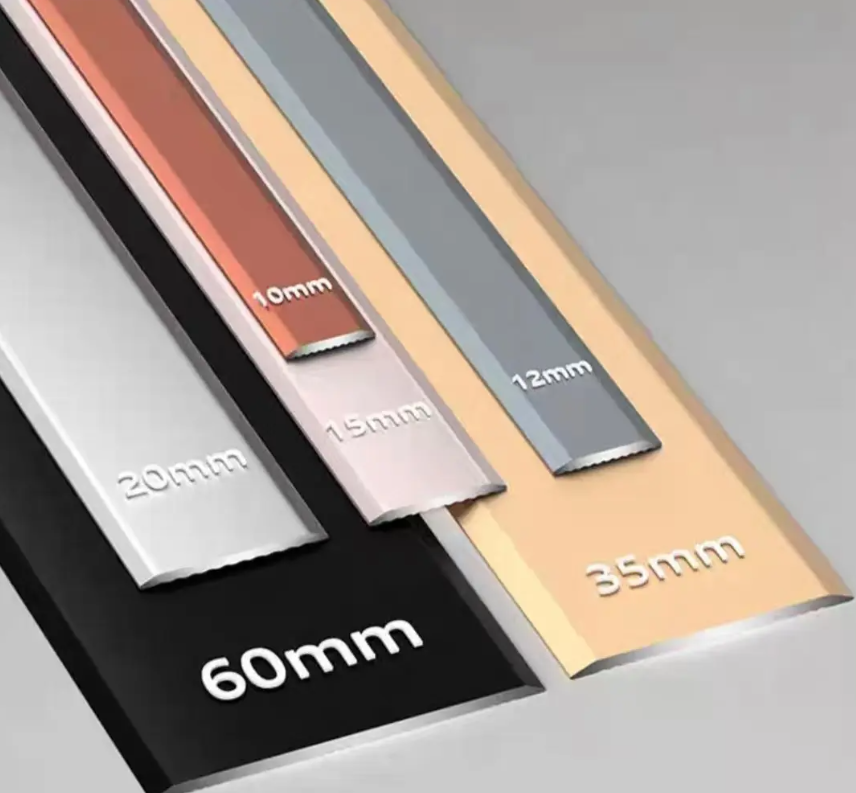
Understanding Decorative Aluminum Extrusion Profiles
Custom Decorative Aluminum Profiles are precision-engineered aluminum extrusions used in architectural, interior, furniture, lighting, and commercial applications. Vanway Tech commonly uses 6063-T5 aluminum for its excellent extrudability, dimensional consistency, surface quality, and finishability.
Unlike standard aluminum strips, decorative aluminum extrusion profiles can include grooves, channels, mounting features, edge protection, LED recesses, and concealed fixing points in one continuous section. This helps simplify installation while maintaining a clean, consistent appearance.
For example, a furniture manufacturer may need a slim aluminum extrusion trim with a concealed mounting channel, while an architectural project may require a larger profile with a highly visible anodized finish. Although both are decorative aluminum profiles, their material, tooling, tolerances, finishing, and quality requirements can be very different.
Before requesting a quotation, you should clearly define the following specifications:
| Parameter | What Buyers Should Define |
|---|---|
| Alloy & Temper | 6063-T5, 6061-T6, or project-specific requirement |
| Wall Thickness | Based on strength, weight, and application |
| Profile Geometry | L, U, T, channel, corner, recessed, or custom |
| Length | Standard length or cut-to-size |
| Surface Finish | Anodized, powder coated, brushed, polished, etc. |
| Tolerance | Required dimensional accuracy |
| Fabrication | Cutting, drilling, punching, CNC machining, bending |
For most decorative applications, 6xxx-series aluminum alloys are commonly considered because they offer a practical balance of extrudability, surface appearance, corrosion resistance, and mechanical performance. The final alloy and temper should, however, be selected according to the actual application rather than appearance alone.
A clear technical drawing and application description can help the extrusion manufacturer evaluate the profile more accurately before tooling and sampling.
Why Extruded Aluminum Trim Is Suitable for Custom Decorative Profile?
Aluminum extrusion can create complex cross-sections that are difficult to produce from sheet metal or standard strips. However, profile complexity must be balanced with manufacturability. Wall thickness, hollow sections, internal corners, tolerances, and metal flow through the die can affect deformation, dimensional accuracy, and surface quality.
Decorative Aluminum Profiles for B2B Applications
Custom profiles are used for aluminum wall trims, ceiling moldings, tile and edge trims, partition frames, furniture components, LED channels, and architectural finishing systems. Available finishes may include anodized, brushed, polished, and other specified treatments, depending on the project requirements.
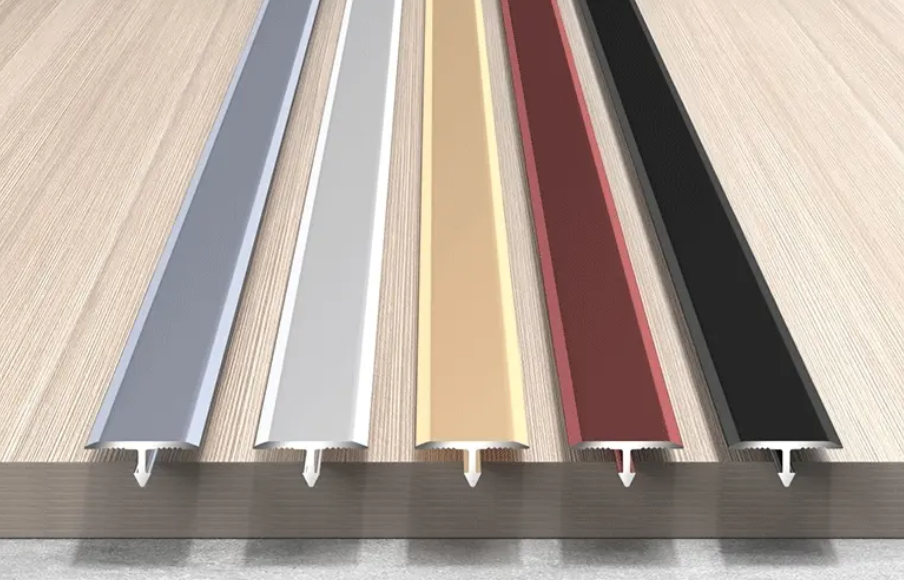
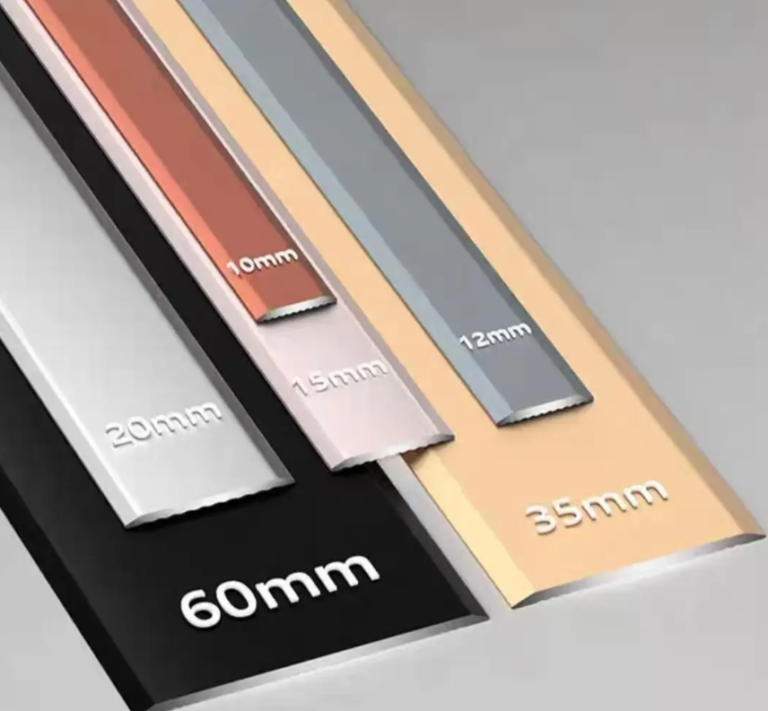
25mm Straight Shape Brushed Aluminum Edge Trim Profiles
Decorative vs. Functional Aluminum Profiles
When sourcing aluminum extrusion profiles, buyers often face a simple question:
Do I need a profile that looks good, performs a specific function, or both?
In real projects, these requirements often overlap. A decorative trim may also protect an exposed edge, hide an uneven joint, hold a panel in place, or provide a mounting channel. Choosing the right profile from the beginning can help avoid unnecessary components, difficult installation, and costly changes later.
Decorative Applications
If appearance is the main priority, decorative aluminum profiles can provide clean edges, consistent lines, and a more refined finish than exposed joints or unfinished materials.
For large commercial or interior projects, however, appearance needs to remain consistent across thousands of pieces. Buyers should therefore consider not only the profile shape, but also the surface finish, color, dimensions, and tolerance before placing a production order.
Functional & Edge Protection Applications
If the profile needs to protect, connect, retain, or support another component, appearance is only part of the decision.
For example, an edge trim may need to withstand repeated contact, while a U-channel may need to securely hold glass or panels. In these cases, wall thickness, alloy, profile dimensions, load requirements, and installation method become equally important.
| Profile Type | What It Solves | Typical Applications |
|---|---|---|
| Decorative trim | Creates a clean finished appearance | Walls, ceilings, furniture |
| Edge trim | Covers and protects exposed edges | Panels, boards, cabinets |
| Corner profile | Protects and finishes corners | Walls, furniture, architecture |
| U-channel | Holds or frames components | Glass, panels, LED systems |
| Recessed profile | Creates a clean, concealed detail | Lighting, walls, ceilings |
| Transition profile | Provides a smooth connection between surfaces | Flooring, panels, interiors |
| Structural/decorative profile | Combines appearance with practical support | Furniture, architectural systems |
For buyers, the right aluminum extrusion profile is ultimately the one that solves the project requirement without adding unnecessary parts or installation work. Clearly defining what the profile needs to look like and what it needs to do makes it much easier to select the right extrusion for your project.
Alloy, Temper, Finish & Application Selection For Decorative Aluminum Profiles
| Alloy & Temper | Mechanical Properties | Recommended Surface Finish | Film / Coating Spec | Key Advantages & Characteristics | Primary B2B Decorative Applications |
|---|---|---|---|---|---|
| 6063-T5 | Tensile: ≥ 185 MPa Yield: ≥ 145 MPa Hardness: 55–65 HB | Type II Anodizing (Clear / Colored) Electropolishing / Bright Dip | Film Thickness: 8–12 μm (Indoor) Color Variance: ΔE ≤ 1.0 | Superior extrudability, ultra-smooth surface, high luster gloss after anodizing, excellent corrosion resistance. | Architectural tile trims, wall reveal channels, shadow gap profiles, cabinet edge banding, LED light channels. |
| 6063-T6 | Tensile: ≥ 245 MPa Yield: ≥ 200 MPa Hardness: 70–80 HB | Anodizing / Chemical Etching / Brushed | Film Thickness: 10–15 μm Gloss: Custom Matte / Satin | Higher mechanical strength than T5 while retaining smooth surface quality and anodizing clarity. | High-traffic floor transition strips, carpet joiners, commercial glass partition trims, structural LED extrusions. |
| 6061-T6 | Tensile: ≥ 290 MPa Yield: ≥ 240 MPa Hardness: 85–95 HB | Powder Coating / PVDF Spraying (Not recommended for clear anodize) | Powder Coating: 60–80 μm PVDF Coating: 30–45 μm | Excellent structural load capacity and machinability; higher tensile strength prevents warping under stress. | Heavy-duty exterior curtain wall trims, structural framing covers, outdoor solar frame trims, heavy machinery bezels. |
| 6060-T5 | Tensile: ≥ 160 MPa Yield: ≥ 120 MPa Hardness: 50–60 HB | Anodizing / Sandblasting / Wood Grain Transfer | Film Thickness: 8–12 μm Tolerances: Fine Grade | Ultra-thin wall extrusion capability (down to 0.8 mm), extremely fine grain structure for delicate decorative profiles. | Delicate furniture trims, picture frame profiles, decorative interior ceiling slats, light-duty sliding door frames. |
| 6463-T5 | Tensile: ≥ 175 MPa Yield: ≥ 135 MPa Hardness: 55–65 HB | Bright Dipping + Chemical Polishing + Anodizing | Film Thickness: 8–10 μm Reflectivity: High Mirror Finish | Specially formulated low-iron alloy designed specifically for mirror-bright chemically polished finishes. | High-end bathroom shower enclosure trims, luxury hotel decorative strips, automotive decorative interior trims. |
What Makes a Decorative Aluminum Profile “Custom”?
A custom decorative aluminum profile is more than an aluminum shape made to order. Its design is usually developed around a specific application, installation method, appearance, and production quantity. Even a small change in wall thickness, cavity depth, or surface finish can affect the extrusion die, production stability, tolerances, and cost.
Before making the die, Vanway Tech reviews the profile drawing and main specifications to check for possible production problems. Doing this at the beginning can help avoid changes after the tooling has been completed.
Custom Aluminum Extrusion Specification
Custom Profile
=
Specific Shape
+
Metal Alloy
+
Tolerance
+
Surface Finish
+
CNC Fabrication
Profile Geometry
The cross-section affects how the aluminum moves through the die. Sharp corners, uneven sections, narrow channels, and complicated hollow areas can all make extrusion more difficult.
A balanced profile is generally easier to extrude and more likely to maintain consistent dimensions.
The design should also take into account how the finished profile will connect to panels, glass, tiles, furniture parts, or other materials.
Wall Thickness
Wall thickness affects the profile’s weight, strength, dimensional stability, and ease of extrusion. Very thin sections may require closer control of extrusion speed, cooling, and die design. Sections that are thicker than necessary add material cost and weight.
The right wall thickness should therefore be based on the required strength and appearance, rather than simply making the profile as thin as possible.
Internal Cavities
Hollow sections can reduce weight and create space for fasteners, wiring, LED strips, or concealed mounting parts. However, deep or narrow cavities usually require more careful die design and production control.
For profiles with visible surfaces, the dimensions around the cavity need to remain consistent. Distortion in this area can affect both the appearance of the profile and the way it fits during installation.
Mounting Features
A custom extrusion can include mounting grooves, screw channels, clips, slots, snap-fit features, and concealed fixing points as part of the profile.
This can reduce the number of separate parts needed during assembly.
The dimensions and position of these features must match the fasteners, clips, or connecting parts used in the final product.
Surface Finish
Surface finish is an important part of the specification when the aluminum will remain visible after installation.
Common options include anodizing, brushing, polishing, powder coating, and mill finish. The finish should be considered during the design stage because die lines, scratches, surface marks, and dimensional differences may be more visible after anodizing or polishing.
For visible architectural trims, Vanway Tech recommends confirming the finish and appearance requirements before mass production begins.
Cut Length & Secondary Fabrication
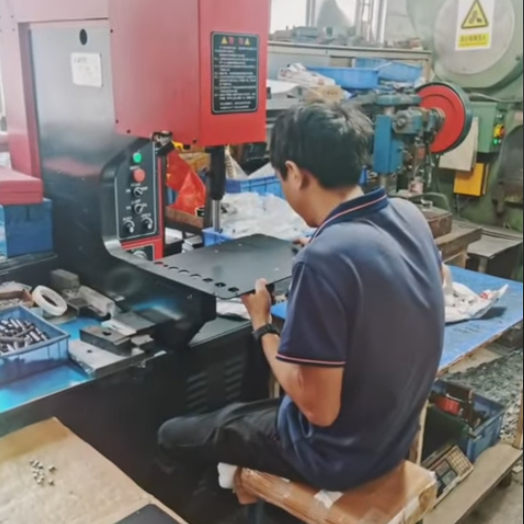
Custom aluminum profiles can be supplied in specified lengths and processed through cutting, drilling, punching, CNC machining, bending, or other secondary operations.
Supplying profiles to finished length or with pre-machined features can reduce work at the installation site.
These requirements should be specified together with tolerances, hole positions, machining quantities, and packaging details.
How We Manufacture Custom Decorative Aluminum Extrusion Profiles?
At Vanway Tech, manufacturing custom decorative aluminum profiles requires strict control over every phase of production—from initial design optimization to final secondary machining. By pairing advanced 4-axis CNC capabilities and precision extrusion tooling with rigorous international standards, we help global B2B buyers transform complex architectural concepts into high-yield, ready-to-install aluminum components.
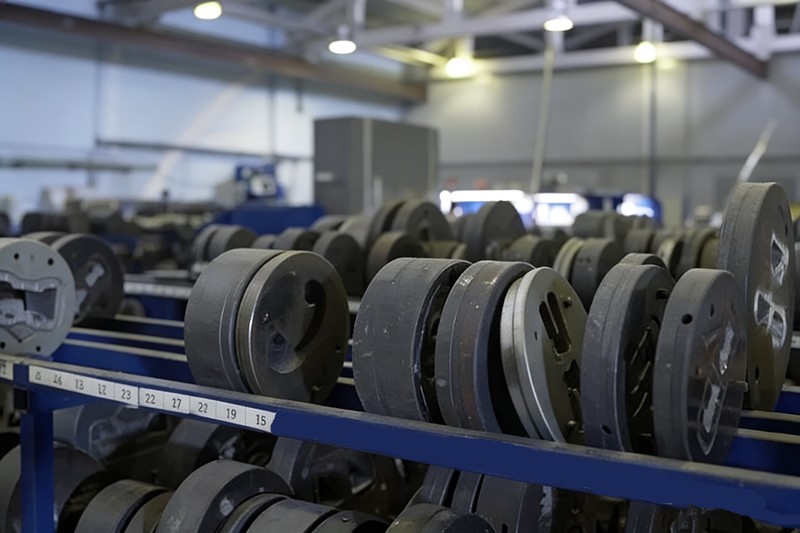
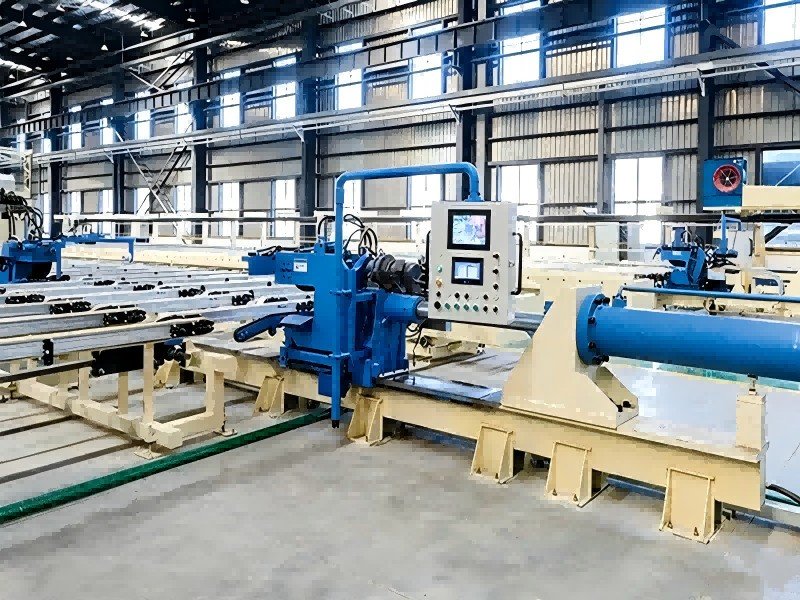
5-Step Production Process of Custom Decorative Aluminum Profiles
How Vanway Tech ensures precision tolerances and unblemished surface quality from raw billet to export delivery.
Step 01
Precision DFM Engineering & Die Tooling Fabrication
Every custom decorative profile begins with rigorous Design for Manufacturability (DFM) analysis to optimize wall thickness uniformity, radius transitions, and functional mounting channels. Once drawings are approved, high-grade H13 chromium hot-work tool steel is CNC-machined and vacuum heat-treated to construct custom extrusion dies capable of resisting extreme pressure while maintaining micron-level cross-sectional accuracy.
Key Quality Controls:
- 3D CAD/CAM flow simulation to prevent sink marks and surface distortion on visual faces.
- Die bearing length optimization ensuring uniform aluminum flow speed across complex trim geometries.
Step 02
Alloy Billet Heating, Precision Extrusion & Stretch Straightening
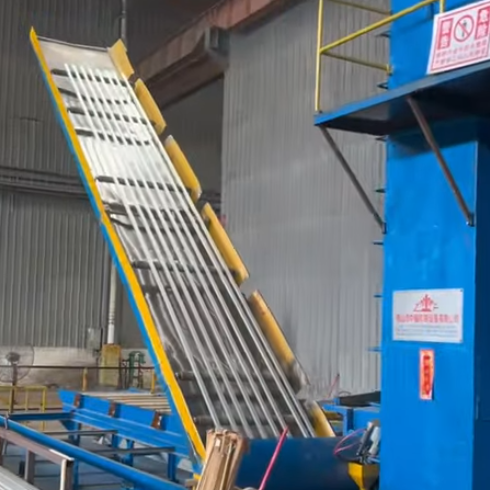
High-purity 6063 aluminum billets are preheated (430°C–480°C) and forced through the heated die using computer-controlled hydraulic presses. Upon exiting the die, profiles undergo rapid air/water quench cooling to set the metallurgical structure, followed by hydraulic stretch straightening to eliminate twist, bow, and longitudinal tension. Profiles are then artificial-aged in tempering furnaces to achieve optimal T5 hardness (55–65 HB).
Key Quality Controls:
- Online laser scanning system verifying real-time cross-sectional dimensions to ISO 2768-m standards.
- Twist and bow tolerances strictly controlled within ≤ 0.5 mm per meter.
Step 03
Secondary Precision CNC Machining & Surface Pre-Treatment
For decorative trims requiring mounting slots, mitered corners, or countersunk holes, profiles pass through 4-axis high-speed CNC machining centers using specialized aluminum-cutting tooling to prevent burring. Machined parts then undergo chemical pre-treatment—including alkaline degreasing, acid etching, and deoxidizing—to eliminate surface contaminants and create a perfectly uniform matte micro-roughness prior to finishing.
Key Quality Controls:
- Burr-free edge chamfering on CNC milled cutouts and corner joins.
- Chemical bath concentration and temperature logging to ensure flawless pretreatment consistency.
Step 04
Architectural Anodizing / Surface Finishing & Sealing
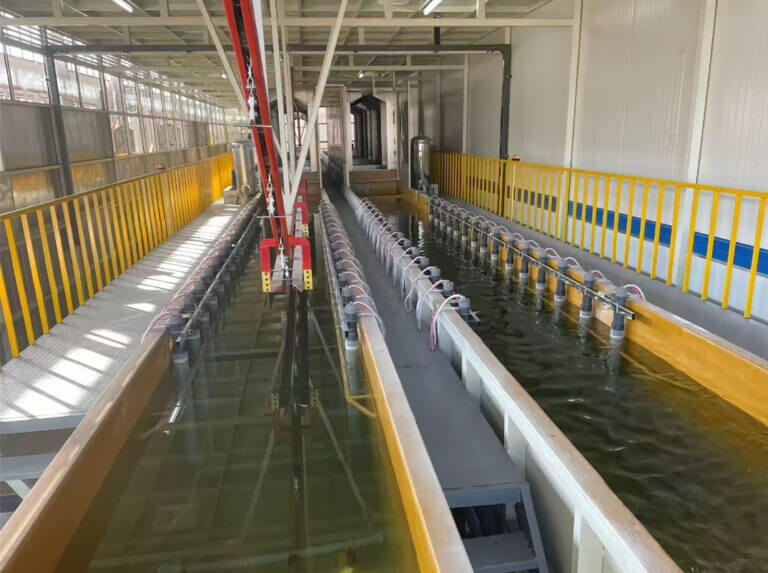
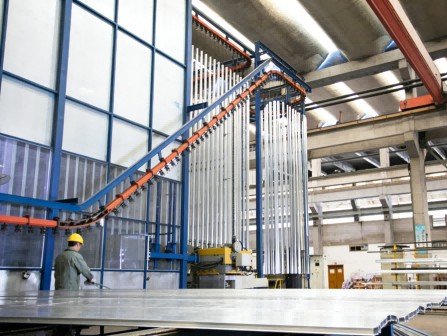
Profiles are transferred to automated sulfuric acid anodizing lines. An electrochemical oxide layer is formed on the profile surface, followed by optional electrolytic coloring or bright dipping (for high-luster brushed, champagne, gold, or matte black trims). Finally, profiles undergo high-temperature nickel-acetate or warm-water sealing to lock the porous anodized layer, providing superior corrosion, wear, and UV resistance.
Key Quality Controls:
- Anodized film thickness strictly controlled at 8–12 μm (indoor decorative) or 15–25 μm (outdoor architectural).
- Color variance maintained within ΔE ≤ 1.0 using spectrophotometer batch testing; contact rack marks concealed exclusively on non-visible channels.
Step 05
100% Visual Inspection, Protective Filming & Export Packaging
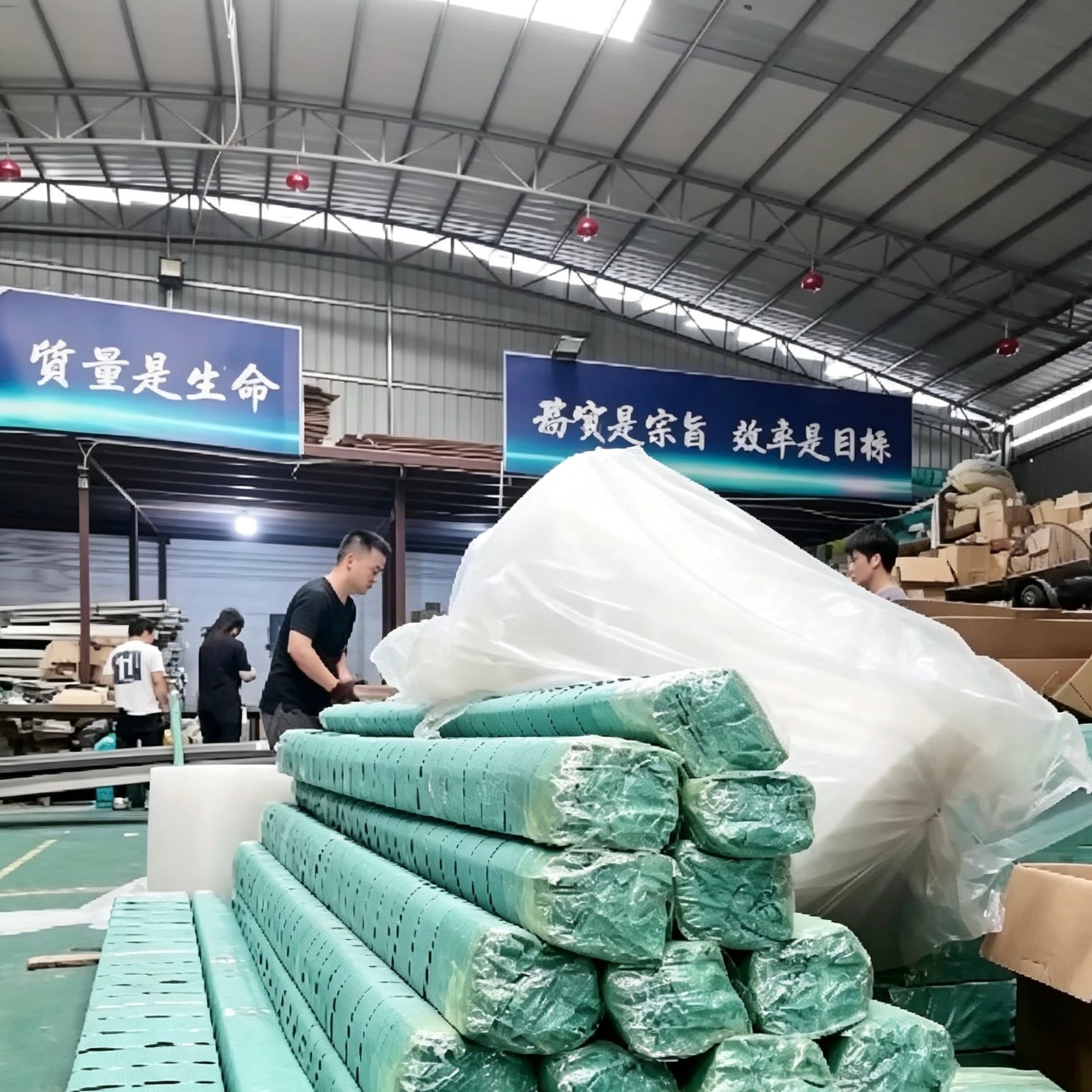
Every extruded length undergoes full-length visual inspection under high-CRI lighting to check for scratches, color shade variations, or inclusions. Approved decorative faces are automatically laminated with custom PE protective film (laser-cut or easy-peel). Profiles are bundled with interleaving foam sheets, shrink-wrapped, and packed into reinforced wooden crates or heavy-duty honeycomb cartons designed to withstand international ocean freight.
Key Quality Controls:
- 100% surface audit eliminating scratches, die lines, and anodizing streaks on exposed faces.
- Customized packaging engineered to resist moisture, impact, and stack pressure during transit.
Engineering Best Practices: Manufacturing Pitfalls & Precision Tolerance Control
When sourcing high-precision decorative aluminum profiles, minor manufacturing variances can lead to major installation failures or aesthetic defects on site. At Vanway Tech, our engineering team implements strict Design for Manufacturability (DFM) protocols and quality control mechanisms to address the primary risks in aluminum extrusion and surface finishing:
1. Eliminating Anodizing Color Variance & Rack Marks
- The Pitfall: Batch-to-batch color shifts (ΔE > 1.5) and visible rack contact marks on primary exposed decorative faces.
- Solution: We enforce custom racking fixture designs that locate contact points exclusively on non-visible reverse channels. By standardizing chemical bath parameters, current density, and maintaining anodizing film thickness within 8–12 μm for indoor decorative trims (and 15–25 μm for exterior architectural profiles), Vanway Tech keeps batch color variance strictly within ΔE ≤ 1.0.
2. Strict Dimensional Tolerance Control (ISO 2768-m Standard)
- The Pitfall: Profile twist, bow, or wall thickness variations that prevent seamless snap-in fitting with wall panels, glass, or LED diffusers.
- Solution: Extrusion dies naturally wear and deform over continuous production runs. Vanway Tech applies ISO 2768-m (Fine/Medium grade) tolerances across all custom decorative extrusions, utilizing online laser scanning measurement systems during extrusion and post-stretch straightening.
| Dimension / Feature | Standard Industry Variance | Vanway Tech Precision Control |
| Wall Thickness (≤ 1.5 mm) | ± 0.15 mm | ± 0.08 mm |
| Profile Twist / Meter | ≤ 1.5 mm/m | ≤ 0.5 mm/m |
| Anodized Film Thickness | Unmonitored (± 5 μm) | Strict 10 μm ± 2 μm Target |
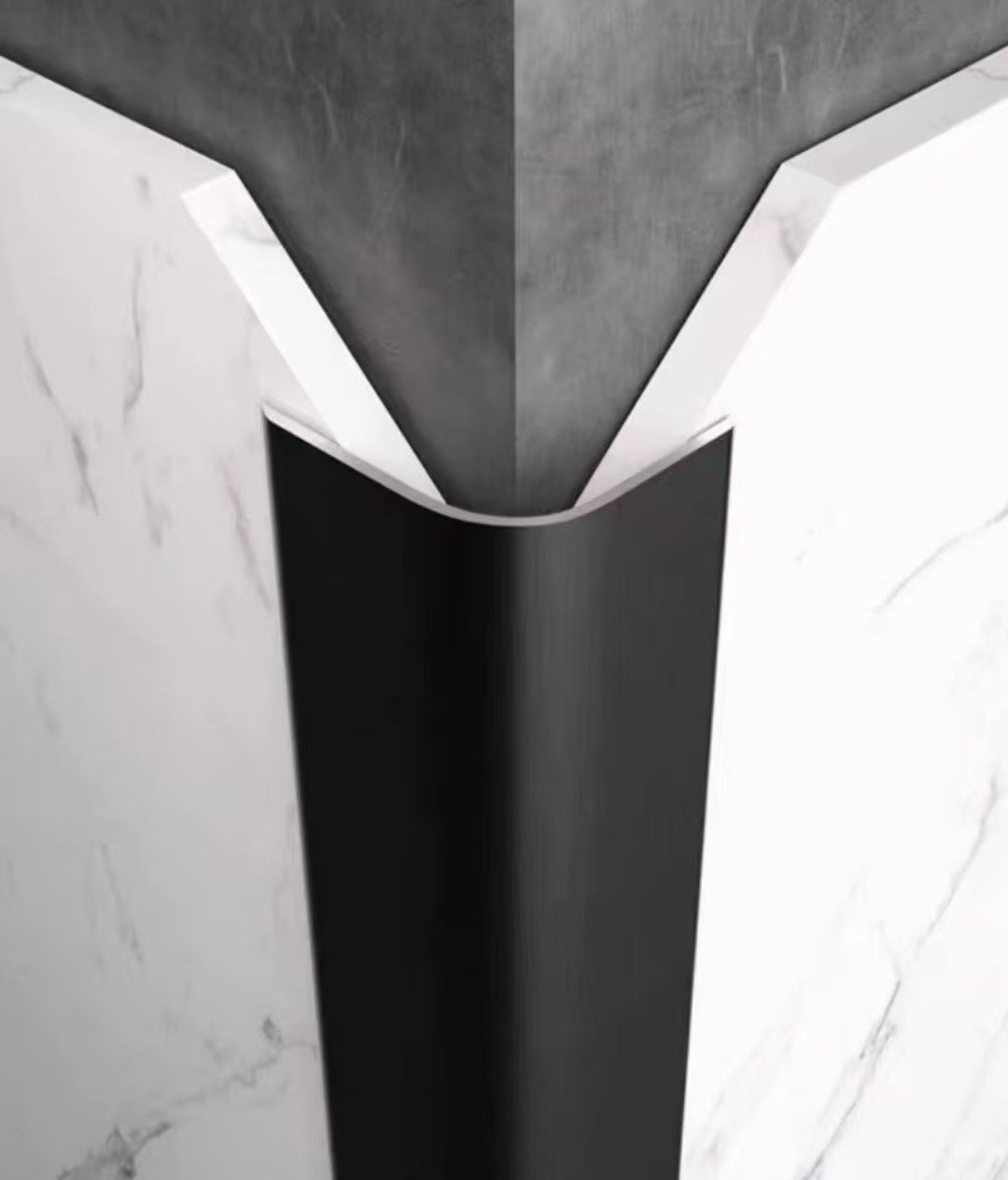
Aluminum Extrusion Divider Reveal Trim – Drywall & Panel Strip
Case: For a commercial luxury hotel project requiring 12,000 meters of 1.2 mm ultra-narrow shadow gap profiles, Vanway Tech re-engineered the profile’s internal cross-sectional ribbing to prevent surface sink marks. By pairing optimized extrusion speed with specialized 6063-T5 aging treatments, Vanway Tech delivered zero-defect panel alignment across the entire site installation.
Why 6063 Aluminum Is Commonly Used for Decorative Extrusions Trim?
Custom Profile = Extrudability + Surface Quality + Anodizing Compatibility
| Core Advantage | Technical Drivers & Chemistry | Operational Performance / Data |
| 1. High Extrudability | 6063 Alloy Composition: • Mg: 0.45–0.9% • Si: 0.2–0.6% • Al: ~98% | • Extrusion Speed: > 30 m/min • Min. Wall Thickness: 0.8 mm |
| 2. Superior Surface Quality | Low iron & copper impurity levels (vs. structural 6061 alloy) | Eliminates visible die lines and micro-scratches during extrusion |
| 3. Anodizing Compatibility | Ultra-pure aluminum base layer for optical consistency | • Anodizing Standard: Type II & III • Film Thickness: 10–25 μm |
01 / High Extrudability > 30 m/min Extrusion Speed | Down to 0.8 mm Wall Thickness
- Balanced 0.45–0.9% Mg and 0.2–0.6% Si composition allows smooth flow through complex dies.
- Vanway Tech easily extrudes intricate snap-fit channels and narrow grooves without structural cracking.
02 / Superior Surface Quality Zero Visible Die Lines | Reduced Pre-Polishing
- Low iron and copper content prevents the surface streaks common in 6061 structural alloys.
- Forms a smooth, dense outer layer that drastically cuts down pre-finish mechanical sanding.
03 / Anodizing Compatibility 10 to 25 μm Oxide Layer | Type II & III Anodized
- Essential for visible architectural trims requiring high tactile feel and corrosion protection.
- Ultra-low impurity levels deliver consistent color matching and high gloss retention across mass batches.
To help project engineers and procurement teams optimize both visual appearance and long-term durability, Vanway Tech enforces clear technical parameters across all custom decorative extrusion orders. Selecting the right alloy-temper combination and defining exact anodizing film thickness are critical steps to preventing structural warping or surface degradation.
Key Alloy & Surface Treatment Specification Matrix
| Parameter / Feature | 6063-T5 (Architectural Decorative) | 6061-T6 (Structural Frame) | 6463-T5 (High-Gloss Mirror Trim) |
| Tensile Strength | ≥ 185 MPa | ≥ 290 MPa | ≥ 175 MPa |
| Yield Strength | ≥ 145 MPa | ≥ 240 MPa | ≥ 135 MPa |
| Anodizing Film Thickness (Indoor) | 8–12 μm (Type II Clear/Color) | 10–15 μm (Structural Powder Coat) | 8–10 μm (Bright Dip + Anodize) |
| Anodizing Film Thickness (Exterior) | 15–25 μm (Qualanod Class 15/25) | 15–25 μm (PVDF Spraying: 30–45 μm) | Not Recommended for Outdoor |
| Color Variance Standard | ΔE ≤ 1.0 (Spectrophotometer Audited) | ΔE ≤ 1.5 | ΔE ≤ 0.8 (High-Clarity Mirror) |
| Minimum Wall Thickness | 0.8 mm (± 0.08 mm tolerance) | 1.2 mm (± 0.12 mm tolerance) | 0.9 mm (± 0.08 mm tolerance) |
Case: When a commercial high-rise developer required 18,000 meters of exterior shadow gap reveals exposed to coastal salt air, Vanway Tech engineered a 6063-T5 extrusion profile featuring a 20 μm Qualanod-certified anodized oxide layer. Paired with 1,000-hour neutral salt spray testing (ISO 9227), Vanway Tech guaranteed complete protection against filiform corrosion while maintaining exact color uniformity (ΔE ≤ 0.8) across all delivered production lots.
Anodized,PVDF or Powder Coating: Which Aluminum Finish Lasts Longest Near the Sea?
Vanway-Tech丨 Premium Quality Decorative Aluminum Profiles Manufacturer From China Since 2015

Vanway Tech can review profile drawings before tooling to identify potential extrusion, finishing, machining, and installation issues.
We manufacture custom aluminum extrusion profiles for architectural, interior, furniture, lighting and industrial applications, from profile design and extrusion tooling to surface finishing and secondary fabrication.
| Manufacturing Capability | Vanway Tech |
|---|---|
| Established | 2015 |
| Aluminum Alloys | 6063 / 6061 / 6005A* |
| Temper | T5 / T6* |
| Surface Finishes | Anodizing / Powder Coating / Brushing* |
| Secondary Processing | Cutting / CNC / Drilling / Punching* |
| Custom Tooling | Available + Effective |
Have a Custom Aluminum Profile Drawing?
Send us your CAD drawing, PDF or sample. Our engineers can review the profile geometry, wall thickness, alloy, finish and secondary operations before quotation.
Balancing Piece Price and MOQ for Maximum Cost Efficiency On Extruded Aluminum Profiles
For most procurement managers, aluminum extrusion comes down to a frustrating compromise: either lock up working capital in massive inventory, or pay a premium for smaller production runs.
It doesn’t have to be an either-or choice.
At Vanway Tech, we set up our extrusion operations to handle real-world supply chain demands. Whether you need a short run of custom 6063-T5 or 6061-T6 structural profiles, high-precision multi-axis CNC machining, or specialized anodizing and powder coating, we work around your actual release schedules rather than rigid factory minimums.
From EV battery enclosures and solar mounting systems to heavy automation frameworks, we help engineering and sourcing teams balance unit economics without over-committing capital.
Got an upcoming project or an active print you’d like us to look at?
Reach out to the Vanway Tech engineering team to discuss flexible batch options or get a straightforward quote on your next run.

CHOOSE THE BEFITTING ALUMINUM EXTRUSIONS
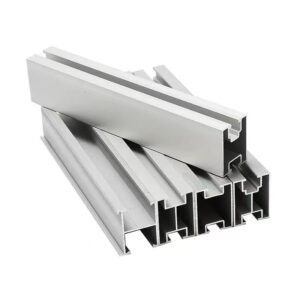
Custom Aluminum Extrusions
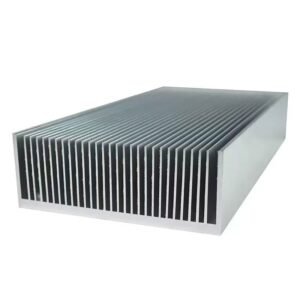
Aluminum Heat Sinks
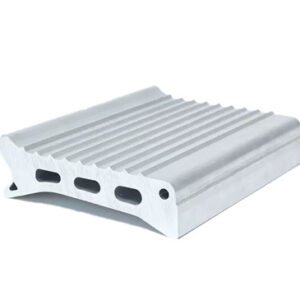
Industrial Aluminum Extrusions
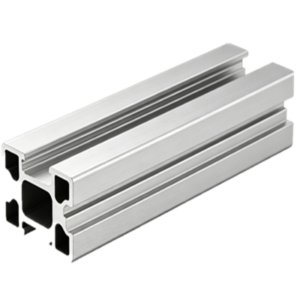
T-Slot Aluminum Extrusions
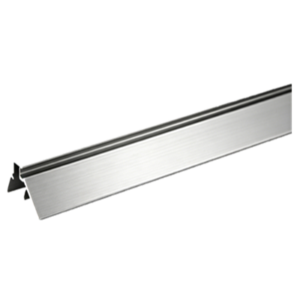
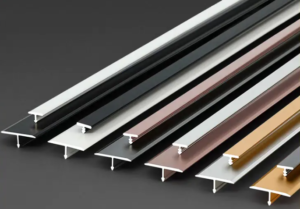
Decorative Aluminum Trim & Led Aluminum Channel Profiles
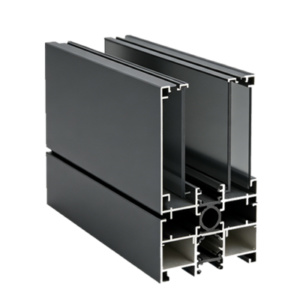
Window & Door Aluminum Profiles
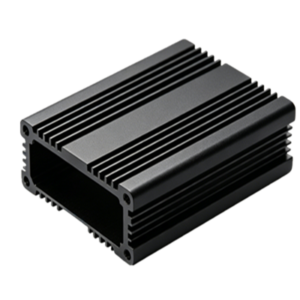
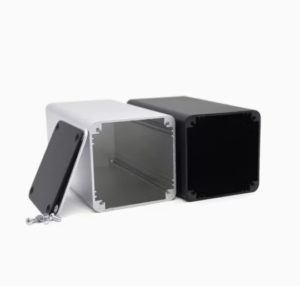
Aluminum Extrusion Enclosures
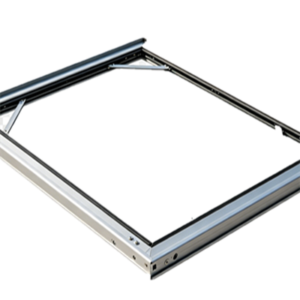
Structural Aluminum Extrusion Framing
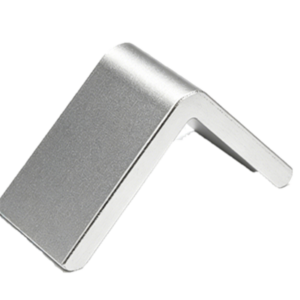
Aluminum Angle Extrusions
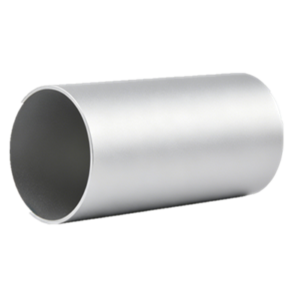
Extruded Aluminum Tubes
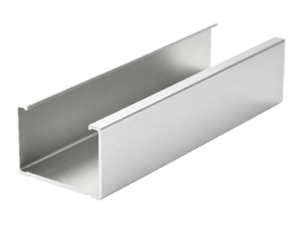
Aluminum U Channel Profiles
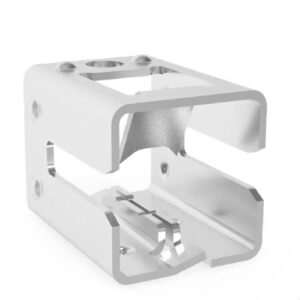
CNC Machined Aluminum Parts


Related Articles You May Interested In:
How to Calculate Aluminum Profile Cost: Estimate Aluminum Extrusion Price
Aluminum Extrusion Sourcing: How Mastering MOQ Unlocks 15%+ Procurement Savings
How to Identify Primary A00 vs Recycled Aluminum Extrusions in 3 Steps?
7 Costly Custom Aluminum Extrusion Sourcing Mistakes Suppliers Won’t Tell You
How to Choose a Reliable LED Aluminum Channel Profiles Manufacturer in 2026
Contact With Vanway Tech Team for Premium Aluminium Extrusion Products!
Enquire with UsConnect with Vanway Tech Team for Premium Aluminium Extrusion Products.
Contact InfoWe are looking forward to hearing from you!
-
Email: info@vanway-tech.com
-
Address: No. 588, Wuyi South Road, CSJ Moldware Town, Wujin, Changzhou, Jiangsu, China
Scan Below Codes to Contact Us Immediately.