Vanway Precision Materials Tech Co.,Ltd


How To Select Anodizing Aluminum Extrusions Manufacturer
How To Select the Right Aluminum Extrusions Surface Finish
CHOOSE THE BEFITTING ALUMINUM EXTRUSIONS
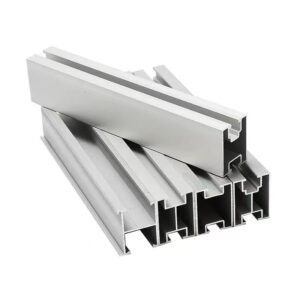
Custom Aluminum Extrusions
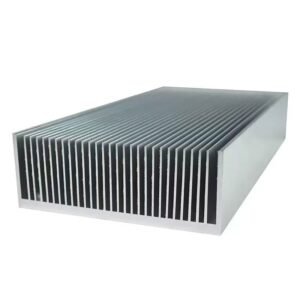
Aluminum Heat Sinks
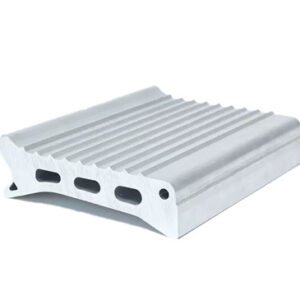
Industrial Aluminum Extrusions
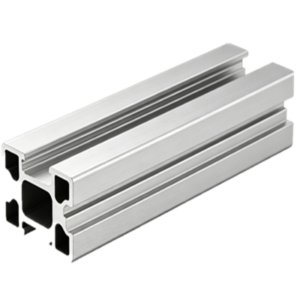
T-Slot Aluminum Extrusions
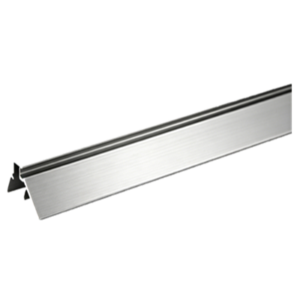
Decorative Aluminum Trim & Led Aluminum Channel Profiles
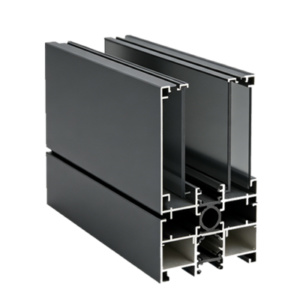
Window & Door Aluminum Profiles
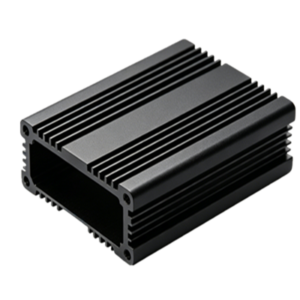
Aluminum Extrusion Enclosures
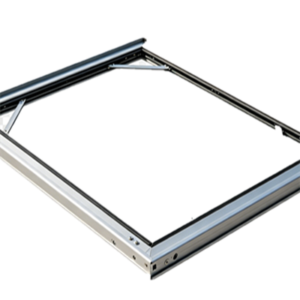
Structural Aluminum Extrusion Framing
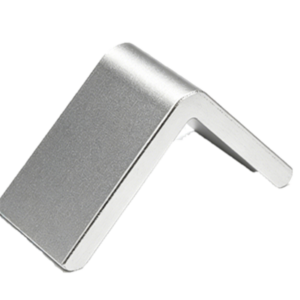
Aluminum Angle Extrusions
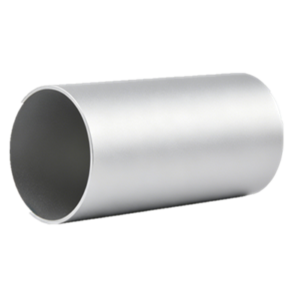
Extruded Aluminum Tubes
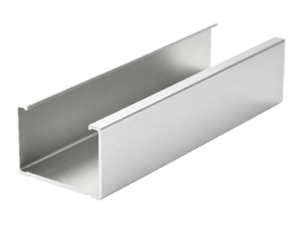
Aluminum U Channel Profiles
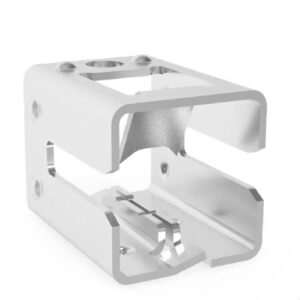
CNC Machined Aluminum Parts
As a leading anodizing aluminum extrusions manufacturer, Vanway Tech provides high-performance metal finishing solutions… When engineers design structural profiles for harsh outdoor environments, marine applications, or high-end electronics, material degradation poses a significant threat. Raw aluminum naturally forms a thin oxide layer; however, this spontaneous barrier fails to withstand severe atmospheric corrosion or heavy mechanical wear. Consequently, industrial projects demand a controlled, heavy-duty electrochemical upgrade.
To prevent these common problems, top-tier product designers always choose anodized aluminum extrusions.
This simple guide explains our clear quality standards, how the chemical process works, and the exact testing methods Vanway Tech uses to give your products perfect surface protection.

Contact Vanway Tech today for your custom anodizing aluminum extrusions manufacturing.
Vanway Tech 丨 One-stop Solution Custom Aluminum Extrusions
What is Anodizing for Aluminum Extrusions?
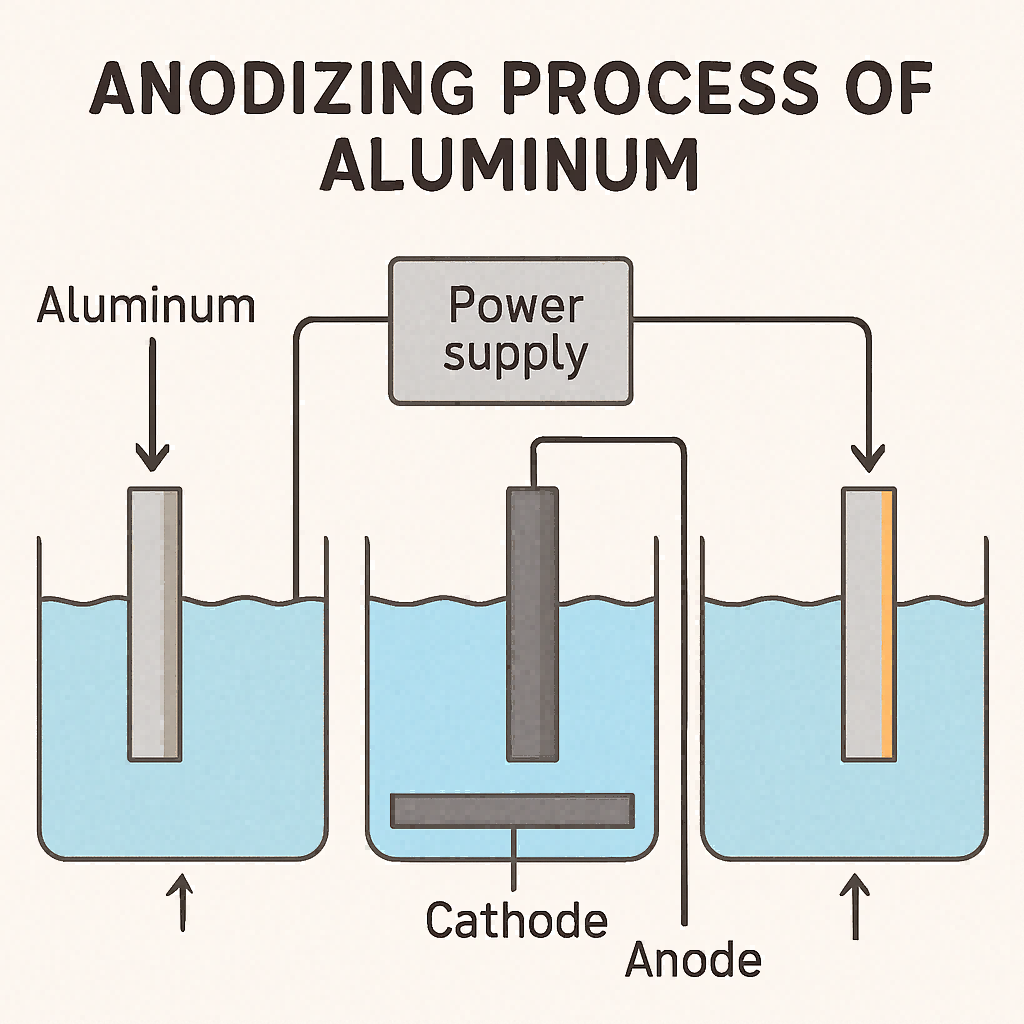
Anodizing does not mean applying a topical layer of paint or plating to the metal surface. Instead, it represents an electrochemical process that converts the aluminum substrate itself into a highly durable, non-hazardous aluminum oxide ($Al_2O_3$) layer.
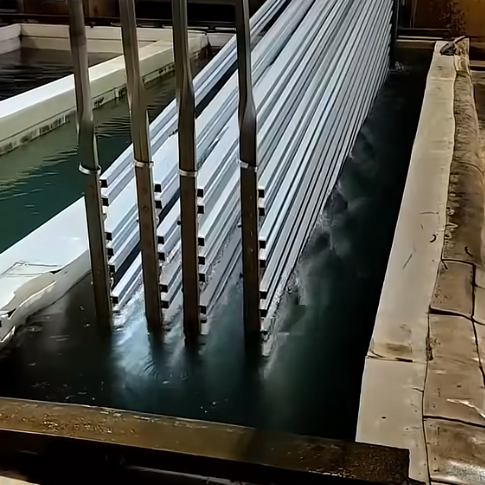
During production, technicians submerge the precision-cut profiles into an acid electrolyte bath. By passing a direct electrical current (DC) through the solution, the aluminum profile acts as the anode (the positive electrode). Consequently, the process releases oxygen ions from the electrolyte. These ions immediately bond with the surface aluminum atoms, creating a fully integrated, porous crystalline structure that integrates seamlessly with the underlying metal.
Therefore, partnering with a qualified anodizing aluminum extrusions manufacturer is crucial to getting this chemical transformation right.
Critical Global Engineering Standards
To ensure that this oxide film can survive punishing real-world stresses, global engineering bodies enforce strict regulatory frameworks. Rather than relying on guesswork, global procurement teams evaluate manufacturers against certified parameters.
Specifically, industrial projects rely on the following international standards to govern film thickness, density, and corrosion benchmarks:
- Military Specifications: Aerospace and heavy-duty defence applications mandate strict compliance with the U.S. Military Specification MIL-A-8625. This standard strictly defines Type II (Sulfuric Acid Anodizing) and Type III (Hardcoat Anodizing) structural criteria.
- Architectural Standards: The architectural and construction sectors rely heavily on the AAMA 611 Standard Specification, which dictates performance requirements for clear and colored anodic coatings on architectural aluminum.
- General Testing Metrics: Laboratories worldwide evaluate overall oxide coating weight, thickness uniformity, and abrasion degradation by utilizing the comprehensive ASTM B244 Testing Framework.
Anodizing Standards Of Aluminum Extrusions
| Finish Designation | Primary Regulatory Code | Target Film Thickness | Hardness Rating (Vickers) | Key Production Indicator | Main Benefit |
| Architectural Class II | AAMA 611 | 10 – 15 um | ~250 HV | Mid-level sulfuric bath | Cost-effective UV protection |
| Architectural Class I | AAMA 611 | 18 – 25 um | ~300 HV | Controlled ambient bath | High coastal weather resistance |
| Military Type II | MIL-A-8625 | 5 – 25 um | 250 – 350 HV | Dye-receptive porosity | Superior coloring and corrosion proofing |
| Military Type III (Hard) | MIL-A-8625 | 50 – 100 um | 600 – 700 HV | Low temp, high voltage | Extreme abrasion and wear resistance |
Primary Types of Anodizing Surface Finishes
Engineers can manipulate the chemical bath concentration, current density, and fluid temperature to produce distinctly different mechanical finishes. As a versatile anodizing aluminum extrusions manufacturer, Vanway Tech specializes in executing these core variations.
1. Type II Anodizing (Standard Decorative & Protective)
Type II anodizing utilizes a sulfuric acid bath at room temperature to generate a clean, highly uniform oxide layer. Because the resulting layer is inherently porous before sealing, it accepts organic or inorganic dyes beautifully.
- Thickness Range: Typically measures between 8 microns to 25 microns ($\mu m$).
- Best Applications: Ideal for custom aluminum profiles used in consumer electronics, LED lighting channels, and architectural window frameworks where aesthetics and moderate corrosion resistance matter equally.
2. Type III Hardcoat Anodizing (Industrial Wear Resistance)
When working with heavy-duty structural parts, a professional anodizing aluminum extrusions manufacturer like Vanway Tech drops the electrolyte bath temperature close to freezing while significantly scaling up the electrical voltage This aggressive approach accelerates oxide growth, forming an ultra-dense, highly compact ceramic-like exterior.
- Thickness Range: Reaches significantly deeper, typically running from 50 microns to over 100 microns ($\mu m$).
- Best Applications: Crucial for rugged heavy-machinery slides, aerospace valves, and high-load structural T-slot components that require maximum scratch and wear resistance.
3. Bright Dip Anodizing (High-Gloss Mirror Finish)
Prior to entering the electrochemical phase, technicians treat the aluminum with a specialized mixture of hot phosphoric and nitric acids. This chemical polishing removes microscopic surface imperfections, creating an intensely reflective finish.Working with a reputable anodizing aluminum extrusions manufacturer ensures that chemical polishing is performed safely without damaging structural integrity.

How Vanway Tech Makes and Tests Anodized Aluminum Extrusions
Before approving any large-scale commercial delivery, every client should verify that their chosen anodizing aluminum extrusions manufacturer strictly complies with international salt-spray and film-thickness benchmarks.
As a fully certified, all-in-one aluminum extrusions manufacturer, Vanway Tech removes quality risks from your business. We handle every important step—from raw aluminum shaping to precision CNC cutting and final chemical finishing—inside our own highly checked factory.
Factory Capabilities
First, we use advanced, automated anodizing machines that carefully control the electricity and chemicals. This high-tech system allows us to complete large orders while keeping the exact same color and coating thickness on every single piece.
Second, we do all our drilling, milling, and punching before the aluminum goes into the chemical tanks. Because we do this, the protective layer completely covers every freshly cut edge, screw hole, and corner. As a result, your parts get total protection with no raw metal left exposed.
Simple Quality and Testing Methods
To meet our strict ISO 9001 quality rules, our testing team checks every batch of anodized parts using safe electronic tools and real-world stress tests.
1. Coating Thickness Test
To ensure maximum reliability that clients expect from an experienced anodizing aluminum extrusions manufacturer, our team uses smart electronic tools that follow the international ISO 2360 quality standard. This quick test instantly measures the thickness of the protective layer in microns. This guarantees your parts perfectly match your exact building or military project needs.
2. Salt Spray Test (Rust and Weather Test)
To see how your parts will handle decades of bad weather or salty sea air, we put samples inside a special testing room. We spray them continuously with strong saltwater, following the standard ASTM B117 rules. Our anodized parts easily last over 1,000 hours in this test without showing a single spot of rust.
3. Coating Weight Test (Acid Dissolution)
When your project needs extreme precision, we double-check the actual weight of the coating. We weigh a sample piece, use a safe acid mix to clean off the anodized layer, and weigh the bare metal again. This simple test tells us the exact weight of the coating per square meter, making sure it perfectly meets the ISO 3210 sealing quality standard.Every anodizing aluminum extrusions manufacturer must ensure these strict coating weight tolerances are strictly met before any bulk shipment leaves the factory.
Our Engineering Expertise & Manufacturing Commitment
At Vanway Tech, producing high-grade metal finishes goes beyond simply dipping profiles into chemical tanks. Our technical operations are guided by seasoned metallurgical engineers and surface treatment specialists with over 15 years of hands-on experience in industrial extrusion processing.
- Rigorous Alloy Compatibility Analysis: Before any production run, our engineering team reviews alloy purity (such as 6063-T5 and 6061-T6) to prevent common surface defects like silicon segregation or pitting.
- In-House Process Control: By managing every step from extrusion dies to precision CNC machining and chemical sealing under one roof, we eliminate outsourcing variables and maintain absolute batch-to-batch traceability.
- Decades of Practical Application: We routinely partner with tier-one global clients across solar energy, automotive framing, and architectural structures, ensuring every custom profile meets stringent global compliance before delivery.
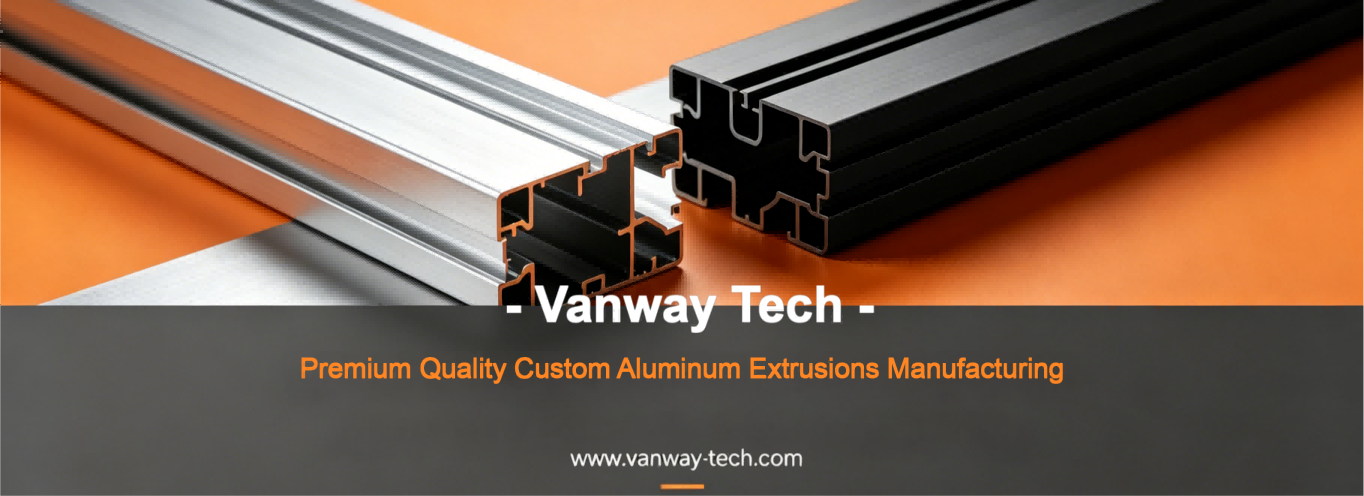
Vanway Tech 丨A Trusted Global Expert Anodizing Aluminum Extrusions Manufacturing
Selecting the correct anodizing class requires careful material engineering that directly dictates your product’s field performance and lifespan. By partnering with Vanway Tech, you gain access to an experienced team of metallurgists who optimize your cross-sectional designs for flawless fluid drainage, uniform coating thickness, and structural integrity.
As a trusted anodizing aluminum extrusions manufacturer, we proudly serve global OEMs in the renewable energy, automotive, and automation fields, delivering fully certified profiles.
Do you want to shield your industrial components from premature field failure?
Explore our complete array of custom aluminum surface treatment options, or contact the technical experts at Vanway Tech today at info@vanway-tech.com to submit your engineering blueprints for a comprehensive, complimentary Design for Manufacturability (DFM) assessment.
Aluminum Extrusion Processing Capability of Vanway Tech’s
Industrial Quality Control: Avoiding Common Anodizing Defects
When procuring industrial profiles from an anodizing aluminum extrusions manufacturer, engineers must be vigilant about potential surface flaws that can compromise long-term performance. Poor pre-treatment or unstable chemical bath parameters can lead to several recurring issues:
- Craters and Pitting: Often caused by metallic inclusions or localized contamination on the bare aluminum surface before the electrochemical bath. Vanway Tech utilizes multi-stage ultrasonic degreasing to eliminate organic residue.
- Uneven Coloring / Shade Variations: Triggered by inconsistent alloy microstructures or uneven electrical current distribution. Utilizing automated, computerized rectifier systems guarantees uniform shade consistency across large-scale commercial batches.
- Powdery Surfaces (Soft Burn): Occurs when the electrolyte temperature climbs too high during Type III hardcoat processing. Strict chiller monitoring ensures the ceramic-like outer layer remains dense and abrasion-resistant.
To eliminate supply chain bottlenecks and secure top-tier engineering results, partnering directly with a certified anodizing aluminum extrusions manufacturer remains the smartest investment for your industrial brand.
Frequently Asked Questions (FAQ)
Q1: How do I choose the best anodizing aluminum extrusions manufacturer?
A: When selecting an anodizing aluminum extrusions manufacturer, always verify their compliance with global standards such as Mil-Spec MIL-A-8625 and AAMA 611. Look for suppliers like Vanway Tech that offer integrated in-house capabilities, precise ISO 2360 thickness testing, and verifiable salt-spray corrosion resistance.
Q2: What is the difference between Type II and Type III anodizing?
A: Type II anodizing uses a standard sulfuric acid bath to create a porous, dye-receptive layer (8–25 $\mu m$) ideal for decorative and moderate corrosion-resistant applications. Type III hardcoat anodizing operates at near-freezing temperatures to grow a dense, ultra-hard ceramic-like layer (50–100+ $\mu m$) designed for extreme industrial wear and heavy-machinery slides.
Q3: Can aluminum extrusions be machined after anodizing?
A: It is generally recommended to perform all CNC drilling, milling, and cutting before the anodizing process. This ensures the electrochemical coating fully seals every cut edge and screw hole, leaving no raw aluminum exposed to environmental degradation.
Feel free to reach out to our team if you need a reliable anodizing aluminum extrusions manufacturer for your next industrial build.
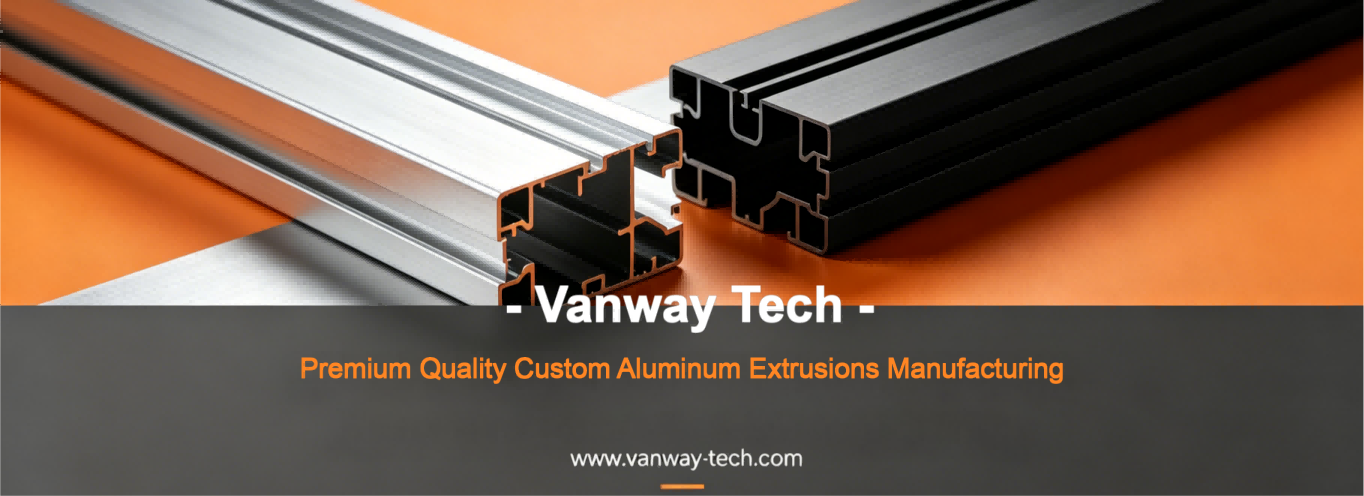
Contact With Vanway Tech Team for Premium Aluminium Extrusion Products!
Enquire with UsConnect with Vanway Tech Team for Premium Aluminium Extrusion Products.
Contact InfoWe are looking forward to hearing from you!
-
Email: info@vanway-tech.com
-
Address: No. 588, Wuyi South Road, CSJ Moldware Town, Wujin, Changzhou, Jiangsu, China
Scan Below Codes to Contact Us Immediately.