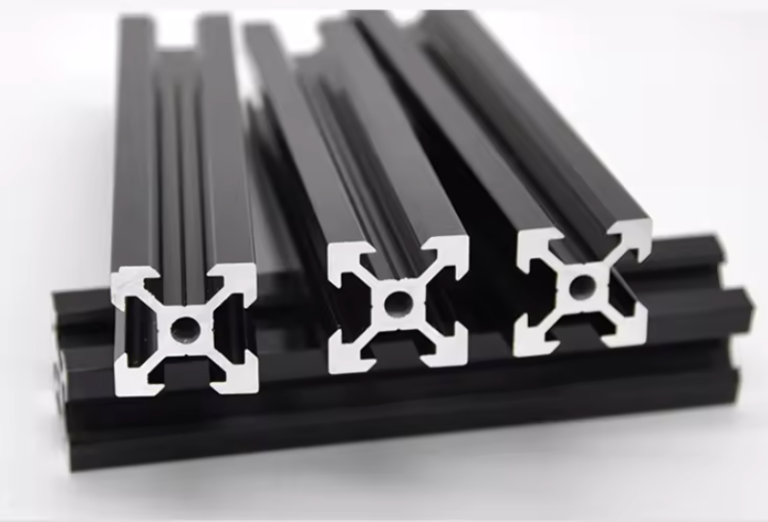
Vanway Precision Materials Tech Co.,Ltd


How to Design Aluminum Heat Sinks for Thermal Management
Table of Contents
How to Design Aluminum Heat Sinks for Your Thermal Management
In the modern electronics industry, controlling heat build-up represents one of the greatest challenges to product reliability. As microprocessors and power modules become smaller, they generate extreme heat that can easily destroy sensitive circuits. To solve this issue, engineers must understand how to design aluminum heat sinks for thermal management to keep devices running safely.
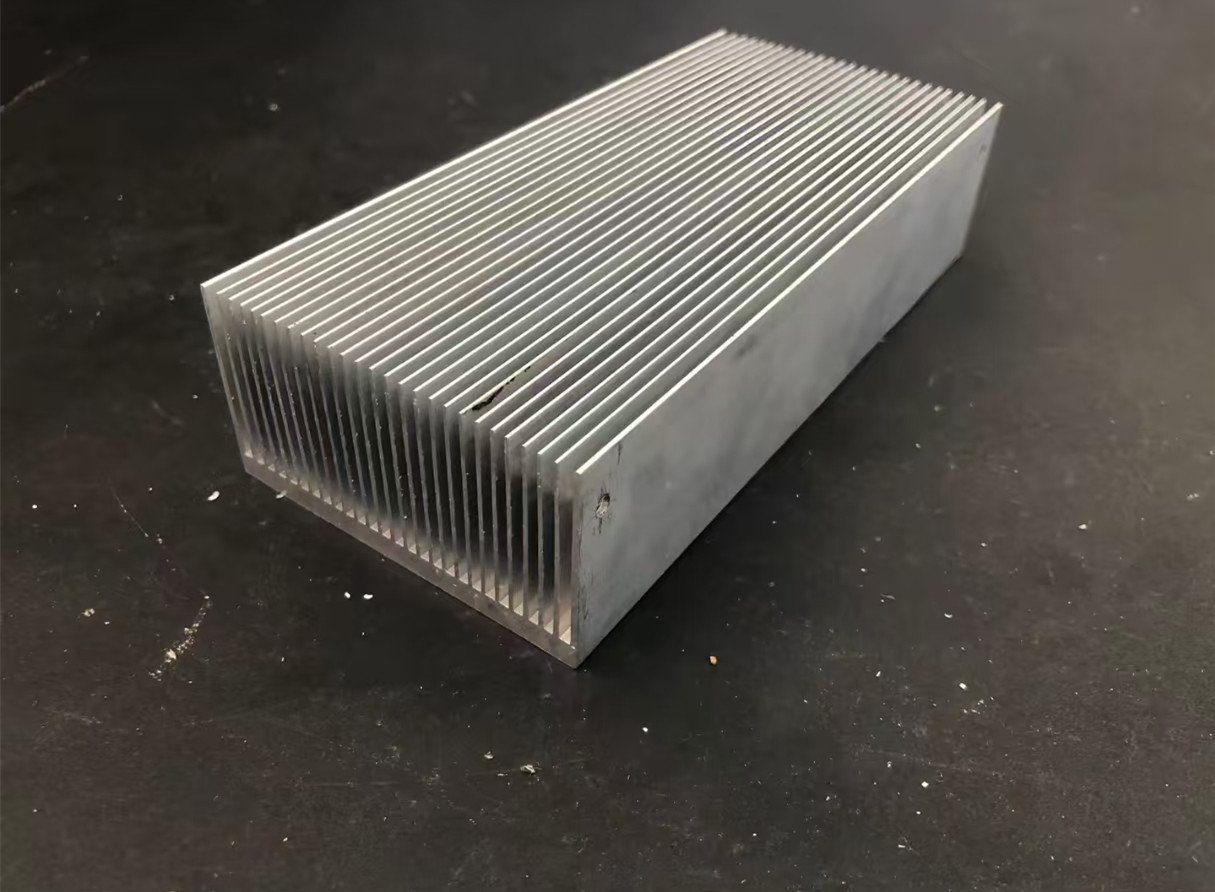
Vanway Tech brings years of production experience to this guide, helping you transform raw thermal calculations into highly efficient cooling components. By definition, extruded aluminum heat sinks use extended surfaces, or fins, to sweep heat away from a concentrated source and release it into the surrounding air. Consequently, careful attention to structural design ensures that your custom aluminum heat sink achieves peak performance without suffering from thermal throttling.
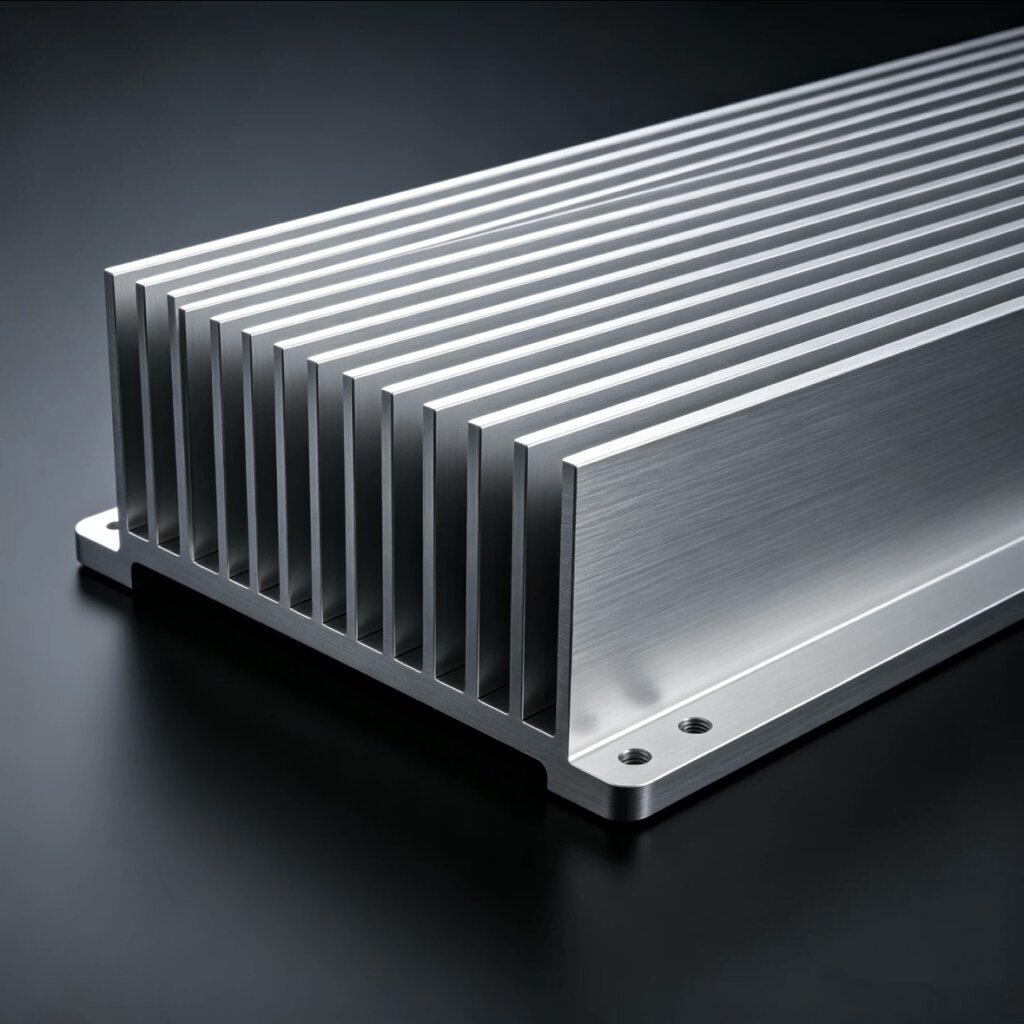
Some of Vanway Tech Aluminum Heat Sinks For Thermal Management As Following:
Black Anodized Aluminum Heat Sink for 12V LED Module
Custom 50mm Cylindrical Aluminum LED Heat Sink
Extruded Aluminum Heat Sink Profile for 12mm LED Strip
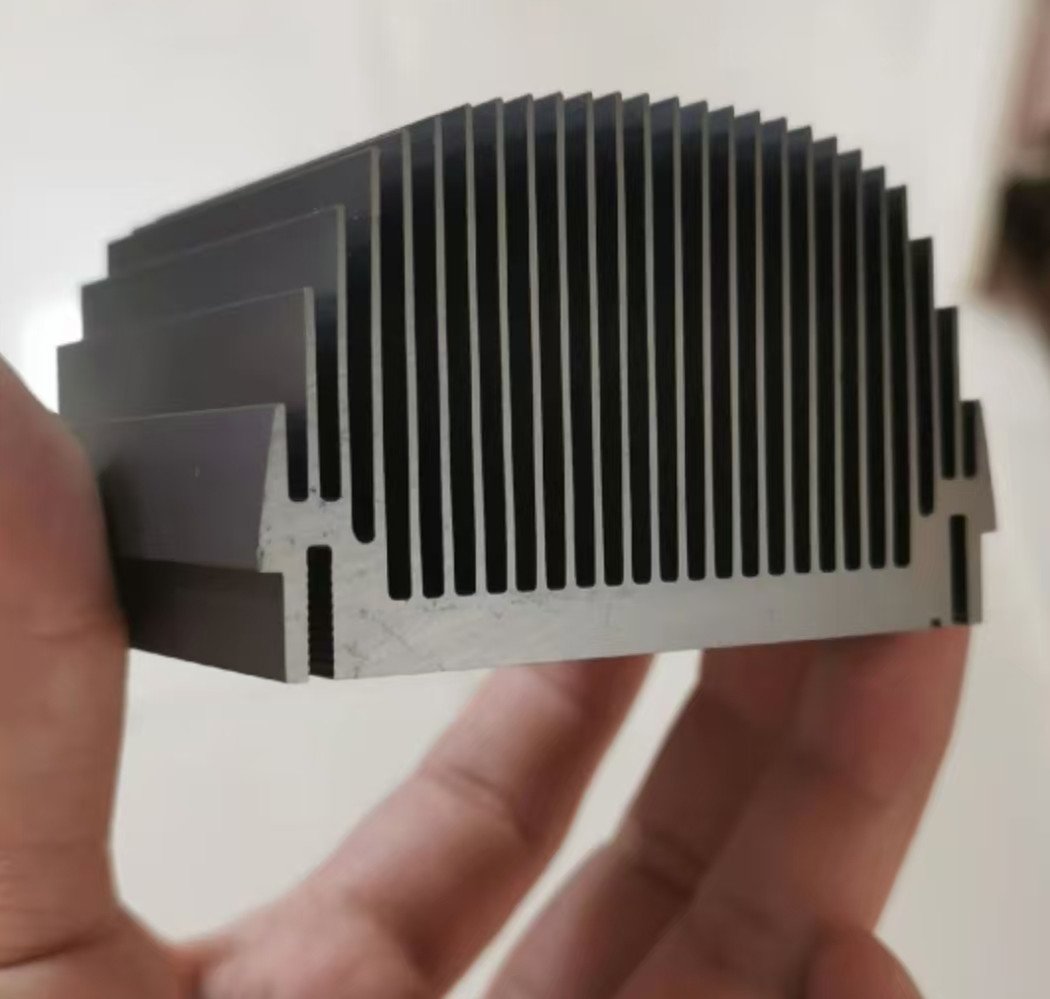
I. Core Thermal Principles Vanway Tech Considers Before Designing
Before our engineers draw a single line in CAD software, Vanway Tech always evaluates the foundational physics of heat transfer in aluminum heat sinks. If you do not establish these parameters early, you risk creating a heat sink that is either too weak or unnecessarily heavy. To stay aligned with international cooling benchmarks, our team routinely reviews the thermal testing methodologies established by the IEEE Components, Packaging and Manufacturing Technology Society.
Understanding Heat Transfer Modes in Electronic Cooling
Conduction: Moving Heat from the Source to the Aluminum Base
Thermal management using aluminum heat sinks starts with conduction, where heat moves directly through solid materials.Specifically, the heat source passes thermal energy into the flat base plate of the aluminum heat sink. Vanway Tech ensures that the contact surface remains perfectly flat because even tiny air gaps will block heat flow.
Convection: Dissipating Heat from Fins to the Surrounding Air
Once the heat travels into the base, convection takes over to carry that energy away. The metal surfaces transfer the heat to the passing air molecules, which float away from the system. Therefore, you must design a massive amount of surface area to make this fluid-to-metal Therefore, high-efficiency aluminum heat sinks require a massive surface area to make this fluid-to-metal exchange effective.Therefore, Vanway Tech calculates the precise height-to-thickness ratio to ensure maximum thermal efficiency.
Radiation: The Role of Surface Finishes in Thermal Release
Although conduction and convection do most of the heavy lifting, radiation also assists in cooling, especially in natural airflow environments. Vanway Tech utilizes specific chemical finishes to enhance this effect, which allows the aluminum to radiate infrared energy directly into the environment.
Defining Your Thermal Resistance and Power Dissipation Targets
To start your design layout, you must first calculate the total power dissipation, which engineers measure in Watts. Additionally, you need to establish the maximum safe operating temperature of your semiconductor. By subtracting the ambient room temperature from this maximum target, Vanway Tech calculates the required thermal resistance of your heat sink. A lower thermal resistance rating means the heat sink removes heat faster, which represents the primary goal of any custom cooling project.
Watch the following video to gain a better understanding of the concept of thermal power management.
II. Step-by-Step Fin Geometry Optimization for Maximum Efficiency
Optimizing the geometry of your cooling fins represents the most critical stage of the entire design process. Vanway Tech carefully balances the height, thickness, and spacing of these fins because small changes drastically alter airflow behavior.
Determining the Ideal Fin Height and Thickness
Balancing Thermal Performance and Structural Rigidity
Taller fins naturally provide more surface area for cooling, but they also create manufacturing difficulties. If you make the fins too tall and thin, they can bend during production or become inefficient near the tips. Therefore, Vanway Tech calculates the precise height-to-thickness ratio for aluminum heat sinks to ensure maximum thermal efficiency while maintaining structural strength.
Calculating the Optimum Fin Spacing (Pitch)
Avoiding Airflow Resistance in Natural Convection Designs
If your system relies on natural convection without fans, you must space the fins relatively far apart. Tight spacing blocks natural air currents because stagnant air gets trapped between the walls. Consequently, Vanway Tech maintains wider gaps in passive designs so that hot air can rise freely and escape.
Maximizing Surface Area for Forced Convection Systems
On the other hand, if your system includes a powerful fan, you can pack the fins much closer together. Forced air easily cuts through narrow gaps, which allows us to crowd more surface area into a smaller physical footprint.
Selecting the Right Base Plate Thickness to Prevent Hotspots
Many designers focus entirely on the fins and forget about the thickness of the base plate. If you make the base too thin, the heat cannot spread sideways before it reaches the fins, which creates dangerous hotspots directly above the chip. Vanway Tech engineers a sufficiently thick base plate in aluminum heat sinks to spread thermal energy evenly across all available fins.
III. Material Selection: Choosing the Perfect Aluminum Alloy
Material choice heavily influences how fast your component conducts heat, as well as how easily a manufacturer can extrude the profile. While copper carries heat faster, Vanway Tech prefers aluminum alloys due to their incredible weight advantages and superb structural properties.
Why Vanway Tech Recommends 6063 vs. 6061 Aluminum Alloys For Heat Sinks?
Thermal Conductivity Comparisons for Optimal Heat Extraction
- For the vast majority of aluminum heat sinks, Vanway Tech utilizes 6063 aluminum alloy.
Machining and Mechanical Strength Trade-offs
While 6063 extrudes into incredibly smooth finishes with ultra-thin fins, 6061 responds better to complex CNC drilling and tapping. By evaluating your structural requirements alongside your thermal targets,Vanway Tech helps you select the perfect alloy compromise for aluminum heat sinks between raw cooling power and durability.
Related Articals You May Interested In:
How to Choose the Right Alloy and Temper for Your Aluminum Extrusion Profile Project
Aluminum vs Copper Heat Sinks: Which Material Is Best for Electronics Cooling?
How to Choose the Right Surface Finishing for Aluminum Profiles?
IV. Designing for Manufacturability (DFM) in Aluminum Extrusion
An amazing theoretical design means nothing if a factory cannot actually manufacture the part. For that reason, Vanway Tech applies strict Design for Manufacturability (DFM) rules to ensure your profile remains cost-effective and easy to extrude.
Understanding the Extrusion Aspect Ratio (Fin-to-Gap Ratio)
How High Aspect Ratios Impact Tooling Wear and Die Life
The aspect ratio represents the relationship between the height of a fin and the gap between two fins. Standard extrusion presses struggle when this ratio exceeds $10:1$ because the immense pressure can snap the steel tongues off the extrusion die. While the Aluminum Extruders Council
provides standard guidelines for classic profile geometry, Vanway Tech utilizes advanced tooling designs and heavy-duty presses to push past these traditional limits. Consequently, we routinely achieve advanced aspect ratios up to $24:1$ or higher, which allows for exceptionally dense fin structures.
Critical Extrusion Tolerances and Flatness Requirements
Why Interface Flatness Prevents Air Gaps and Thermal Resistance
As raw aluminum exits the hot die, the metal can warp slightly during the cooling process. Because a curved base plate creates terrible thermal resistance, Vanway Tech implements precise face-milling steps on all aluminum heat sinks. We use high-speed CNC machines to shave the base perfectly flat, which guarantees seamless contact with your electronic components.
Incorporating Assembly Features Directly into the Profile
Designing Built-in Screw Slots, Clips, and Interlocking Joints
One of the greatest benefits of the extrusion process involves adding functional features directly into the metal shape. Vanway Tech can integrate screw bosses, slide-in slots, and clip attachments directly into your profile. As a result, you eliminate the need to drill extra holes later, which drastically lowers your overall assembly labor costs.
V. FAQs Of Aluminum Heat Sinks
Q1. What is the ideal fin-to-gap ratio for standard aluminum extrusions for thermal management?
A: For standard production, a ratio of $8:1$ to $10:1$ works best, but Vanway Tech can manufacture advanced aluminum extrusions for thermal management with ratios up to $24:1$ using specialized tooling.
Q2. How does Vanway Tech optimize aluminum extrusions for thermal management in natural convection?
A: We widen the gaps between the cooling fins, which prevents air stagnation and allows natural buoyant air currents to circulate freely through the aluminum extrusions for thermal management.
Q3. Can black anodizing really improve aluminum extrusions for thermal management?
A: Yes, because black anodizing increases the surface emissivity of aluminum extrusions for thermal management, it improves heat dissipation via radiation by up to $10\%$ to $15\%$ in passive cooling systems.
Q4. Why is base plate flatness critical for aluminum extrusions for thermal management?
A: Microscopic air gaps between a warped heat sink and a chip act as thermal insulators; therefore, we fly-cut our aluminum extrusions for thermal management to ensure flawless metal-to-metal contact.
Q5. How do forced air systems alter the design of aluminum extrusions for thermal management?
A: Forced air systems allow Vanway Tech to place the fins much closer together, which maximizes the cooling surface area of the aluminum extrusions for thermal management without choking the airflow.
Q6. What are the limits of thin fins in aluminum extrusions for thermal management?
A: If you design fins that are too thin, they become fragile and fail to conduct heat all the way to their tips, so Vanway Tech maintains an optimal minimum fin thickness based on your overall profile height.
Q7. How do bypass airflows affect custom aluminum extrusions for thermal management?
A: Bypass airflow occurs when air travels around a heat sink instead of through the fins, so Vanway Tech shapes the top of our aluminum extrusions for thermal management to tightly fit your system ducting.
Q8. Why should I choose custom aluminum extrusions for thermal management over standard profiles?
A: Standard profiles rarely match your specific chip dimensions or airflow conditions, whereas custom aluminum extrusions for thermal management maximize efficiency and eliminate wasted space in your enclosure.
VI. Why Partner with Vanway Tech for Your Custom Thermal Designs
When you choose Vanway Tech, you gain a dedicated manufacturing partner who understands the intricate balance between thermal theory and factory floor reality. We do not just look at your drawings; instead, our engineering team actively optimizes your designs to reduce weight, boost thermal performance, and lower manufacturing costs.
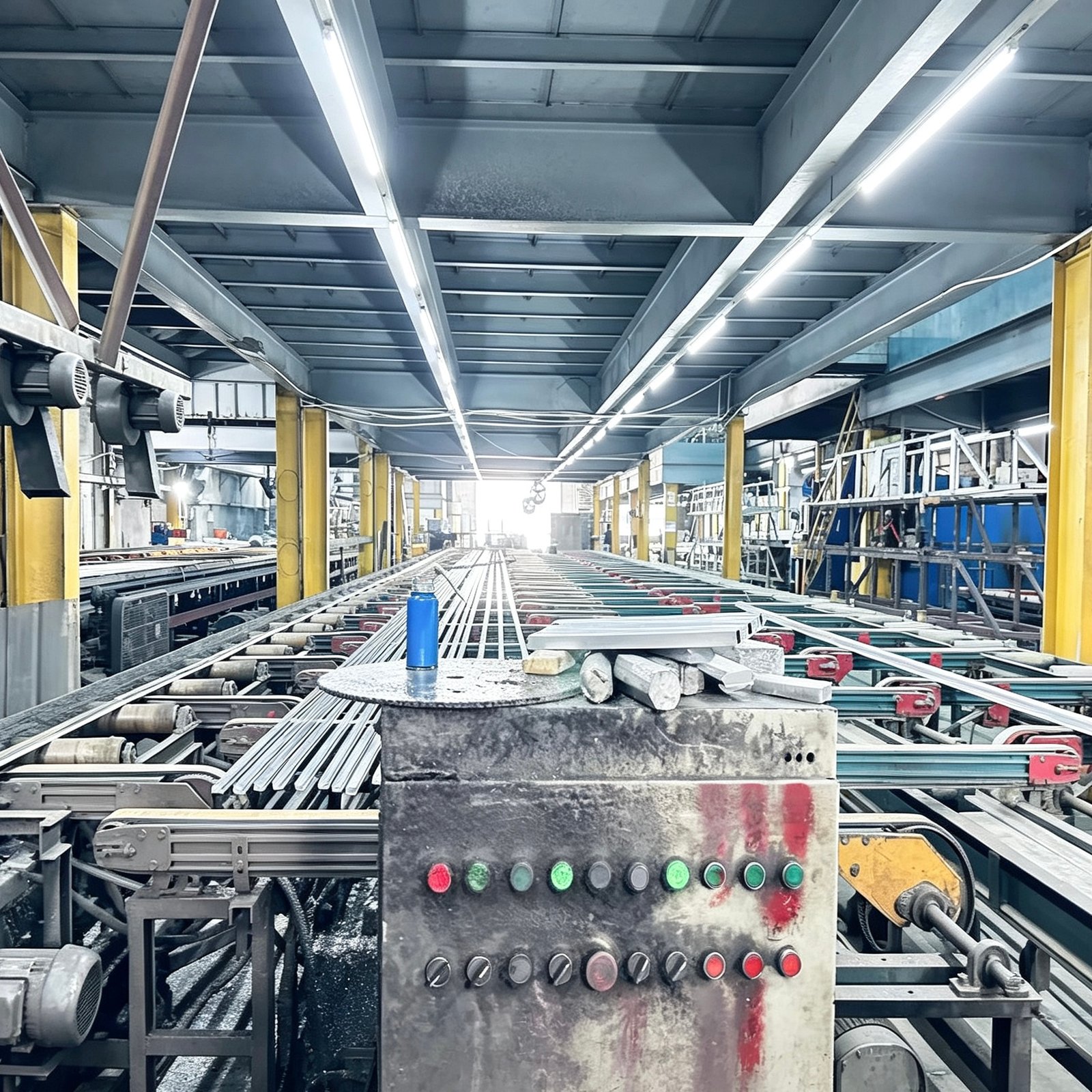
Vanway Tech houses advanced extrusion lines, precision CNC machining centers, and automated anodizing stations under a single roof. Because we control every single step of production, we eliminate supplier delays and guarantee exceptional quality from prototype to mass production. Contact Vanway Tech today, send us your initial CAD models, and let our experts streamline your custom aluminum heat sinks project.
Contact Vanway Tech today for tailored one-stop aluminium extrusion solutions.
Contact With Vanway Tech Team for Premium Aluminium Extrusion Products!
Enquire with UsConnect with Vanway Tech Team for Premium Aluminium Extrusion Products.
Contact InfoWe are looking forward to hearing from you!
-
Email: info@vanway-tech.com
-
Address: No. 588, Wuyi South Road, CSJ Moldware Town, Wujin, Changzhou, Jiangsu, China
Scan Below Codes to Contact Us Immediately.