Vanway Precision Materials Tech Co.,Ltd


Anodized Vs Mill Finish Solar Panel Aluminum Frame
Anodized Vs Mill Finish Solar Panel Aluminum Frame: Full Comparison for PV Buyers
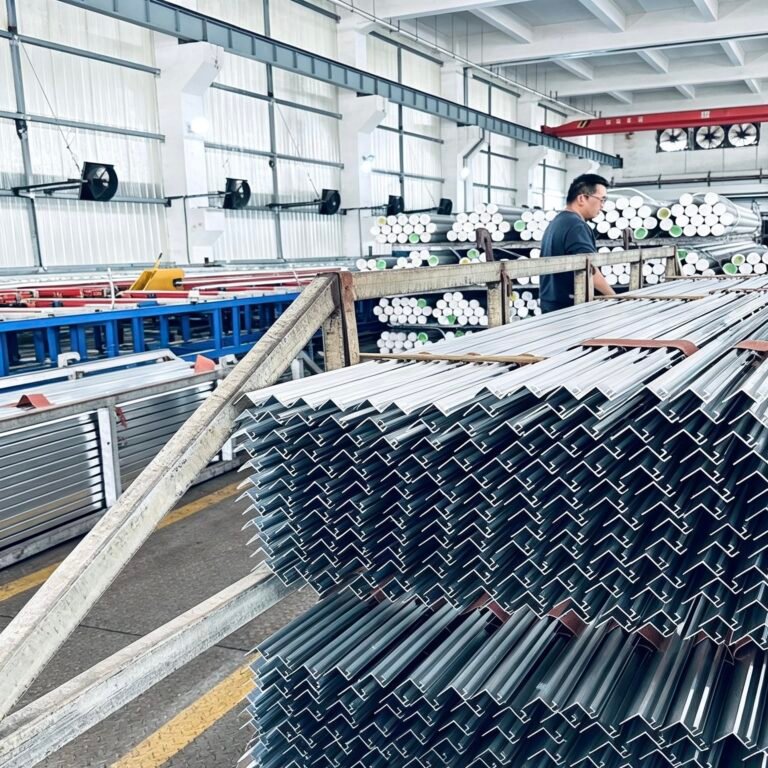
Solar panel aluminum frames are manufactured from 6063-T5 aluminum extrusions. After extrusion, factories typically offer two basic surface options: mill finish (raw bare aluminum) and anodization finish. However, these two treatments create huge differences in anti-rust performance, outdoor durability, cost, and application range for global solar project buyers.
For instance, many small solar installers choose mill finish frames to cut upfront costs. Consequently, they face severe oxidation and discoloration within several years of outdoor use. On the other hand, large ground solar farms and coastal PV projects almost always adopt anodized solar frames for long-term stability. Therefore, this article breaks down all core differences to help you make a cost-effective decision.
Understanding the pros and cons of an anodized vs mill finish solar panel aluminum frame helps PV distributors select the right components for long-term project reliability.

Basic Definition of Mill Finish & Anodized Solar Frames
Mill Finish Solar Panel Aluminum Frame
Mill finish refers to the raw aluminum surface directly after extrusion, with no extra chemical or protective treatment. It retains the natural silver metal texture of 6063 alloy, with subtle extrusion lines visible on the surface. No extra processing steps are added after cutting and tempering.
Anodized Solar Panel Aluminum Frame
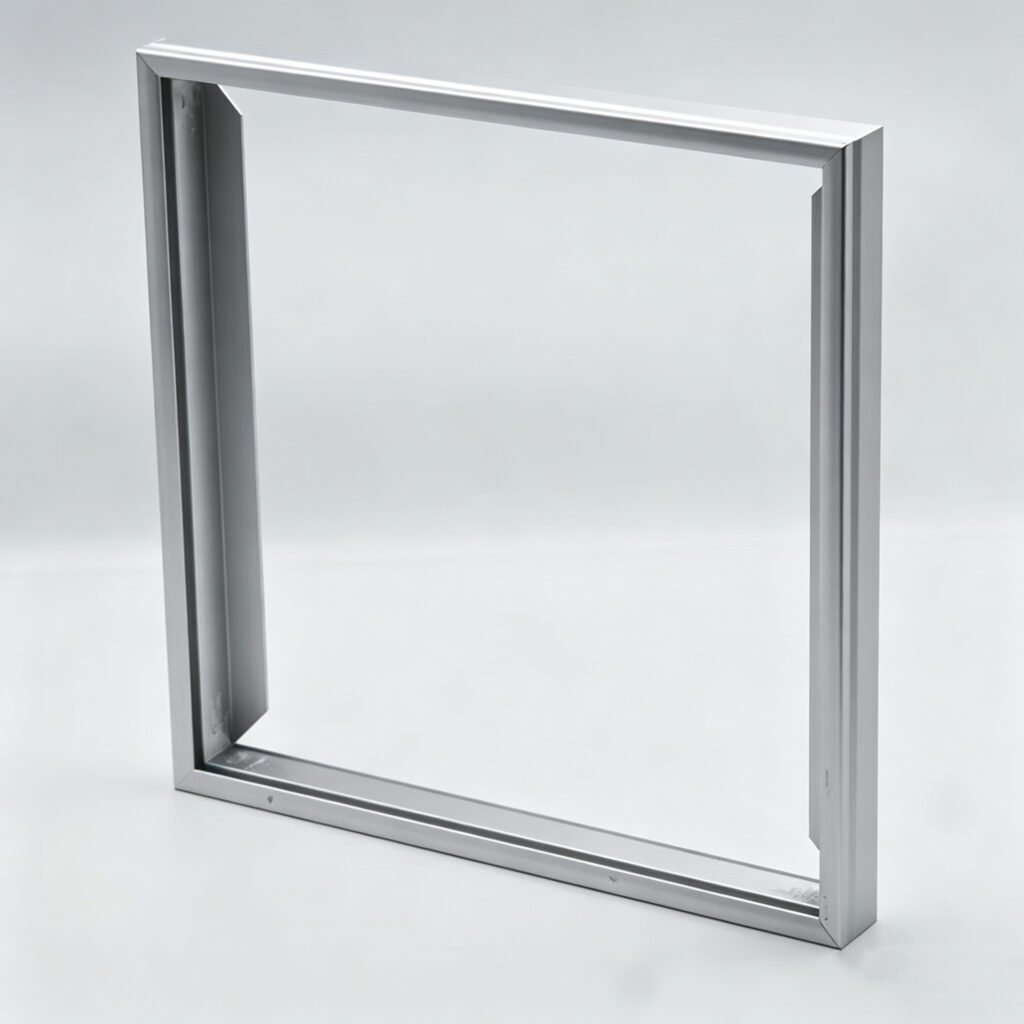
Anodizing is an electrochemical treatment that forms a dense, hard alumina protective film on the aluminum surface. Standard solar frames use 10μm minimum silver anodizing, sealing all metal pores to isolate air, salt fog and rainwater. It is the mainstream standard finish for commercial photovoltaic modules.
Core Performance Comparison
When evaluating an anodized vs mill finish solar panel aluminum frame, corrosion resistance and surface hardness are the two most critical factors.
2.1 Anti-Corrosion & Oxidation Resistance
- Mill Finish: Bare aluminum reacts quickly with oxygen, moisture and salt spray. Within 1–2 years outdoors, white oxidation spots and dark stains will cover the frame surface. It cannot be used in coastal, high-humidity or acid rain regions.
- Anodized Finish: The compact oxide film blocks outside erosion. Standard silver anodized solar frame options pass 800+ hours salt spray testing, making them the ultimate corrosion resistant solar frame for harsh environments. maintaining stable appearance for 20+ years under normal outdoor weather. It adapts to inland, coastal and tropical solar sites.
2.2 Surface Hardness & Wear Resistance
- Mill Finish: Soft raw aluminum surface. Scratches and dents easily appear during transportation, assembly and installation, leading to high product rejection rates.
- Anodized Finish: The anodic layer has far higher hardness than raw aluminum. It resists friction and collision damage during mass production and logistics, lowering scrap loss for PV factories.
2.3 Appearance & Aesthetics
- Mill Finish: Uneven natural silver tone, obvious extrusion grain lines, easy to turn yellow or gray after long-term sun exposure. No color customization available.
- Anodized Finish: Uniform matte silver surface with consistent luster. The color stays unchanged under long-term UV radiation; you can also customize black or bronze anodizing for special rooftop solar designs.
2.4 Procurement Cost Gap
Mill finish solar frames skip the whole anodizing production line; as a result, the unit price is 10% to 18% lower than anodized frames. However, mill finish frames require regular cleaning and anti-rust maintenance after installation. In addition, the long-term maintenance expense far offsets the initial material cost savings. Ultimately, choosing anodized frames proves to be more economical over the lifespan of the PV system.
Suitable Application Scenarios
Choosing between an anodized vs mill finish solar panel aluminum frame ultimately depends on your project location, local environmental conditions, and total lifetime budget.
Choose Mill Finish Solar Aluminum Frames Only If:
- The solar system is temporary short-term construction (service life under 3 years)
- The project is located in dry inland desert areas with zero salt fog and low rainfall
- You only need ultra-low budget temporary photovoltaic power stations
- The frames will be fully covered by other protective structures with no direct outdoor exposure
Choose Anodized Solar Aluminum Frames If:
- Permanent residential rooftop, commercial PV and large ground solar farms
- Projects built in coastal, island, high humidity or acid rain zones
- You require consistent appearance and zero maintenance for over 15 years
- Export solar modules to Europe, USA, Southeast Asia with standard quality certification requirements
- Common Mistakes Global Solar Buyers Make
- Buying mill finish frames for seaside solar projects to save money, only to replace all oxidized frames within 3 years.
- Confusing thin 5μm decorative anodizing with 10μm industrial PV-grade anodizing, resulting in insufficient anti-corrosion ability.
- Ignoring extrusion line marks on mill finish frames, which expand and form rust spots after rain erosion.
Professional solar aluminum extrusion manufacturers strictly recommend 10μm minimum silver anodizing as the default finish for all permanent photovoltaic installations.
Frequently Asked Questions
Q1: Can I paint mill finish solar frames myself to prevent oxidation?
A: DIY spray paint peels off easily under outdoor high temperature and UV light. It cannot match the stable protection of factory anodizing treatment.
Q2: How long will mill finish aluminum frames last outdoors without protection?
A: Under normal inland weather, obvious oxidation stains appear after 1–2 years. In coastal areas, rust spots show within 6 months.
Q3: Is anodized aluminum compliant with global solar industry standards?
A: Yes. 10μm silver anodized 6063-T5 frames meet IEC photovoltaic module standards and RoHS certification for worldwide export.
Q4: What aluminum alloy is used for these frames?
A: High-quality solar panel aluminum frame products are typically made of 6063-T5 aluminum extrusion to ensure optimal structural strength.
Q5: How long will mill finish aluminum frames last outdoors without protection?
A: Under normal inland weather, obvious oxidation stains appear after 1 to 2 years. In contrast, rust spots show within 6 months in coastal areas.
Q6: What aluminum alloy is used for these frames?
A: High-quality solar panel aluminum frame products are typically made of 6063-T5 aluminum extrusion to ensure optimal structural strength.
Conclusion
In summary, while a mill finish frame reduces initial purchase costs, specifying an anodized vs mill finish solar panel aluminum frame ensures superior weather resistance and zero maintenance for modern commercial solar power systems.
Contact With Vanway Tech Team for Premium Aluminium Extrusion Products!
Enquire with UsConnect with Vanway Tech Team for Premium Aluminium Extrusion Products.
Contact InfoWe are looking forward to hearing from you!
-
Email: info@vanway-tech.com
-
Address: No. 588, Wuyi South Road, CSJ Moldware Town, Wujin, Changzhou, Jiangsu, China
Scan Below Codes to Contact Us Immediately.