Vanway Precision Materials Tech Co.,Ltd


Aluminum vs Copper Heat Sinks: Which Is Best for Electronics Cooling?
Efficient thermal management is crucial in modern electronics, from computers and LEDs to electric vehicles. Heat sinks play a vital role in dissipating heat and ensuring device longevity. Choosing the right material can make a significant difference in performance, cost, and reliability.
When evaluating aluminum vs copper heat sinks, both materials offer distinct advantages, but aluminum often emerges as the superior choice for most applications.
Understanding Heat Sinks and Thermal Management
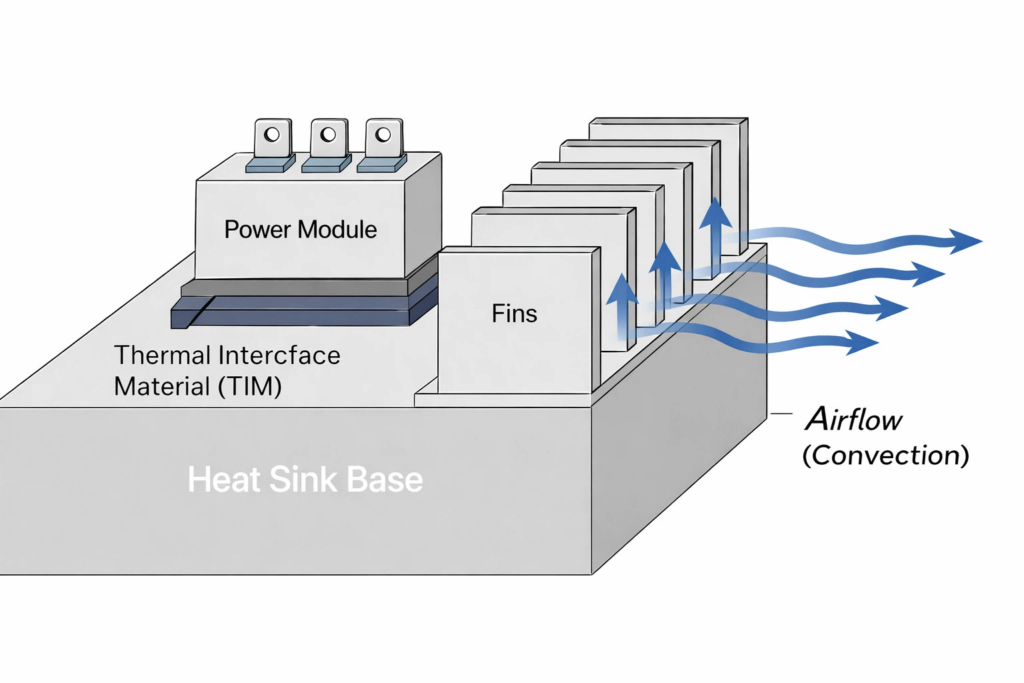
Heat sinks absorb and dissipate heat from electronic components such as CPUs, GPUs, LEDs, power modules, and industrial machinery. Key factors when selecting a heat sink material include:
- Thermal conductivity
- Weight
- Cost-effectiveness
- Corrosion resistance
- Ease of manufacturing
Selecting the right option when comparing aluminum vs copper heat sinks ensures efficient heat dissipation, reduced energy consumption, and extended device lifespan.
Advantages of Vanway Tech’s Aluminum Heat Sinks

Aluminum offers a combination of thermal efficiency, affordability, and versatility, making it the go-to material for heat sinks in multiple industries.
Lightweight and Cost-Effective
Aluminum is much lighter than copper, making it perfect for laptops, LED lights, and electric vehicles where weight is a critical factor.
| Material | Density (g/cm³) | Approx. Cost (USD/kg) |
|---|---|---|
| Aluminum | 2.70 | $3–4 |
| Copper | 8.96 | $9–10 |
Aluminum is over three times lighter and more cost-effective than copper, reducing shipping and handling costs.
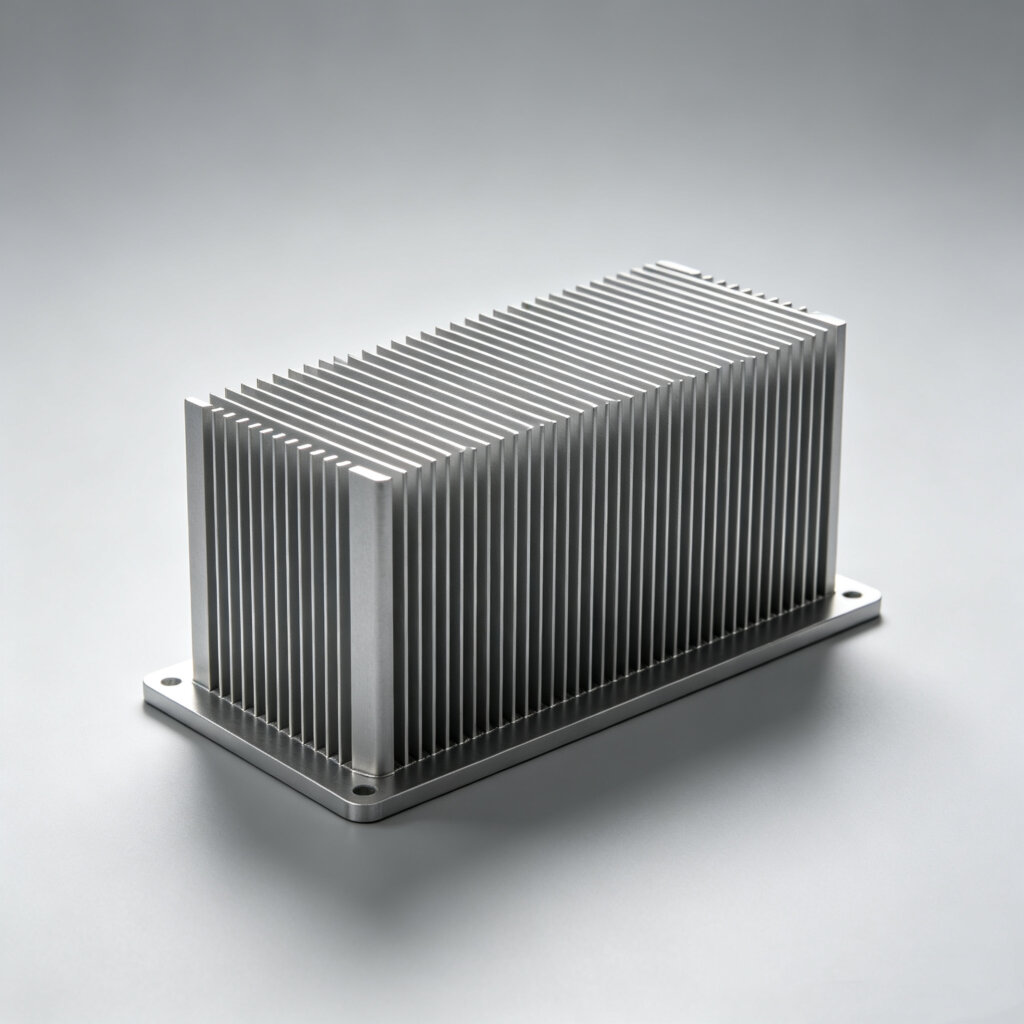
Standard heat sink extrusions typically utilize 6063-T5 aluminum alloy, known for its excellent balance of tensile strength and heat transfer. You can verify detailed aluminum alloy material properties in engineering databases to compare specific density metrics.
High Thermal Performance with Design Optimization
Although copper has a higher thermal conductivity (≈400 W/m·K) than aluminum (≈205 W/m·K), design strategies such as larger surface areas and optimized fin patterns can make aluminum heat sinks equally effective for most applications.
Corrosion Resistance
Aluminum naturally forms an oxide layer that protects it from corrosion, making it suitable for humid environments or outdoor installations. Copper requires additional coatings to prevent tarnishing.
Easy Fabrication and Customization
Aluminum can be:
- Extruded
- Machined
- Anodized
This allows complex designs, tailored shapes, and enhanced surface treatments that improve both heat dissipation and aesthetic appeal.
Applications of Aluminum Heat Sinks
Aluminum heat sinks are versatile and widely used across various industries:
Electronics & Computing
- CPU and GPU cooling (In high-density computing and power electronics, thermal designs must comply with rigorous IEEE thermal management standards to prevent junction overheating and structural thermal stress.)
- Power modules and converters
- LED lighting systems
Automotive & Electric Vehicles
- EV battery packs
- Motor and inverter cooling
- Automotive LED headlights
Industrial & Renewable Energy
- Industrial machinery cooling
- Solar inverters
- Telecom equipment
Side-by-Side Comparison
To better understand the trade-offs of aluminum vs copper heat sinks, let’s examine their core physical and thermal properties side-by-side:
| Feature | Aluminum | Copper |
|---|---|---|
| Thermal Conductivity | 205 W/m·K | 400 W/m·K |
| Density | 2.70 g/cm³ | 8.96 g/cm³ |
| Cost | Low | High |
| Weight | Lightweight | Heavy |
| Corrosion Resistance | Excellent | Moderate |
| Ease of Manufacturing | High | Moderate |
| Ideal Applications | Electronics, LEDs, EVs, Industrial | High-end CPU/GPU, Specialized applications |
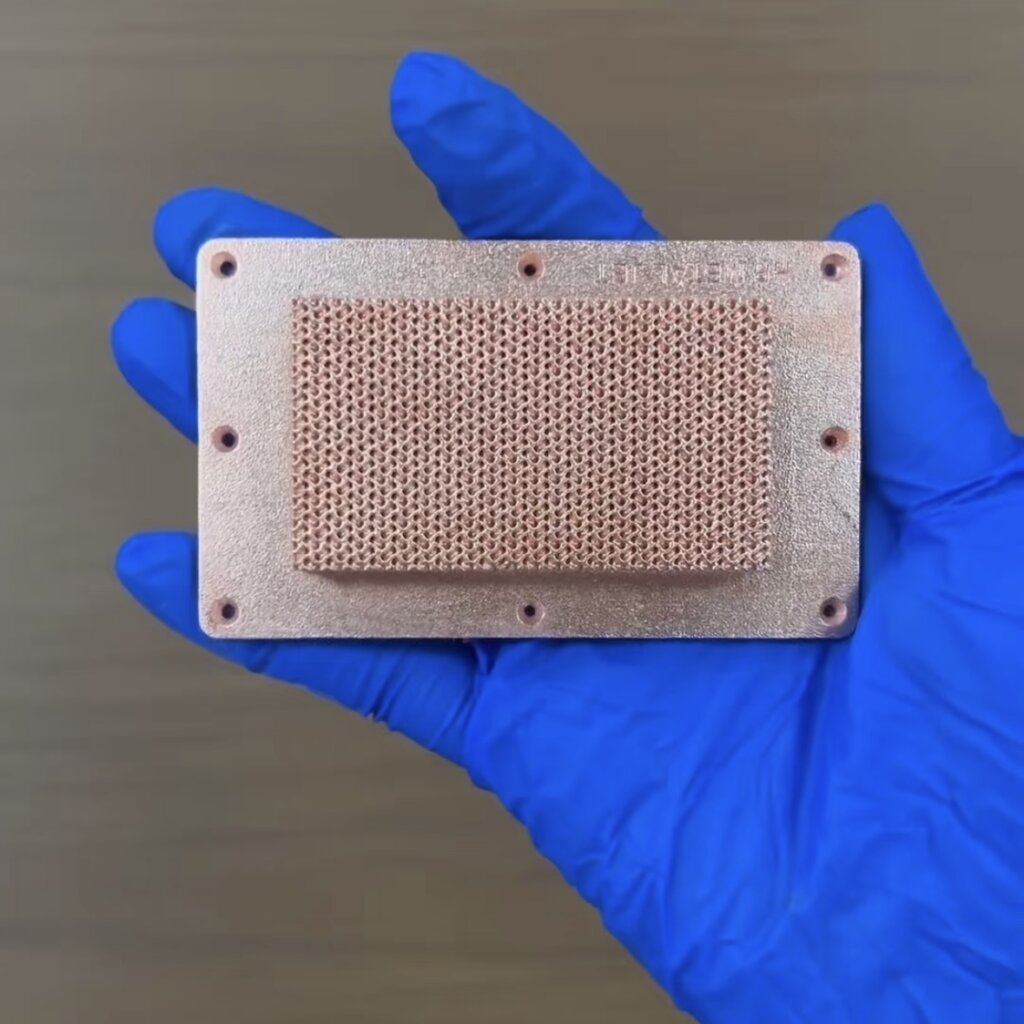
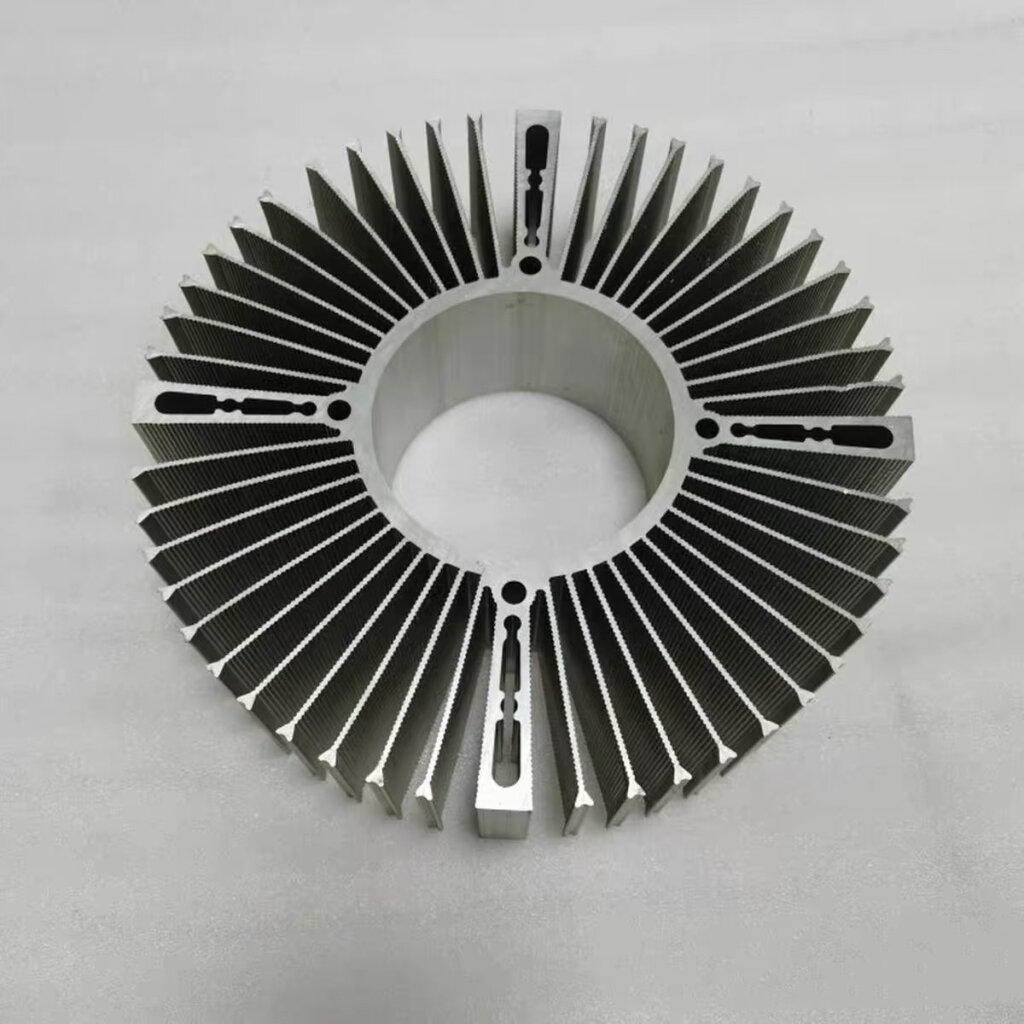
Aluminum is ideal for applications prioritizing weight, cost, and manufacturability, while copper is reserved for specialized, high-performance systems.
Design Tips for Aluminum Heat Sinks
- Optimize Fin Structures: Maximize surface area and airflow.
- Anodize the Surface: Improves corrosion resistance and thermal radiation.
- Hybrid Solutions: Combine aluminum with copper heat spreaders for demanding applications.
While evaluating aluminum vs copper heat sinks, incorporating advanced design strategies allows aluminum to deliver thermal performance that closely rivals copper.
Contact Vanway Tech today for your aluminum heat sink products.
Conclusion
There is no absolute better option. The choice depends on heat dissipation requirements, cost and weight.
- Thermal Conductivity
The thermal conductivity of pure copper is about 401 W/(m·K), while 6063 aluminum alloy reaches around 201‑237 W/(m·K).
Copper transfers heat faster and conducts heat away from chips more efficiently. However, heat dissipation performance also relies on the total heat‑dissipating area and air convection. Although copper conducts heat well, it is heavy. For the same weight, aluminum can be manufactured into heat sinks with a larger fin area. - Weight Comparison
The density of copper is approximately 8.9 g/cm³, compared with 2.7 g/cm³ for aluminum.
A copper heat sink weighs more than three times an aluminum one of the same size. Full‑copper solutions are too heavy for equipment with strict load‑bearing or anti‑vibration limits. - Cost
Raw copper material is far more expensive than aluminum alloy. Extrusion and machining of copper are also more difficult.
Aluminum heat sinks are cost‑effective for mass‑production industrial controllers and power modules. Pure copper heat parts come at a higher cost and are reserved for compact components with high heat flux. - Heat‑dissipation Solutions for Different Scenarios
- Small‑size devices with concentrated high heat: Copper or copper‑aluminum composite structures work better for quickly spreading local high temperatures, usually in the form of copper bases or compact copper heat sinks.
- Medium‑power applications requiring large fin surfaces for heat exchange, such as inverters and industrial control equipment: Extruded aluminum heat sinks are the optimal choice. Aluminum provides sufficient cooling performance. Long multi‑fin profiles can be extruded easily, releasing heat into the air with a large surface area at a competitive price and low weight.
There is a compromise solution adopted by the industry : a copper base combined with aluminum fins. The copper base absorbs heat rapidly, while the upper aluminum fins create a large cooling surface, balancing thermal conductivity, weight and cost.
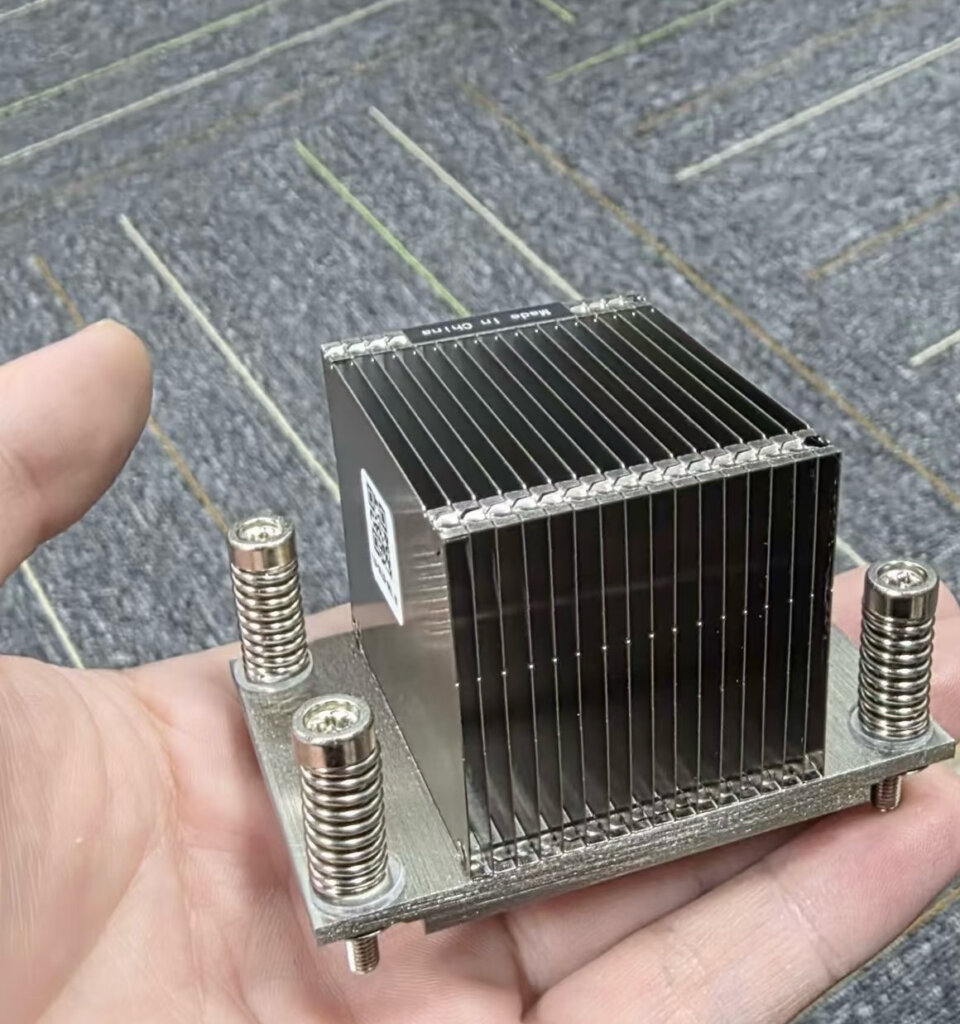
How do aluminum vs copper heat sinks compare in overall performance?While copper offers higher thermal conductivity, aluminum’s versatility, affordability, and corrosion resistance make it the top choice across multiple industries.
For engineers and designers, aluminum heat sinks are the smart solution for efficient cooling, extended device lifespan, and reduced production costs. partner, Vanway-Tech delivers more than products—it delivers growth-enabling solutions tailored to the continent’s unique potential.
FAQs About Aluminum Heat Sinks
Q1:How do aluminum vs copper heat sinks compare in overall performance?
A: Aluminum is lighter, cheaper, corrosion-resistant, and easier to manufacture. Copper has higher thermal conductivity but is heavier and costlier. Aluminum is preferred for most consumer and industrial applications.
Q2: In aluminum vs copper heat sinks applications, can aluminum handle high-power electronics?
A: Yes, with optimized fin designs, large surface areas, and proper airflow, aluminum heat sinks can efficiently cool CPUs, GPUs, LEDs, and EV battery packs.
Q3: Is anodized aluminum necessary for heat sinks?
A: Anodizing improves corrosion resistance and can slightly enhance heat dissipation, especially in humid or outdoor environments.
Q4: Which industries use aluminum heat sinks the most?
A: Electronics, automotive (EVs), LED lighting, industrial machinery, telecom, and renewable energy systems.
Contact With Vanway Tech Team for Premium Aluminium Extrusion Products!
Enquire with UsConnect with Vanway Tech Team for Premium Aluminium Extrusion Products.
Contact InfoWe are looking forward to hearing from you!
-
Email: info@vanway-tech.com
-
Address: No. 588, Wuyi South Road, CSJ Moldware Town, Wujin, Changzhou, Jiangsu, China
Scan Below Codes to Contact Us Immediately.