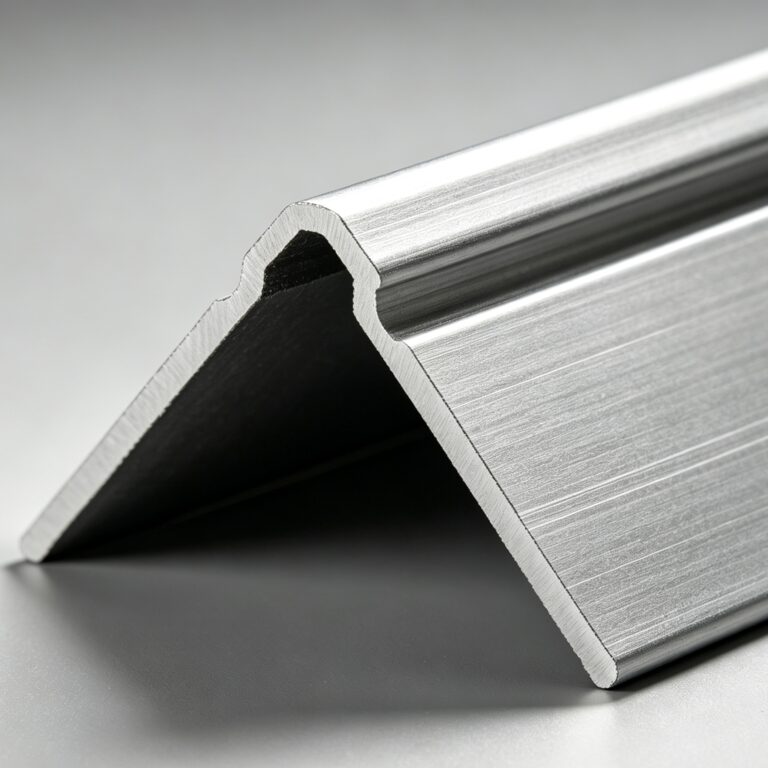
Vanway Tech specializes in manufacturing the Solar Panel Extruded Aluminum Frame, which is a precision-engineered structural component designed to enclose and protect the perimeter of photovoltaic modules. Specifically, by utilizing advanced extrusion technology, Vanway Tech forces high-grade aluminum alloys through specialized dies to create lightweight yet heavy-duty profiles. Consequently, these rugged frames provide crucial mechanical strength against severe wind or snow loads, while simultaneously offering exceptional thermal dissipation to extend solar cell longevity. Furthermore, each frame is treated with premium anodization, thereby ensuring robust corrosion resistance for reliable long-term outdoor performance.
Protects the panel: It stops the solar cells and glass from breaking or getting damaged.
Safer shipping: It protects the panels much better during transport compared to frameless panels.
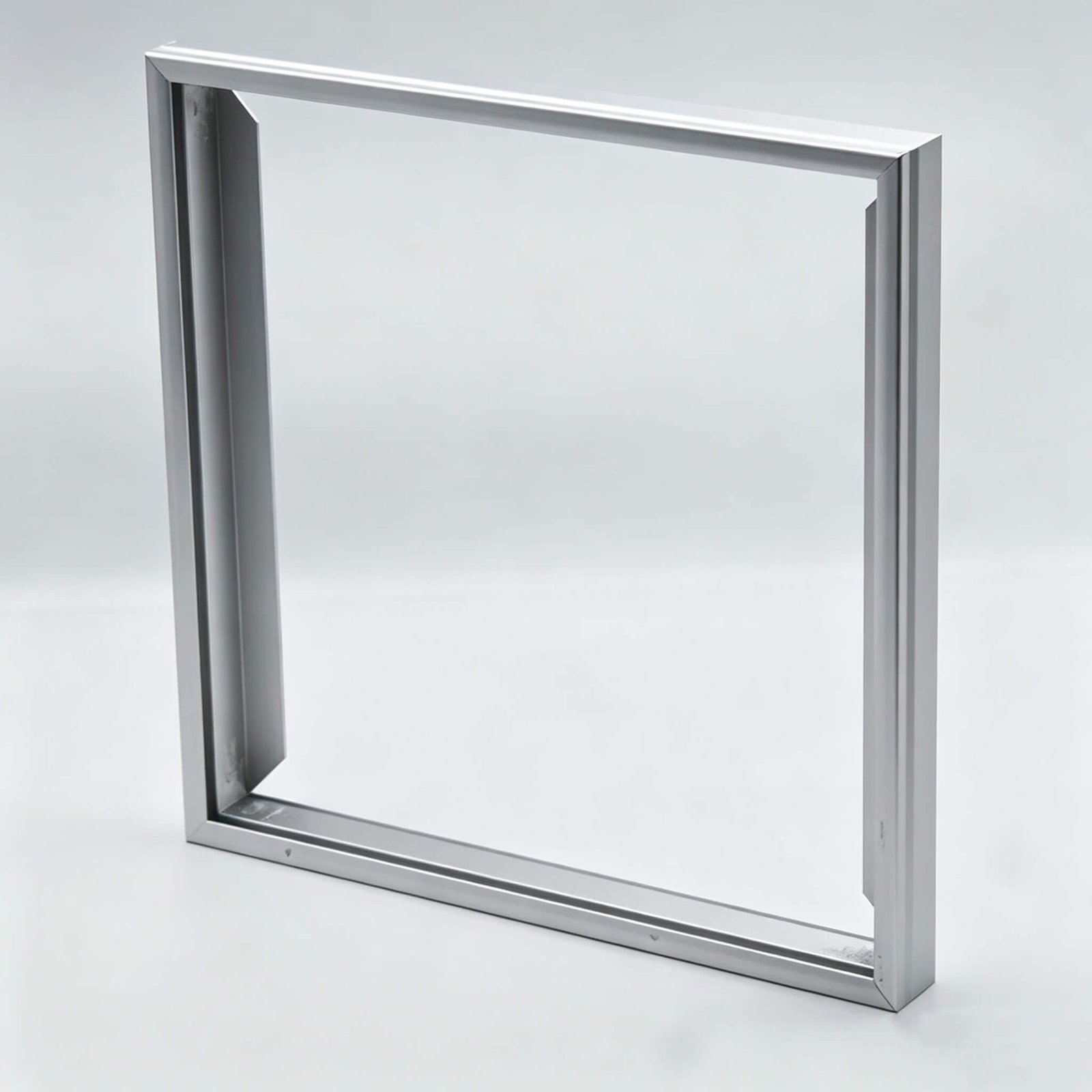
The Solar Panel Aluminum Frame plays a vital role in the assembly of modern photovoltaic systems. Engineers define this component as an extruded aluminum structure that securely seals and fixes solar module components. This sturdy frame serves as the primary protective shield for the fragile solar cells and glass layers. Consequently, it prevents cracking, moisture ingress, and mechanical damage. Furthermore, it provides essential mechanical support, which allows installers to mount the panels safely on various racking structures. Manufacturers choose aluminum because it offers an exceptional strength-to-weight ratio and excellent corrosion resistance. Therefore, this essential boundary ensures that solar panels survive harsh outdoor environments for over twenty-five years.
Technical Specifications for Solar Panel Aluminum Frame Profiles
High-quality engineering requires precise material dimensions and strict compliance with global manufacturing guidelines. The table below presents the definitive technical parameters for standard solar panel aluminum frames.
Applications of Solar Panel Aluminum Frame Profiles
Utility-Scale Ground Power Plants
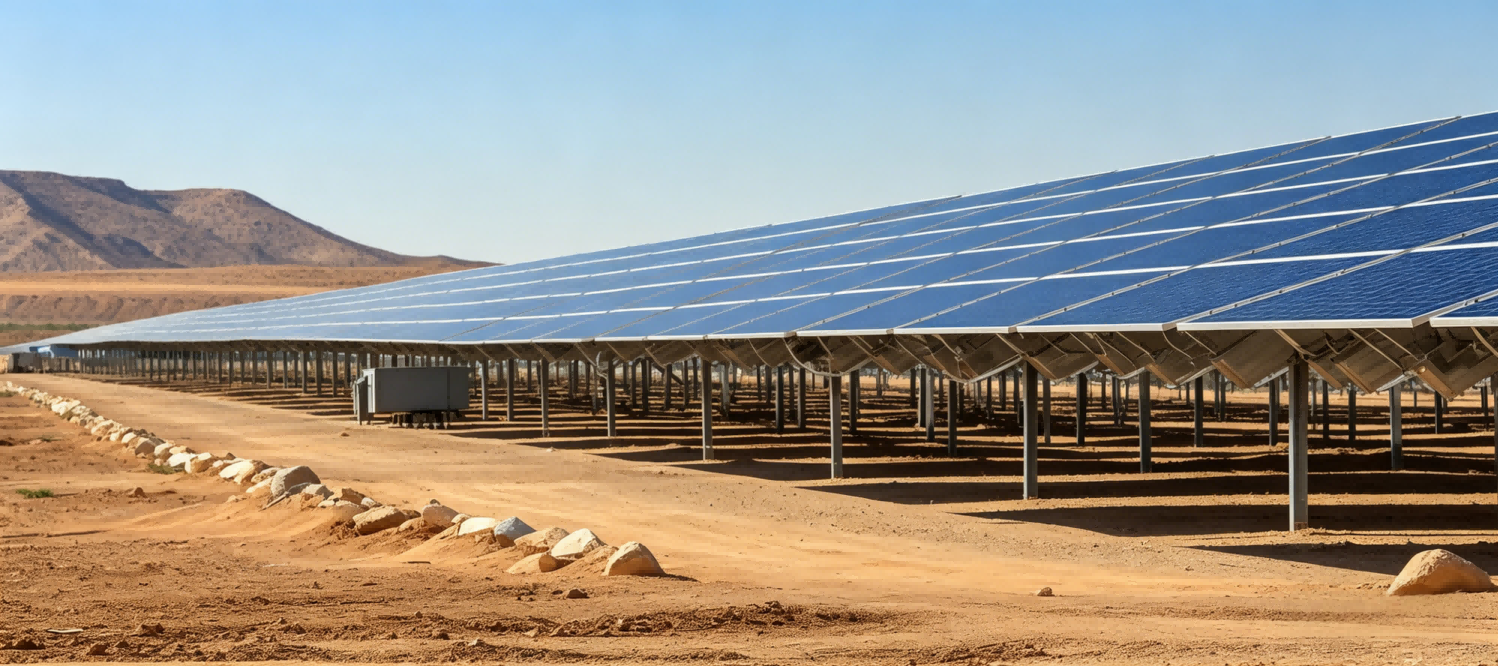
Large-scale solar farms deploy thousands of PV modules across vast open plains or desert regions. In these areas, fierce winds and sandstorms constantly threaten the physical structure of the modules. However, the heavy-duty aluminum frame provides the necessary stiffness to withstand these extreme forces.
Deploying a high-strength solar panel aluminum frame helps modules withstand these high mechanical loads over time.
Residential and Commercial Rooftop Installations
Rooftop solar arrays require lightweight yet highly durable components to prevent structural overloading on buildings. Homeowners and businesses utilize anodized aluminum frames because they do not add excessive weight to roofs. Additionally, the sleek black or silver finishes complement modern architectural designs.
Floating Solar Arrays and Marine Environments
Floating solar platforms operate in high-humidity and high-salinity water bodies. Ordinary metals rust rapidly under these conditions, but specialized anti-corrosive aluminum frames resist salt-spray damage perfectly. As a result, they maintain structural integrity even when floating on coastal waters or reservoirs.
Specialized anti-corrosive coatings ensure that each solar panel aluminum frame performs reliably even under high-salinity conditions.
How the Solar Panel Aluminum Frame Manufacturing Process Works
Precision Billet Heating and Extrusion
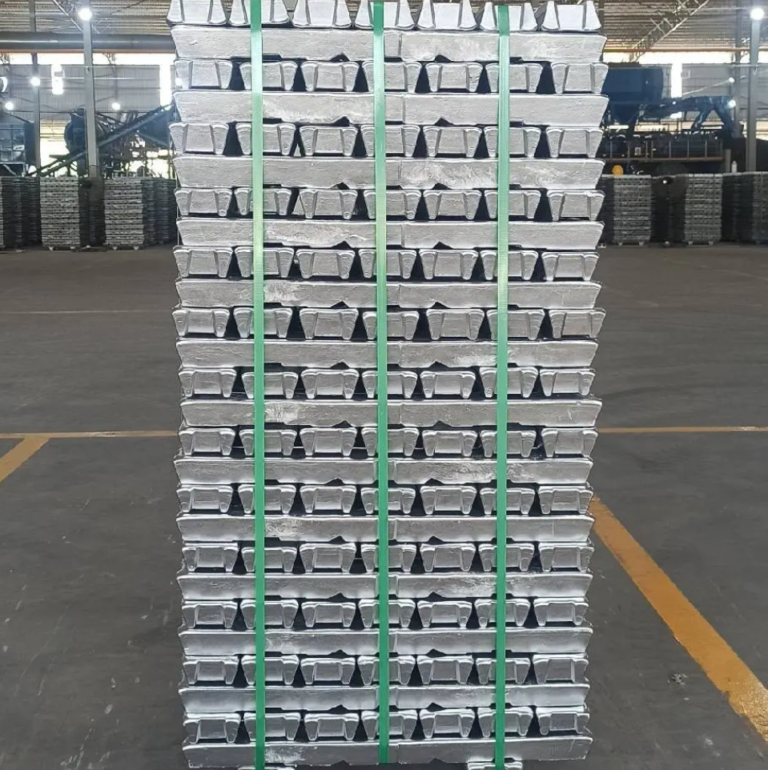
The production journey begins with high-purity aluminum billets. Workers heat these raw billets to a specific plastic state inside a gas-fired furnace. Next, a powerful hydraulic extrusion press forces the heated aluminum through a custom-designed steel die to form the solar panel aluminum frame profile.
Aging and Mechanical Stretching
Immediately after extrusion, automatic pullers stretch the long aluminum profiles to eliminate internal stress and guarantee straightness. Technicians then place the cut profiles into aging ovens. This thermal treatment triggers artificial aging, which drastically increases the hardness and tensile strength of the metal.
Surface Anodizing and Fabrication
Following the hardening process, the profiles undergo an electrochemical anodizing treatment. This step grows a protective aluminum oxide layer on the surface to prevent rust and scratches. Finally, automated CNC machines cut the profiles to exact lengths, punch mounting holes, and mill water drainage slots.
Contact Vanway Tech team to discuss customized aluminum profile solutions that ensure durable and reliable photovoltaic panel framing for your solar projects.
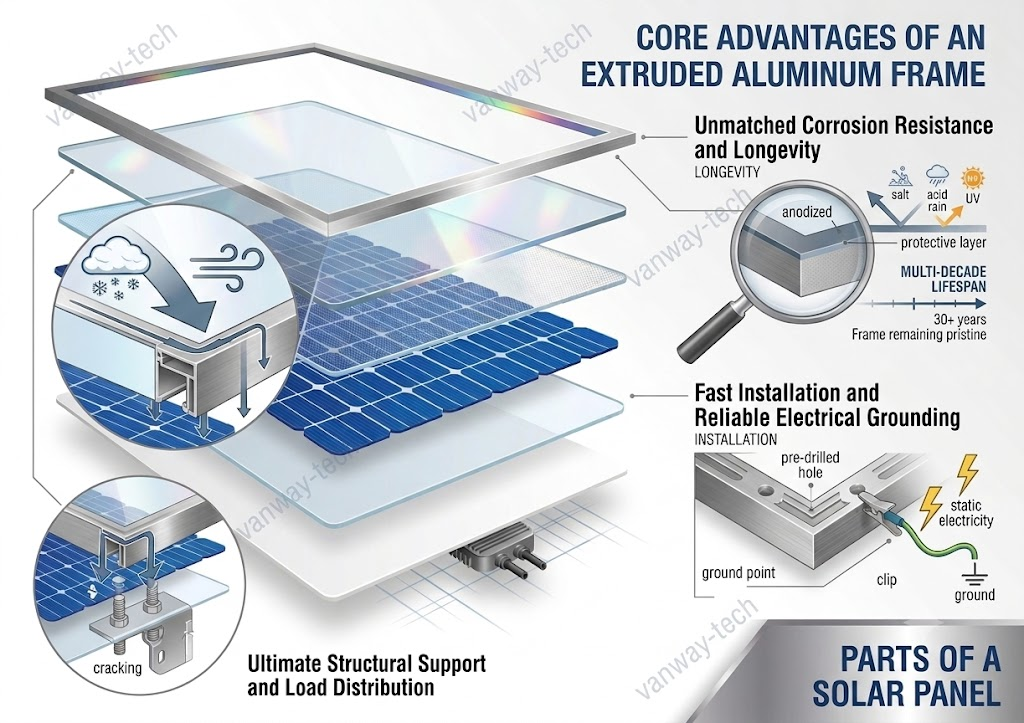
First and foremost, the aluminum frame distributes mechanical stress evenly across the entire PV module. When heavy snow piles up on the glass surface, the perimeter frame transfers the weight to the mounting brackets. This mechanism protects the silicon wafers from micro-cracks and power degradation.
Unmatched Corrosion Resistance and Longevity
Aluminum naturally generates a thin oxide layer, and commercial anodizing thickens this shield significantly. Because of this treatment, the frame resists acid rain, industrial pollution, and ultraviolet radiation. Consequently, the metal never rusts or degrades throughout the multi-decade lifespan of the solar system.
Fast Installation and Reliable Electrical Grounding
Modern frames include pre-drilled holes and specialized grooves that simplify the installation process for field workers. Moreover, the aluminum alloy acts as an excellent electrical conductor. Installers can easily attach grounding clips to the frame, which safely channels static electricity and lightning strikes into the earth.
FAQs of Photovoltaic Mounting Frame:
Q1.What is the most common alloy for a solar panel aluminum frame?
A: Manufacturers primarily use 6063-T5 aluminum alloy for solar panel frames due to its excellent extrudability and surface finish. This specific alloy provides the ideal balance of mechanical strength and corrosion resistance.
Q2. Why do solar panels require an anodized surface?
A: Anodizing creates a thick oxide layer that isolates the aluminum from moisture and oxygen. This process stops rust formation and ensures the frame survives decades of outdoor weather exposure.
Q3. Can aluminum frames withstand heavy snow loads?
A: Yes, high-quality aluminum frames easily support snow loads up to 5400 Pascals when combined with tempered solar glass. The frame transfers the downward pressure safely to the underlying mounting rack.
Q4. Do aluminum frames affect the electrical grounding of a solar system?
A: Yes, the conductive nature of aluminum allows the frame to serve as a key part of the safety grounding system. Installers attach grounding wires directly to the frame to prevent electrical shock hazards.
Q5. What is the standard height of a solar panel aluminum frame?
A: Most commercial and residential solar panels feature frame heights of either 30mm, 35mm, or 40mm. Utility-scale modules sometimes utilize 50mm frames to handle higher mechanical loads.
Q6. How do frames protect solar panels during transportation?
A: The rigid aluminum frame absorbs external impacts and vibration when shipping crates move over long distances. It prevents the glass edges from bumping into each other and cracking before installation.
Q7. Is it possible to recycle solar panel aluminum frames?
A: Yes, aluminum is 100% recyclable without any loss in material quality or performance. Recycling facilities easily separate the metallic frame from the glass and silicon during the decommissioning phase.
Q8. Why do thin-film solar companies now adopt aluminum frames?
A: Thin-film companies increasingly use aluminum frames because frameless thin-film panels suffer from edge breakage during transit. The addition of a frame increases product reliability and reduces replacement costs.
Why Should You Choose Vanway-tech as Your Photovoltaic Aluminum Frame Manufacturer?
Selecting a reliable manufacturing partner determines the ultimate quality and market competitiveness of your PV modules. Vanway-tech stands out as a premier global manufacturer specializing in high-precision Solar Panel Aluminum Frames. We operate state-of-the-art automated extrusion lines and advanced anodizing facilities to deliver flawless profiles every time. Our experienced engineering team works closely with clients to design custom dimensions that perfectly fit next-generation thin-film and crystalline silicon modules.
Furthermore, our strict quality control department tests every batch for dimensional accuracy, coating thickness, and tensile strength. We always utilize premium raw materials to guarantee that our frames pass the most rigorous international load tests. By choosing Vanway-tech, you secure a stable supply chain, competitive factory-direct pricing, and unmatched technical support. Contact Vanway-tech today to elevate your solar manufacturing quality and accelerate your clean energy goals.
Vanway Tech: Solar Module Frame Size and Application Reference Table
Solar street lights, IoT sensors, and small solar-powered devices.
30×25, 35×30
1200 × 540
30W – 100W
Small-scale off-grid systems, RVs, marine boats, and yard lighting.
35×35
1580 × 808
80W – 180W
Residential rooftop balcony solar kits and portable solar chargers.
40×35
1580 × 808, 1640 × 990
120W – 200W
Standard residential rooftop arrays and commercial PV systems.
45×35
1580 × 808, 1650 × 992
180W – 250W
High-load residential roofs and medium industrial installations.
50×35
1650 × 992, 1960 × 992
200W – 300W+
Large commercial projects, industrial rooftops, and ground-mounted solar farms.
Vanway-Tech: Your trusted partner for superior wholesale solar panel aluminum profiles solutions from China.
Vanway Precision Materials Tech Co.,Ltd is a trusted leader in premium aluminum extrusion profiles. It offers custom, industrial, architectural options, angle, channels, tubes and precision extruded products for industrial, infrastructure and downstream sectors.
With years of expertise in aluminium fabrication and extrusion design, we are committed to continuous innovation in custom aluminium profile solutions, delivering reliable OEM & ODM services across the entire aluminium industry. We provide precision anodized and powder coated aluminium extrusions to meet the diverse demands of international clients in construction, renewable energy, automotive, furniture and machinery sectors.
Established in 2015, our advanced production base is equipped with cutting-edge extrusion presses, CNC machining centers and automated production lines, supported by strict quality control systems for dimensional accuracy and durability. This ensures our custom aluminium extrusions feature superior precision and efficiency, ideal for curtain wall frames, door & window systems, industrial assembly lines and infrastructure reinforcements.
Contact Vanway Tech today for tailored one-stop aluminium extrusion solutions.
Related Articles Regarding of Solar Panel Extruded Aluminum Frame