Vanway Precision Materials Tech Co.,Ltd


Choosing the Right LED Aluminum Profile: Expert Tips & Insights
Table of Contents
How to Choose the Right Led Aluminum Profile
You’ve likely admired high-end kitchens glowing softly under the cabinets without exposed wires. Achieving that flawless aesthetic requires treating your lights like a canvas needing a frame. Selecting the correct LED profile transforms a basic DIY job into a permanent architectural feature.
In practice, relying entirely on a strip’s adhesive backing eventually leads to a frustrating “peel-and-fall” disaster. Securing them requires an extrusion—the metal channel housing your lights. Builders often call this essential component an led aluminium profile.
Raw tape looks unfinished, but snapping it inside an led strip light profile guarantees a seamless, professional finish. Your final setup will stay securely mounted and look perfectly built-in for years.
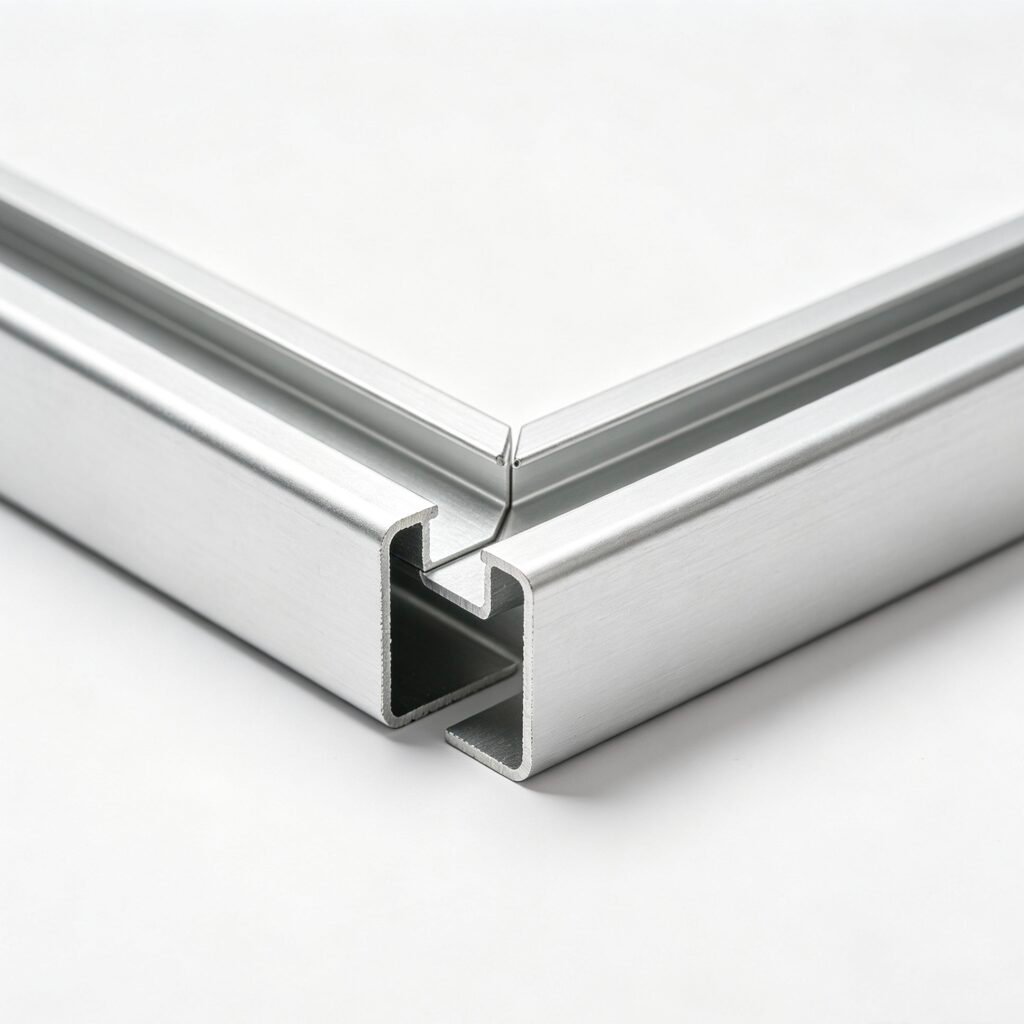
LED Lighting Aluminum Extrusion Channel
Banishing the ‘Dot’ Effect: How to Achieve Smooth, Pro-Level Led Light Strip Channel Diffusion
You know LED strips are strings of tiny bulbs, but placing them near shiny surfaces often creates glaring dotted reflections called “hotspots.” To prevent LED strip spotting with deep channels, the aluminum housing acts as a spacer. Recessing the strip further away from the surface gives the individual light beams room to overlap and blend together before they even reach the cover.
The plastic lens finishes this blending process. When comparing polycarbonate vs PMMA diffuser covers, remember that polycarbonate (PC) is highly shatter-resistant for areas where it might get bumped, whereas PMMA (acrylic) perfectly resists yellowing over time. Depending on your visual goals, you will choose from three standard LED diffuser types for dot-free lighting:
- Clear: Maximizes brightness but leaves individual dots completely visible.
- Frosted: Softens harsh glare while letting most light through, though faint hotspots may remain.
- Milky: Blocks slightly more light but delivers a perfectly smooth, solid glow.
Eliminating these harsh reflections transforms a basic DIY project into a premium home feature. Controlling the light output is only part of the process; the metal housing must also fit cleanly against your cabinets or walls.
The 3 Main Shapes: Choosing Between Flat, Corner, and Recessed Profiles
Finding the right home for your light starts with how it mounts to your woodwork. Standard flat channels, often just called a basic led aluminum extrusion, attach directly onto flat surfaces. This easy installation works perfectly for simple lighting drops above cabinets or inside wardrobes.
Shadows can become a real problem if you only shine a light straight down. When lighting a kitchen workspace, corner led strip lights are superior because they tuck neatly into the 90-degree angle where cabinets meet the wall, aiming illumination perfectly outward at a 45-degree angle.
For a completely custom, built-in look, you must carve a shallow groove directly into your shelf. Comparing recessed vs surface mount LED profiles, recessed mounting delivers a completely flush finish. These specific channels feature a “flange”—a tiny overlapping lip designed to hide messy saw cuts.
Your choice between flanged vs flangeless LED extrusions simply depends on whether you need that overlapping edge to conceal routing mistakes. Beyond the exterior shape, the physical light strip must easily drop inside the channel.
Getting the Perfect Fit: Why Internal Width is Your Most Important Measurement
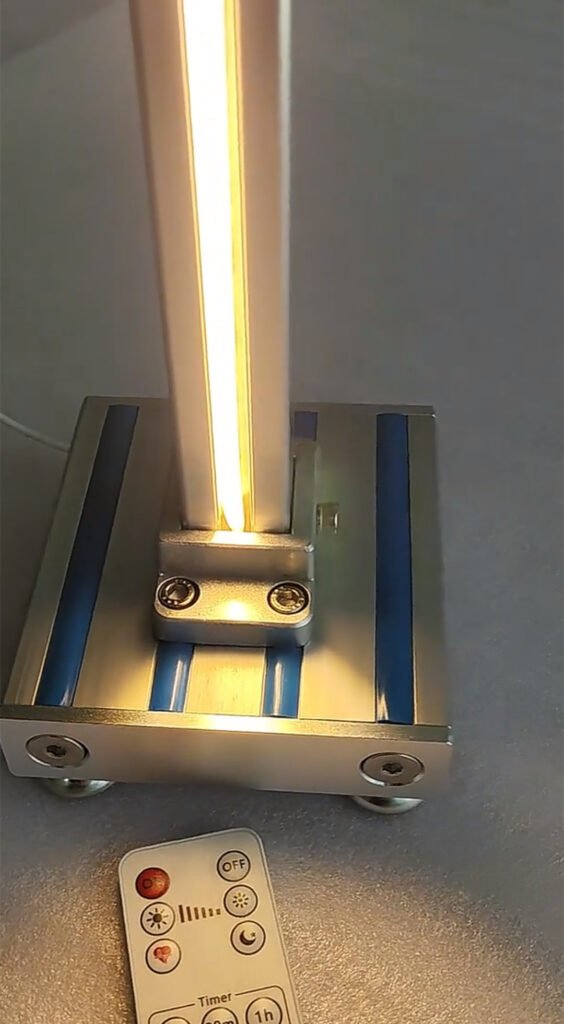
A beautiful led tape extrusion is useless if your lights won’t physically fit inside. Beginners often check the outside housing, but the internal width truly matters. Your led strip extrusion needs enough hollow space so the tape sits flat without squeezing against the walls.
To guarantee a flawless fit, use this quick measurement checklist:
- Strip width: Standard lights are 8mm, but you’ll need a specific LED channel width for 12mm strips if using thicker waterproof versions.
- Total run length: When measuring LED extrusion lengths, carefully account for your entire cabinet span.
- Connector clearance: Leave extra internal room if you rely on bulky clip-on connectors instead of flat solder joints.
Providing this tiny bit of breathing room does more than just make installation effortless. This physical clearance allows trapped heat to escape, protecting the electronics from premature failure.
More Than Just a Pretty Face: How Aluminum Extrusions Double Your LED’s Life
You already know heat is the enemy of electronics. Because running LEDs get surprisingly warm, they can dim prematurely if that warmth gets trapped. A quality led light extrusion acts as a heat sink—a simple cooling system that pulls warmth away. This aluminum LED channel heat dissipation keeps the strips running cool, effectively doubling their lifespan.
Physical protection matters just as much as temperature control. Raw metal scratches easily, but relying on anodized aluminum extrusion durability guarantees a hardened, treated finish that easily survives everyday wear and routine kitchen wipe-downs.
Moisture presents another unique challenge for your lighting setup. Upgrading a bathroom vanity or outdoor patio means meeting strict waterproof LED channel requirements to shield vulnerable electronics from heavy humidity and splashes.
The Final Checklist: End Caps, Mounting Clips, and Installation Essentials
Adapting your led profile aluminum to arches requires a special touch, like using flexible LED profiles for curved surfaces. For straight led light aluminum extrusions, your focus shifts to finishing hardware, particularly fixing LED channel light leakage where the raw metal ends.
Gather the following before beginning:
- Must-have accessories: End caps (with and without holes), mounting clips, and 3M VHB tape.
Screw-in clips work perfectly for wooden cabinets, while heavy-duty adhesive handles smooth tile.
Your Roadmap to a Flawless LED Installation
You no longer have to settle for peeling tape and harsh dotted reflections. By matching your strip width to the right led aluminium extrusion, selecting the proper shape for your surface, and choosing a frosted cover, you are equipped to build a flawless lighting feature.
Proper planning turns a simple DIY chore into a permanent, professional upgrade. Start with a straightforward under-cabinet project using a basic led strip lighting extrusion to see immediate results. Confidently transform ordinary rooms into beautifully illuminated spaces.
How to Choose the Right Led Aluminum Profile for LED Strips
Choosing the right Led strip light aluminum profiles is critical for your lighting project. High-quality aluminum extrusions protect Led strips, improve heat dissipation, and extend the lights’ service life. Whether you need aluminum profiles for home decoration, commercial lighting, or outdoor projects, you must consider key factors like material, size, protection level, and installation method. This guide uses simple language and clear steps to help you pick perfect aluminum extruded profiles for your Led strips.
Why aluminum profiles matter for Led strip lights
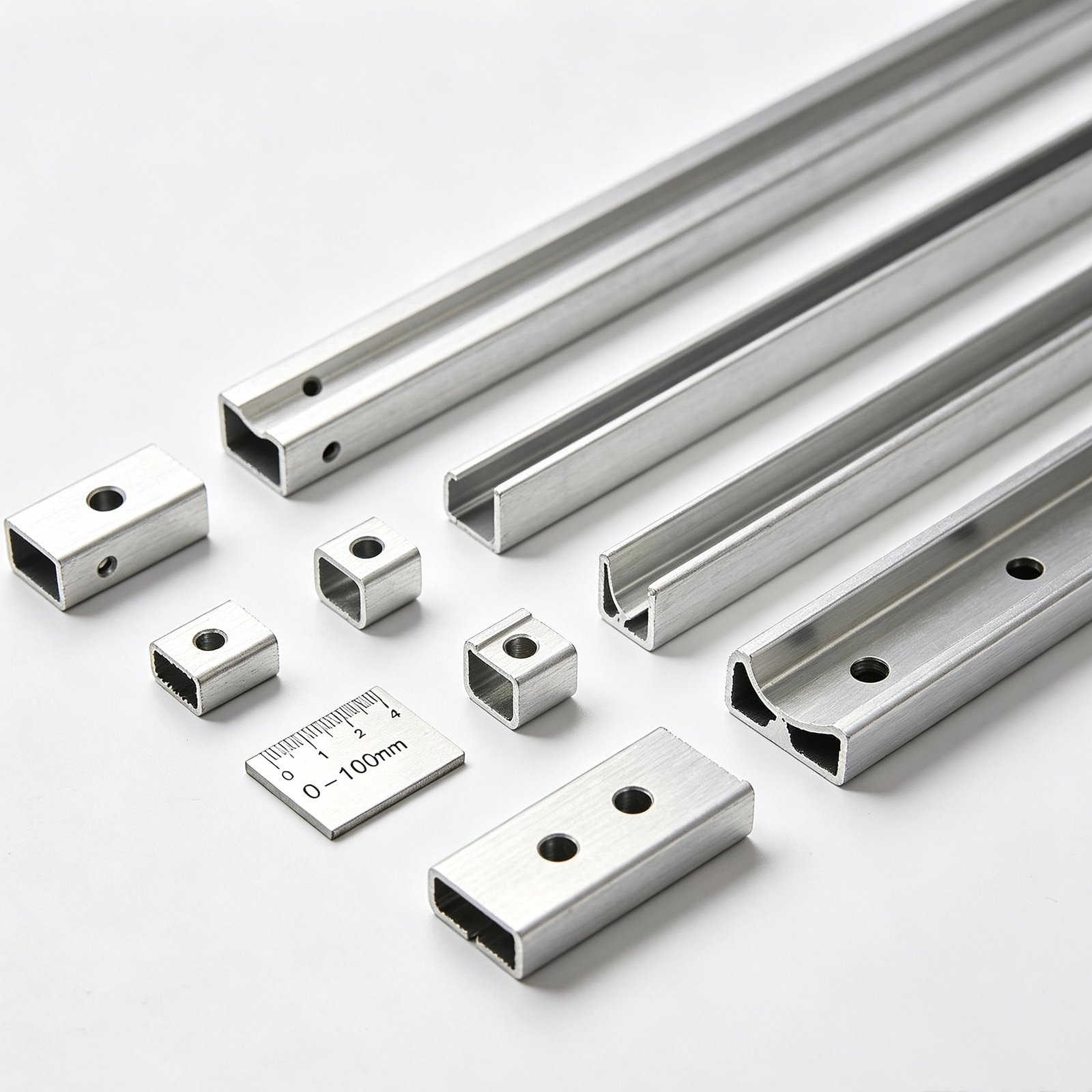
Aluminum profiles (also called aluminum extrusions) are not just holders for Led strips. They serve three core purposes:
- Heat dissipation: Aluminum extrusions conduct heat quickly, preventing Led strips from overheating and burning out .
- Protection: Aluminum extruded profiles shield Led strips from dust, water, and physical damage .
- Aesthetics: Well-designed aluminum profiles hide the Led strip and create a clean, professional look for your space.
Without the right aluminum profiles, your Led strips may fail early, look messy, or not work in harsh environments. So, investing time in choosing suitable aluminum extrusions saves you money and trouble in the long run.
Step 1: Confirm your usage environment
Your first step is to define where you will install the Led strip light aluminum profiles. Different environments need different aluminum extrusions.Choosing the right Led Aluminum Profile depends heavily on your setup, as different environments need different specifications.Your first step is to define where you will install the Led strip light aluminum profiles. Different environments need different aluminum extrusions.
Indoor vs. outdoor use
- Indoor spaces: For living rooms, bedrooms, kitchens, or offices (dry, no direct water contact), basic aluminum profiles with low protection levels work well.
- Outdoor spaces: For gardens, balconies, building exteriors, or wet areas (rain, splashes), choose aluminum extruded profiles with strong waterproof features .
Environmental conditions to check
- Humidity: Bathrooms, pools, or coastal areas need corrosion-resistant aluminum profiles.
- Temperature: High-temperature areas (near stoves or machinery) require aluminum extrusions with better heat dissipation.
- Dust: Industrial workshops or garages need dust-proof aluminum profiles to keep Led strips clean.
Step 2: Choose the right aluminum alloy type
The alloy of aluminum profiles directly affects their performance. Two common alloys for Led strip aluminum extrusions are 6063-T5 and 6061-T6.
Aluminum Alloy Types for Led Strip Profiles: Parameters & Applications
| Alloy Type | Thermal Conductivity (W/(m·K)) | Key Features | Best Applications |
|---|---|---|---|
| 6063-T5 | 201–218 | Lightweight, good heat dissipation, easy to extrude | Home decoration, commercial lighting, indoor/outdoor mild environments |
| 6061-T6 | 150–205 | Higher strength, corrosion-resistant | Heavy-duty outdoor projects, industrial lighting, coastal areas |
Why 6063-T5 is the most popular
6063-T5 aluminum extrusions are the top choice for most Led strip projects. They balance cost, heat dissipation, and ease of installation. For most homes and small businesses, 6063-T5 aluminum profiles offer enough performance. Choose 6061-T6 aluminum extruded profiles only if you need extra strength or corrosion resistance.
Step 3: Match aluminum profile size to your Led strip
Aluminum profiles must fit your Led strip’s width and thickness. A mismatched size will damage the strip or reduce performance.
Led Strip Size vs. Aluminum Profile Compatibility
| Led Strip Width (mm) | Recommended Aluminum Profile Width (mm) | Profile Thickness (mm) | Common Applications |
|---|---|---|---|
| 5–8 | 8–10 | 1.0–1.5 | Cabinet lighting, under-cabinet strips, narrow spaces |
| 10–12 | 12–16 | 1.2–2.0 | Room lighting, ceiling coves, commercial displays |
| 15–20 | 18–25 | 1.5–2.5 | Outdoor wall lighting, large signage, industrial use |
How to measure correctly
- Measure your Led strip’s width and thickness with a ruler.
- Choose aluminum extrusions that are 2–3mm wider than the strip (for easy installation).
- Ensure the aluminum profile’s depth is enough to cover the strip (prevents light leakage).
Never force a wide Led strip into a narrow aluminum profile—this will damage the strip and reduce heat dissipation.
Step 4: Select the right protection level (IP rating)
The IP (Ingress Protection) rating of aluminum profiles tells you how well they resist dust and water. Choose the rating based on your environment .
IP Rating for Aluminum Profiles: Protection & Applications
| IP Rating | Dust Protection | Water Protection | Best Applications |
|---|---|---|---|
| IP20 | Protects from large dust particles | No water protection | Indoor dry areas (living rooms, bedrooms, offices) |
| IP54 | Protects from most dust | Resists splashed water | Bathrooms, kitchens, covered balconies |
| IP65 | Dust-tight | Resists high-pressure water jets | Outdoor uncovered areas (gardens, building exteriors) |
| IP68 | Dust-tight | Can be submerged in water | Pools, fountains, underwater lighting |
Key tips for IP rating
- For indoor dry spaces: IP20 aluminum profiles are sufficient.
- For areas with splashes (like kitchens): Choose IP54 aluminum extrusions.
- For outdoor use: IP65 aluminum profiles are the most cost-effective choice .
- For underwater projects: Only use IP68 aluminum extruded profiles from reliable suppliers.
Step 5: Pick the right installation method
Aluminum profiles offer multiple installation options. Choose the one that fits your surface and skill level.
Common installation methods for aluminum extrusions
- Adhesive mounting: Aluminum profiles with double-sided tape are easy to install. Clean the surface, peel the tape, and stick the profile. Best for smooth surfaces (wood, metal, plastic).
- Screw mounting: Use screws and brackets to fix aluminum profiles. More secure for heavy strips or uneven surfaces (concrete, brick).
- Recessed mounting: Embed aluminum profiles into walls, ceilings, or floors. Creates a hidden lighting effect—perfect for modern homes and commercial spaces .
- Clip mounting: Use clips to attach aluminum profiles. Ideal for temporary setups or areas where you may need to remove the profile later.
How to decide
- If you rent or can’t drill holes: Choose adhesive-mounted aluminum profiles.
- For permanent outdoor or heavy-duty use: Opt for screw-mounted aluminum extrusions.
- For a seamless look: Go with recessed aluminum profiles.
Step 6: Check heat dissipation performance
Heat is the biggest enemy of LED lights, which is why a high-quality Led Aluminum Profile with good thermal conductivity is essential.Good aluminum profiles dissipate heat quickly to keep strips working longer .
How to evaluate heat dissipation
- Profile thickness: Thicker aluminum extrusions (1.5mm+) dissipate heat better than thin ones.
- Fin design: Aluminum profiles with fins (small ridges) on the back have more surface area for heat transfer .
- Alloy type: As shown in Table 1, 6063-T5 aluminum extrusions have better thermal conductivity than other alloys for most projects.
For high-power Led strips (over 12W/m), choose aluminum profiles with thick walls and finned designs. This prevents overheating and extends the strip’s life by 2–3 times.
Step 7: Consider additional features
Small features can make a big difference in usability and aesthetics.
Cover options
Most aluminum profiles come with PC (polycarbonate) or PMMA covers:
- Transparent covers: Maximize light output—good for task lighting.
- Milky/frosted covers: Soften light and hide the Led strip’s dots—perfect for ambient lighting .
- Opaque covers: Block light from sides—ideal for directional lighting.
Choose covers that are flame-retardant (UL 94 V-2 rating) for safety .
End caps and accessories
- End caps: Protect the ends of aluminum profiles from dust and water. Some have holes for cable management .
- Connectors: Join multiple aluminum extrusions for long lighting runs.
- Mounting clips: Secure aluminum profiles without drilling (great for renters).
Step 8: Verify quality and supplier reliability
Not all aluminum profiles are equal. Follow these steps to ensure you get high-quality aluminum extrusions:
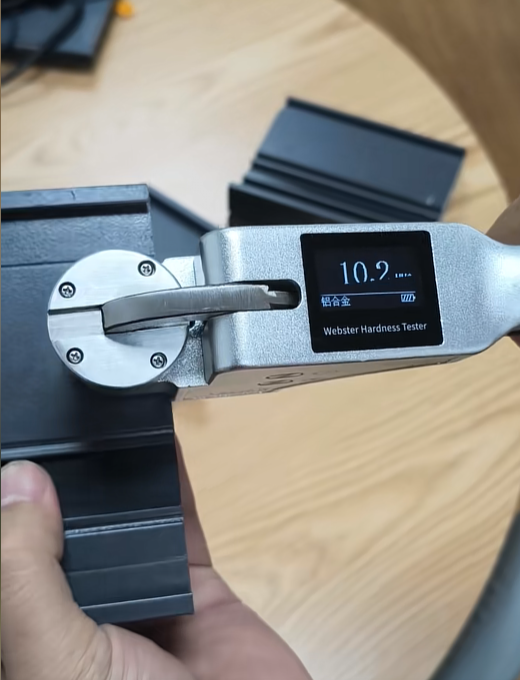
- Check surface finish: Good aluminum profiles have smooth, even anodization (no scratches or discoloration) .
- Test rigidity: Squeeze the aluminum profile—if it bends easily, it’s low-quality.
- Ask for certifications: Reliable suppliers provide certificates for alloy quality and IP rating.
- Read reviews: Look for feedback from other buyers about durability and performance.
Avoid cheap aluminum extruded profiles—they may use low-grade alloy, have poor heat dissipation, or fail quickly in harsh environments.
Common mistakes to avoid
- Choosing too narrow aluminum profiles for wide Led strips.
- Ignoring IP rating—using indoor aluminum profiles outdoors leads to water damage.
- Opting for thin aluminum extrusions for high-power Led strips (causes overheating).
- Forgetting to check cover compatibility—some covers don’t fit all profiles.
- Buying from untrustworthy suppliers—no after-sales support if something goes wrong.
Final checklist for choosing aluminum profiles
Before you buy, tick these boxes:
- Alloy type matches your project (6063-T5 for most uses, 6061-T6 for heavy-duty).
- Profile size fits your Led strip’s width and thickness.
- IP rating suits your environment.
- Installation method works for your surface.
- Heat dissipation is sufficient for your Led strip’s power.
- Covers and accessories meet your needs.
- Supplier provides quality guarantees.
Conclusion
Selecting the ideal Led Aluminum Profile for your lighting project is simple when you follow these steps.Start with your environment, then match alloy type, size, and IP rating. Don’t forget to check heat dissipation, installation method, and quality. High-quality aluminum extrusions protect your Led strips, improve performance, and make your lighting project look professional.
Whether you’re decorating your home, office, or outdoor space, the right aluminum profiles ensure your Led lights work well for years. Invest in good aluminum extruded profiles—they’re a small cost that delivers big value.
Contact With Vanway Tech Team for Premium Aluminium Extrusion Products!
Enquire with UsConnect with Vanway Tech Team for Premium Aluminium Extrusion Products.
Contact InfoWe are looking forward to hearing from you!
-
Email: info@vanway-tech.com
-
Address: No. 588, Wuyi South Road, CSJ Moldware Town, Wujin, Changzhou, Jiangsu, China
Scan Below Codes to Contact Us Immediately.