Vanway Precision Materials Tech Co.,Ltd


How to Remotely Evaluate Custom Aluminum Extrusion Supplier: Mold Tolerance & MOQ
Custom Aluminum Extrusion Supplier Evaluating Remotely: Mold Tolerances, Quality & MOQ Negotiation
Subtitle/Lead: A step-by-step framework for global procurement engineers to audit mold tolerances, verify DFM drawings, and negotiate lower MOQs—without on-site visits.
Table of Contents
How to Audit Aluminum Extrusion Die Precision & MOQ Remotely?
Sourcing custom aluminum extrusions overseas certainly has its challenges, but it remains one of the most cost-effective ways to scale production. The main concern for buyers usually comes down to precision and inventory control. A small variance in extrusion die dimensions can lead to assembly fit issues, and high initial minimum order quantities (MOQs) can tie up working capital before you have tested the market.

A recent solar mounting project taught us this lesson again: a small mistake in wall thickness made it hard to put parts together on the assembly line. It was not a huge problem, but it wasted time.
The customer needed a lightweight aluminum profile for a solar mounting assembly, but the first design review identified a potential dimensional risk around the profile’s internal wall thickness.
During the DFM review, our engineering team identified that the original profile geometry created uneven metal flow around one of the thinner internal sections.
The nominal wall thickness was 1.50 mm, with an allowable drawing range of 1.40–1.60 mm. However, the first die-trial samples showed that the wall thickness varied from 1.34 mm to 1.62 mm at different measurement points. The minimum value was below the customer’s lower specification limit.
The mating slot also showed dimensional variation:
| Inspection Item | Drawing Requirement | First-Trial Result | Status |
|---|---|---|---|
| Internal wall thickness | 1.40–1.60 mm | 1.34–1.62 mm | Fail |
| Mating slot width | 7.92–8.08 mm | 7.88–8.13 mm | Fail |
| Mating slot depth | 4.90–5.10 mm | 4.94–5.08 mm | Pass |
| Profile straightness | ≤ 0.80 mm/m | 1.20 mm/m | Fail |
| Maximum twist | ≤ 1.00°/m | 1.35°/m | Fail |
For an extrusion with a nominal 1.50 mm wall, even a relatively small deviation can affect the fit between mating components. In this case, the narrow slot became difficult to assemble in some sections, while the excessive straightness and twist variation created additional alignment risk during installation.
Instead of moving directly to mass production, we stopped the process at the die-review stage and checked the critical dimensions against the customer’s assembly requirements.
Inspection: DFM Review and First-Article Measurement
Vanway Tech reviewed the customer’s CAD drawing and identified the critical dimensions that could affect assembly.
The inspection process included:
- CAD and DFM review — checking wall-thickness distribution, internal corners and metal-flow conditions.
- Die trial inspection — examining the first extruded samples for dimensional stability and surface defects.
- Wall-thickness measurement — checking the critical section at five locations along a 6,000 mm profile.
- CMM inspection — comparing the first-article dimensions against the approved drawing.
- Straightness and twist measurement — checking the profile on a calibrated inspection table.
- Assembly verification — testing the extruded profile with the customer’s mating component.
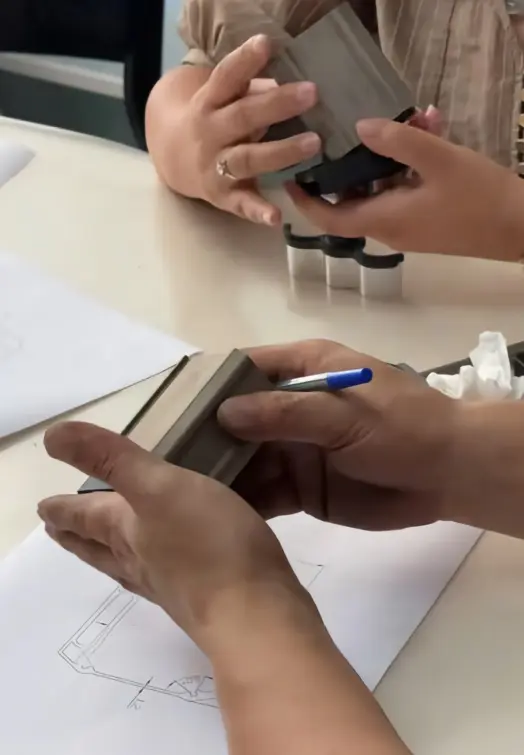
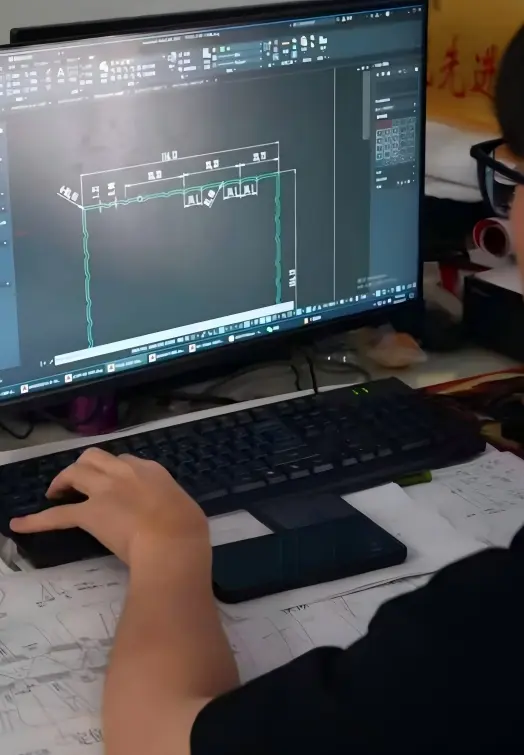
Aluminum Extrusion Die Precision Discussion And Designing – Vanway Tech
The first-trial wall-thickness measurements were recorded as follows:
| Measurement Location | Required Wall Thickness | First-Trial Measurement | Result |
|---|---|---|---|
| 500 mm from profile end | 1.40–1.60 mm | 1.34 mm | Fail |
| 1,500 mm from profile end | 1.40–1.60 mm | 1.39 mm | Fail |
| 3,000 mm from profile end | 1.40–1.60 mm | 1.47 mm | Pass |
| 4,500 mm from profile end | 1.40–1.60 mm | 1.58 mm | Pass |
| 5,500 mm from profile end | 1.40–1.60 mm | 1.62 mm | Fail |
The important point was that the profile was not judged only by its appearance. The first article had to demonstrate that the actual extrusion could repeatedly meet the dimensions required for assembly along its full production length.
Correction: Adjusting the Extrusion Die Before Mass Production
Based on the first-article inspection, the engineering team adjusted the die design to improve material flow around the critical thin-wall section.
The correction included:
- Rebalancing the metal-flow area around the internal wall
- Adjusting the bearing length in the thin-wall section
- Refining the die opening around the mating slot
- Reviewing the support area to reduce profile distortion
- Adding additional straightness and twist checks to the trial plan
The revised die was then trialed again before the production order was released.
The second-trial results were significantly more stable:
| Inspection Item | Drawing Requirement | Second-Trial Result | Status |
|---|---|---|---|
| Internal wall thickness | 1.40–1.60 mm | 1.44–1.56 mm | Pass |
| Mating slot width | 7.92–8.08 mm | 7.95–8.06 mm | Pass |
| Mating slot depth | 4.90–5.10 mm | 4.96–5.06 mm | Pass |
| Profile straightness | ≤ 0.80 mm/m | 0.55 mm/m | Pass |
| Maximum twist | ≤ 1.00°/m | 0.62°/m | Pass |
This approach added an additional trial step, but it avoided a much more expensive problem: producing a large batch of profiles that later failed during assembly.
The approved first article was subsequently retained as the golden sample for production reference and quality inspection.
Result: Stable Assembly and Lower Production Risk
After the die adjustment and second trial, the profile was verified against the customer’s dimensional requirements before mass production.
The final production inspection results were recorded as follows:
| Production Control Item | Customer Requirement | Mass-Production Result | Inspection Frequency |
|---|---|---|---|
| Internal wall thickness | 1.40–1.60 mm | 1.45–1.55 mm | First piece, middle piece and final piece |
| Mating slot width | 7.92–8.08 mm | 7.96–8.05 mm | Every production batch |
| Mating slot depth | 4.90–5.10 mm | 4.95–5.06 mm | Every production batch |
| Profile straightness | ≤ 0.80 mm/m | 0.58 mm/m maximum | Sampling inspection |
| Maximum twist | ≤ 1.00°/m | 0.65°/m maximum | Sampling inspection |
| Anodizing thickness | 12–15 μm | 13–14 μm | Each surface-treatment batch |
| Assembly fit | No interference or excessive looseness | Passed | First article and batch sample |
The final production process included:
- Approved CAD drawing
- Confirmed extrusion die design
- Dimensional verification
- Golden-sample approval
- Batch inspection
- Anodizing-thickness verification
- Final assembly-fit inspection
The main benefit was not simply achieving a tighter dimension. It was reducing the risk of discovering an extrusion problem after thousands of kilograms of aluminum had already been produced.
For overseas buyers, this process can also be performed remotely. Request the approved drawing, DFM comments, first-article inspection report, CMM data, dimensional records, surface-treatment report and assembly photographs. These documents provide much stronger evidence than a supplier’s general quality claims alone.
At Vanway Tech, our goal is to identify extrusion risks before they become production problems.
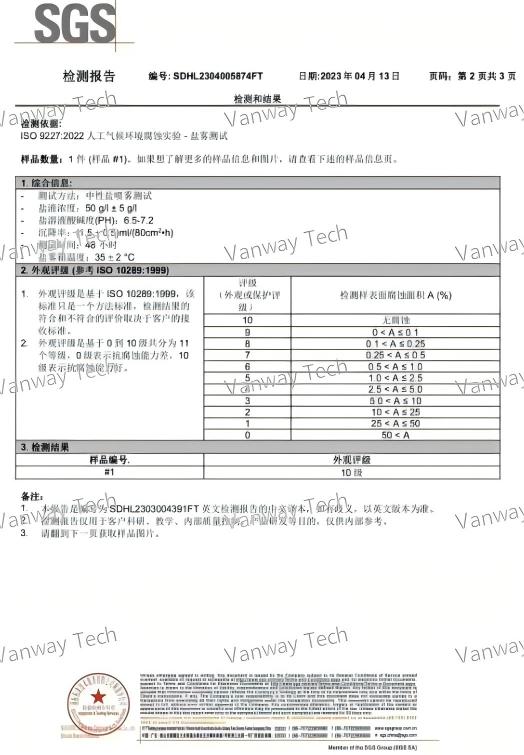
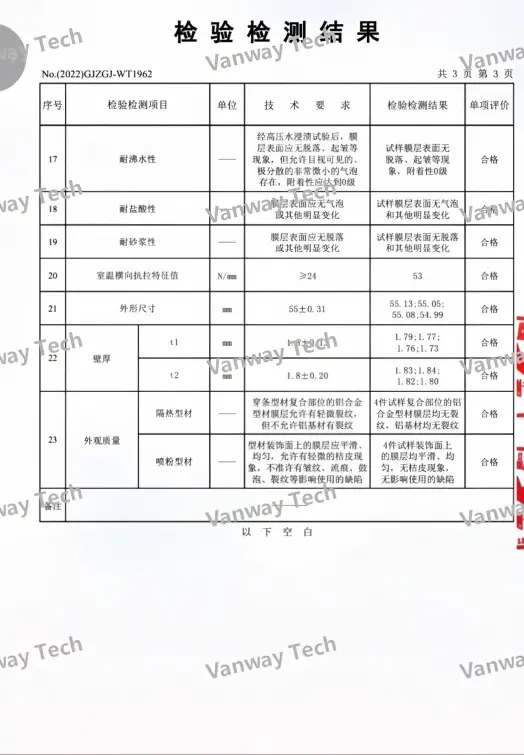
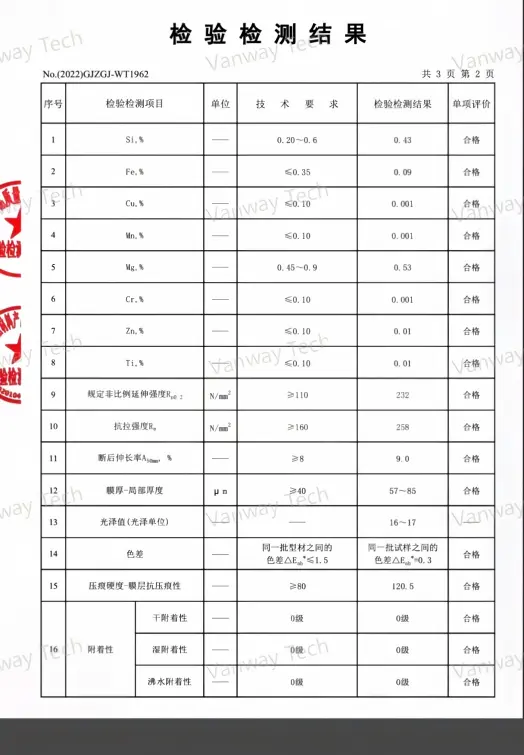
Custom Aluminum Extrusions SGS Insepction Reports Show – Vanway Tech
You do not need to board an international flight or conduct costly on-site visits to ensure a smooth process. Partnering with an established, reliable manufacturer like Vanway Tech allows you to manage quality and production risks remotely with full confidence. Through clear communication and a standardized verification process, you can easily confirm mold accuracy and negotiate manageable batch sizes straight from your desk.
This guide outlines a simple, reliable framework to keep your procurement seamless. We will look at how to review CAD drawings, interpret CMM inspection reports, validate first-article aluminum samples, and work with your supplier to establish flexible MOQs that support your cash flow.

Aluminum Extrusion Sourcing: How Mastering MOQ Unlocks 15%+ Procurement Savings
Getting the Fit Right: Why Millimeters Matter in Custom Aluminum Extrusion Die Accuracy?
In custom aluminum extrusion, the extrusion die dictates everything. If the tool is off, every extruded profile coming off the press will carry that exact mistake.
Evaluating mold precision comes down to three key metrics:
- Wall Thickness: Variations create structural weak spots and cause uneven cooling distortion.
- Twist & Bow: Small angular errors compound over longer profile lengths, causing noticeable warping.
- Assembly Tolerance: A mismatch of just 0.15 mm can ruin snap-fit parts or interlocking aluminum enclosures.
Global Tolerance Standards
To avoid vague quality disputes, always agree on established international standards before cutting steel for the die mold.
| Standard | Region | Best For | Focus Area |
| ISO 2768 | Global | General Fabrication | Machining and angular tolerances for secondary CNC work. |
| EN 755-9 | Europe | Structural Profiles | Strict limits on cross-sectional dimensions, bow, and twist. |
| ANSI H35.2 | North America | Industrial & Automotive | Dimensional tables based on the profile’s circle size. |
| GB/T 14846 | Asia | Custom Extrusions | Offers High-Precision and Ultra-Precision classifications. |
Pro Tip: Reliable partners like Vanway Tech align these international standards during the CAD stage, ensuring both engineering teams work to the exact same specifications before production begins.

How to Identify Primary A00 vs Recycled Aluminum Extrusions in 3 Steps?
4 Steps to Remotely Evaluate Die/Mold Precision of Custom Aluminum Extrusions
1.DFM & CAD File Audit:Upfront Engineering Risk Analysis。
Before steel is cut, require a comprehensive Design for Manufacturability (DFM) report from the factory. Review the CAD drawings together to catch design flaws early—such as sharp internal corners or drastic variations in wall thickness—that cause uneven metal flow speed during the aluminum extrusion process.
2.CMM & Inspection Report Review:Data Verification from First-Article Testing。
Once the initial trial run is complete, request the Coordinate Measuring Machine (CMM) report alongside the First Article Inspection Report (FAIR). Verify that key dimensional Callouts, geometric tolerances, and wall thicknesses match your exact drawing specifications rather than relying on basic manual caliper readings.
3.Golden Sample & Third-Party Audit:Physical Validation from Your Desk。
Have the factory air-freight tagged T1 samples (Golden Samples) directly to your office. For critical structural components, send sample cuts to third-party testing labs like SGS, TÜV, or Intertek to double-check grain structure, tensile strength, and aluminum alloy composition before greenlighting mass production.
4.Live Video Trial Run & Real-Time Measuring:Virtual On-Site Quality Control。
Schedule a live video call during the extrusion press trial. Watch the profile exit the die in real time to inspect for surface drag lines, die line scratches, and cross-sectional cut quality, while asking the lead technician to measure critical dimensions on camera using calibrated digital tools.
Supplier Note: Established manufacturers like Vanway Tech routinely provide structured DFM reviews, CMM dimension logs, and live trial feeds as standard practice, giving overseas buyers total transparency without requiring travel.
Unpacking the Factory MOQ – Why Is It So High?
If you have ever sourced custom or bulk aluminum extrusions, you’ve likely bumped into the dreaded three-letter acronym: MOQ (Minimum Order Quantity).
MOQ isn’t just a supplier constraint—it’s your biggest negotiation leverage for unit cost, inventory turn, and tooling cost flexibility.
Honestly, most procurement managers I talk to see MOQs as nothing more than a manufacturer’s trick to squeeze bigger orders out of them. But here’s the cold, hard truth of factory economics: that minimum order requirement is usually the only thing standing between you paying $3.50 a kilo or getting slapped with a $6.50 bill for the exact same profile.
So, how drastically does MOQ actually impact your unit price?
Let’s break down the hidden factory economics—and how you can leverage them to maximize your bottom line.
Vanway-Tech丨 Premium Quality Extruded Aluminum Profiles Manufacturer and Exporter From China Since 2015
Ready to optimize your project? Talk to Vanway Tech engineers and get your custom aluminum extrusion sample started.
Why Low-Volume Aluminum Extrusion Orders Cost So Much ?
To truly understand the dramatic price gap between low-volume prototypes and mass production, you have to look beyond raw aluminum prices. The financial reality is defined on the factory floor long before a single meter of custom aluminum profile passes through the extrusion die.
Whether you are sourcing high-precision 6063-T6 aluminum heatsinks for electronics, structural 6061 alloy frames for automation, or complex lightweight components for electric vehicles (EVs) and photovoltaic (PV) mounting systems, total unit economics are driven by a crucial cost ratio:
Unit Cost =
+ Raw Aluminum Billet Rate
Die Setup & Preheating + Billet Changing + Surface Finishing Fees
Order Volume (Meters or kg)
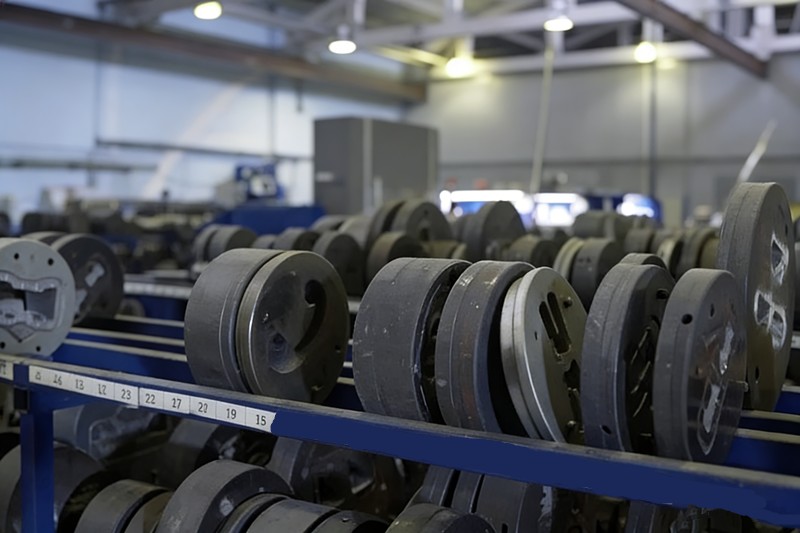
Aluminum Extrusion Die Cost Breakdown:What Affecting Pricing
Why Small Batches Inflate Your Bill ?
However, when you place a small extrusion order, high fixed operational overheads are amortized over very few meters, which ultimately drives your piece-part price sky-high.
- Extrusion Press Setup & Tooling: Pre-heating the steel extrusion die, calibrating the press container, and clearing initial trial run scrap require the same machine downtime and energy—regardless of whether you extrude 50 kg or 5,000 kg.
- Surface Treatment Lot Charges: Anodizing tanks, powder coating lines, and chemical conversion baths operate on a minimum “tank fee” or rack setup charge. Therefore, even small production runs inevitably trigger these baseline costs.
- Precision CNC Machining & Fabrication: Secondary processing like cut-to-length sawing, CNC milling, deburring, and punching carries fixed job setup fees that penalize small batch sizes.

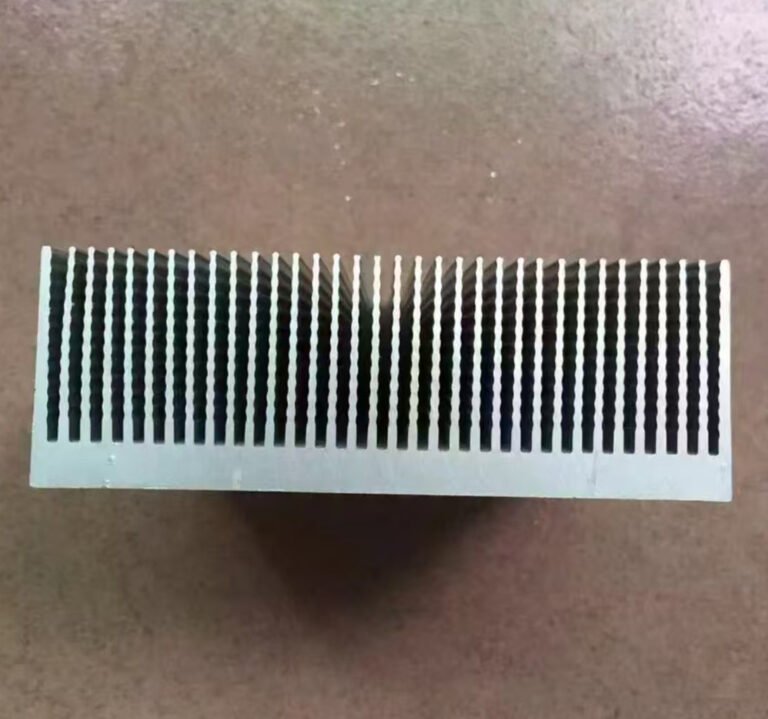
CNC Milling Machining Parts Customized Aluminum Extrusion Heat Sink
Price Breakdown: Small Orders vs. High-Volume Production
How does this financial equation translate into real-world supplier quotes?
Below is a cost analysis for a custom 6063-T5 architectural and structural extrusion profile, illustrating how order scale impacts your final landed price:
| Order Tier | Volume (kg) | Setup & Tooling Amortization | Extrusion Line Efficiency | Est. Price per kg (USD)* |
| Sample / Small Run | < 500 kg | High (Spreads over minimal output) | Low (Frequent line stops & high scrap rate) | $5.80 – $7.20 |
| Standard MOQ | 1,000 – 3,000 kg | Moderate (Baseline setup absorbed) | Standard (Stable extrusion speed) | $3.80 – $4.50 |
| Bulk Tier 1 | 5,000 – 10,000 kg | Negligible (Diluted across volume) | High (Continuous automated press run) | $3.10 – $3.50 |
| Full Container (FCL) | 20,000+ kg | Fully Amortized | Maximum Yield (Optimal billet usage) | Lowest Market Rate |
> Note: Base prices fluctuate according to London Metal Exchange (LME) spot aluminum rates, local billet premiums, and secondary processing requirements (e.g., precision CNC milling, custom anodizing, or specialized powder coating).
As the data demonstrates, transitioning from a sub-MOQ prototype run to a standard 3-metric-ton production batch can reduce your per-unit purchasing costs by 35% to 50%.
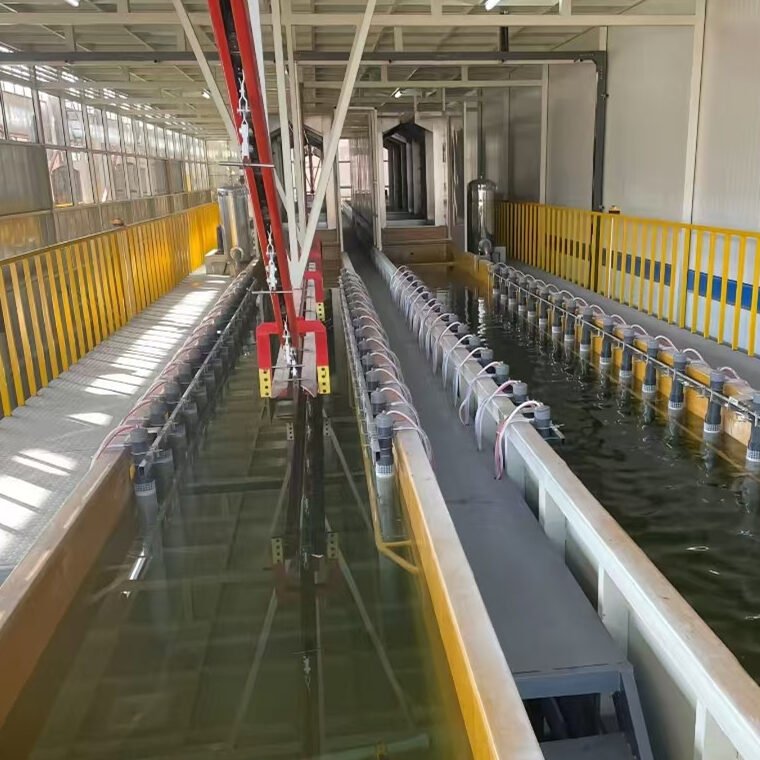
How We Help Customers Overcome MOQ Challenges
Minimum order quantities can be difficult for B2B buyers, especially during product development or low-volume production. We reduce the impact of die setup, press preparation, and production changeover costs through practical, smart planning.
Strategic Production Planning
01
Combine Compatible Profiles
When customers need several custom profiles, we review whether they can be included in one production plan. This reduces unnecessary changeovers and distributes setup costs evenly across total order volume.
02
Staged Production & Delivery
For customers with predictable demand, we discuss larger planned volumes with staggered deliveries. Benefit from high-efficiency production runs while minimizing inventory holding pressure.
03
Optimize Die Design (DFM)
Our engineers rigorously review wall thickness, profile complexity, material flow, tolerances, and machining requirements before manufacturing to lower production difficulty and costs.
04
Select the Right Extrusion Press
We match profile size, geometry, alloy, and production volume precisely with the appropriate press equipment, guaranteeing stable, cost-effective production without wasting capacity.
05. Prototype-to-Mass Production
A controlled, risk-free process allowing customers to validate profiles before committing to larger volumes:
CAD Review
→
DFM
→
Die Design
→
Trial Extrusion
→
Approval
→
Mass Production
06. Low-Volume Project Cost Factors
For orders below economic quantity, we optimize key cost drivers to make small runs viable:
Material & Weight
Die Complexity
Setup & Extrusion
Surface Treatment
Machining
Packaging & Logistics
Balancing Piece Price and MOQ for Maximum Cost Efficiency On Extruded Aluminum Profiles
It doesn’t have to be an either-or choice.
At Vanway Tech, we set up our extrusion operations to handle real-world supply chain demands. Whether you need a short run of custom 6063-T5 or 6061-T6 structural profiles, high-precision multi-axis CNC machining, or specialized anodizing and powder coating, we work around your actual release schedules rather than rigid factory minimums.
From EV battery enclosures and solar mounting systems to heavy automation frameworks, we help engineering and sourcing teams balance unit economics without over-committing capital.
Got an upcoming project or an active print you’d like us to look at?
Reach out to the Vanway Tech engineering team to discuss flexible batch options or get a straightforward quote on your next run.

CHOOSE THE BEFITTING ALUMINUM EXTRUSIONS
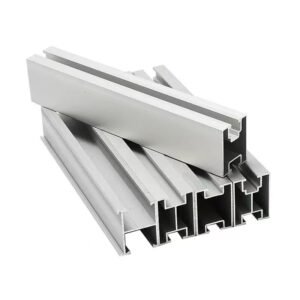
Custom Aluminum Extrusions
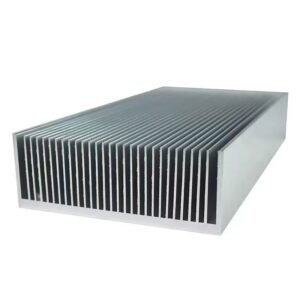
Aluminum Heat Sinks
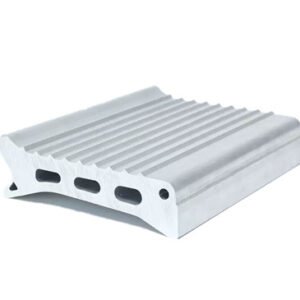
Industrial Aluminum Extrusions
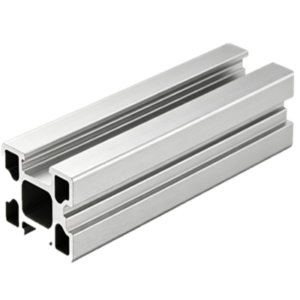
T-Slot Aluminum Extrusions
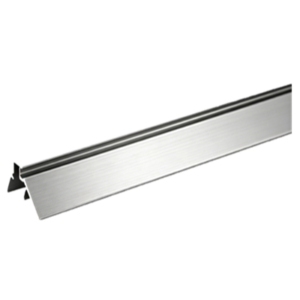
Decorative Aluminum Trim & Led Aluminum Channel Profiles
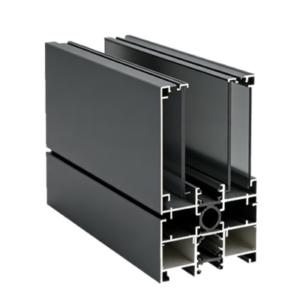
Window & Door Aluminum Profiles
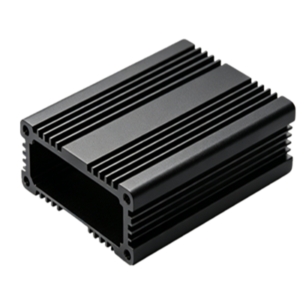
Aluminum Extrusion Enclosures
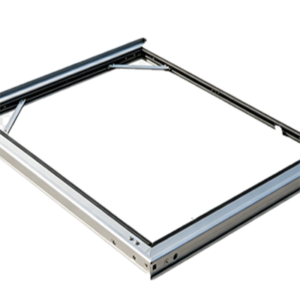
Structural Aluminum Extrusion Framing
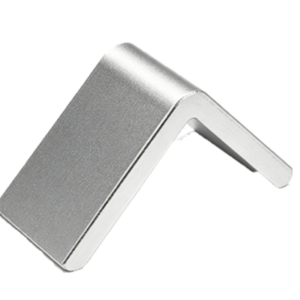
Aluminum Angle Extrusions
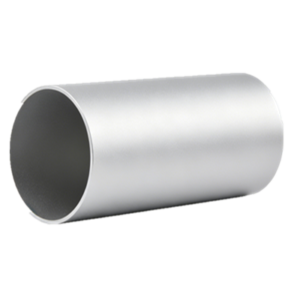
Extruded Aluminum Tubes
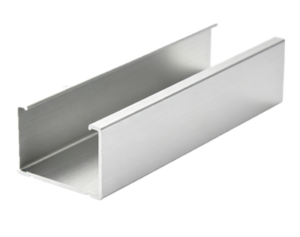
Aluminum U Channel Profiles
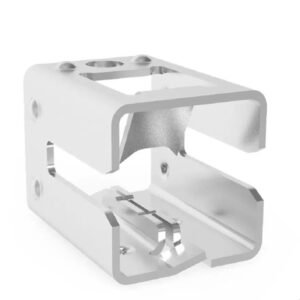
CNC Machined Aluminum Parts
Here are the 7 most common procurement traps in the aluminum industry—and how Vanway Tech provides guaranteed engineering solutions for each.
Are You Making These 7 Expensive Aluminum Extrusion Procurement Mistakes?
7 Costly Custom Aluminum Extrusion Sourcing Mistakes Suppliers Won’t Tell You
4040 vs 4080 T-Slot Aluminum Extrusion: How to Stop Over-Engineering & Cut Frame Costs

T-Slot 4020 Aluminum Extrusion Modular Aluminum Frame Profiles
Pitfall 1. Wall Thickness Thinning
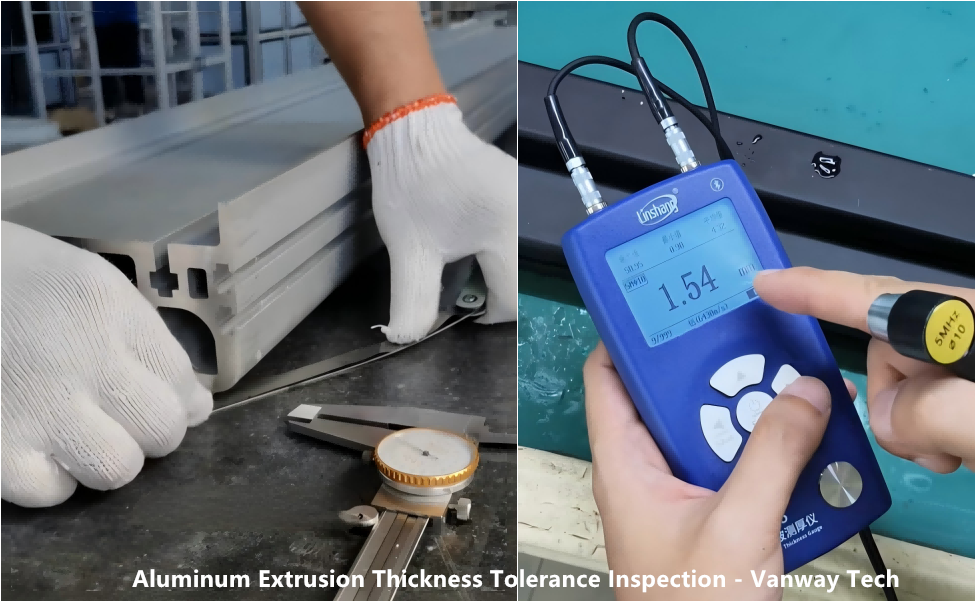
Some suppliers cut corners by shipping profiles on the absolute bottom edge of standard tolerance bands—sometimes 10% to 15% thinner than your drawing specifies. On paper, they claim it’s “within spec,” but they’re just saving raw aluminum costs.
The result?
Your frames lose rigidity, bend under stress, and compromise the whole assembly.
How We Handle It at Vanway Tech:
“We don’t play numbers games with tolerance bands. By enforcing strict high-precision standards like GB/T 14846 and EN 755-9, Vanway Tech controls precision from custom die design to final extrusion. Using automated optical scanners and ultrasonic gages on every batch of extruded aluminum profiles, we guarantee that your nominal wall thickness on the CAD drawing matches the physical profile in your hands.”
Pitfall 2. Sneaking Cheap Scrap into Your Custom Aluminum Extrusions
To slash raw material costs, low-cost extruders often mix dirty, unrefined recycled scrap aluminum into the melt. High impurity levels—especially excess iron and silicon variance—wreak havoc on your parts. You’ll end up with micro-cracks when bending aluminum profiles, unpredictable tensile strength, and ugly dark streaks on anodized aluminum finishes.
How We Guarantee Purity at Vanway Tech:
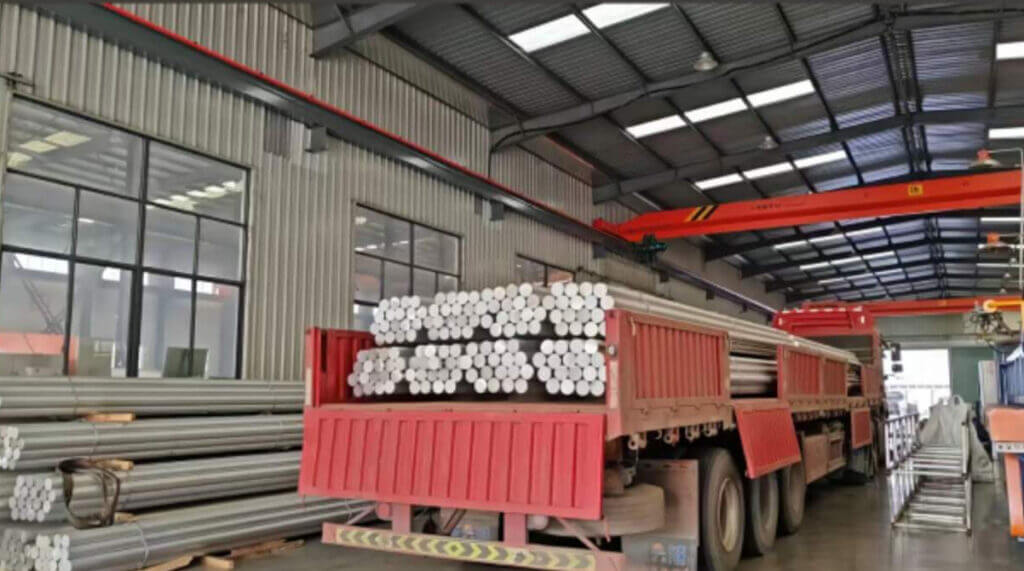
Premium aluminum extrusions start with clean metal. We strictly use 100% primary A00 virgin aluminum ingots (99.7% purity) for structural alloys like 6063, 6061, and 6005A. Every molten aluminum batch undergoes direct-reading spark emission spectrometry to verify exact chemical composition before casting billet log, ensuring consistent mechanical properties and flawless anodizing quality.
Pitfall 3. Fake T6 Temper & Rushed Heat Treatment
Slapping a “6061-T6” stamp on a profile is easy; doing proper heat treatment is where many suppliers cheat. To save electricity and speed up cycles, some factories pull profiles early from the artificial aging furnace or air-cool alloys that actually require rapid water quenching.
The result?
Soft aluminum profiles that bend under load, strip threads during tapping, or crack during precision CNC machining.
How We Guarantee True Temper at Vanway Tech:
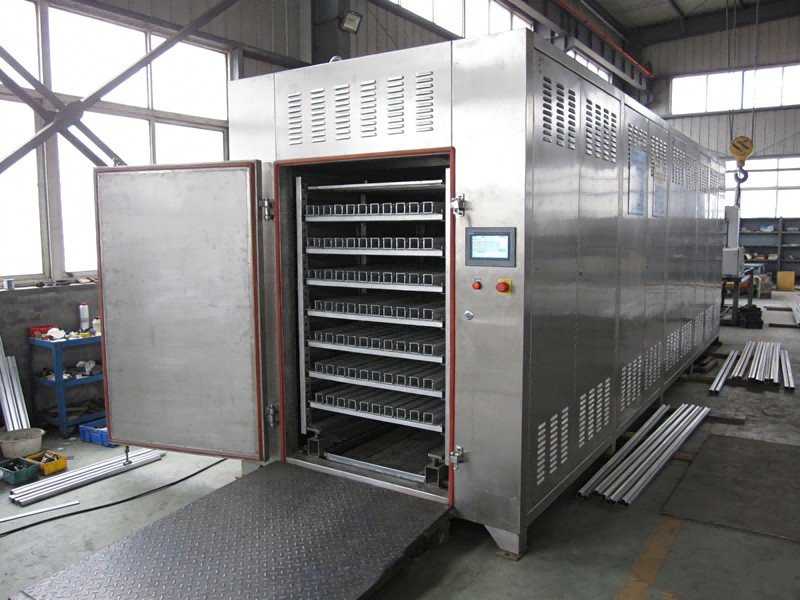
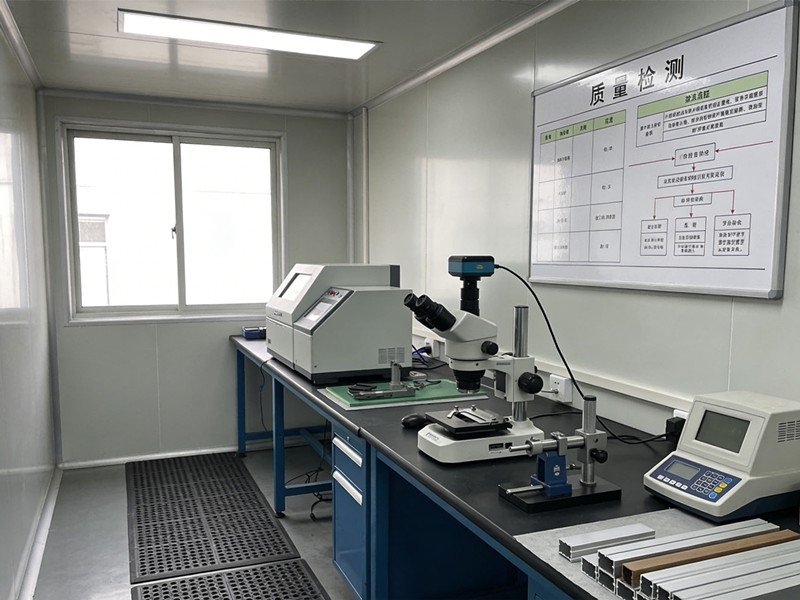
We don’t shortcut metallurgical physics. Vanway Tech runs fully automated, computer-controlled quenching lines—including forced air and water-dunk quenching—followed by precise artificial aging cycles. Every batch of T5 and T6 custom extrusions is verified with Webster and Vickers hardness testing, ensuring your structural aluminum parts hit exact tensile strength and yield strength specs with full batch traceability.
Pitfall 4. Thin Anodizing Films & Peeling Powder Coatings
Surface finishes are a massive target for cost-cutting. To save chemical and electricity costs, some factories cut anodizing film thickness down to under 5 µm (far below the standard 10–15 µm needed for durability), leaving your aluminum extrusions prone to premature rusting and staining within months. On powder-coated profiles, skipping or rushing the chemical pre-treatment (like chromate-free passivation) ruins paint adhesion, causing severe peeling, chalking, and blistering under harsh outdoor weather.
How We Ensure Long-Lasting Finishes at Vanway Tech:
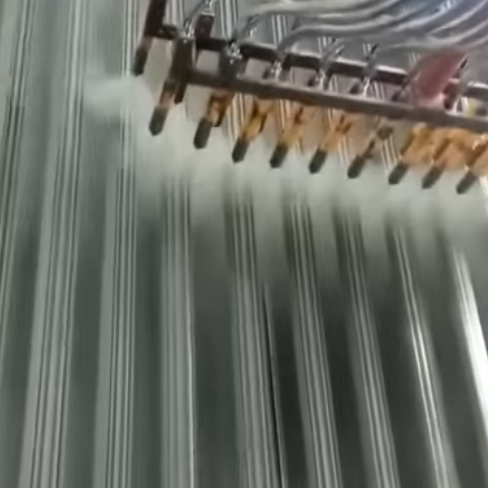
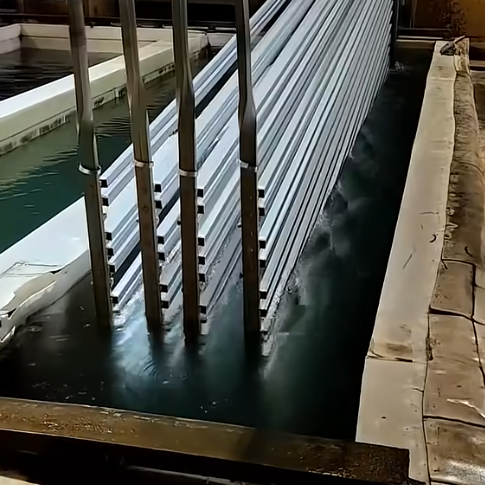
We take surface finishing seriously. For anodized aluminum extrusions, we adhere to Qualanod standards (Class 10 to Class 25) for guaranteed film thickness and corrosion protection. For architectural powder coating, we follow Qualicoat specifications, maintaining a uniform 60–80 µm coating. Every batch undergoes cross-hatch tape adhesion tests and up to 3,000-hour Neutral Salt Spray (NSS) testing so your custom profiles resist harsh environments for decades.
Technical Parameter Comparisons
To help your engineering team spot non-compliant materials early, Vanway Tech has compiled standard technical specifications against common market shortcuts:
1. Wall Thickness & Dimensional Tolerances
| Metric Parameter | Standard Market Shortcut | Vanway Tech Precision Standard | Relevant Downstream Application |
| Wall Thickness Deviation | Negative limit (-0.15 mm to -0.30 mm) | Precision class (±0.05 mm to ±0.08 mm) | industrial automation frameworks |
| Profile Twist / Bend | > 2.5 mm per meter | ≤ 0.5 mm per meter | EV battery tray extrusions |
| Angularity Tolerance | ±1.5 degrees | ±0.5 degrees | architectural curtain wall profiles |
2. Chemical Composition & Mechanical Properties
| arameter / Property | Standard 6063 Recycled Scrap | 6063-T5 Profile (Vanway Tech) | 6061-T6 Extrusion (Vanway Tech) |
| Primary Ingot Purity | Uncontrolled (< 98.5%) | ≥ 99.7% A00 Primary Ingot | ≥ 99.7% A00 Primary Ingot |
| Tensile Strength (Rm) | < 130 MPa | ≥ 185 MPa | ≥ 295 MPa |
| Yield Strength (Rp0.2) | < 90 MPa | ≥ 145 MPa | ≥ 240 MPa |
| Hardness (Webster / HW) | 6 – 8 HW | 8 – 12 HW | ≥ 15 HW |
| Elongation (A50mm) | < 5% | ≥ 8% | ≥ 10% |
3. Surface Treatment Quality Standards
| Surface Finish Type | Substandard Sourcing | Vanway Tech Certified Standard | Target Industry Application |
| Anodizing Layer | 3 – 6 μm | 10 – 25 μm (Qualanod Class 10-25) | solar mounting structures |
| Powder Coating | 30 – 45 μm (No Pre-treat) | 60 – 90 μm (Qualicoat Standard) | architectural curtain wall profiles |
| Corrosion Resistance | < 240 hrs Salt Spray | > 1,000 to 3,000 hrs NSS | High-humidity / Marine / Outdoor |
| Thermal Dissipation | Poor oxide film barrier | Uniform anodized layer | heat sink aluminum extrusions |
Pitfall 5. Excessive Bow, Twist, and Dimensional Warp
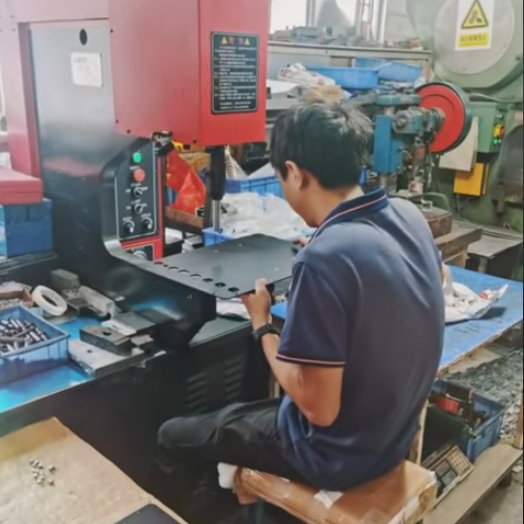
Nothing frustrates a CNC machinist more than a bent extrusion. When extrusion mills rush production cycles without proper stretcher-straightening, profiles suffer severe bow, camber, and longitudinal twist. When loaded into automated CNC machining fixtures, warped aluminum profiles cause uneven clamping, improper datum registration, wall thickness variations, and misaligned tapped holes—leading to high scrap rates on your production line.
How We Guarantee Precision Alignment at Vanway Tech:
Dimensional control is non-negotiable. Vanway Tech deploys full-length automated hydraulic pullers and multi-roll precision straightening machinery. We strictly adhere to EN 755-9 and ASTM B221 dimensional tolerances, keeping bow and twist under 0.5 mm/m. This ensures your custom aluminum profiles slide seamlessly into CNC fixtures and automated assembly lines.
Pitfall 6. Hidden Internal Porosity & Weak Extrusion Seam Lines
Substandard extrusion die designs, incorrect billet preheating temperatures, or erratic ram speeds cause severe internal flaws. These include micro-porosity, air entrapment, and weak weld lines (the seams where aluminum streams merge inside the die). While the surface may look flawless, these hidden voids lead to catastrophic cracking when the profile is subjected to high dynamic loads, bending, or pressure testing.
How We Ensure Structural Integrity at Vanway Tech:
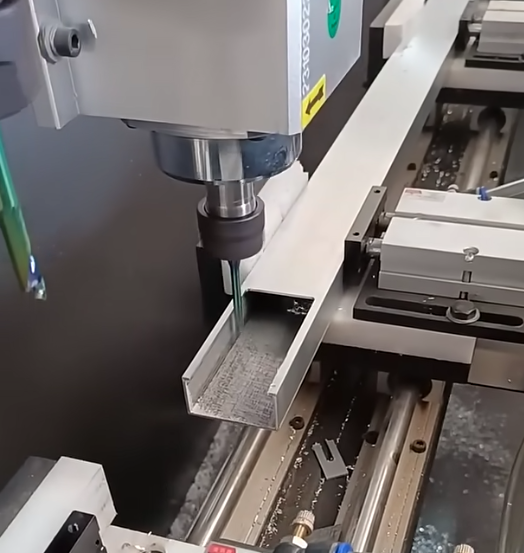
Structural strength starts inside the die. We use advanced FEA tooling simulation software to design optimized extrusion dies with balanced flow channels. Powered by high-tonnage presses (from 800T up to 5,500T), our extrusion process eliminates internal voids, producing a dense, uniform grain structure. Every high-stress component undergoes non-destructive ultrasonic testing (NDT) to ensure weld line strength for critical applications.
7. The “Cheap Quote” Trap: Hidden Scrap & Fake Compliance
In reality, a unit price that looks 15% cheaper upfront often turns out to be the most expensive purchase you make. This is because low-ball suppliers frequently recoup their margins by sending non-conforming batches with high defect rates, which ultimately forces your engineers to waste time sorting and re-machining parts. Furthermore, some mills even provide generic or forged Mill Test Certificates (MTCs). As a result, your business is left vulnerable to heavy fines or customs rejections due to non-compliant chemical composition (RoHS/REACH) or missing automotive quality systems.
How We Provide Total Supply Chain Transparency at Vanway Tech:
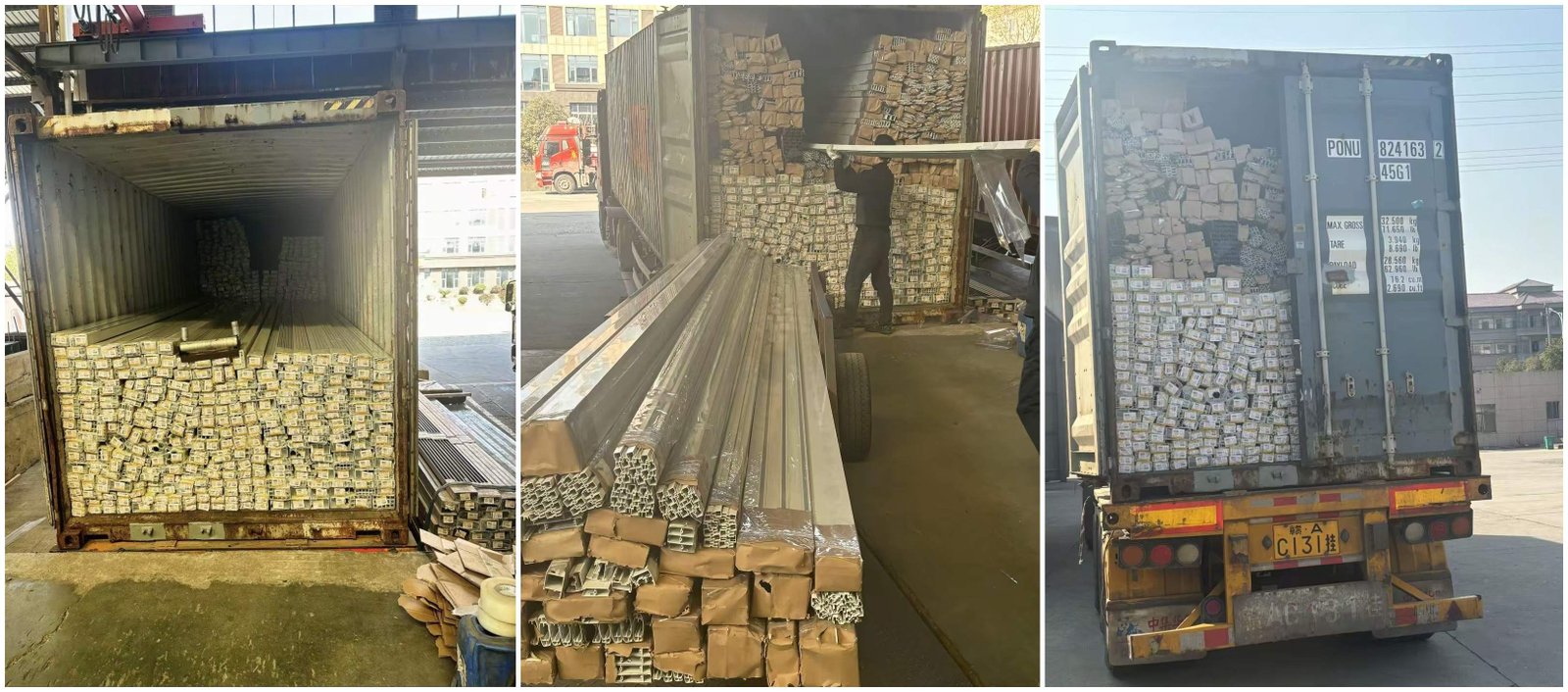
What you see on paper is exactly what you get in the crate. Vanway Tech delivers full batch-level traceability with genuine Mill Test Reports (MTC), direct-reading spectrometer elemental analysis, and CMM dimensional measurement logs. We operate under certified ISO 9001 and IATF 16949 quality management systems, ensuring full compliance with RoHS, REACH, Qualicoat, and Qualanod standards for global market access.
Contact Vanway Tech today for your Led Aluminum Channel Profiles manufacturing.
Q1. Can you produce custom aluminum profiles for low-volume projects?
A: Yes. For projects below a conventional production quantity, Vanway Tech can evaluate the profile design, die requirements, production method, and delivery schedule before recommending the most practical solution. Depending on the project, options may include prototype production, consolidated profiles, staged production, or a planned transition from prototype to mass production.
Q2. How Tight Can Aluminum Extrusion Tolerances Be?
A: Standard aluminum extrusion tolerances depend on the applicable standard, profile size, and geometry. Tighter tolerances may be possible through optimized die design, process control, and additional inspection, but they should be confirmed during engineering review.
For example, a critical feature may require ±0.10 mm, while non-critical dimensions use wider tolerances. Excessively tight tolerances can increase tooling complexity, production difficulty, scrap, and cost.
Vanway Tech reviews critical dimensions, profile geometry, wall thickness, die design, and inspection requirements to establish practical tolerances for consistent, cost-effective production.
Q3. What factors affect the dimensional accuracy of custom aluminum extrusions?
A: Dimensional accuracy is affected by profile geometry, wall-thickness distribution, alloy and temper, extrusion ratio, die design, bearing length, press conditions, and post-extrusion straightening. Thin walls and complex internal cavities generally require more careful die and process control than simple solid profiles.
Why Leading Global OEMs Choose Vanway Tech ?
As an established, vertically integrated precision aluminum profile supplier – Vanway Tech bridges the gap between complex engineering requirements and reliable mass production.
- End-to-End Capabilities: In-house die casting, extrusion mold design, 5-axis CNC deep processing (drilling, tapping, milling), surface finishing, and assembly.
- Industry Expertise: Proven track record delivering structural profiles for Tier-1 automotive suppliers, global solar project EPCs, and premier architectural developers.
- Zero-Defect Commitment: Every shipment undergoes multi-stage inspection to ensure exact alignment with your project’s technical specifications.


Got Custom Profile Drawings? Get Your Free DFM Analysis in 24 Hours
Eliminate production delays with instant technical validation. Share your 2D/3D CAD files with us now, and our engineering team will deliver a free, comprehensive feasibility review and precision quote within 24 hours—100% free, with zero commitment required.
Related Articles You May Like
How to make your Aluminum Solar Panel Frame more cost-effective in 2026?
Skived vs. Forged vs. Forged Aluminum Heat Sinks – Sourcing the Right Aluminum Heat Sink
Top-Rated Custom Extruded Aluminum Heat Sink Suppliers in USA & Canada in 2026
How to make your solar module frame aluminum extrusions more cost-effective?
Top 10 Custom PV Module Aluminum Frame Extruders in Gujarat & India (2026)
Anodized,PVDF or Powder Coating: Which Aluminum Finish Lasts Longest Near the Sea?
How to Choose Aluminum Profiles for Coastal & High-Salt Environments:Anodized,PVDF or Powder Coating
4040 vs 4080 T-Slot Aluminum Extrusion: How to Stop Over-Engineering & Cut Frame Costs
Cheap Aluminum Extrusions from China?China vs. Local Aluminum Extrusion Suppliers
Contact With Vanway Tech Team for Premium Aluminium Extrusion Products!
Enquire with UsConnect with Vanway Tech Team for Premium Aluminium Extrusion Products.
Contact InfoWe are looking forward to hearing from you!
-
Email: info@vanway-tech.com
-
Address: No. 588, Wuyi South Road, CSJ Moldware Town, Wujin, Changzhou, Jiangsu, China
Scan Below Codes to Contact Us Immediately.