Vanway Precision Materials Tech Co.,Ltd


Cheap Aluminum Extrusions from China?China vs. Local Aluminum Extrusion Suppliers
China Aluminum Extrusion Supplier vs. Local :
A Total Cost of Ownership (TCO) Comparison

Written by Chloe Xue
Manufacturing & CNC Machining Specialist | DFM & Aluminum Components Expert
Chloe specializes in custom aluminum component manufacturing, high-precision CNC machining, and DFM (Design for Manufacturability) optimization. She helps global B2B engineering teams refine technical drawings, reduce production costs, and accelerate lead times.
Connect on LinkedInData Sources & Methodology: Vanway Tech production/quotation records, freight quotations, applicable aluminum extrusion standards, and official tariff/customs sources.
Table of Contents
For most medium- to high-volume custom aluminum extrusion projects, China can offer a lower total cost than local suppliers—even after tooling, freight, tariffs, and other sourcing expenses are included.
However, unit price alone can be misleading. The real difference comes from tooling, processing efficiency, logistics, order volume, and quality costs. This guide compares the full TCO so you can quickly determine which sourcing option makes better financial sense for your project.
China vs. Local Aluminum Extrusion: The Hidden TCO Breakdown | Vanway Tech
For standard and custom aluminum extrusions, Chinese suppliers can have a manufacturing-price advantage of roughly $1.00–$2.50/kg compared with commonly published U.S. market ranges, before freight, tariffs, and other import costs are added.
| Cost Factor | China | U.S./Local | Data / Note |
|---|---|---|---|
| Standard 6063 extrusion | $2.50–$3.50/kg | $3.50–$5.00+/kg | Published 2025 benchmark |
| U.S. custom extrusion | — | $3.50–$9.50/ft | 2026 published estimate |
| Custom die | $400–$7,000+ | $200–$2,000 in one U.S. benchmark | Highly geometry-dependent |
| Ocean freight | Additional | Usually lower | Route/container dependent |
| Import duty / AD / CVD | Must calculate by HTS/order | Domestic | Do not use one flat rate |
| Inventory cost | Potentially higher | Potentially lower | Depends on lead time |
| Quality/rework | Supplier-dependent | Supplier-dependent | Must use actual defect rate |
Where the Initial Cost Advantage of China Aluminum Extrusion Supplier Comes From
Lower Extrusion and Production Costs
Published benchmarks put standard 6063 extrusion at about $2.50–$3.50/kg in China versus $3.50–$5.00+/kg in North America and Europe. U.S. custom-extrusion pricing can also reach $3.50–$9.50/ft, depending on alloy, profile complexity, finishing, and order volume.
A 50-Ton Order Can Magnify the Difference
Suppose a Chinese supplier quotes $1.20/kg less than a local supplier. On a 50-metric-ton order, the initial manufacturing-price difference would be:
50,000 kg × $1.20/kg = $60,000
However, this is only the starting point. The final comparison must also account for freight, tariffs, inventory, inspection, and other supply-chain costs.
Why Unit Price Alone Is Not Enough
Calculate the Full Landed Cost
The real question is whether the factory-price gap remains after tooling, ocean freight, tariffs, inventory, and quality costs are included. That is where a true Total Cost of Ownership (TCO) comparison becomes essential.
Consider the Cost of Quality and Delays
A lower quotation does not automatically mean a lower TCO. Dimensional rework, rejected batches, replacement shipments, production delays, or additional incoming inspection can quickly reduce the apparent price advantage.
When China Sourcing Can Make Financial Sense
High-Volume and Repeat Orders
For larger, predictable orders, the combination of competitive extrusion pricing, tooling economics, production capacity, and planned logistics can create a meaningful overall cost advantage.
Custom Extrusion With Additional Processing
For projects requiring custom extrusion, CNC machining, anodizing, powder coating, cutting, or other secondary processing, buyers should compare the complete processed-part cost rather than the raw extrusion price alone.
China vs. Local: The Right Way to Compare
Imagine a purchasing team sourcing custom aluminum extrusions. A Chinese supplier quotes $1.20/kg below the local bid, creating a potential $60,000 difference on a 50-ton order before logistics and import-related costs are included.
That does not automatically mean China is the better option. The correct decision depends on the project’s annual volume, lead time, tariff exposure, inventory requirements, processing needs, and quality performance.
For B2B buyers, the goal is not simply to find the lowest factory quotation. It is to identify the supplier option with the lowest realistic landed TCO while maintaining the required quality and delivery performance.
Why B2B Buyers Consider Chinese Aluminum Extrusion Supplier
Production Scale and Processing Capability
Leading China aluminum extrusion supplier can provide high-volume aluminum profile extrusion, custom tooling, CNC machining, and surface finishing within one supply chain.
More Flexible Cost Optimization
Rather than focusing only on unit price, buyers can work with the supplier to optimize die design, profile geometry, production volume, packaging, processing, and delivery schedules to reduce the overall procurement cost.
A local supplier can still be the better choice for urgent micro-runs, JIT requirements, or projects where international logistics and import costs outweigh the manufacturing-price difference. For larger and more predictable programs, however, a complete TCO analysis may show a stronger economic case for China sourcing.
Ready to optimize your project? Talk to Vanway Tech engineers and get your custom aluminum extrusion sample started.
Aluminum Extrusion & Profile Market Analysis: Why Chinese Manufacturers Lead the Cost Advantage?
1. Raw Material & Billet Cost Advantage (SHFE vs. LME Dynamics)
The foundation of any extrusion quote begins with the raw aluminum ingot or billet cost. Chinese suppliers leverage unique structural pricing advantages that keep their base material costs extremely competitive:
- Benchmark Differential (SHFE vs. LME): Domestic suppliers outside Asia benchmark their prices against the London Metal Exchange (LME) plus regional premiums (e.g., the Midwest Premium in North America). Chinese extruders benchmark primarily against the Shanghai Futures Exchange (SHFE). SHFE pricing often trades at a structural discount or experiences lower volatility due to China’s massive domestic smelting capacity.
- Integrated Supply Chains: Major Chinese extrusion hubs (such as Guangdong, Shandong, and Jiangsu) sit directly adjacent to primary aluminum smelters and remelt facilities. This proximity lowers inland freight costs for raw aluminum billet, reducing the baseline material cost incorporated into the per-kilogram quote.
- Bulk Purchasing Leverage: Chinese extrusion plants operate on a massive scale, purchasing tens of thousands of metric tons of billets per month. This immense buying power allows them to command deep volume discounts from raw material producers—savings passed directly onto the buyer.

How to Calculate Aluminum Profile Cost: Estimate Aluminum Extrusion Price
2. Unmatched Economies of Scale in Tooling & Secondary Finishing
While raw aluminum prices are global, labor and overhead Costs create a massive gap when moving from raw extrusion to finished components. China excels at transforming raw profiles into ready-to-install parts:
- Dramatically Lower Tooling Costs: Custom dies are the first barrier to entry for custom profiles. Custom die manufacturing in China typically costs 50% to 70% less than in Western domestic markets. Chinese tool-and-die shops use automated CNC die-making centers operating around the clock, allowing engineers to iterate die designs faster and at a fraction of local tooling charges.
- Cost-Effective Secondary Finishing: High-value finishing processes like anodizing, powder coating, and electrophoresis require significant labor and specialized environmental controls. China’s integrated industrial parks feature dedicated, continuous finishing lines capable of processing thousands of profiles daily at a unit cost domestic shops cannot match.
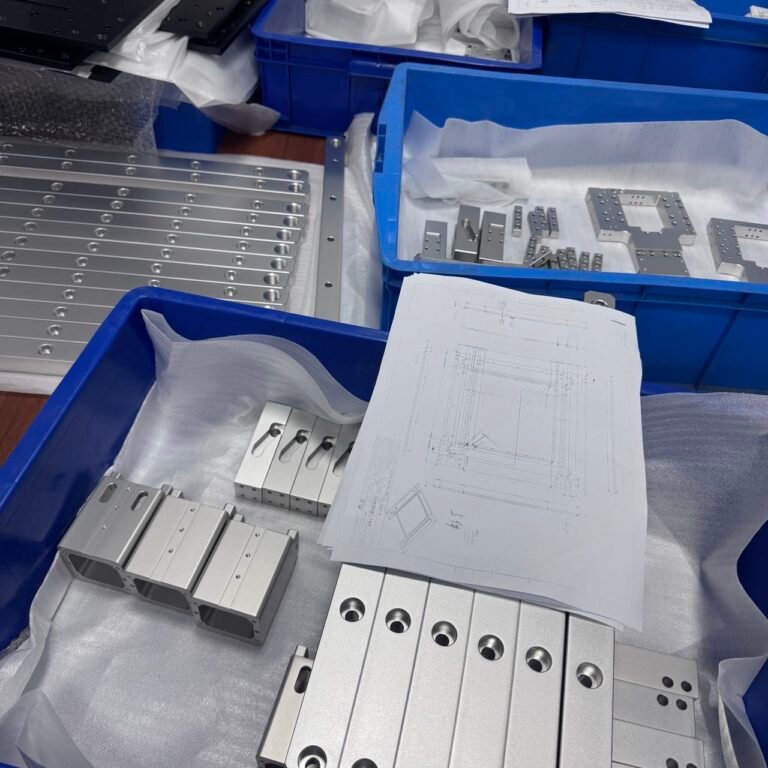
- In-House Precision CNC Machining: Modern B2B buyers rarely need raw extrusions; they need parts that are cut, drilled, tapped, and milled. Chinese facilities frequently combine extrusion and high-precision CNC machining under one roof. Combining extrusion, machining, and surface treatment into a single production step eliminates middleman markups and slashes processing costs per unit.

Aluminum Extrusion Sourcing: How Mastering MOQ Unlocks 15%+ Procurement Savings
3. Unbeatable Unit Economics at High Volume Thresholds
The sticker price gap broadens significantly as project volumes scale from single crates to multi-container shipments:
- Extrusion Press Efficiency: Chinese plants operate extensive banks of extrusion presses—ranging from small 600-ton presses to massive 10,000+ ton behemoths. Matching the exact profile cross-section to the optimal press size minimizes scrap rates, lowers energy consumption per kilogram, and maximizes push speeds.
- Predictable High-Volume Runs: When ordering multi-container volumes (40ft HQ containers), setup times and press changeovers are amortized over tens of thousands of kilograms. For scheduled, high-volume production runs, Chinese aluminum profile extrusion lines run 24/7 with minimal downtime, pushing fixed operational overhead per unit down near zero.
- Standardized Packaging & Container Loading: Chinese exporters are masters of export packing efficiency. By optimizing profile bundling, inter-leaving, and container space utilization, they maximize the weight/volume ratio per shipment—significantly muting the per-kilogram impact of ocean freight.

Anodized,PVDF or Powder Coating: Which Aluminum Finish Lasts Longest Near the Sea?
Summary Comparison Table:Aluminum Extruded Profile Manufacturer From China vs Local
| Cost Driver | China Aluminum Extruders | Local / Domestic Extruders |
| Tooling & Die Costs | Very Low ($300–$1,200 avg per die) | High ($1,500–$5,000+ avg per die) |
| Secondary Machining (CNC) | Low-cost, integrated multi-axis machining | Premium cost, often outsourced |
| Surface Finishing (Anodizing/Coating) | High-capacity continuous automated lines | Higher labor & environmental overhead |
| Optimal Order Volume | High volume (Container loads / Full press runs) | Small to medium batches / Short runs |
| Base Material Sourcing | SHFE-linked / Local smelting hubs | LME-linked + regional premiums |
When to Stay Offshore vs. When to Go Local
| Sourcing Criteria | Choose Chinese Extruders If… | Choose Local/Domestic Extruders If… |
| Volume & Consistency | High-volume, highly predictable, multi-container orders | Small-to-medium batches, frequent revisions, or JIT production |
| Lead Time & Agility | Long lead times built into project buffer (3+ months) | Fast market launch, rapid prototyping, or tight customer deadlines |
| Profile & Finishing | Standard profiles or labor-intensive secondary fabrication | Custom structural alloys, strict local compliance, or urgent engineering edits |
| Tooling Costs | Need low-cost custom die development for testing | Standard T-slot/catalog profiles or willingness to amortize tooling locally |
Strategic Takeaway for Procurement Managers
When to Leverage Chinese Suppliers
Choose overseas extruders when sourcing high-volume aluminum profile extrusion projects with stable, predictable demand where raw manufacturing savings significantly outweigh logistics, duty, and carrying costs.
When to Leverage Domestic Suppliers
Partner with a domestic aluminum extruder for high-mix⁄low-volume orders, short turnarounds, tariff-sensitive applications, or products where holding heavy safety stock is financially impractical.
Vanway Tech丨A Trusted Global Expert of Extruded Aluminum Profiles With ISO Certificated

Vanway Tech manufactures custom aluminum extrusion profiles for architectural, interior, furniture, lighting and industrial applications, from profile design and extrusion tooling to surface finishing and secondary fabrication.
| Manufacturing Capability | Vanway Tech |
|---|---|
| Established | 2015 |
| Aluminum Alloys | 6063 / 6061 / 6005A* |
| Temper | T5 / T6* |
| Surface Finishes | Anodizing / Powder Coating / Brushing* |
| Secondary Processing | Cutting / CNC / Drilling / Punching* |
| Custom Tooling | Available + Effective |
CHOOSE THE BEFITTING ALUMINUM EXTRUSIONS
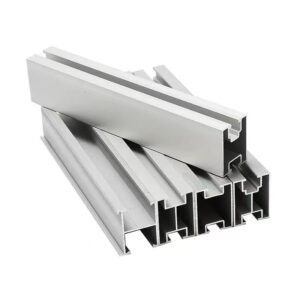
Custom Aluminum Extrusions
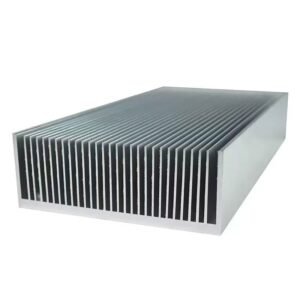
Aluminum Heat Sinks
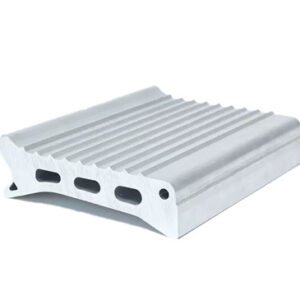
Industrial Aluminum Extrusions
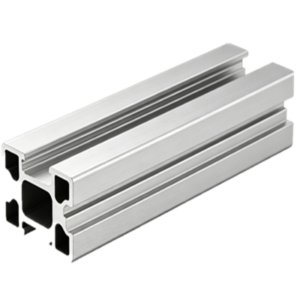
T-Slot Aluminum Extrusions
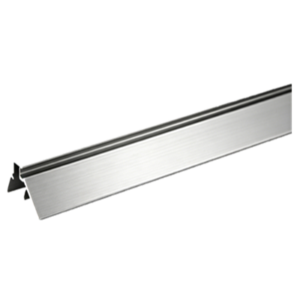
Decorative Aluminum Trim & Led Aluminum Channel Profiles
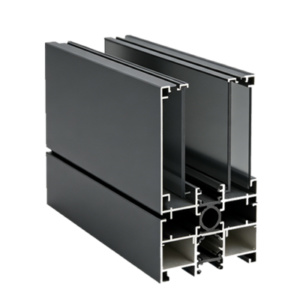
Window & Door Aluminum Profiles
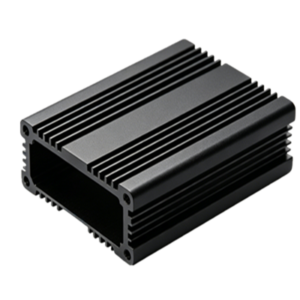
Aluminum Extrusion Enclosures
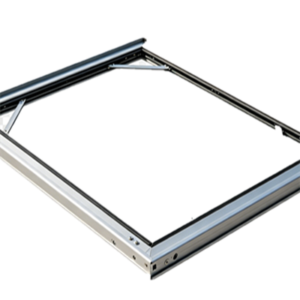
Structural Aluminum Extrusion Framing
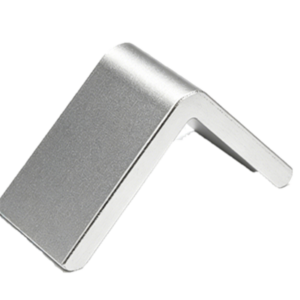
Aluminum Angle Extrusions
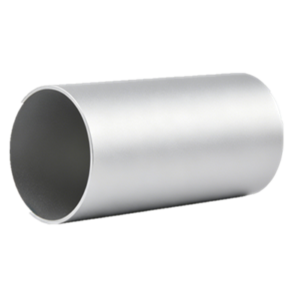
Extruded Aluminum Tubes
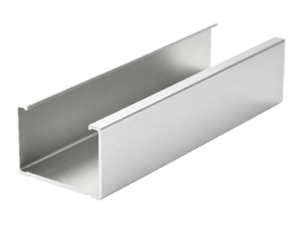
Aluminum U Channel Profiles
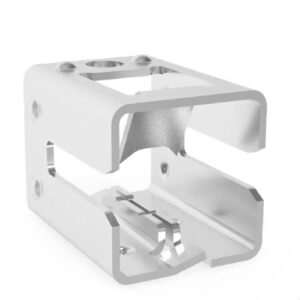
CNC Machined Aluminum Parts
Optimize Your Custom Extruded Aluminum Profiles Design with Vanway Tech →
FAQs Regarding of China Aluminum Extrusion Supplier Vs. Local
Q1. Is sourcing aluminum extrusions from China still cost-effective after freight and tariffs?

A: Yes, it can be, especially for medium- and high-volume orders. Buyers should compare the final landed cost rather than the factory quotation alone. The calculation should include extrusion price, tooling, surface finishing, machining, ocean freight, insurance, import duties or applicable trade measures, customs clearance, and inland transportation. For repeat orders, the lower manufacturing cost can still outweigh international logistics and import expenses.
Q2. What information should I request from a Chinese aluminum extrusion supplier before placing an order?
A: At a minimum, overseas buyers should request a detailed quotation, alloy and temper specification, extrusion tolerance standard, tooling cost, MOQ, production lead time, surface treatment specification, packaging details, inspection method, and sample/FAI approval process. For custom profiles, also request DFM feedback and confirmation of critical dimensions before the die is manufactured.
Q3. What is a typical MOQ for custom aluminum extrusion orders from you?
A: MOQ depends on the profile weight, die complexity, alloy, surface treatment, and production requirements. For custom aluminum extrusion projects, Vanway Tech can evaluate the required production quantity based on the specific profile and processing needs rather than applying a one-size-fits-all kilogram threshold.
Q4. How can overseas buyers control aluminum extrusion quality when sourcing from China?
A: The safest approach is to establish quality requirements before mass production. Specify the applicable extrusion standard, critical tolerances, alloy and temper, surface-treatment thickness, straightness/twist limits, inspection method, and packaging requirements. Vanway Tech provides samples, first-article inspection data, dimensional records, material/temper documentation, and batch inspection reports before shipment.
Q5. How should I choose between a Chinese aluminum extrusion supplier and a local supplier?
A: Compare suppliers based on total landed cost, quality consistency, lead time, production capacity, engineering support, MOQ flexibility, and supply-chain risk—not unit price alone. China may be more competitive for larger, repeatable programs with custom tooling and secondary processing, while a local supplier may be preferable for urgent, low-volume, or JIT requirements. The right choice is the supplier that delivers the lowest reliable TCO for your specific project.
Why Leading Global OEMs Choose Vanway Tech ?
As an established, vertically integrated precision aluminum profile supplier – Vanway Tech bridges the gap between complex engineering requirements and reliable mass production.
- End-to-End Capabilities: In-house die casting, extrusion mold design, 5-axis CNC deep processing (drilling, tapping, milling), surface finishing, and assembly.
- Industry Expertise: Proven track record delivering structural profiles for Tier-1 automotive suppliers, global solar project EPCs, and premier architectural developers.
- Zero-Defect Commitment: Every shipment undergoes multi-stage inspection to ensure exact alignment with your project’s technical specifications.


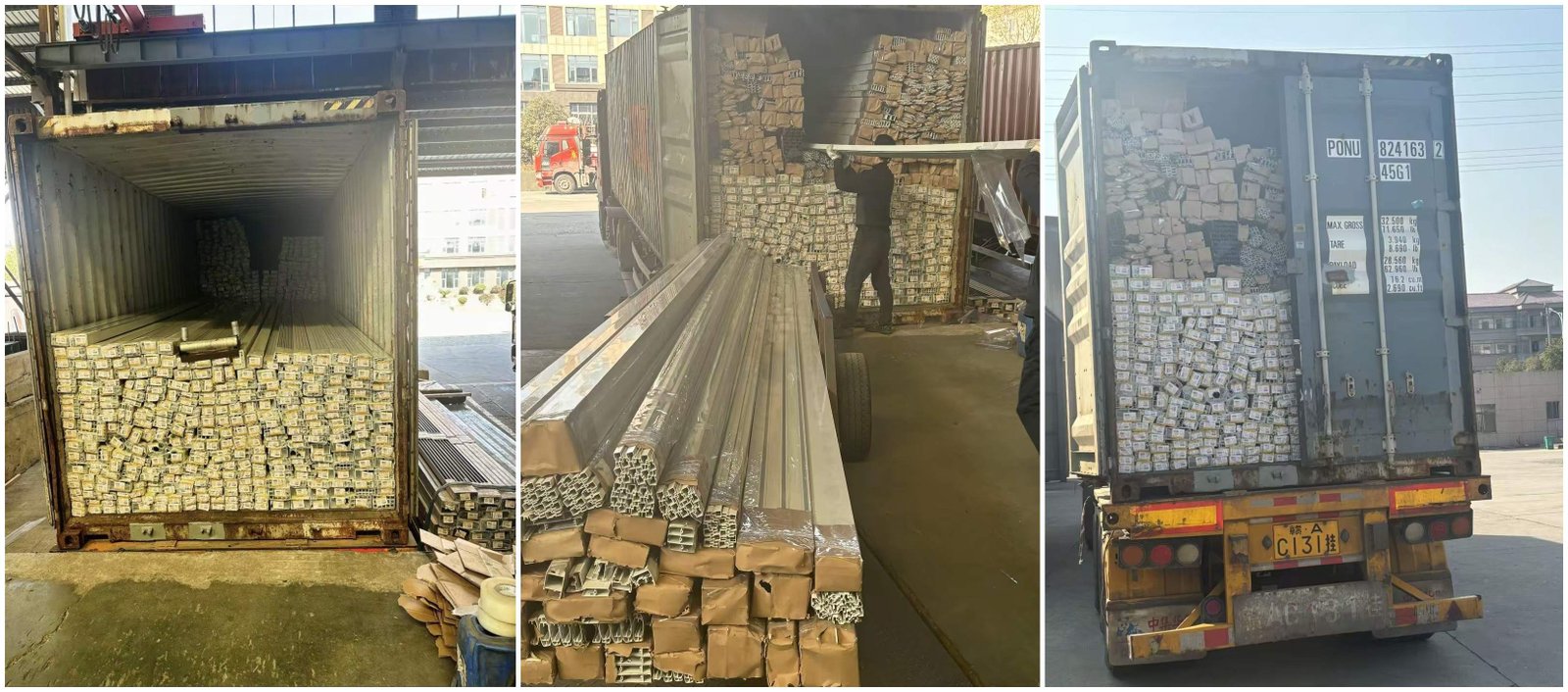
Aluminum Extrusion Processing Capability of Vanway Tech
Got Custom Profile Drawings? Get Your Free DFM Analysis in 24 Hours
Eliminate production delays with instant technical validation. Share your 2D/3D CAD files with us now, and our engineering team will deliver a free, comprehensive feasibility review and precision quote within 24 hours—100% free, with zero commitment required.
Related Articals You May Like
How to make your Aluminum Solar Panel Frame more cost-effective in 2026?
Skived vs. Forged vs. Forged Aluminum Heat Sinks – Sourcing the Right Aluminum Heat Sink
Top-Rated Custom Extruded Aluminum Heat Sink Suppliers in USA & Canada in 2026
How to make your solar module frame aluminum extrusions more cost-effective?
Top 10 Custom PV Module Aluminum Frame Extruders in Gujarat & India (2026)
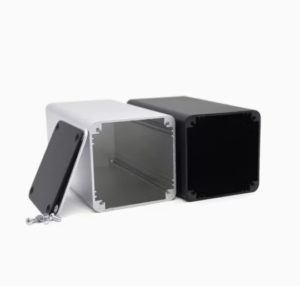


Contact With Vanway Tech Team for Premium Aluminium Extrusion Products!
Enquire with UsConnect with Vanway Tech Team for Premium Aluminium Extrusion Products.
Contact InfoWe are looking forward to hearing from you!
-
Email: info@vanway-tech.com
-
Address: No. 588, Wuyi South Road, CSJ Moldware Town, Wujin, Changzhou, Jiangsu, China
Scan Below Codes to Contact Us Immediately.