Vanway Precision Materials Tech Co.,Ltd


How to Choose Anti-Corrosion Aluminum Heat Sink for Solar Inverter
How to Choose Anti‑Corrosion Aluminum Heat Sink for Solar Inverter
I. Description
For outdoor solar power systems, solar inverters face constant damage from rainwater, UV rays and coastal salt spray. Without a proper anti‑corrosion aluminum heat sink, internal overheating and metal rust will shorten inverter service life sharply. Many solar project buyers struggle to pick reliable cooling parts that fit harsh outdoor conditions.
According to material data published on The Aluminum Association, 6063‑T5 and 6005‑T5 extruded aluminum alloys achieve balanced thermal conductivity and rust‑resistance for outdoor electronic equipment. Meanwhile, standards released by SEIA (Solar Energy Industries Association) set clear requirements for anti‑corrosion parts used in ground‑mount and agri‑voltaic solar stations. Below we list 6 critical points when you choose anti‑corrosion aluminum heat sink for solar inverter.


II. Select Proper Aluminum Alloy Grade for Anti‑Corrosion Performance
6063‑T5 VS 6005‑T5 Alloy for Solar Inverter Cooling
Most low‑cost heat sinks use recycled aluminum materials with many impurities. These cheap alloys rust quickly under coastal humid weather.
For solar inverter cooling, 6063‑T5 remains the most widely used alloy for general outdoor solar projects. If your solar farm is built near seashore areas, choose 6005‑T5 aluminum alloy for stronger salt‑spray resistance, passing over 500‑hour salt‑spray anti‑corrosion testing.
Vanway‑Tech provides both alloy‑grade extruded aluminum heat‑sinks for custom inverter models.
III. Check Surface‑Treatment to Improve Anti‑Rust Ability
Surface finish decides how long your aluminum heat sink can resist outdoor corrosion. Three mature treatments work best for solar‑inverter radiators:
- Clear anodizing: Forms a dense oxide film on aluminum surface, blocking moisture and salt particles; it keeps high heat‑transfer efficiency without lowering cooling performance.
- Sand‑blasting plus anodizing: Removes surface burrs, then adds anti‑corrosion layers for dusty farm‑side agri‑voltaic projects.
- Powder‑coating: Suitable for extremely rainy coastal regions, providing extra‑thick protection against rust and UV aging.
Avoid uncoated raw aluminum profiles; they oxidize rapidly under long‑time outdoor exposure.
IV. Match Thermal‑Conductivity With Your Inverter Power Rating
Anti‑corrosion cannot sacrifice heat dissipation performance. High‑power solar inverters produce massive heat during continuous operation.
6063‑T5 extruded aluminum reaches thermal conductivity of 205‑210 W/(m·K). When you order a heat sink, calculate your inverter’s power output first. High‑density fin‑structure designs speed up hot‑air flow and prevent internal overheating even under full‑load running status.
Many buyers only focus on anti‑rust features but ignore cooling capacity, which finally causes frequent inverter shutdown failures.
V. Confirm Custom Size and Structure for Non‑Standard Inverters
Many new‑model solar inverters have non‑standard shell sizes. Off‑the‑shelf heat sinks often fail to fit perfectly and leave gaps for dust and rainwater to enter, speeding up metal corrosion.
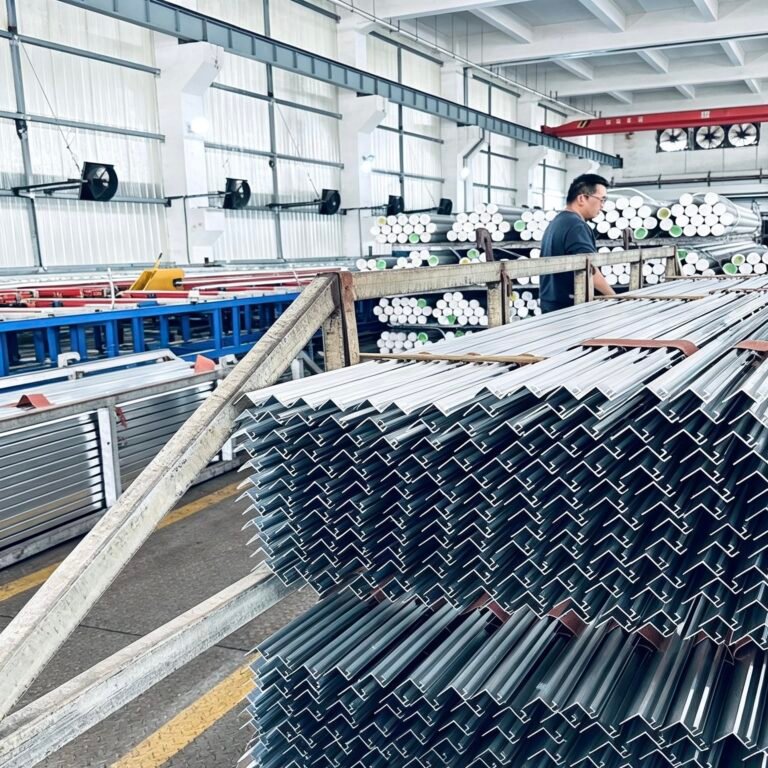
Our factory applies CNC‑machining after aluminum extrusion. We adjust fin height, base thickness and overall outline strictly following clients’ technical drawings, producing fully‑custom anti‑corrosion aluminum heat‑sinks for unique‑sized solar inverters.
VI. Adapt Heat‑Sink Design For Your Project Environment
Ground‑Mount Solar System & Agri‑Voltaic Farm Projects
Ground‑mount solar stations and agri‑voltaic farms face more dust, dew and farm chemical vapors than rooftop systems. You need thicker anodized layers and wider fin spacing to avoid dust buildup.
For seaside solar power plants, we suggest salt‑spray‑test certified aluminum heat‑sinks to stand constant sea‑wind erosion throughout 25‑year project lifespan.
VII. Choose Factory‑Direct Supplier For Stable Quality
Third‑party middlemen often replace standard‑grade aluminum with scrap‑based materials to cut costs. These inferior heat‑sinks pass short‑term tests but rust within 2‑3 years outdoors.
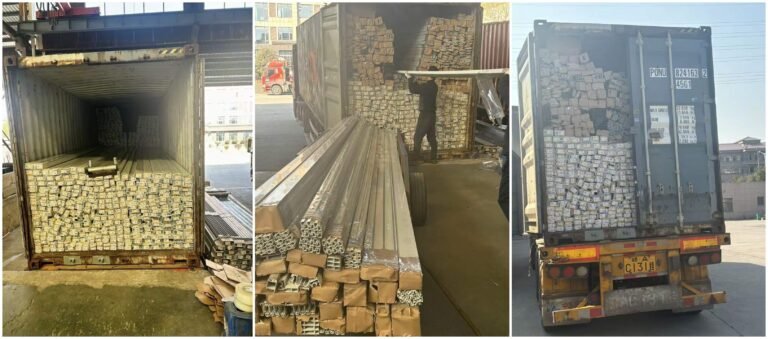
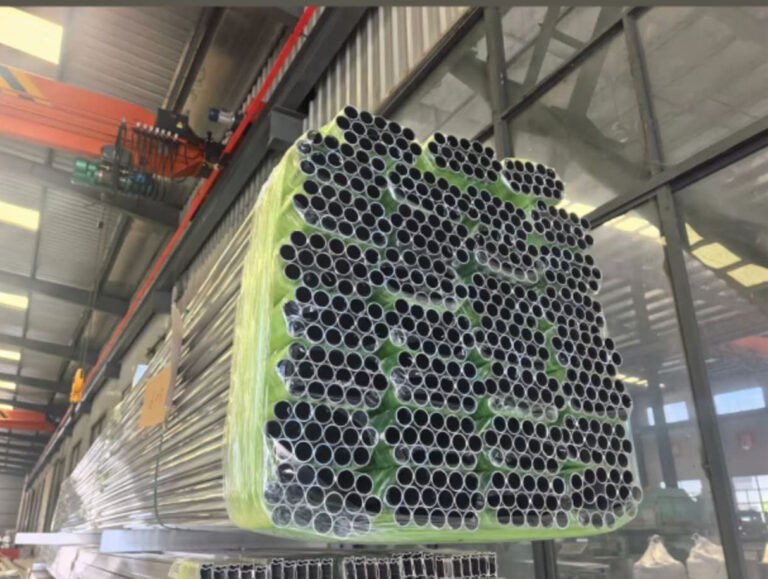
As a professional aluminum‑extrusion factory, Vanway‑Tech supplies tested anti‑corrosion aluminum heat‑sinks for bulk export orders for North‑American and EU solar projects. Every batch gets salt‑spray and thermal‑conductivity reports before delivery.
Vanway-Tech 丨 Premium Quality Extrueded Aluminum Heat Sinks Manufacturer and Exporter From China Since 2015

Contact Vanway Tech today for tailored one-stop aluminium extrusion solutions for Aluminum Heat Sinks
VIII. Final Checklist Before Placing Your Order
- Confirm alloy grade: 6063‑T5 or 6005‑T5 according to local environment;
- Select anodizing or powder‑coating surface‑treatment;
- Match fin structure size with your solar inverter casing;
- Ask for salt‑spray test reports for coastal solar‑farm use;
- Get factory‑direct pricing without intermediate costs.
IX. Conclusion
Choosing qualified anti‑corrosion aluminum heat sink for solar inverter balances rust resistance, cooling performance and long‑term cost‑saving. Complying with SEIA and Aluminum‑Association industry standards, Vanway‑Tech’s custom extruded aluminum heat‑sinks fit rooftop, ground‑mount and agri‑voltaic solar‑power inverters worldwide. Send your drawings to us to get a free quotation for your solar‑energy project.
Vanway Tech 丨 One-stop Solution Custom Aluminum Extrusions
CHOOSE THE BEFITTING ALUMINUM EXTRUSIONS
Custom Aluminum Extrusions
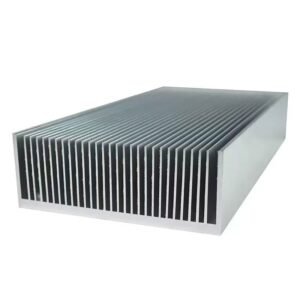
Aluminum Heat Sinks
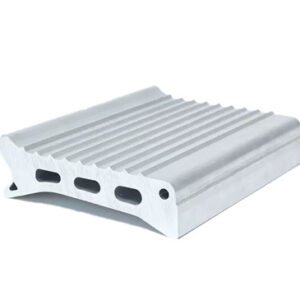
Industrial Aluminum Extrusions
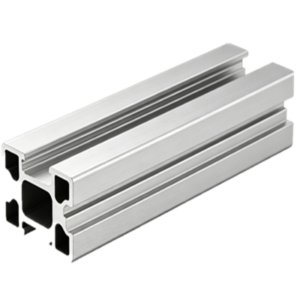
T-Slot Aluminum Extrusions
Decorative Aluminum Trim & Led Aluminum Channel Profiles
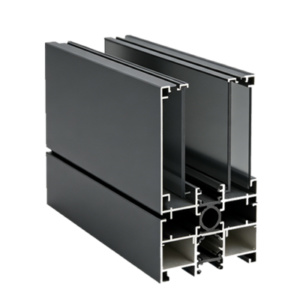
Window & Door Aluminum Profiles
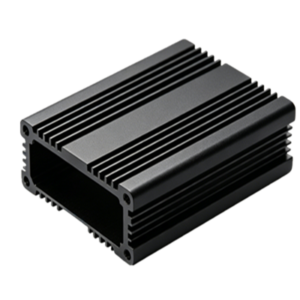
Aluminum Extrusion Enclosures
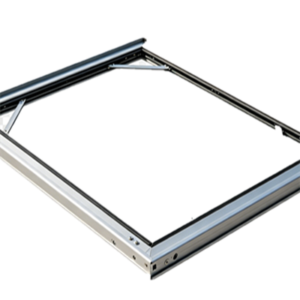
Structural Aluminum Extrusion Framing
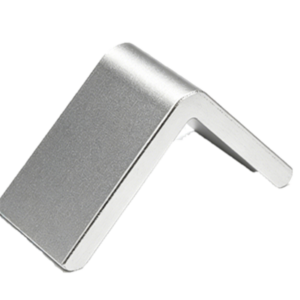
Aluminum Angle Extrusions
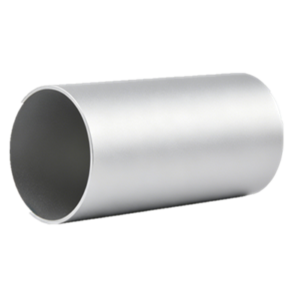
Extruded Aluminum Tubes
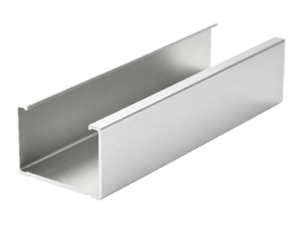
Aluminum U Channel Profiles
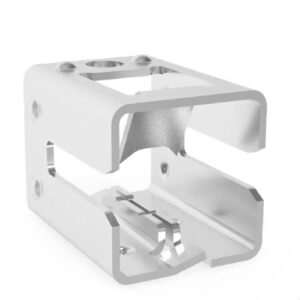
CNC Machined Aluminum Parts
Contact With Vanway Tech Team for Premium Aluminium Extrusion Products!
Enquire with UsConnect with Vanway Tech Team for Premium Aluminium Extrusion Products.
Contact InfoWe are looking forward to hearing from you!
-
Email: info@vanway-tech.com
-
Address: No. 588, Wuyi South Road, CSJ Moldware Town, Wujin, Changzhou, Jiangsu, China
Scan Below Codes to Contact Us Immediately.