Vanway Precision Materials Tech Co.,Ltd


DIY Robot Kit Aluminum Structure Profiles for Precision Robotics
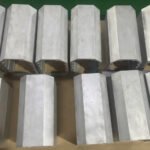
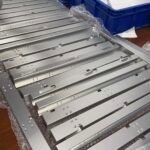
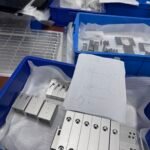
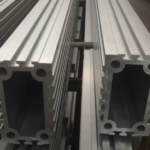
PRODUCT PARAMETERS
Description
What Are Diy Robot Kit Aluminum Structure Profiles?
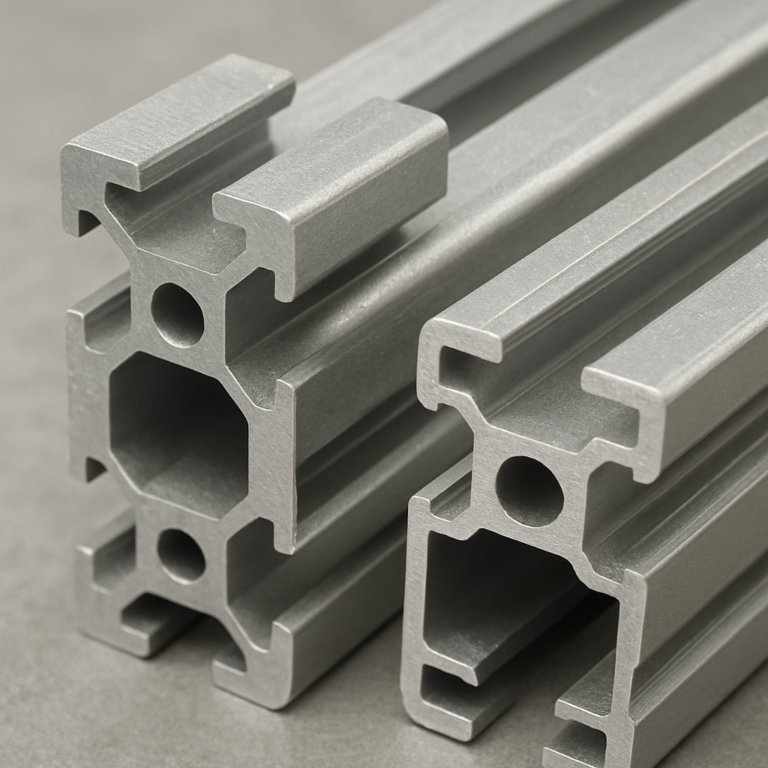
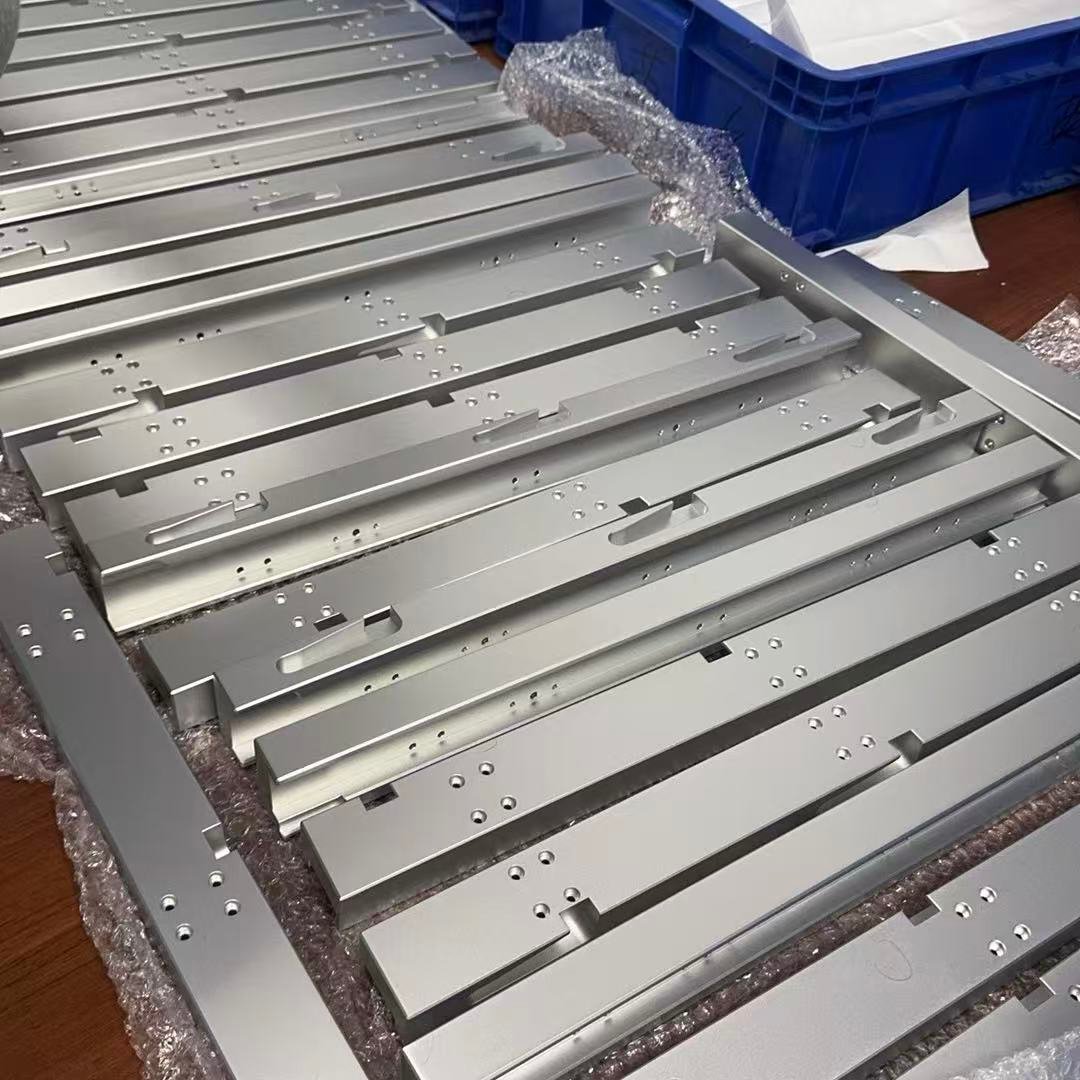
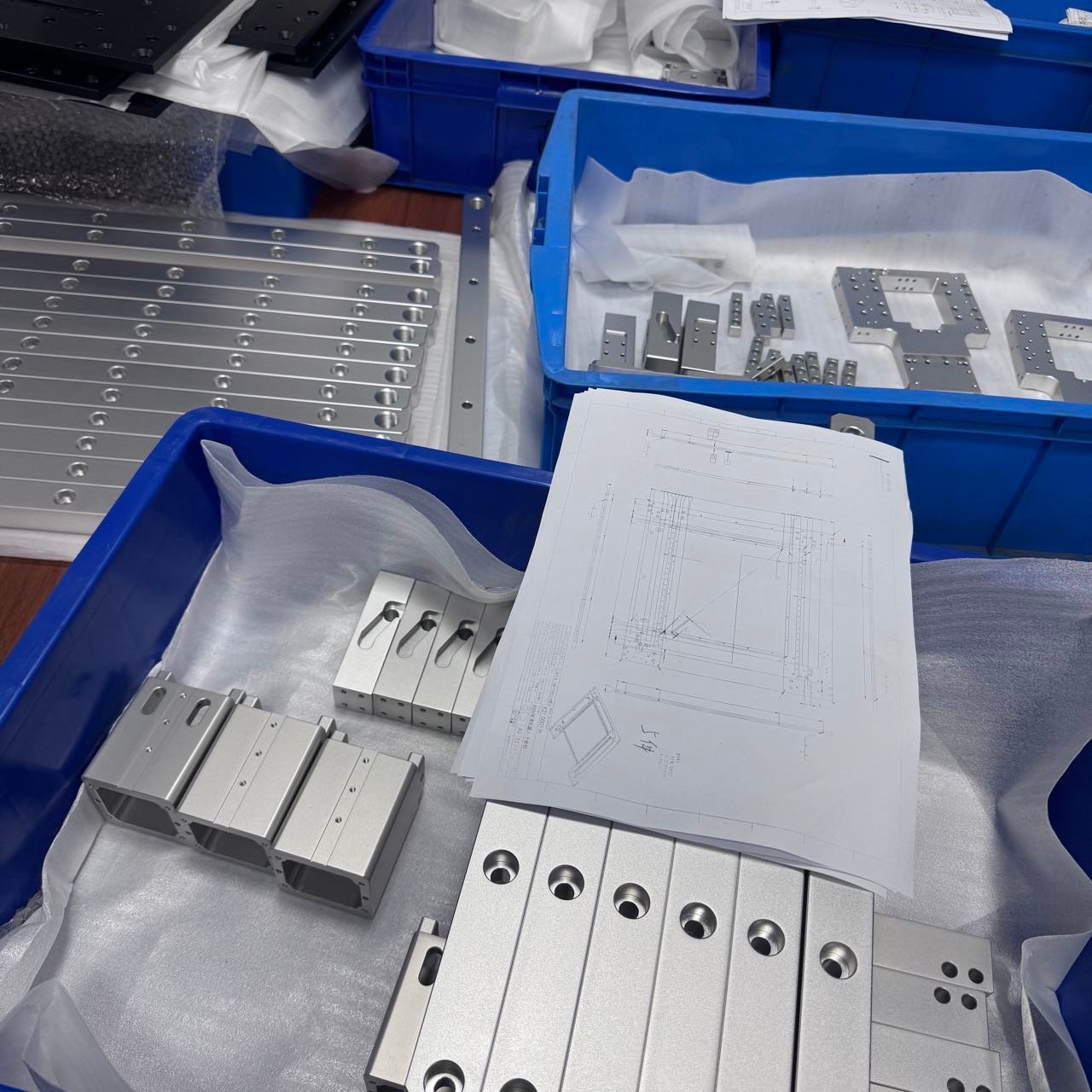
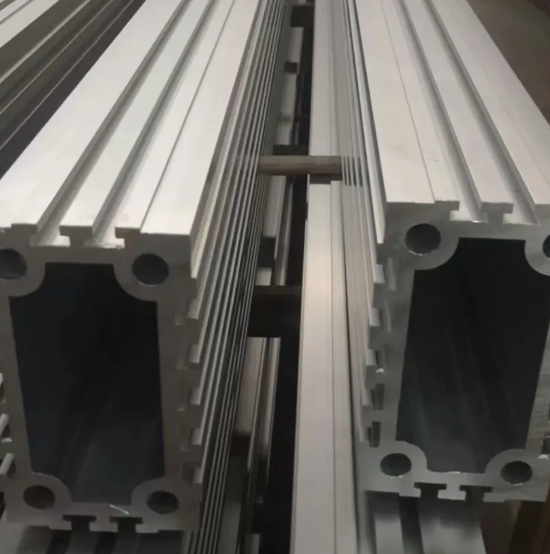
A high-performance DIY robot kit aluminum structure profiles assembly serves as the fundamental mechanical backbone for modern custom robotics and automated framing systems. By definition, these structural profiles consist of precision-engineered, extruded aluminum rails—often featuring T-slot or V-slot configurations—that allow builders to mechanically link motors, sensors, and brackets without welding. Vanway Tech manufactures these specialized modular extrusions from high-grade architectural alloys to ensure a lightweight footprint, high rigidity, and absolute straightness. Consequently, students, hobbyists, and industrial engineers use these versatile structural systems to rapidly assemble strong, scalable robotic frameworks.
Related Articals Of Robot Aluminum Profiles:
How Aluminum Extrusions Drive Innovation in the Robotics Industry
Why are aluminum extrusions widely used for robot manufacturing?
I. Technical Specifications and Standard Mechanical Parameters
To ensure seamless integration with standard hardware like M3, M4, or M5 T-nuts, Vanway Tech maintains strict structural tolerances across our entire production line.
The following comprehensive dataset highlights the precise physical and mechanical properties of our premium robotics profiling:
| Mechanical Property & Metric | Metric Specification Value | Standard Testing Reference |
|---|---|---|
| Base Material Alloy Grade | 6063-T5 / 6061-T6 | ASTM B221 |
| Tensile Strength (Ultimate) | 180 MPa | ISO 6892 |
| Yield Strength (0.2% Offset) | ≥ 145 MPa | ISO 6892 |
| Modulus of Elasticity (E) | 69.5 GPa | ASTM E111 |
| Standard Slot Width | 6.2 mm ± 0.1 mm | DIN EN 12020-2 |
| Surface Finish Hardness | ≥ 8 Webster (HW) | ASTM B647 |
II. Applications of Modular Robotics Profiles
Because these structural rails offer extreme modularity, developers deploy them across countless automation and education environments. Vanway Tech builds these components to adapt quickly to changing mechanical layouts.
Educational and STEM Robotics Kits
University laboratory teams utilize our small-profile extrusions to build competitive combat robots and autonomous rovers. The continuous slot design allows students to adjust the center of gravity easily by sliding heavy battery packs along the rail axis.
Industrial Pick-and-Place Gantry Systems
In factory automation, system integrators connect heavy-duty T-slot shapes together to form linear drive axes. These structural channels support heavy stepper motors and linear guide rails with minimal physical deflection.
Custom 3D Printers and CNC Frameworks
Desktop fabrication machines require absolute frame rigidity to prevent printing vibrations. Our V-slot variants double as structural pillars and smooth linear tracks for smooth polyurethane roller wheels.
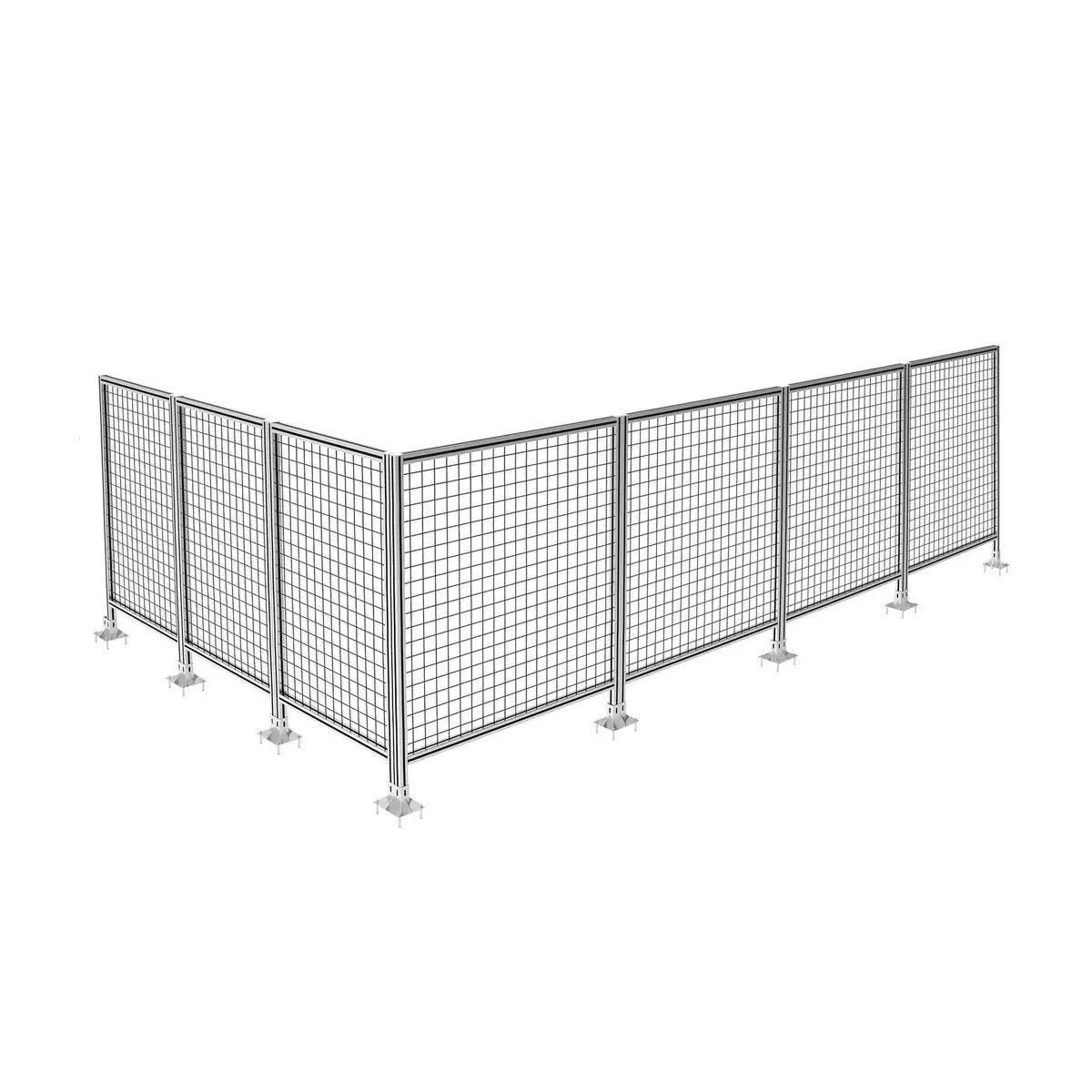
III. Manufacturing and Post-Processing Methods Of Robot Aluminum Profiles
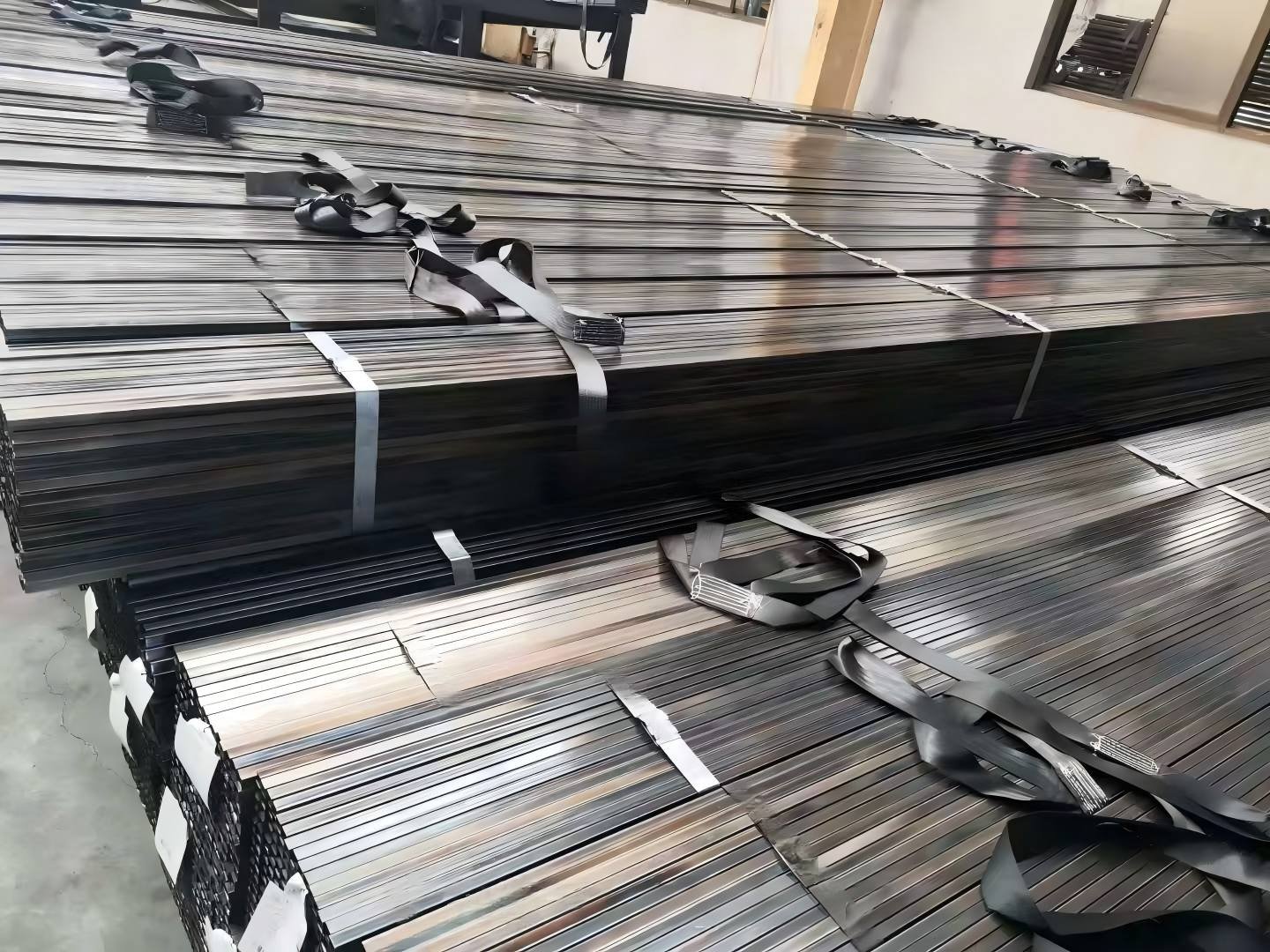
Vanway Tech controls the entire fabrication pipeline to guarantee that each structural rail remains perfectly straight and burr-free. We transform raw metal billets into high-precision structural elements through controlled industrial stages.
Billet Extrusion and Quenching
First, we heat a solid cylindrical alloy log and push it through a custom-hardened steel die using an industrial hydraulic press. Immediately after extrusion, we force-cool the profile with air or water to lock in its mechanical strength.
Automated CNC Cut-to-Length and Milling
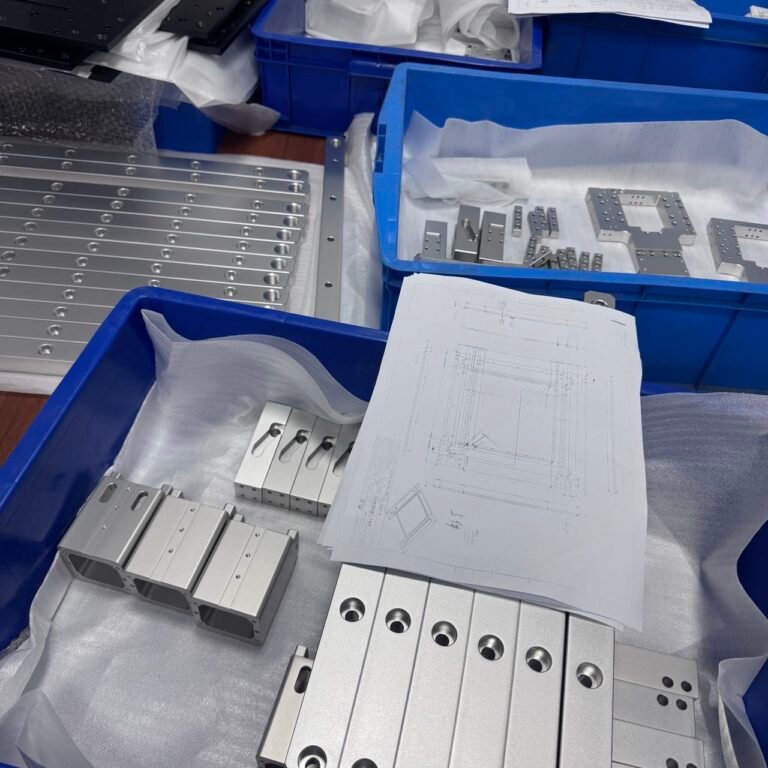
Next, high-speed automated saws cut the long cooled profiles into precise user-friendly lengths. Vanway Tech then routes the pieces through CNC machining centers to drill blind access holes and tap the center cores for structural end screws.
Advanced Anodizing and Protective Surface Finishing
Finally, we submerge the machined parts into an electrochemical bath to create a controlled aluminum oxide layer. This anodizing process hardens the outer surface, provides deep color options like matte black or clear silver, and ensures excellent scratch resistance during assembly.
IV. Advantages of Vanway Tech Robot Aluminum Profiles
Choosing the right structural material determines whether your automated machine will succeed or fail under load. Vanway Tech engineers our structural profiles to outperform alternative carbon fiber or steel building setups.
| Core Design Advantage | Engineering Metric | Specification Value | Testing Standard | Impact on Automation Design |
| Superior Strength-to-Weight Performance | Base Material Alloy Grade | 6063-T5 / 6061-T6 | ASTM B221 | Weighs approximately one-third as much as steel, significantly reducing structural inertia without over-burdening drive motors. |
| ^ | Tensile Strength (Ultimate) | 180 MPa | ISO 6892 | Prevents permanent structural deformation under high dynamic loads or large cantilever moments in mobile robotic arms. |
| ^ | Yield Strength (0.2% Offset) | ≥ 145 MPa | ISO 6892 | Ensures the profile remains within the safe elastic deformation zone under maximum rated operating loads. |
| ^ | Modulus of Elasticity (E) | 69.5 GPa | ASTM E111 | Maintains excellent structural stiffness, suppressing end-effector vibrations and enhancing positioning accuracy. |
| Fast, Weld-Free Fastening Mechanics | Standard Slot Width | 6.2 mm ± 0.1 mm | DIN EN 12020-2 | High-precision T-slot engineering allows instant alteration of the entire robot chassis design via a simple allen screw, overcoming the irreversible nature of traditional steel welding. |
| Highly Predictable Linear Tolerances | Surface Finish Hardness | ≥ 8 Webster (HW) | ASTM B647 | High surface hardness combined with tight straightness ratings ensures linear bearings glide smoothly without binding or abnormal frictional resistance. |
By synthesizing the exceptional mechanical performance of 6063-T5/6061-T6 alloy with DIN-standard precision machining, Vanway Tech delivers structural profiles that achieve a 66% weight reduction compared to traditional steel structures while preserving rigorous rigidity. This framework offers unmatched modular adaptability, making it the ideal physical medium for next-generation industrial automation and robotics development.
V. FAQs Regarding Robot Aluminum Profiles
Q1. What accessories work best with DIY robot kit aluminum structure profiles?
A: You can use standard M3 or M4 T-nuts, ninety-degree corner brackets, and aluminum joiner plates to connect the profiles securely. These fasteners slide directly into the side slots for fast placement.
Q2. Can I cut DIY robot kit aluminum structure profiles at home?
A: Yes, you can easily cut the profiles using a standard miter saw equipped with a non-ferrous metal cutting blade. However, Vanway Tech offers custom precision cutting services to save you assembly time.
Q3. Why should I choose anodized DIY robot kit aluminum structure profiles?
A: Anodizing creates a hard ceramic coating that prevents raw metal oxidation and shields your robot from ugly surface scratches. Furthermore, the finish provides minor electrical insulation across the frame.
Q4. What is the difference between T-slot and V-slot DIY robot kit aluminum structure profiles?
A: T-slot profiles securely hold stationary fastening nuts for static framing, whereas V-slot profiles feature angled edges that allow specialized bearings to roll smoothly along the rail as a linear guide.
Q5. Do DIY robot kit aluminum structure profiles deflect under heavy motor loads?
A: Our heavy-duty structural profiles tolerate high torsional forces because we use premium 6063-T5 alloy. For massive payloads, you can simply select a larger cross-section like our 2040 or 3030 series.
Q6. How do I mount a stepper motor to these DIY robot kit aluminum structure profiles?
A: You can mount standard NEMA 17 or NEMA 23 motors using pre-stamped steel adapter brackets. These brackets bolt directly into the profile slots using standard button-head screws.
Q7. Are these DIY robot kit aluminum structure profiles compatible with global metric standards?
A: Yes, Vanway Tech designs our structural kits to match international 2020, 2040, and 1515 metric sizing systems perfectly. Therefore, our parts mix seamlessly with components from other global suppliers.
Q8. Can I use DIY robot kit aluminum structure profiles for outdoor autonomous rovers?
A: Absolutely, because the anodized finish resists environmental humidity and rain corrosion effectively. We recommend using stainless steel fasteners to ensure your outdoor chassis remains rust-free.
VI. Partner with Vanway Tech: Your Premier Extrusion Manufacturer
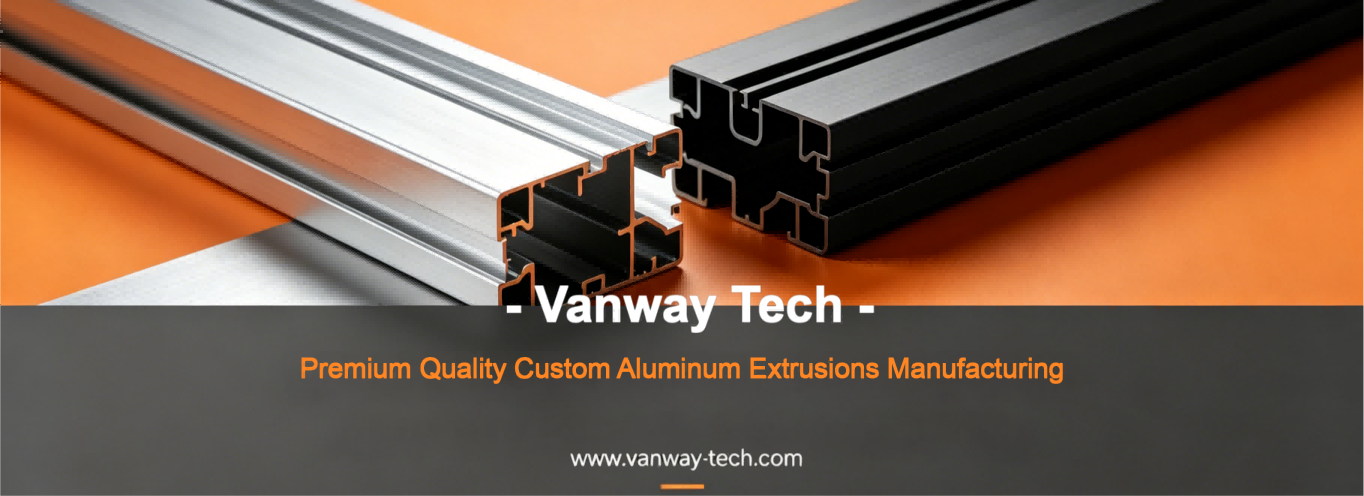
Vanway Tech brings world-class manufacturing expertise directly to your custom robotics project. We operate state-of-the-art aluminum extrusion lines, automated anodizing facilities, and high-precision CNC machining shops under a single unified roof. This fully integrated production model allows us to control quality strictly at every phase, from raw alloy selection to final dimensional inspections.
Our engineering team works hand-in-hand with hardware developers to optimize structural profiles for weight reduction, cost savings, and flawless structural integrity. Whether you require standard modular framing bundles for STEM classrooms or custom-milled structural lengths for complex industrial automation, Vanway Tech delivers tight tolerances and ultra-fast turnaround times. Contact Vanway Tech today to submit your design requirements and elevate your robotic framework performance.
Contact Vanway Tech today for tailored one-stop aluminium extrusion solutions.
FAQs
Can you supply custom extruded aluminum profiles with OEM drawings & precise tolerances?
Yes, we specialize in custom aluminum extrusion profiles based on 2D/3D drawings (STEP, IGS, DWG). We support complex cross-sections, strict dimensional tolerances (±0.1mm for critical parts), and tailored alloys (6063/6061/6082). We provide free mold design evaluation for bulk export orders of custom industrial aluminum profiles and architectural aluminum sections.
What surface treatments are available for export-grade aluminum profiles?
We offer full surface finishes for global markets: anodizing (clear/color), powder coating (RAL colors), electrophoresis, polishing, sandblasting, and fluorocarbon coating. All treatments enhance weather resistance, durability, and appearance for aluminum window profiles, curtain wall aluminum profiles, T-slot industrial aluminum profiles, and heat sink aluminum profiles for overseas buyers.
What is the range of custom size & cross-section for your export aluminum profiles?
We support custom size aluminum profiles for export with cross-sections from 10mm×10mm to 300mm×300mm, wall thickness 0.8mm–10mm, and length up to 6 meters (or cut to your required length). Available cross-sections include T-slot, hollow tube, L-angle, U-channel, and complex custom shapes (per 2D/3D drawings). Our precision aluminum extrusion dimensions (tolerance ±0.1mm) suit architectural curtain walls, industrial frames, and solar panel aluminum bracket profiles.
What’s the MOQ for aluminum profiles and can we mix different profiles in one container?
The standard MOQ is 500–1000kgs per profile; we accept lower trial quantities for new export customers. We support mixed container loading of various aluminum extrusion profiles (industrial, architectural, LED, door & window) to optimize shipping costs and reduce inventory pressure for importers.
How long is the lead time for custom aluminum profile extrusion & export shipment?
Standard stock aluminum profiles ship in 7–10 days. Custom aluminum profile extrusion with new molds takes 20–25 days (mold fabrication + production). Bulk export orders (FCL/LCL) arrange shipment in 25–35 days, with timely updates on production, inspection, and container loading for global buyers.
What packaging & shipping solutions do you offer for overseas aluminum profile orders?
We use export-standard packaging: pearl cotton, kraft paper, plastic film, and fumigated wooden crates/pallets to prevent scratches and damage during sea/air freight. We support FOB, CIF, CFR, and DDP terms, with professional loading plans to maximize container utilization for long aluminum profiles and irregular custom sections.
Do your aluminum profiles meet international export standards (CE, ASTM, AAMA, EN)?
All our industrial & architectural aluminum profiles comply with CE, EN755, EN14888, ASTM B221, AAMA, and RoHS directives. We provide full test reports, material certificates, CO, and commercial invoices to smooth customs clearance for aluminum profile exports to Europe, North America, Southeast Asia, and Oceania.
What testing do your export aluminum profiles undergo to ensure quality?
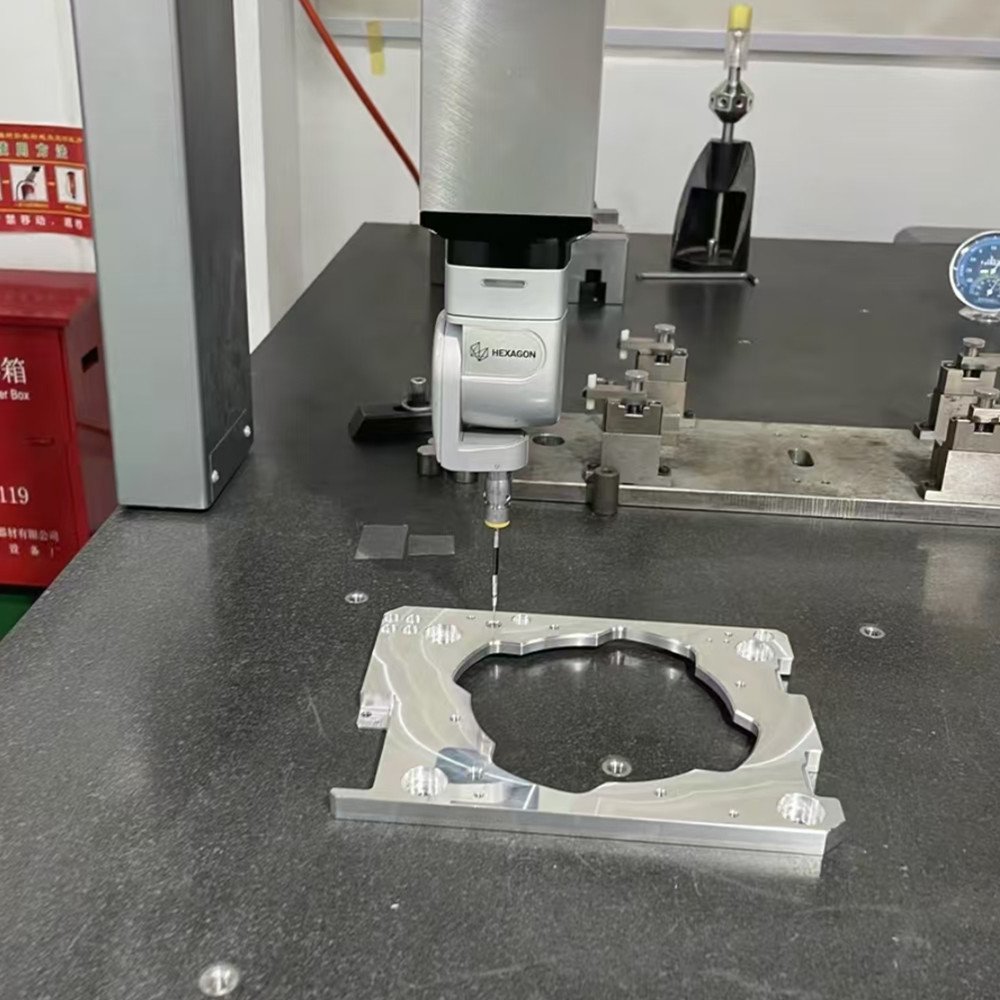
All profiles pass rigorous testing: dimensional inspection (CNC coordinate measuring machine), tensile/elongation tests (ISO 6892-1), salt-spray corrosion tests (1000+ hours, ASTM B117), surface finish adhesion tests (ASTM D3359), and color fastness tests (ISO 105-B02). For key projects, we provide third-party (SGS/BV/Intertek) test reports. Our quality-checked export aluminum extrusion products meet ASTM, EN, and AAMA standards for consistent performance in global markets.
Contact With Vanway Tech Team for Premium Aluminium Extrusion Products!
Request A QuoteContact with Vanway Tech Team for Premium Aluminium Extrusion Products.
Contact InfoWe are looking forward to hearing from you!
-
Email: info@vanway-tech.com
-
Address: No. 588, Wuyi South Road, CSJ Moldware Town, Wujin, Changzhou, Jiangsu, China
Scan Below Codes to Contact Us Immediately.