Vanway Precision Materials Tech Co.,Ltd


Aluminum Extrusions for Robot: Driving Modern Automation
I. Aluminum Extrusions in Modern Robotics
Modern robotics demands materials that offer both incredible strength and minimal weight. Modern robotics demands materials that offer both incredible strength and minimal weight. Therefore, high-performance aluminum extrusions for robot structures have become the ultimate foundation for building advanced automated systems. When manufacturers force raw aluminum alloy through a shaped die, they create long, consistent metal profiles.
Vanway Tech utilizes this advanced technology to shape raw metal into complex, hollow, and custom cross-sections. These specialized shapes allow engineers to build agile, durable, and highly efficient robots. Consequently, aluminum extrusions act as the skeletal framework for the automated machines that drive our modern industrial world.
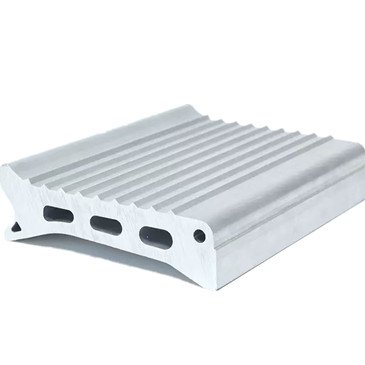
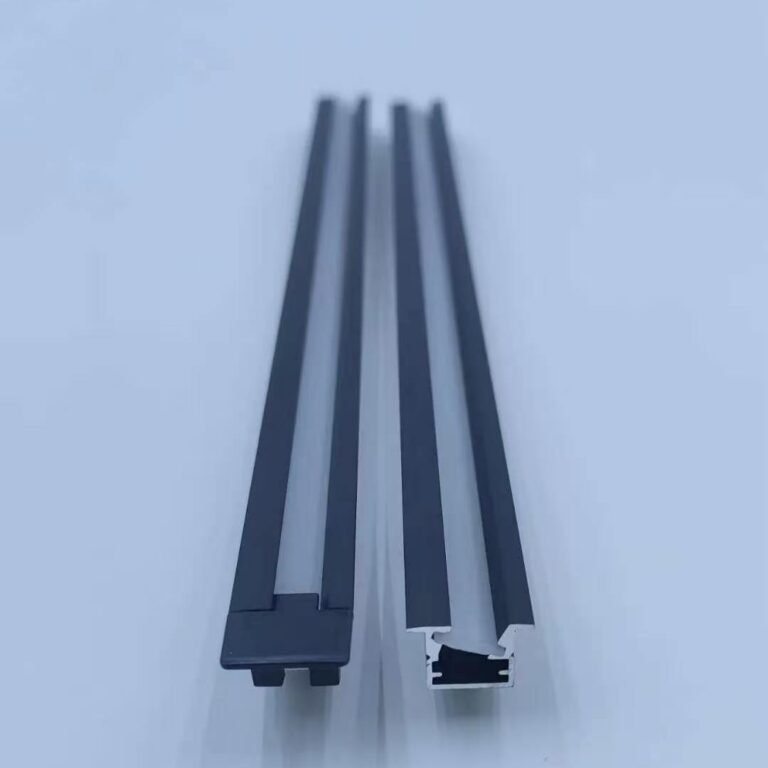
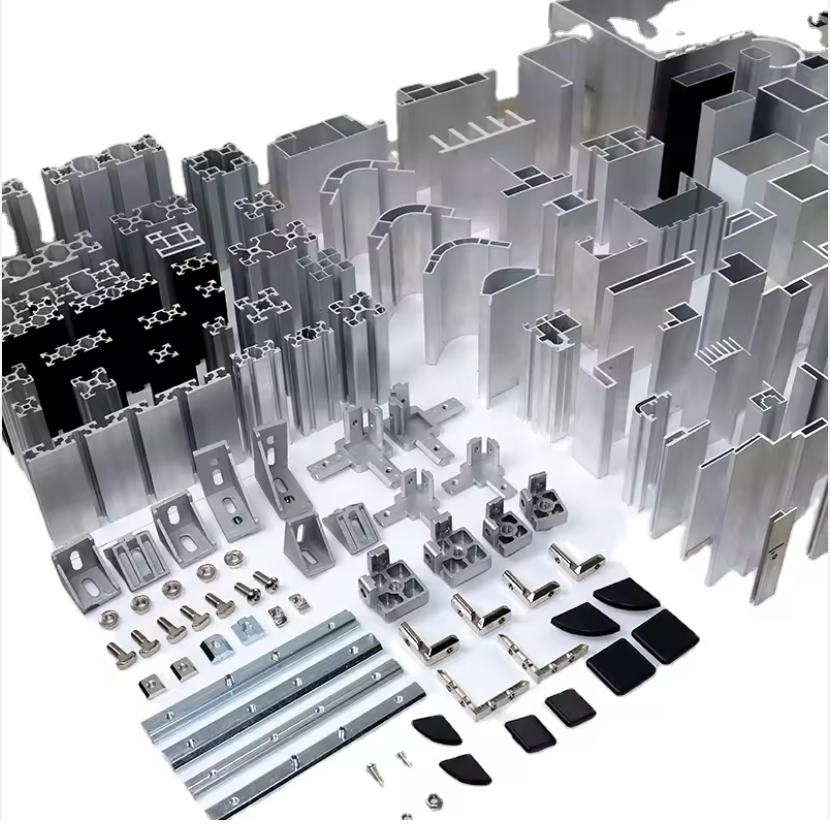
Some Of Related Products Of Vanway Tech’s Aluminum Extrusions For Robot
II. Applications of Aluminum Extrusions for Robot
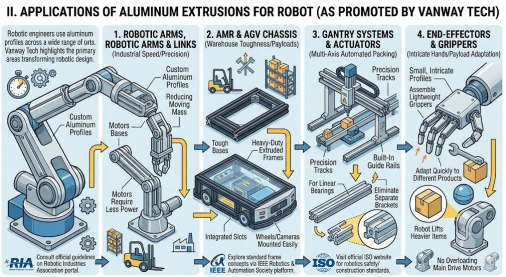
Robotic engineers use custom aluminum extrusions for robot components across a wide range of structural parts because these shapes offer excellent design flexibility. Below, Vanway Tech highlights the primary areas where aluminum extrusions for robot systems transform modern industrial automation:
Robotic Arms and Structural Links
Industrial robotic arms must move with incredible speed and repeat tasks with high precision. Therefore, Vanway Tech supplies lightweight aluminum profiles to build the main joints and links of these arms. Because the material reduces moving mass, motors require less power to operate efficiently. For more technical data on industrial arm design, you can check the official guidelines on the Robotic Industries Association portal.
Autonomous Mobile Robot (AMR) and AGV Chassis
Automobile and warehouse robots, such as Autonomous Guided Vehicles (AGVs), need tough bases to carry heavy payloads. Vanway Tech designs heavy-duty extruded frames that protect delicate internal sensors while supporting heavy batteries. Furthermore, integrated slots within the profiles allow technicians to mount wheels and cameras easily. You can explore standard vehicle mobility frame concepts through the IEEE Robotics and Automation Society platform.
Gantry Systems and Linear Actuators
Large automated packing lines rely heavily on multi-axis gantry systems. Vanway Tech manufactures precision tracks with built-in guide rails for linear bearings. These custom profiles eliminate the need for separate mounting brackets, which speeds up assembly time. To understand how automated systems use these linear structures, visit the official International Organization for Standardization website for robotics safety and construction standards.
End-Effectors and Custom Grippers
The hands of a robot, known as end-effectors, must adapt quickly to handle different products. Vanway Tech produces small, intricate aluminum profiles that allow engineers to assemble lightweight grippers. As a result, the robot can lift heavier items without overloading its main drive motors.
III. Unbeatable Advantages: Aluminum vs. Alternative Materials
When comparing frame materials for industrial automation, selecting high-grade aluminum extrusions for robot applications offers significant long-term performance benefits over conventional materials like steel or plastic:
| Material Property & Advantage | Aluminum Extrusions (Vanway Tech) | Structural Steel | Engineering Plastics | Carbon Fiber Composites |
| Weight & Mass | Ultralight weight (Approx. 1/3 the density of steel); significantly reduces robot moving mass. | Heavy mass; increases inertia and puts high stress on motors. | Lightweight; lacks structural integrity for high-load robot frames. | Extremely lightweight; offers optimal mass reduction. |
| Strength-to-Weight Ratio | Outstanding; advanced heat treatments deliver excellent structural load capacity. | High absolute strength, but penalized by its extreme weight penalty. | Low; flexes and deforms under high repetitive robot forces. | Extremely high; offers top-tier structural rigidity. |
| Production Cost & Scalability | Highly cost-effective; rapid high-volume extrusion with low-cost custom tooling. | Moderate cost; requires complex, expensive welding and post-machining. | Low per-part cost, but requires incredibly expensive injection molds. | Extremely expensive; features slow, manual, or autoclaved manufacturing cycles. |
| Thermal Management | Excellent natural conductivity; acts as a built-in heat sink for motors and electronics. | Poor thermal dissipation; traps heat within internal automated compartments. | Insulator; retains heat which can lead to electronics overheating. | Poor thermal transfer; requires complex separate cooling systems. |
| EMI Shielding Capabilities | Naturally blocks Electromagnetic Interference (EMI); fully protects sensitive control signals. | Provides decent shielding but adds too much structural weight. | Zero EMI shielding; requires expensive secondary conductive coatings. | Limited shielding; requires integrated metallic mesh layers to block noise. |
| Operational Impact on Robots | Faster acceleration, lower energy bills, instant stopping, and reduced brake wear. | Slow cycle times, high energy consumption, and rapid mechanical wear. | Prone to structural vibration and early mechanical fatigue. | Excellent performance, but restricted to high-budget niche applications. |
IV. Essential Manufacturing Steps for Robot Aluminum Profiles
To transform raw metal into high-performance robot parts, Vanway Tech follows a strict, multi-step production process. Each step ensures the final part meets exact industrial specifications.
Precision Die Design and Billet Heating
Initially, Vanway Tech creates a custom steel die using computer-aided design drawings. Next, we heat solid cylinders of aluminum, called billets, to a soft, workable temperature. We then push this hot metal through the die under immense pressure to form the continuous profile.
Quenching and Tension Straightening
As the hot profile exits the extrusion press, Vanway Tech cools it quickly using forced air or water sprays. We call this quick cooling process quenching. After cooling, long mechanical grippers pull the metal profiles from both ends to straighten any twists that occurred during cooling.
Age Hardening for Maximum Strength
Freshly extruded aluminum is naturally soft. Therefore, Vanway Tech places the straightened profiles into large aging ovens. Heating the profiles at controlled temperatures for several hours locks the internal crystal structure of the alloy, which maximizes its final hardness and durability.
Precision CNC Machining and Cutting
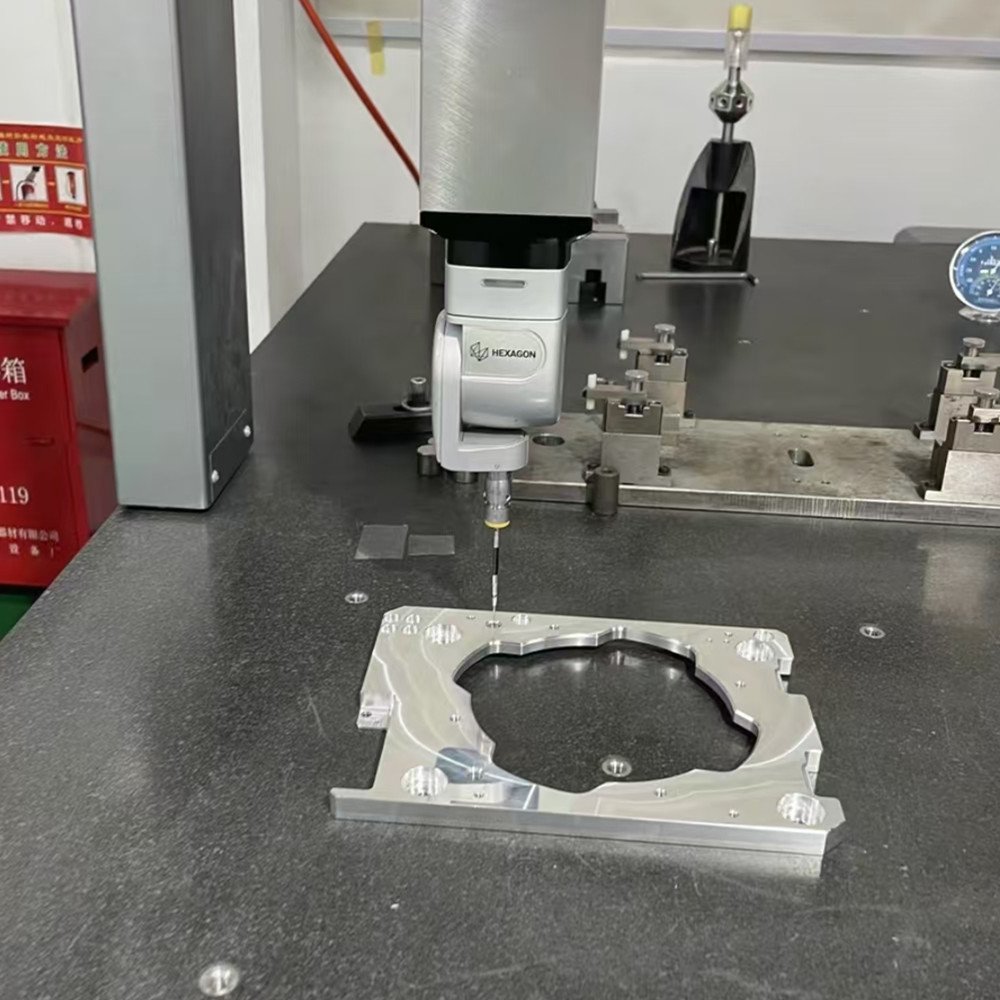
Robotic components require incredibly tight tolerances for bearing housings and mounting points. Consequently, Vanway Tech uses advanced computer numerical control (CNC) machines to cut profiles to exact lengths, drill precise holes, and mill complex pocket designs.
Surface Finishing and Anodizing
Finally, Vanway Tech applies a protective surface finish to the machined parts. We highly recommend anodizing, an electrochemical process that creates a tough, scratch-resistant oxide layer. This layer prevents corrosion and ensures the robot can work reliably in harsh industrial environments.
By controlling every step from extrusion to CNC machining, Vanway Tech delivers high-precision aluminum extrusions for robot manufacturing that seamlessly integrate into complex automated workflows.
V. FAQs About Aluminum Profiles in Robotics
Q1. Why should we choose aluminum extrusions for robot frame construction?
A: Vanway Tech recommends aluminum extrusions for robot frame construction because they combine high structural strength with a very low weight. This combination allows automated systems to move much faster and save energy during continuous factory operations.
Q2. Which specific alloys does Vanway Tech use when preparing aluminum profiles for robotic arms?
A: We primarily utilize 6061-T6 and 6082-T6 alloys when manufacturing aluminum profiles for robotic arms. These specific grades offer outstanding structural integrity, great corrosion resistance, and excellent machining properties for precise joint assembly.
Q3. Can custom aluminum shapes for automation systems eliminate extra assembly steps?
A: Yes, absolutely. Vanway Tech designs custom aluminum shapes for automation systems with built-in channels, slots, and screw ports. Therefore, assembly teams can slide fasteners and wiring bundles directly into the profile, which eliminates the need for extra brackets.
Q4. How does the accuracy of extruded aluminum parts for automated machinery compare to CNC milled steel?
A: While raw extrusion has wider tolerances, Vanway Tech combines extrusion with post-processing CNC milling. This combination ensures that extruded aluminum parts for automated machinery achieve the exact tolerances required for high-precision robotic bearings and gearboxes.
Q5. Does Vanway Tech supply corrosion-resistant aluminum framing for robots in cleanroom environments?
A: Yes, we do. We apply a clear or colored anodized finish to our aluminum framing for robots. This protective layer prevents any metal flaking or oxidation, making the profiles completely safe for medical, pharmaceutical, and semiconductor cleanrooms.
Q6. What are the cost benefits of choosing lightweight aluminum extrusions for AGVs over steel frames?
A: Using lightweight aluminum extrusions for AGVs drastically reduces the total weight of the vehicle. As a result, the automated vehicle enjoys a much longer battery life per charge, carries heavier payloads, and places far less stress on its electric drive motors.
Q7. Can we recycle extruded aluminum sections for industrial robots when modifying a factory layout?
A: Yes, sustainability is a major benefit. You can easily modify, cut, and reuse extruded aluminum sections for industrial robots. Furthermore, if you no longer need them, the aluminum remains 100% recyclable without losing its original material properties.
Q8. How does Vanway Tech ensure the structural safety of custom aluminum bars for collaborative robots?
A: Vanway Tech utilizes advanced engineering software to simulate mechanical loads before production begins. By analyzing stress points early, we ensure that our custom aluminum bars for collaborative robots can easily handle repetitive forces without bending or breaking.
Why Vanway Tech is Your Trusted Partner Of Aluminum Extrusions For Robot
Vanway Tech highlights its core strengths and manufacturing advantages in the robotics sector through the following key points:
Commitment to Your Line Efficiency: We focus heavily on precision and on-time delivery because we know how vital it is to keep your automated production lines moving smoothly in the global market.
Complete End-to-End Production: We manage the entire manufacturing cycle under one roof—from raw extrusion to precision post-processing—delivering fully finished aluminum extrusions for robot assemblies directly to your factory floor.
State-of-the-Art Infrastructure: We own advanced extrusion presses, dedicated aging ovens, and high-precision multi-axis CNC machining centers to guarantee tight engineering tolerances and flawless surface finishes.
Collaborative Engineering & Design Optimization: Our expert technical team works directly with your engineers to refine profile cross-sections, which successfully reduces raw material waste and boosts total structural strength.
Strict Traceability & Quality Control: We enforce rigid quality assurance protocols that track every batch of aluminum from the melting furnace through to final inspection for maximum operational reliability.
Contact Vanway Tech today for tailored one-stop aluminium extrusion solutions.
Contact With Vanway Tech Team for Premium Aluminium Extrusion Products!
Enquire with UsConnect with Vanway Tech Team for Premium Aluminium Extrusion Products.
Contact InfoWe are looking forward to hearing from you!
-
Email: info@vanway-tech.com
-
Address: No. 588, Wuyi South Road, CSJ Moldware Town, Wujin, Changzhou, Jiangsu, China
Scan Below Codes to Contact Us Immediately.