
Vanway Precision Materials Tech Co.,Ltd


Why does aluminum extrsuion need to be anodized?
Why does aluminum extrusion need to be anodized?
luminum is a versatile material used in many industries. Its lightweight nature and strength make it ideal for various applications. But why does aluminum and anodized aluminum extrusion need anodizing?
Anodizing is a key process for enhancing aluminum and anodized aluminum extrusion properties. It involves an electrochemical treatment that improves the metal’s surface. This process is crucial for increasing aluminum’s durability and environmental resistance.
Anodized aluminum extrusion is far more resistant to corrosion and wear. This makes it suitable for harsh outdoor and industrial environments. It also enhances the metal’s aesthetic appeal with various color finishes for extrusion profiles.
The process is not just about looks. Anodizing improves the adhesion of paints and adhesives greatly. This is particularly beneficial for prototypes, industrial applications and anodized aluminum extrusion product assembly.
Anodized aluminum extrusion is also environmentally friendly. It is non-toxic and contributes to sustainable manufacturing practices. This makes it a preferred choice for eco-conscious industries worldwide.
Understanding anodizing is essential for engineers and designers who work with anodized aluminum extrusion. It offers numerous advantages that enhance aluminum’s overall performance. Let’s explore why anodizing is vital for common aluminum materials and anodized aluminum extrusion products.
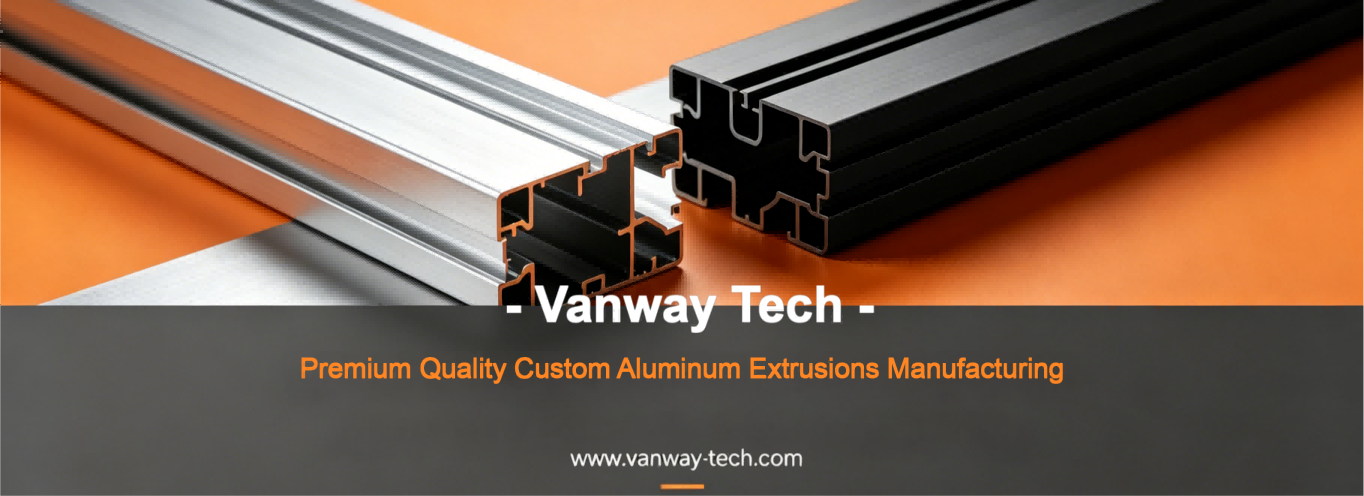
What Is Anodizing? Understanding the Basics
Anodizing is an electrochemical process. It enhances the natural oxide layer on aluminum surfaces. This layer acts as a barrier against corrosion and wear.
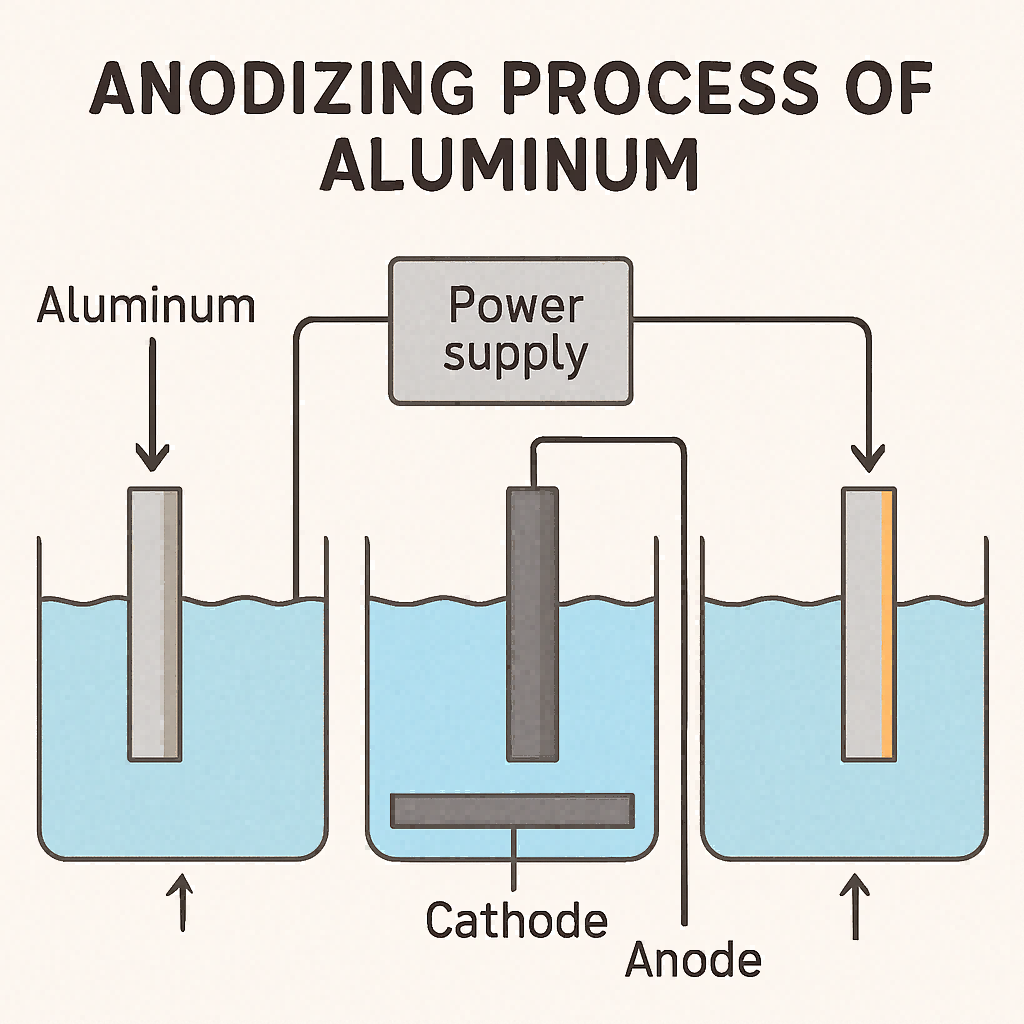
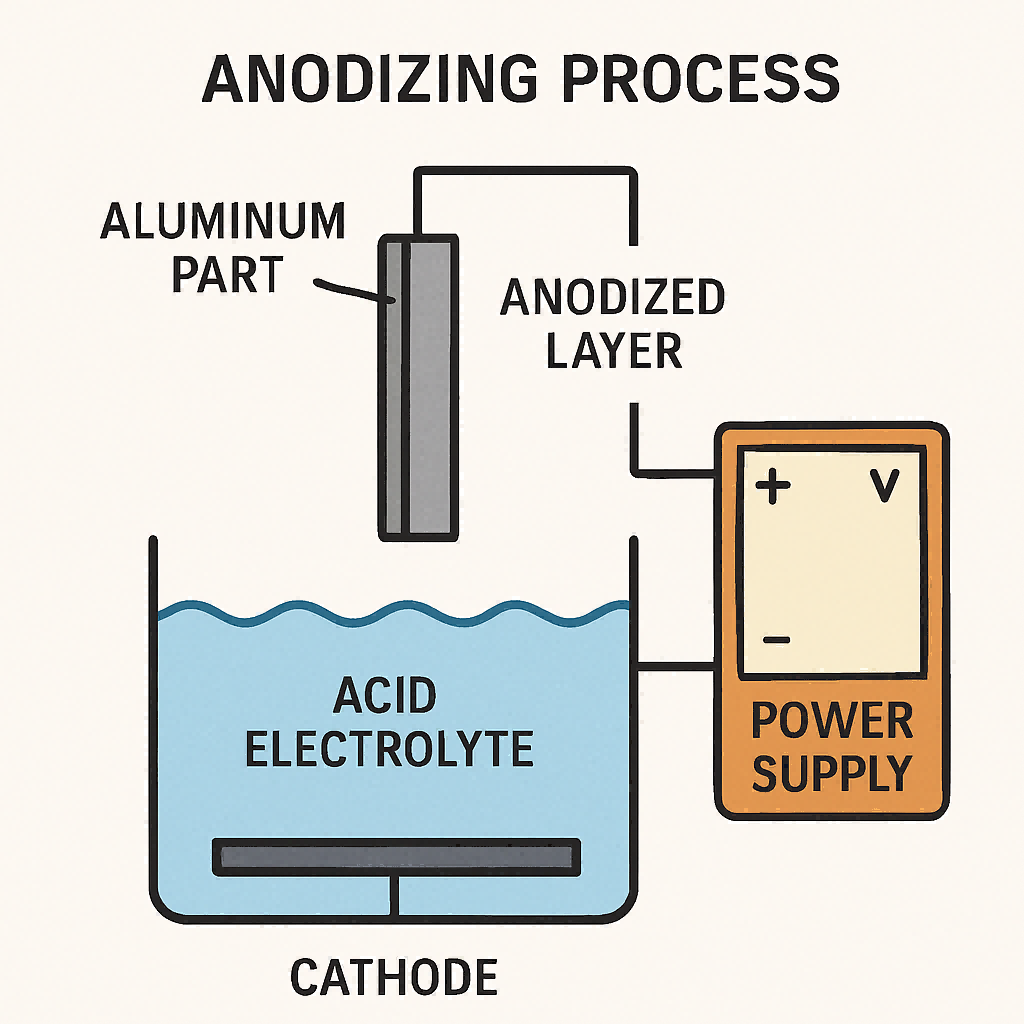
The process begins by immersing aluminum in an acid electrolyte bath. An electric current passes through the metal, forming a controlled oxide layer. This layer is much thicker than the natural oxide layer.
Anodized aluminum offers several distinct benefits. It boasts enhanced durability, increased resistance to environmental factors, and improved aesthetic appeal. This makes it ideal for various applications.
Key points to remember about anodizing include:
- Creation of a durable oxide layer
- Improved corrosion resistance
- Enhanced surface hardness and wear resistance
Anodizing is customizable. The thickness and color of the anodized layer can be altered. This allows for tailored solutions to meet specific needs.
Moreover, anodizing does not alter aluminum’s weight or conductivity. It preserves the material’s inherent advantages. This makes it a popular surface treatment in numerous fields, from automotive to consumer electronics. Understanding the basics of anodizing provides a foundation for appreciating its many applications and benefits.
The Science Behind Anodizing Aluminum
Anodizing aluminum involves precise scientific principles. The process relies on controlled oxidation. The aluminum acts as the anode in this electrochemical setup.
During anodizing, aluminum is submerged in an acid electrolyte solution. Here, the metal connects to the positive electrode. An electric current flows, causing oxygen ions to migrate to the surface.
This chemical reaction forms aluminum oxide, a protective layer. Interestingly, this layer isn’t applied but grows from the aluminum itself. It integrates into the surface, ensuring exceptional adhesion.
Key scientific aspects include:
- Electrochemical oxidation method
- Formation of a thick oxide layer
- Enhanced surface adherence
The formed oxide layer can be manipulated. Its thickness depends on the anodizing conditions, such as temperature and current. Thicker layers offer greater protection and coloration options.
Moreover, the porous structure of the anodized layer can absorb dyes. This feature allows for various color finishes, broadening design possibilities. Understanding this science highlights why anodizing enhances aluminum’s durability and aesthetic potential. This process, rooted in chemistry and physics, transforms ordinary aluminum into a robust, versatile material suitable for diverse applications.
Moreover, the porous structure of the anodized layer can absorb dyes. This feature allows for various color finishes, broadening design possibilities. Understanding this science highlights why anodizing enhances aluminum’s durability and aesthetic potential. This process, rooted in chemistry and physics, transforms ordinary aluminum into a robust, versatile material suitable for diverse applications.
Why Does Aluminum Material Need to Be Anodized?
Aluminum is naturally prone to oxidation. This causes it to corrode over time. Anodizing provides a vital solution to this issue.
The process enhances corrosion resistance significantly. Anodized aluminum withstands harsh environmental conditions. This makes it ideal for outdoor applications.
Scratch resistance improves through anodizing too. The anodized layer increases surface hardness. This hardening keeps aluminum surfaces looking new longer.
Key reasons for anodizing aluminum include:
- Corrosion Resistance
- Increased Durability
- Enhanced Aesthetic Appeal
Aesthetic improvements are another benefit. Anodizing allows for color variety and gloss levels. It enables creative and functional design possibilities.
Moreover, anodizing augments electrical insulation. This is particularly beneficial in electronics. It ensures components remain insulated and functional.
One lesser-known advantage is that anodizing aids eco-friendliness. The process is non-toxic and environmentally sound. It aligns with sustainable manufacturing practices.
Finally, anodizing can prolong the lifespan of prototypes. This is especially useful in testing phases. It allows prototypes to endure longer without degradation.
Overall, anodizing is essential. It not only protects but also enhances aluminum. These qualities make anodizing an integral treatment in many industries.
Key Benefits of Anodized Aluminum for Prototypes
Prototyping benefits significantly from anodized aluminum. Anodizing enhances both the functionality and aesthetics of prototypes. This makes it a preferred choice in design and testing.
Durability is a primary advantage. Anodized aluminum prototypes withstand handling and testing. This robustness is crucial during iterative design processes.
Scratch resistance plays a key role too. An anodized surface prevents damage during use. As a result, prototypes remain in optimal condition for longer periods.
Moreover, the anodizing process allows for aesthetic customization. Designers can choose from a wide array of colors and finishes. This flexibility supports creative and functional design explorations.
An additional benefit is ease of cleaning and maintenance. Anodized surfaces resist dirt accumulation effectively. This helps in presenting neat, professional prototypes to stakeholders.
The process also supports better adhesion of paints and adhesives. Anodized surfaces allow for high-quality finishing applications. This is especially beneficial for prototypes requiring detailed visual presentation.
Key benefits include:
- Enhanced Durability
- Superior Scratch Resistance
- Aesthetic Customization
Moreover, anodizing provides prototypes with environmental resilience. They can sustain exposure to varying conditions without degradation. This helps in realistic testing scenarios.
Prototyping often involves complex shapes and designs. Anodizing caters to such requirements efficiently. This ensures uniformity and consistency in prototype production.
Summary of benefits:
- Ease of Maintenance
- Improved Adhesion for Finishes
- Environmental Resilience
Anodizing also adds thermal and electrical insulation properties. These enhance the functional applications of prototypes. It is especially beneficial in electronics and high-tech industries.
Lastly, the process is cost-effective. It offers durable finishes that prolong prototype life. This minimizes costs associated with frequent remanufacturing.
In conclusion, anodized aluminum significantly enriches prototyping. It supports innovation while ensuring practicality and efficiency. Thus, it remains a cornerstone in the prototyping domain.
Advantages of Anodized Aluminum in Industrial Applications
Anodized aluminum is highly valued in industrial sectors. It combines functionality with durability, meeting various technical requirements. Its unique properties make it indispensable across multiple applications.
Corrosion resistance is a leading advantage. Anodized aluminum survives harsh environments, reducing repair needs. This extends product life, crucial in marine and outdoor applications.
Another key benefit is surface hardness. Anodized layers resist physical wear and tear effectively. This makes aluminum components suitable for heavy-duty industrial use.
The aesthetic versatility of anodized aluminum is notable. It supports various textures and patterns. Companies can choose functional and stylish aluminum finishes.
Heat and electrical insulation are enhanced by anodization. This is important in electronics and heat-sensitive applications. Anodizing ensures safety and efficiency in these environments.
Core benefits include:
- High Corrosion Resistance
- Increased Surface Hardness
- Aesthetic Versatility
Anodized aluminum is also lightweight yet strong. It maintains structural integrity without excess bulk. This makes it ideal for aviation and transportation industries.
The material’s chemical resistance is another plus. It withstands exposure to various substances without damage. This property is beneficial in chemical processing and other industrial settings.
Key industrial advantages:
- Enhanced Heat and Electrical Insulation
- Lightweight and Strong Construction
- Chemical Resistance
The cost-effectiveness of anodizing is significant. It provides long-lasting solutions that outweigh initial costs. Anodizing creates durable surfaces that minimize future expenses.
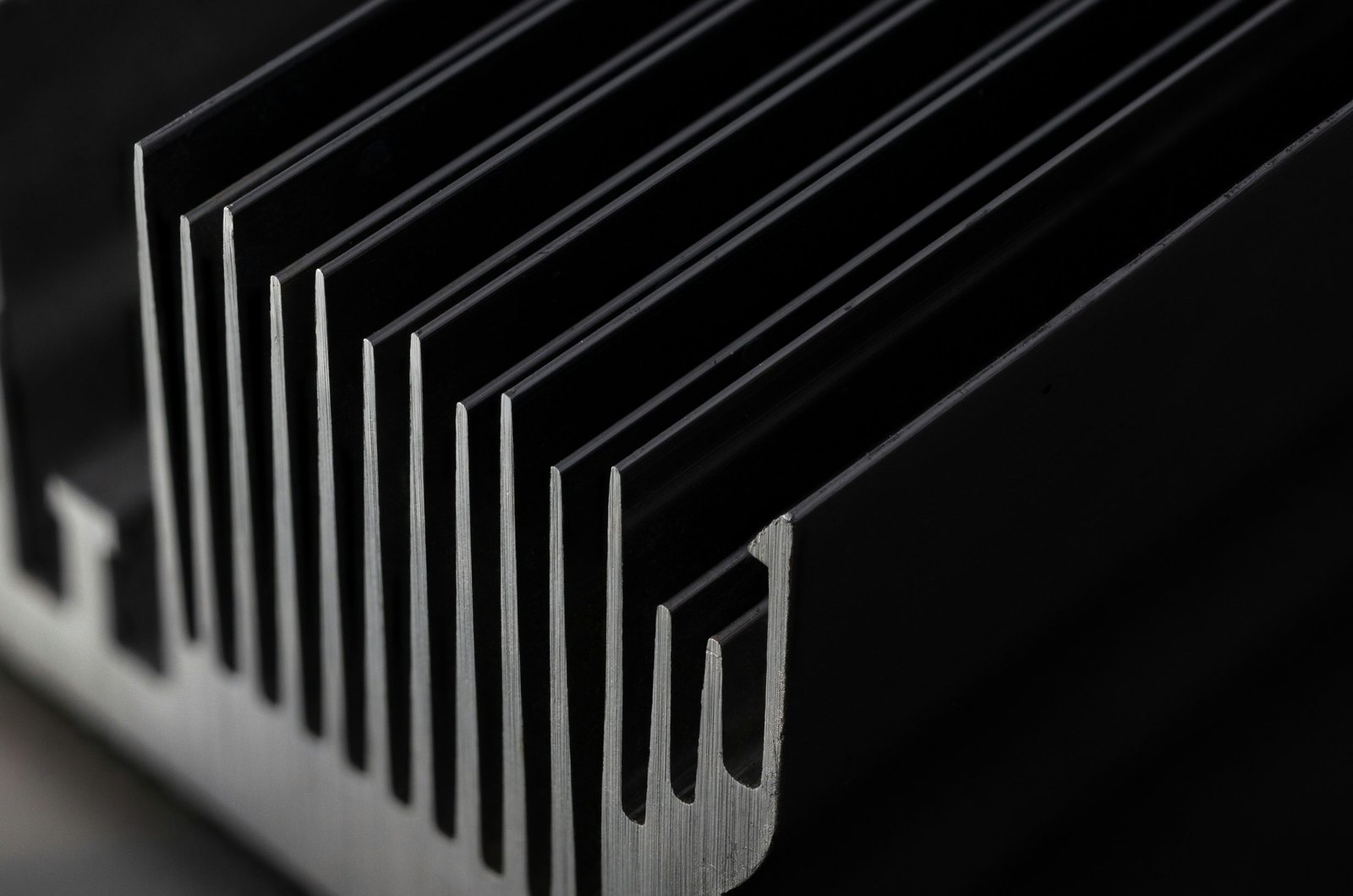
In a nutshell, anodized aluminum excels in industrial uses. It offers a blend of strength, functionality, and durability. Industries rely on anodizing for effective, efficient solutions.
Aluminum Surface Treatment: Anodizing vs. Other Methods
Aluminum surface treatment is vital for enhancing its properties. Anodizing is just one method, but how does it compare to others?
Anodizing creates a protective oxide layer. It’s popular for its durability and variety of finishes. Anodized surfaces resist wear and maintain their appearance over time.
Powder coating is another common treatment. It provides a thicker layer of protection, ideal for heavy-duty applications. However, it doesn’t offer the same color range as anodizing.
Electroplating adds a thin metal coat to aluminum. It improves conductivity and corrosion resistance. Unlike anodizing, electroplated surfaces can sometimes peel or crack.
Core differences:
- Durability: Anodizing vs. Powder Coating
- Appearance: Anodizing vs. Electroplating
Painting offers a simple way to enhance aluminum. It allows for intricate designs and various colors. However, paint can chip or fade over time, unlike anodized finishes.
Chemical etching creates textures for functional surfaces. It’s suitable for a grip or aesthetic purposes. Anodizing offers similar benefits with additional protective qualities.
Key considerations:
- Protection: Anodizing vs. Painting
- Functionality: Anodizing vs. Chemical Etching
Each treatment method has its pros and cons. Anodizing remains a versatile and sustainable choice. It excels in balancing aesthetics, functionality, and durability.
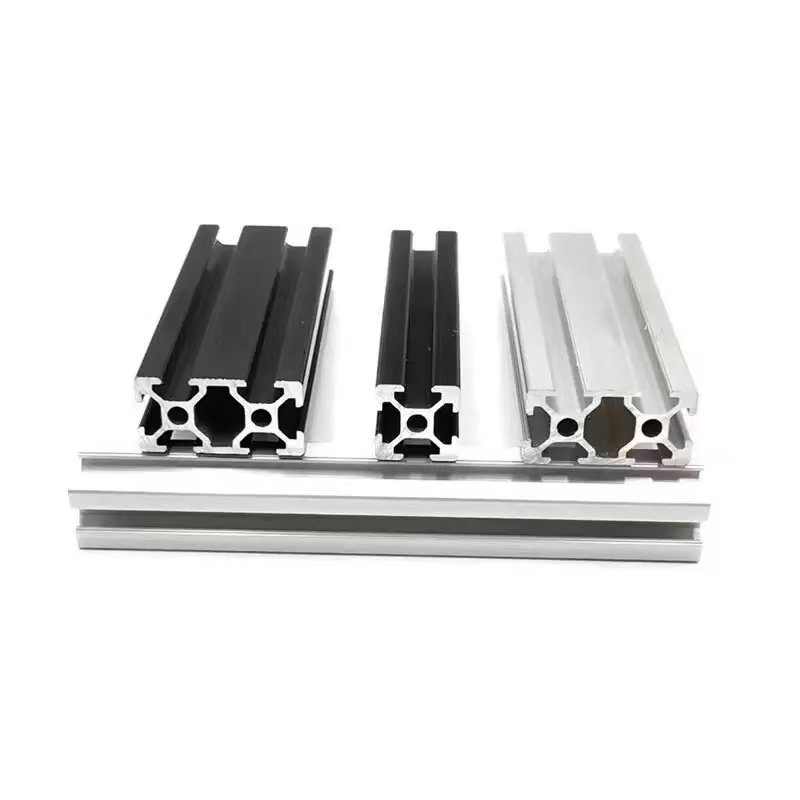
In conclusion, choose a method based on specific needs. Anodizing often stands out for its comprehensive benefits. It’s an excellent option for lasting, attractive results.
Types of Anodizing Processes for Aluminum
Understanding the types of anodizing processes is crucial for selecting the best treatment. Each type offers unique benefits and characteristics.
Type I anodizing utilizes chromic acid. It’s perfect for thin coatings and offers excellent corrosion resistance. This method is less harmful to the environment compared to past formulations.
Type II anodizing involves sulfuric acid. It’s the most common method used for everyday applications. This process allows for a variety of colors and moderate thickness.
Type III anodizing, also known as hard coat, is ideal for heavy-duty uses. It forms a much thicker, more durable layer. Type III is well-suited for industrial environments with high wear.
Key anodizing types include:
- Type I: Thin, corrosion-resistant
- Type II: Common, colorful
- Type III: Thick, durable
Each process varies in thickness, color options, and applications. Factors like application environment and required durability guide the selection.
In essence, choosing the right anodizing type enhances performance and lifespan. Each offers distinct advantages suited to specific needs. Understanding these differences ensures that aluminum materials are prepared to meet their intended challenges.
Step-by-Step: The Aluminum Anodizing Process
The anodizing process is precise and involves several essential steps. Each phase contributes to the superior finish and durability of the final product.
Cleaning is the first step. The aluminum surface must be free from dirt and oil. Proper cleaning ensures even anodization.
Etching follows cleaning. This step involves immersing aluminum in an acidic solution. Etching removes minor surface imperfections and prepares the metal for anodizing.
The anodizing stage comes next. Aluminum is submerged in an electrolyte bath and connected to an electrical current. This process creates the protective oxide layer.
Following anodizing is the coloring phase. Dyes can be added to the porous anodic film for aesthetic purposes. The options range from subtle earth tones to bright, vivid hues.
Sealing is the final step. It closes the pores, solidifying the surface and enhancing resistance to environmental elements.
The anodizing process generally follows these steps:
- Cleaning
- Etching
- Anodizing
- Coloring
- Sealing
Each stage is crucial for achieving desired features and longevity. From basic preparation to the sealing finish, every step impacts the end result. Understanding this sequence helps in making informed decisions about how to best treat aluminum.
Thus, following a structured approach ensures that anodized aluminum achieves its full potential in performance and aesthetics.
Customization: Colors, Textures, and Finishes
Anodizing aluminum opens up a world of customization. It transforms the metal from a standard gray hue into a canvas for creativity.
Color is one of the most exciting aspects of anodized aluminum. The process allows for a wide range of colors, from classic silver to bold reds and blues. This versatility enhances both the aesthetic appeal and the branding potential of aluminum products.
Beyond color, anodizing also enables textural variety. Surfaces can be smooth, matte, or glossy. These textures provide additional design possibilities and practical benefits, such as improved grip or reduced glare.
Finishing options extend the customization even further. Special treatments like satin finishes or deep etches can add unique visual and tactile characteristics.
Key customizable elements in anodized aluminum:
- Wide range of color options
- Variety of textures: smooth, matte, glossy
- Multiple finishing styles: satin, etched, patterned
In summary, anodizing aluminum isn’t just a functional choice—it’s a design tool that allows for creativity and specific personalization. Whether for aesthetics or functionality, the customization options are nearly limitless.
Environmental Impact and Sustainability of Anodized Aluminum
Anodizing aluminum is an environmentally friendly process. It enhances the sustainability of aluminum products in several significant ways.
Firstly, the anodizing process itself is non-toxic. It involves simple electrolytic reactions that do not introduce harmful chemicals. This makes anodized aluminum a safe option for manufacturers and users alike.
Another major advantage is recyclability. Anodized aluminum retains its core properties, allowing for easy recycling. This feature supports sustainable manufacturing practices, contributing to a circular economy.
Additionally, anodized aluminum surfaces are long-lasting. Their durability reduces the need for frequent replacements, decreasing material waste over time.
Eco-friendly attributes of anodized aluminum:
- Non-toxic anodizing process
- High recyclability
- Long-lasting durability
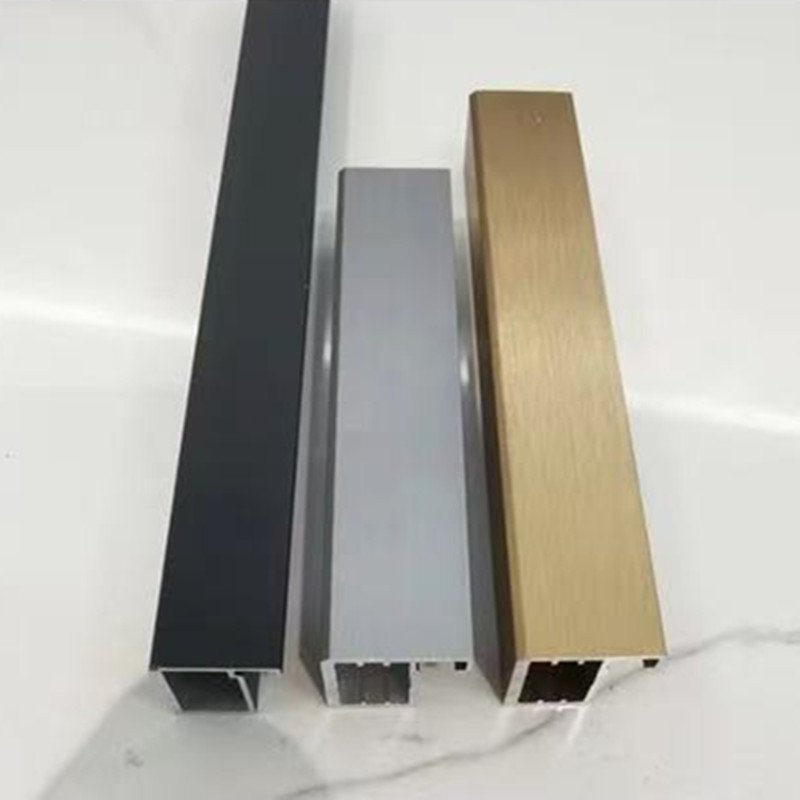
Together, these attributes make anodized aluminum an ideal choice for eco-conscious industries. It offers a durable, recyclable, and safe solution that aligns with modern sustainability goals. Whether for consumer products or industrial applications, anodized aluminum supports greener manufacturing methods.
Common Myths and Misconceptions About Anodized Aluminum
Anodized aluminum often attracts misconceptions regarding its properties and uses. One such myth is that anodizing weakens aluminum. In reality, anodizing enhances surface strength without affecting the core metal.
Another common belief is that anodized aluminum is not durable. This is incorrect. Anodized aluminum is renowned for its long-lasting finish and wear resistance. It maintains its appearance in various harsh environments.
Some people think anodized aluminum is limited in color options. However, the anodizing process allows a wide array of colors. From subtle hues to vivid shades, the possibilities are extensive.
Debunking anodized aluminum myths:
- Anodizing weakens aluminum (False)
- Limited color options (False)
- Not durable (False)
These misconceptions often stem from misunderstandings or outdated information. Correcting them helps in appreciating the versatility and reliability of anodized aluminum. With its diverse benefits, anodized aluminum remains a favored choice across industries.
Maintenance and Longevity of Anodized Aluminum Surfaces
Anodized aluminum surfaces are praised for their minimal maintenance requirements. This low-maintenance nature contributes significantly to their longevity. Regular cleaning with mild soap and water suffices to keep surfaces looking pristine.
Occasional inspections can help identify and address any wear. Although anodized surfaces are resistant, high-impact environments may warrant periodic checks. Addressing small issues early prevents potential long-term damage.
The natural oxide layer formed during anodizing offers robust protection. This makes surfaces highly resistant to corrosion and wear. As a result, anodized aluminum boasts a longer lifespan compared to untreated aluminum.
Key maintenance tips for anodized aluminum:
- Clean regularly with gentle soap
- Avoid harsh chemicals or abrasives
- Inspect periodically for signs of wear
These simple maintenance steps ensure anodized aluminum retains its functionality and aesthetics. By maintaining its surfaces, one can optimize the benefits of anodizing for many years. This makes it a cost-effective choice in many applications.
Frequently Asked Questions About Anodized Aluminum
What is anodized aluminum?
Anodized aluminum is aluminum that has undergone an electrochemical process. This enhances its natural oxide layer, boosting protection and durability.
Is anodizing environmentally friendly?
Yes, anodizing is considered environmentally friendly. The process is non-toxic and produces minimal hazardous waste.
Can anodized aluminum corrode?
Anodized aluminum is more resistant to corrosion than untreated aluminum. The anodic layer provides a barrier against moisture and chemicals.
Anodized aluminum has gained popularity due to its numerous benefits. These commonly asked questions reflect the curiosity and interest surrounding this versatile material. Understanding the basics helps in deciding when and how to use it effectively in various applications.
Conclusion: The Value of Anodizing Aluminum
Anodizing enhances the natural properties of aluminum, making it more versatile. This process improves durability, aesthetics, and corrosion resistance. It transforms aluminum into a highly desirable material for various applications.
The benefits of anodized aluminum are significant, especially in industrial settings. It offers a sustainable, cost-effective solution with lasting performance. Anodizing is a crucial process that serves both functional and decorative purposes.
Embracing anodizing in product design brings substantial advantages. It provides enhanced surface protection and aesthetic options. For industries relying on aluminum, anodizing is an invaluable technique, ensuring long-lasting and attractive products.
Contact With Vanway Tech Team for Premium Aluminium Extrusion Products!
Enquire with UsConnect with Vanway Tech Team for Premium Aluminium Extrusion Products.
Contact InfoWe are looking forward to hearing from you!
-
Email: info@vanway-tech.com
-
Address: No. 588, Wuyi South Road, CSJ Moldware Town, Wujin, Changzhou, Jiangsu, China
Scan Below Codes to Contact Us Immediately.