Vanway Precision Materials Tech Co.,Ltd


Anodized vs Powder-Coated Aluminum Trims Edge: Best B2B Selection Guide
Anodized or Powder-Coated Aluminum Trims — Which Finish Should You Choose?
Table of Contents
When choosing aluminum trims for a commercial project, the finish is more than a color decision. It affects how the edge profile looks after years of use, how well it withstands scratches and weather exposure, and whether the finished product matches the rest of the installation.
For most projects, the decision comes down to two options.
- Anodizing creates a protective oxide layer that becomes part of the aluminum surface, making it a strong choice for metallic finishes and wear-resistant applications.
- Powder coating applies a separate polymer coating, offering a much wider range of colors, gloss levels, and decorative effects.
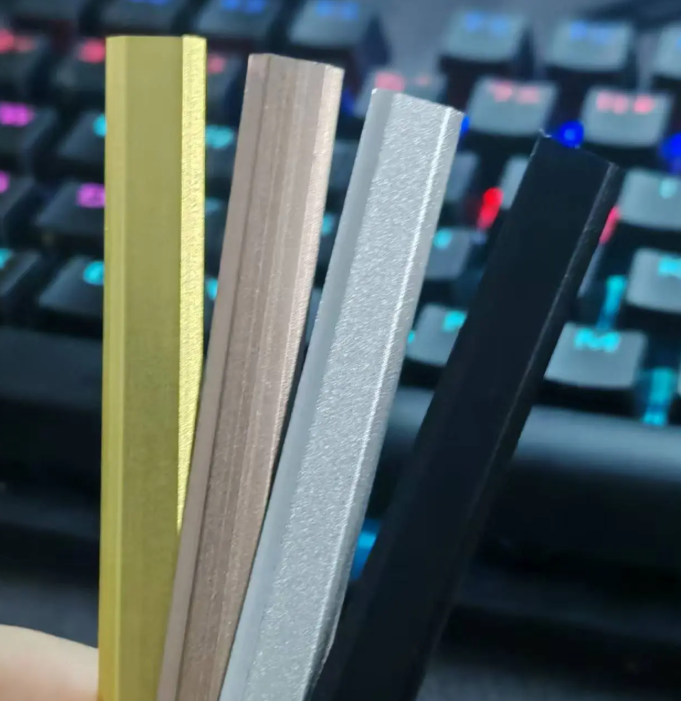
Decorative Aluminum Profiles丨Aluminum Extrusion Trims
The practical recommendation is straightforward: choose anodized aluminum for exposed metallic finishes, interior edge profiles subject to frequent contact, and applications where surface hardness matters. Choose powder-coated aluminum for color-matched architectural trims, decorative edges, and projects requiring a consistent finish across different building materials.
However, the finish alone cannot guarantee performance. Alloy selection, profile design, pretreatment, coating thickness, fabrication quality, and installation conditions all influence the final result.
This guide compares both options using measurable parameters, application examples, and purchasing criteria to help B2B buyers specify the right Aluminum Trims before production begins.
I. Aluminum Trims: What Is the Difference Between Anodizing and Powder Coating?
Before comparing performance, buyers need to understand how each finish is produced. The manufacturing process determines the surface structure, appearance, thickness, and possible failure modes.
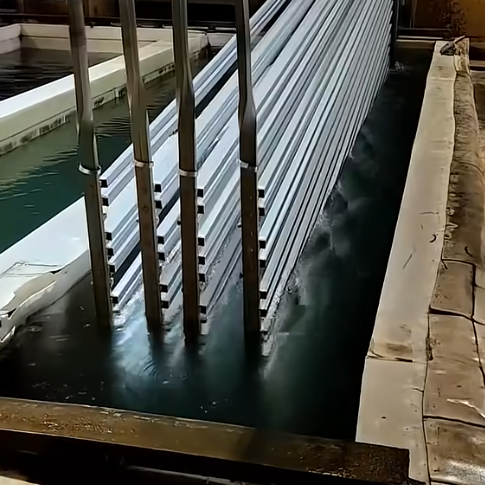
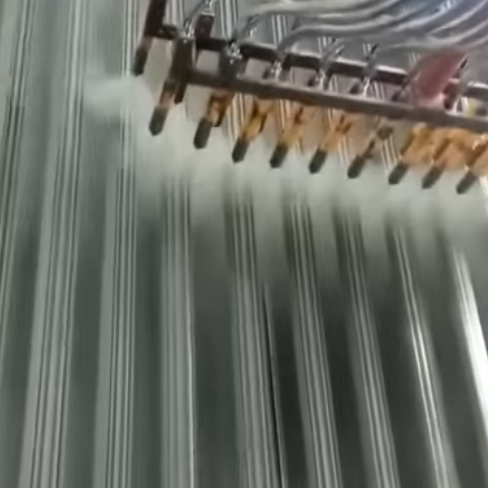
How Anodized Aluminum Trim Edge Is Made?
Anodizing is an electrochemical process that converts the aluminum surface into an aluminum oxide layer. The oxide is grown from the metal itself rather than applied as a separate paint film.
The typical process includes:
- Extruding the aluminum profile.
- Cutting and performing required machining.
- Cleaning and surface preparation.
- Anodizing in an electrolytic bath.
- Coloring, if specified.
- Sealing the anodic layer.
- Inspecting coating thickness, appearance, and sealing quality.
This process is particularly suitable for profiles that need a metallic appearance, such as clear, bronze, or black anodized finishes.
Important purchasing detail: anodizing does not hide extrusion die lines, scratches, or surface defects. If the trim needs a uniform decorative appearance, specify the required mechanical pretreatment, such as brushing or polishing, before anodizing.
How Powder-Coated Aluminum Trims Are Made?
Powder coating applies dry coating powder to the aluminum surface, typically through electrostatic spraying. The profile is then heated to melt and cure the powder into a continuous film.
A typical production sequence is:
- Extrusion and profile preparation
- Cutting and machining, depending on the production plan
- Degreasing and chemical pretreatment
- Powder application
- Oven curing
- Coating thickness and appearance inspection
Powder coating can produce matte, gloss, textured, and color-matched surfaces. It is often the preferred choice when aluminum edge profiles need to match window frames, doors, panels, furniture, or other architectural components.
Unlike anodizing, powder coating can cover minor surface variations. However, it cannot reliably conceal major extrusion defects, deep scratches, or poor profile geometry.
Anodizing vs. Powder Coating: Manufacturing Comparison
| Factor | Anodized aluminum extrusions | Powder-coated aluminum profiles |
|---|---|---|
| Surface process | Electrochemical conversion | Applied and cured polymer coating |
| Typical appearance | Metallic, translucent, natural aluminum look | Solid colors, gloss, matte, texture |
| Common color options | Clear, bronze, black, limited dyed colors | Broad RAL and custom color ranges |
| Surface texture | Extrusion texture remains visible | Can cover minor surface variations |
| Coating structure | Integral oxide layer | Separate coating film |
| Typical thickness | Approximately 5–25 μm, depending on specification | Approximately 50–120 μm, depending on powder and application |
| Dimensional impact | Relatively small | Greater film build; masking may be required |
| Local damage | Does not peel like a separate film | Chips or scratches may expose aluminum |
| Best fit | Metallic architectural and wear-sensitive profiles | Color-critical decorative and architectural profiles |
Thickness ranges are general manufacturing references, not acceptance limits for every project. The specified finish class and supplier process should determine the actual requirement.
II. Anodized Aluminum Trim Edge vs. Powder-Coated Aluminum Trims: Performance Data Buyers Should Compare
A finish comparison becomes useful when it is tied to measurable specifications. Instead of asking a supplier whether a finish is “durable” or “weather-resistant,” procurement teams should ask which standard, coating thickness, test method, and acceptance criteria apply.
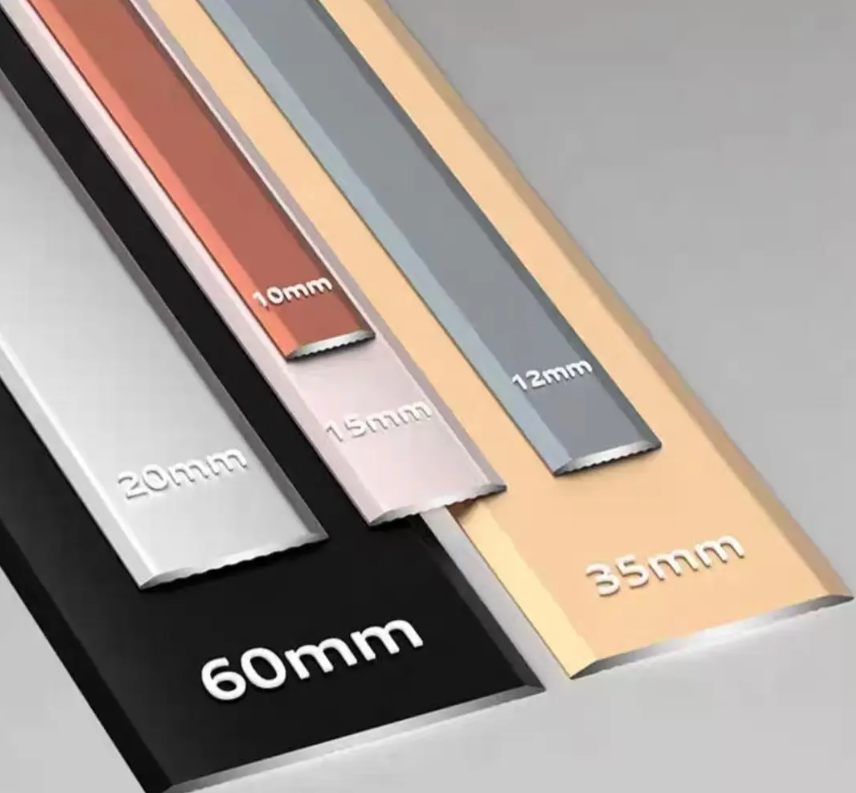
How to Select Architectural Aluminum Divider Reveal Trim: Specs & Finish Guide
Surface Thickness and Dimensional Tolerance
Anodizing generally produces a thinner surface layer than powder coating. This can be an advantage for Aluminum Edge Trim with tight mating dimensions, narrow grooves, snap-fit features, or precision assembly interfaces.
| Parameter | Anodized finish | Powder-coated finish | Buyer consideration |
|---|---|---|---|
| Typical film thickness | 5–25 μm | 50–120 μm | Confirm actual process range |
| Thickness in mm | 0.005–0.025 mm | 0.050–0.120 mm | Include coating in fit calculations |
| Threaded holes | Usually less dimensional impact | May require masking | Specify functional surfaces |
| Narrow slots | Generally easier to preserve | Powder buildup may reduce clearance | Review minimum slot width |
| Sharp corners | Oxide layer follows surface | Film coverage can be reduced at sharp edges | Avoid excessively sharp profile corners |
| Post-finish machining | Can damage anodized layer | Can expose bare aluminum | Plan machining sequence before finishing |
For example, a profile with a 2.0 mm-wide slot may lose some usable clearance after powder coating. If the slot is a functional mounting feature, the drawing should define the required finished dimension rather than relying on the extrusion dimension alone.
Corrosion, UV Exposure, and Wear Resistance
The following table provides a practical specification framework.
| Performance requirement | Anodized aluminum | Powder-coated aluminum |
|---|---|---|
| Abrasion resistance | Strong, especially with appropriate anodic thickness | Depends on coating formulation and cure |
| Scratch behavior | Surface can scratch, but no separate film to peel | Scratch may penetrate the coating film |
| Corrosion protection | Depends on thickness, sealing, alloy, and exposure | Depends on pretreatment, film integrity, and coating system |
| UV stability | Generally excellent for architectural anodic finishes | Depends on resin, pigment, and performance class |
| Color consistency | Alloy and batch can affect appearance | Better suited to controlled color matching |
| Coastal exposure | Requires suitable anodic specification and maintenance | Requires suitable high-performance coating and pretreatment |
| Chemical exposure | Certain acids and alkaline substances can attack the oxide | Resistance depends on the powder chemistry |
For exterior architectural projects, buyers should specify recognized performance standards rather than relying on a supplier’s general statement that the finish is “outdoor grade.”
Relevant standards to consider:
- AAMA 611 — architectural anodized aluminum finishes.
- AAMA 2603 — pigmented organic coatings.
- AAMA 2604 — high-performance organic coatings.
- AAMA 2605 — superior-performing organic coatings.
These standards define performance requirements and test procedures. They are not interchangeable, and a coating thickness alone does not establish compliance.
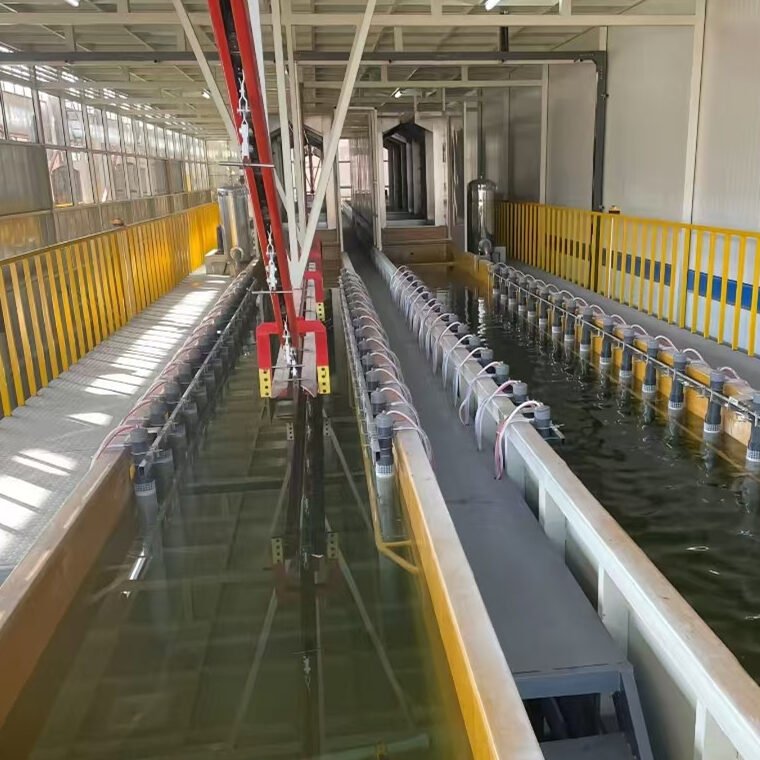
Anodized,PVDF or Powder Coating: Which Aluminum Finish Lasts Longest Near the Sea?
What Do the Coating Standards Mean for B2B Buyers?
| Specification | Typical project consideration |
|---|---|
| Anodized Class II | Commonly specified for interior architectural applications |
| Anodized Class I | Commonly specified for exterior architectural applications |
| AAMA 2603 | General-purpose pigmented coating requirements |
| AAMA 2604 | Higher-performance coating for more demanding exposure |
| AAMA 2605 | Superior-performance coating for demanding architectural exposure |
For a commercial building near the coast, a buyer should not simply request “black anodized” or “black powder coating.” The specification should identify the finish standard, color, gloss, exposure conditions, and inspection requirements.
For powder-coated products, a high-performance architectural coating such as AAMA 2604 or 2605 may be more appropriate than a general-purpose coating, depending on the project requirements. For anodized products, the required architectural class and sealing quality should be stated explicitly.
3. Anodized Extruded Aluminum Trims Edge vs. Powder-Coated Aluminum Trims: Which Finish Fits Your Application?
The best finish depends on what the trim needs to do after installation. A decorative edge profile inside a shopping mall faces different conditions from a trim installed on an exterior façade or in a coastal environment.
Aluminum Surface Finish Comparison
Selecting between Anodized and Powder-Coated Trim Edge Profiles
Metallic Appearance & Wear
Anodized Extruded Aluminum Trims
Optimal Choice When Project Requires:
- A natural aluminum or metallic appearance.
- A surface that maintains the visual character of the extrusion.
- Good abrasion resistance for frequently handled profiles.
- Minimal coating buildup around mating features.
- A finish that does not behave like a separate paint film.
Example: Commercial Interior Wall and Door Trims
A project uses clear anodized aluminum edge profiles around wall panels and door openings in a high-traffic commercial building. The trim is frequently touched, cleaned, and exposed to incidental contact from carts or equipment. A properly specified anodized finish provides a durable metallic appearance without the separate film associated with powder coating.
Recommended Specification Items
| Item | Example Requirement |
|---|---|
| Alloy | 6063 aluminum, temper selected for profile requirements |
| Finish | Clear anodized |
| Finish Class | Architectural Class II for suitable interior use |
| Surface Preparation | Brushed or satin, if required |
| Color Control | Approved physical sample |
| Inspection | Thickness, appearance, sealing, and batch consistency |
* Note: The alloy and finish should be confirmed with the extrusion and finishing supplier before production.
Color Matching & Flexibility
Powder-Coated Aluminum Trims
Optimal Choice When Project Requires:
- A specific RAL or custom color.
- Matching with window frames, doors, or wall panels.
- Matte, gloss, or textured finishes.
- Consistent visual coverage across different profile shapes.
- Decorative colors that are difficult to achieve through anodizing.
Example: Retail Display and Office Partition Systems
A retail brand requires aluminum edge trim in a specific dark gray to match its display fixtures and partition frames. A powder-coated finish allows the buyer to specify a target color and gloss level. The supplier can produce a sample for approval before the full batch is released.
Recommended Specification Items
| Item | Example Requirement |
|---|---|
| Alloy | 6063 aluminum |
| Finish | Powder coating |
| Color | Approved RAL or custom color |
| Gloss | Defined gloss range |
| Coating Class | AAMA 2604 where project exposure requires it |
| Thickness | Supplier process range subject to specified standard |
| Inspection | Color, gloss, adhesion, cure, and film thickness |
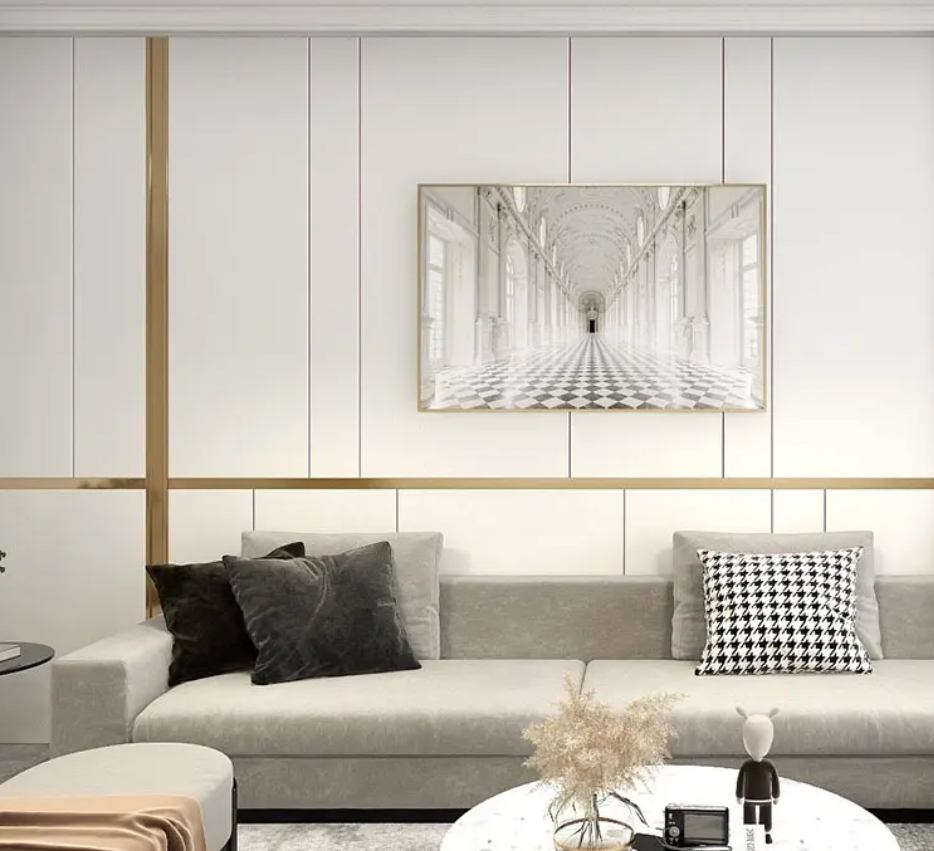
Aluminum Extrusion Divider Reveal Trim | 5/16″ x 1/16″ 6063-T5
Which Finish Should You Choose for Different Projects of Aluminum Edge Trim?
| Application | Recommended finish | Reason |
|---|---|---|
| Interior wall panel edge trim | Anodized | Metallic appearance and wear resistance |
| Door and window trim | Either | Depends on architectural color and finish requirements |
| Retail display profiles | Powder-coated | Custom colors and design flexibility |
| Office partition trims | Powder-coated or anodized | Match surrounding materials |
| Exterior façade edge profiles | Either, with architectural specification | Exposure and design determine the finish |
| Coastal architectural trim | Project-specific high-performance finish | Corrosion exposure requires careful specification |
| Equipment and machine edge profiles | Anodized or powder-coated | Depends on abrasion, color, and chemical exposure |
| Decorative furniture trim | Powder-coated | Broad color and texture options |
Decision rule: if the design calls for visible metallic aluminum, start with anodizing. If the design calls for a specific opaque color, start with powder coating. Then verify that the selected finish meets the project’s exposure and performance requirements.
4. Aluminum Edge Trim Cost, Lead Time, and Total Project Value: Which Finish Is More Economical?
The lowest unit price does not always produce the lowest project cost. For B2B procurement, the comparison should include finishing charges, minimum order quantities, color setup, inspection, packaging, delivery, and the risk of replacing rejected or damaged profiles.
What Affects the Cost of Anodized and Powder-Coated Aluminum Trims?
| Cost factor | Anodized aluminum | Powder-coated aluminum |
|---|---|---|
| Surface preparation | Brushing, polishing, or chemical preparation may add cost | Pretreatment and surface preparation required |
| Color selection | Limited standard colors; special colors may increase cost | Custom colors may require powder purchase or setup |
| Profile complexity | Long profiles and rack arrangement affect processing | Recesses and complex geometry affect coverage |
| Batch size | Color and batch consistency can affect economics | Color changeovers and minimum powder quantities matter |
| Inspection | Thickness, sealing, color, and appearance | Film thickness, color, gloss, adhesion, and cure |
| Rework | Often difficult to repair invisibly | Recoating may be possible, subject to appearance requirements |
| Packaging | Protect against scratches and handling marks | Protect against scratches, dents, and coating damage |
Neither finish is automatically cheaper. The result depends on profile geometry, finish specification, production volume, and the supplier’s finishing process.
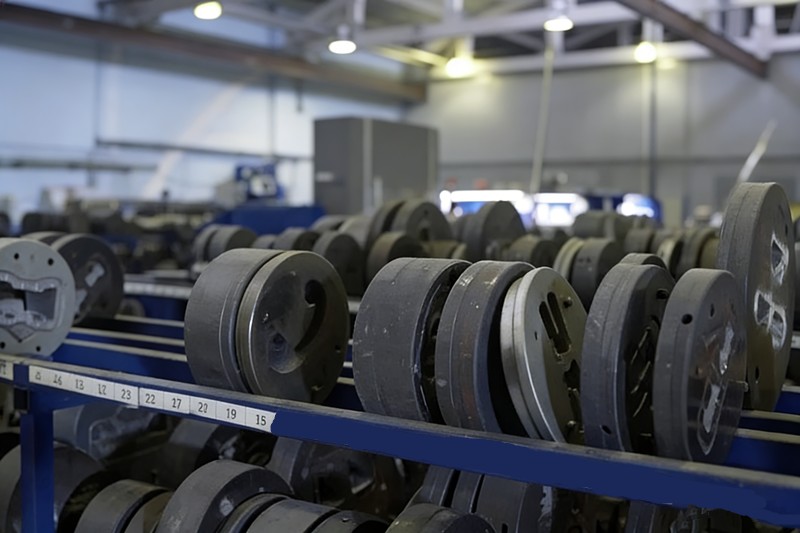
Aluminum Extrusion Die Cost Breakdown:What Affecting Pricing
Example: Comparing Two Finishing Options for a 1,000-Piece Order
Consider a hypothetical order of 1,000 aluminum edge profiles, each 2 meters long.
The following figures are illustrative budgeting assumptions, not market quotations or Vanway Tech prices.
| Cost component | Anodized option | Powder-coated option |
|---|---|---|
| Extruded and machined profile | $4.00/pc | $4.00/pc |
| Finishing cost | $1.20/pc | $1.50/pc |
| Packaging and handling | $0.30/pc | $0.30/pc |
| Total estimated unit cost | $5.50/pc | $5.80/pc |
| Quantity | 1,000 pcs | 1,000 pcs |
| Estimated order total | $5,500 | $5,800 |
In this example, anodizing saves $300 on the order.
However, if the powder-coated version eliminates a separate painting or color-matching operation during installation, the project-level cost may favor powder coating.
The correct comparison is the delivered, finished, accepted product—not just the finishing charge per piece.
Lead Time and Production Planning
Finishing lead time depends on the supplier’s production schedule, profile length, color availability, batch size, and inspection requirements.
For both finishes, buyers should confirm:
- Whether extrusion and finishing are handled in one facility or by subcontractors.
- Whether the requested color is a standard production color.
- Whether samples must be approved before mass production.
- Whether machining takes place before or after finishing.
- Whether the order can be processed in one batch.
- Whether replacement material can match the original production lot.
For color-critical projects, allow time for a physical sample and written approval. A sample approval should include the actual alloy, surface preparation, finish, and gloss level—not merely a color image on a screen.
5. How to Specify and Inspect Aluminum Trims: B2B Supplier Checklist
A good finish specification should be clear enough that two suppliers can quote the same product and the buyer can inspect both against the same requirements.
What to Include in an Aluminum Trim RFQ?
Use the following checklist when requesting quotations from an aluminum extrusion manufacturer.
| RFQ requirement | Information to provide |
|---|---|
| Profile drawing | 2D drawing or 3D CAD file |
| Alloy and temper | Example: 6063-T5, subject to design requirements |
| Profile dimensions | Overall size, wall thickness, critical tolerances |
| Finish type | Anodized or powder-coated |
| Finish specification | Applicable architectural or project standard |
| Color | Clear, bronze, black, RAL, or approved custom sample |
| Surface texture | Mill finish, brushed, satin, matte, or textured |
| Application | Interior, exterior, coastal, industrial, or decorative |
| Order quantity | Initial order and annual forecast |
| Packaging | Protective film, separators, cartons, or custom packing |
| Inspection | Required tests, sampling plan, and acceptance criteria |
How to Inspect Anodized Aluminum Trim Edge
For anodized profiles, buyers should verify:
- Coating thickness using an appropriate method such as ASTM B244.
- Sealing quality using a specified test method, such as ASTM B680 or ISO 3210.
- Surface appearance against an approved sample.
- Color consistency across the production batch.
- Absence of visible burns, stains, powdery areas, and unacceptable handling marks.
The Aluminum Anodizers Council identifies coating thickness, density, and seal integrity as important anodized-finish quality checks.
How to Inspect Powder-Coated Aluminum Trims
For powder-coated profiles, buyers should verify:
- Dry film thickness using an appropriate method, such as ASTM D7091.
- Adhesion using a specified test method, such as ASTM D3359 where applicable.
- Color and gloss against the approved sample.
- Cure quality according to the coating supplier’s process requirements.
- Coverage around edges, corners, grooves, and recessed features.
- Absence of unacceptable pinholes, bubbles, contamination, and coating damage.
For architectural projects, the coating specification should identify the applicable AAMA performance standard and the required inspection criteria.
Common Finish Defects and How to Prevent Them
| Defect | Possible cause | Prevention |
|---|---|---|
| Anodized color variation | Alloy, surface preparation, or batch differences | Approve samples and control alloy and batch |
| Visible extrusion lines | Profile surface condition | Specify brushing or polishing before anodizing |
| Powder coating thin at corners | Sharp edges or poor application coverage | Review corner geometry and coating process |
| Powder coating peeling | Poor pretreatment or curing | Require process control and adhesion inspection |
| Scratches during transport | Inadequate protection | Specify separators and protective packaging |
| Color mismatch between batches | Different finishing lots or powder formulation | Approve color tolerances and retain reference samples |
How Vanway Tech Can Support Custom Aluminum Trim Projects?
For custom Aluminum Trims, the extrusion profile and surface finish should be evaluated together rather than selected separately.
Vanway-Tech丨 Premium Quality Extrueded Aluminum Trim Edge Manufacturer and Exporter From China Since 2015

Vanway Tech can review the profile drawing, alloy and temper requirements, finish selection, machining needs, and order quantity to help determine a practical manufacturing route.
For an RFQ, you should provide:
- 2D drawings or 3D CAD files.
- Application and installation environment.
- Required alloy and mechanical properties.
- Finish type, color, and surface texture.
- Critical dimensions and assembly requirements.
- Initial order quantity and annual demand.
The goal is to confirm that the selected profile can be extruded, finished, inspected, and delivered to the required specification—not simply to quote a surface treatment.
Planning a custom aluminum trim project? Send your 2D drawing or 3D CAD file, material preference, finish requirements, application details, and estimated order quantity to Vanway Tech for a profile and manufacturing review.
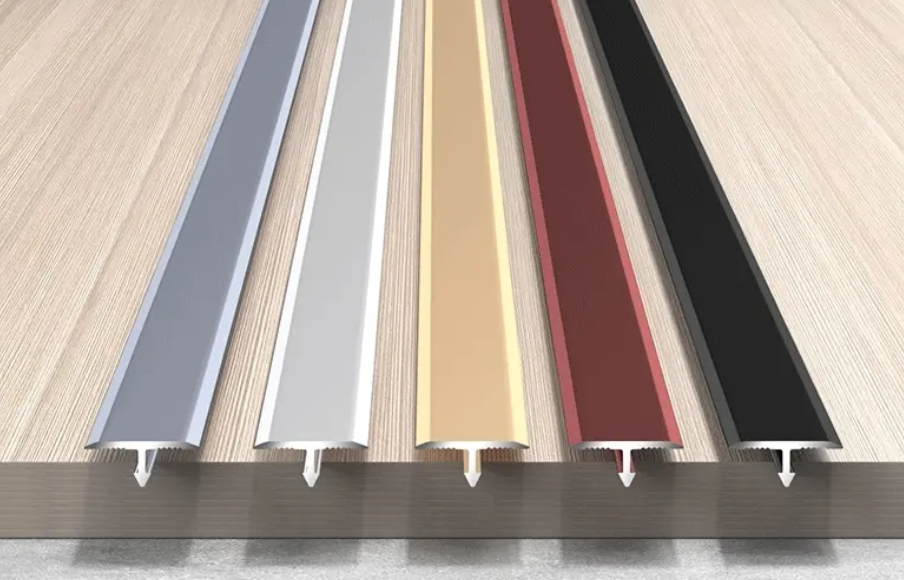
25mm Straight Shape Brushed Aluminum Edge Trim Profiles
Anodized vs. Powder-Coated Aluminum Trims — The Final Recommendation
For most projects, anodizing is the preferred choice for metallic aluminum finishes, surface wear resistance, and applications where minimal coating buildup matters.
Powder coating is the preferred choice for color-matched architectural trims, decorative profiles, and projects that require a broader range of colors and textures.
Aluminum Surface Finish Selection
Choose the optimal treatment based on your project requirements and design specifications
Metallic & Precise
Choose anodized aluminum when:
- A natural metallic appearance is important.
- The profile will experience regular handling or abrasion.
- Tight dimensional features must be preserved.
- The design calls for clear, bronze, or black anodized finishes.
Color & Flexibility
Choose powder-coated aluminum when:
- A specific RAL or custom color is required.
- The trim must match doors, windows, panels, or furniture.
- Matte, gloss, or textured finishes are part of the design.
- The project prioritizes color consistency and decorative flexibility.
For exterior and coastal applications, specify the appropriate architectural performance standard and confirm that the finish system matches the actual exposure conditions.
The best purchasing decision is to approve the alloy, profile geometry, finish specification, color sample, and inspection criteria together before mass production. This approach helps reduce color disputes, coating defects, assembly problems, and unnecessary replacement costs.
FAQs About Aluminum Trims
Q1. Is anodized aluminum trim better than powder-coated aluminum trim?
A: Anodized aluminum is generally better for metallic appearance, abrasion resistance, and applications where a thin finish is preferred. Powder-coated aluminum is generally better for custom colors, decorative textures, and matching architectural components. The better option depends on the project requirements.
Q2. Which finish is more durable for exterior aluminum edge trim?
A: Both finishes can perform well outdoors when properly specified. Anodized Class I finishes are commonly used for exterior architectural aluminum. Powder coatings meeting AAMA 2604 or AAMA 2605 may be suitable for demanding exterior applications, depending on exposure and project requirements.
Q3. Does anodized aluminum trim scratch easily?
A: Anodized aluminum has a hard oxide surface with good abrasion resistance. It can still be scratched by sharp objects or damaged by harsh chemicals. The appropriate anodic thickness and surface preparation should be selected for the intended application.
Q4. Can powder-coated aluminum trims be used in coastal environments?
A: Yes, provided the coating system is selected for the exposure conditions. Buyers should specify suitable pretreatment, an appropriate architectural coating standard, and inspection requirements. Salt exposure, moisture, and maintenance conditions should be considered before selecting the finish.
Q5. Which finish offers more color options for custom aluminum edge trim?
A: Powder coating offers substantially more color and texture flexibility, including RAL colors and custom color matching. Anodizing is more suitable for metallic finishes such as clear, bronze, and black, although other anodized colors are available.
Q6. Does powder coating affect aluminum trim dimensions?
A: Yes. Powder coating typically creates a thicker film than anodizing and may reduce clearances in narrow slots, grooves, and mating features. Buyers should specify finished dimensions and identify areas that require masking.
Q7. Can anodized and powder-coated aluminum trims be supplied in the same project?
A: Yes. A project can use anodized profiles in areas where a metallic appearance is required and powder-coated profiles where color matching is important. However, you should approve samples and verify visual compatibility before production.
Q8. What should B2B buyers provide when requesting a quotation for custom Aluminum Trims?
A: Provide a profile drawing or CAD file, alloy and temper requirements, finish type, color, surface texture, application environment, critical dimensions, order quantity, and packaging requirements. These details help the manufacturer recommend a suitable extrusion and finishing process and prepare a more accurate quotation.
Related Articals You May Interested In
How to make your Aluminum Solar Panel Frame more cost-effective in 2026?
Skived vs. Forged vs. Forged Aluminum Heat Sinks – Sourcing the Right Aluminum Heat Sink
Top-Rated Custom Extruded Aluminum Heat Sink Suppliers in USA & Canada in 2026
How to make your solar module frame aluminum extrusions more cost-effective?
Top 10 Custom PV Module Aluminum Frame Extruders in Gujarat & India (2026)
Aluminum Extrusion Die Cost Breakdown:What Affecting Pricing
Aluminum Extrusion Sourcing: How Mastering MOQ Unlocks 15%+ Procurement Savings
7 Costly Custom Aluminum Extrusion Sourcing Mistakes Suppliers Won’t Tell You


Contact With Vanway Tech Team for Premium Aluminium Extrusion Products!
Enquire with UsConnect with Vanway Tech Team for Premium Aluminium Extrusion Products.
Contact InfoWe are looking forward to hearing from you!
-
Email: info@vanway-tech.com
-
Address: No. 588, Wuyi South Road, CSJ Moldware Town, Wujin, Changzhou, Jiangsu, China
Scan Below Codes to Contact Us Immediately.