Vanway Precision Materials Tech Co.,Ltd


Aluminum Extrusion Process: Comprehensive Guide & Extrusion Methods
Aluminum Extrusion Process – A Guide to its Effective Methods
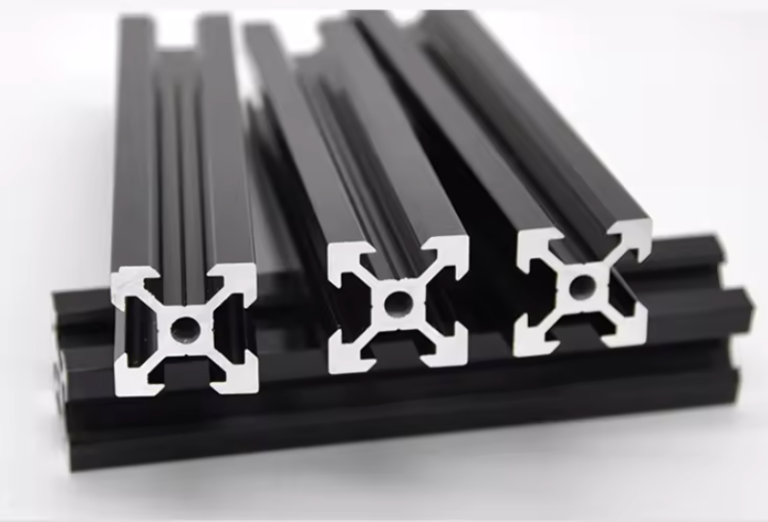
Aluminum extrusion is a key manufacturing process that turns aluminum billets into complex, high-performance aluminum profiles used in industries worldwide. Vanway-Tech pushes heated aluminum alloys through carefully designed extrusion dies. This creates uniform shapes with a strong strength-to-weight ratio and flexible designs that other metalworking methods can’t match.These cost-effective properties make the aluminum extrusion process ideal for various custom manufacturing projects.
1. Understanding Aluminum Extrusion:
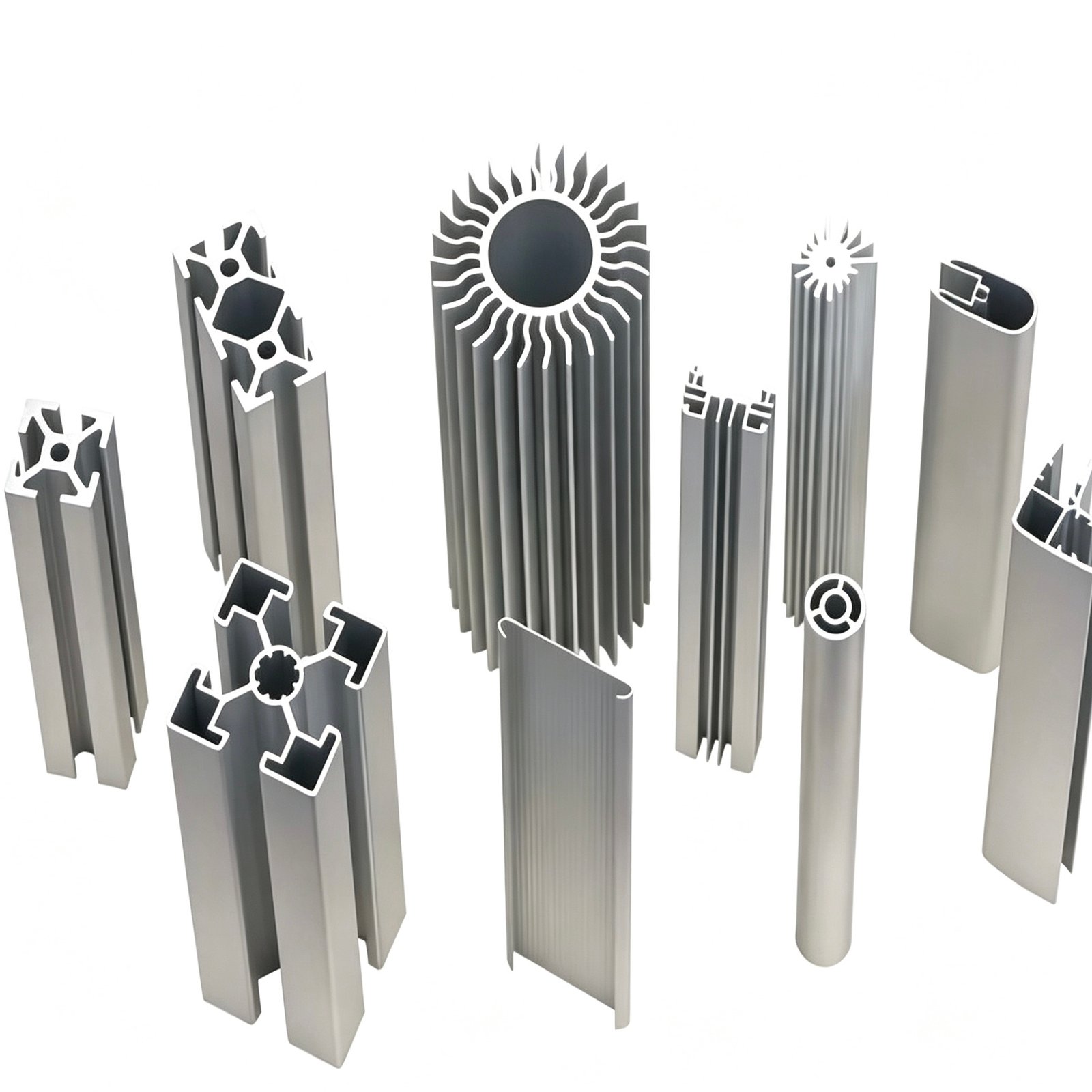
Aluminum extrusion works on a simple but powerful idea: manufacturers heat aluminum alloys to a soft, easy-to-shape state (400–500°C) and use hydraulic pressure (100 to 15,000 tons) to push them through an extrusion die. The result is long, continuous aluminum profiles that stay strong while offering flexible designs—from basic rods to detailed shapes with grooves, flanges, or snap-together joints.
Key advantages that make it widely used include:
- Resists rust well and is easy to recycle
- Better strength-to-weight ratio (3x stronger than steel for the same weight)
- Accurate size (size accuracy within ±0.2mm)
- Saves money for both large-scale and custom production
- Works well with surface treatments (anodizing, painting, powder coating)
2. Effective Aluminum Extrusion Methods:
The right extrusion method depends on material needs, how complex the aluminum profile is, and how much you need to produce. Below are the most common techniques, compared by key details:
| Extrusion Method | Temperature Range | Pressure Requirements | Key Advantages | Typical Applications |
| Hot Extrusion | 400–540°C (changes with aluminum alloy/wall thickness) | 100–15,000 tons | Fast production; great for complex aluminum profiles; works with all aluminum alloys | Building facades, car structural parts, solar panel frames |
| Cold Extrusion | Room temperature (20–25°C) | 500–10,000 tons | Smooth surface; stronger and more durable; little extra work needed after production | Precision electronics parts, aerospace fasteners, medical devices |
| Continuous Extrusion | 350–450°C | 200–5,000 tons | Make aluminum profiles as long as needed; little material waste (%); saves energy | Industrial conveyor systems, building railings, heat exchanger tubes |
| Hydrostatic Extrusion | 300–400°C | Up to 100,000 psi | Material flows evenly; no surface friction; perfect for thin-walled aluminum profiles | Aerospace structural parts, high-precision tubing, defense components |
Table 1: Comparison of Primary Aluminum Extrusion Methods
2.1 Step-by-Step Hot Extrusion Process
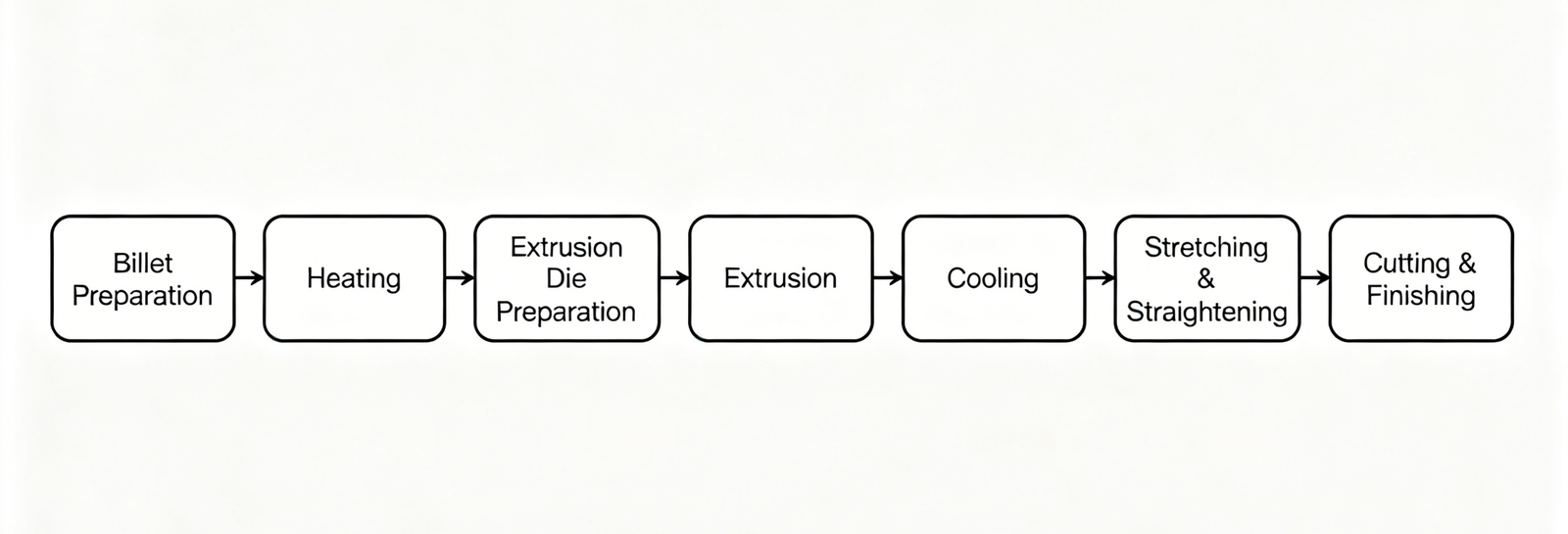
Hot extrusion is used for over 80% of industrial jobs because it’s so versatile. Manufacturers follow these simple steps:
- Billet Preparation: Workers cut aluminum ingots into cylindrical aluminum billets (usually 200–600mm wide) and check for surface damage.
- Heating: Manufacturers heat aluminum billets evenly to 440–540°C (thinner aluminum profiles need lower temperatures) to make them soft enough to shape without melting.
- Extrusion Die Preparation: Engineers design extrusion dies with CAD software, heat them to 430–490°C, and attach them to the extrusion press. Large extrusion dies with multiple cavities need 5+ hours of preheating.
- Extrusion: Workers load the heated aluminum billet into a container, and a hydraulic ram pushes with pressure (210+ bar) to force the aluminum alloy through the extrusion die.
- Cooling: Manufacturers cool aluminum profiles quickly with water or air to 200°C within 2 minutes to lock in their strength and durability.
- Stretching & Straightening: Workers stretch aluminum profiles slightly (0.5–2% longer) to fix warping and make sure they’re straight.
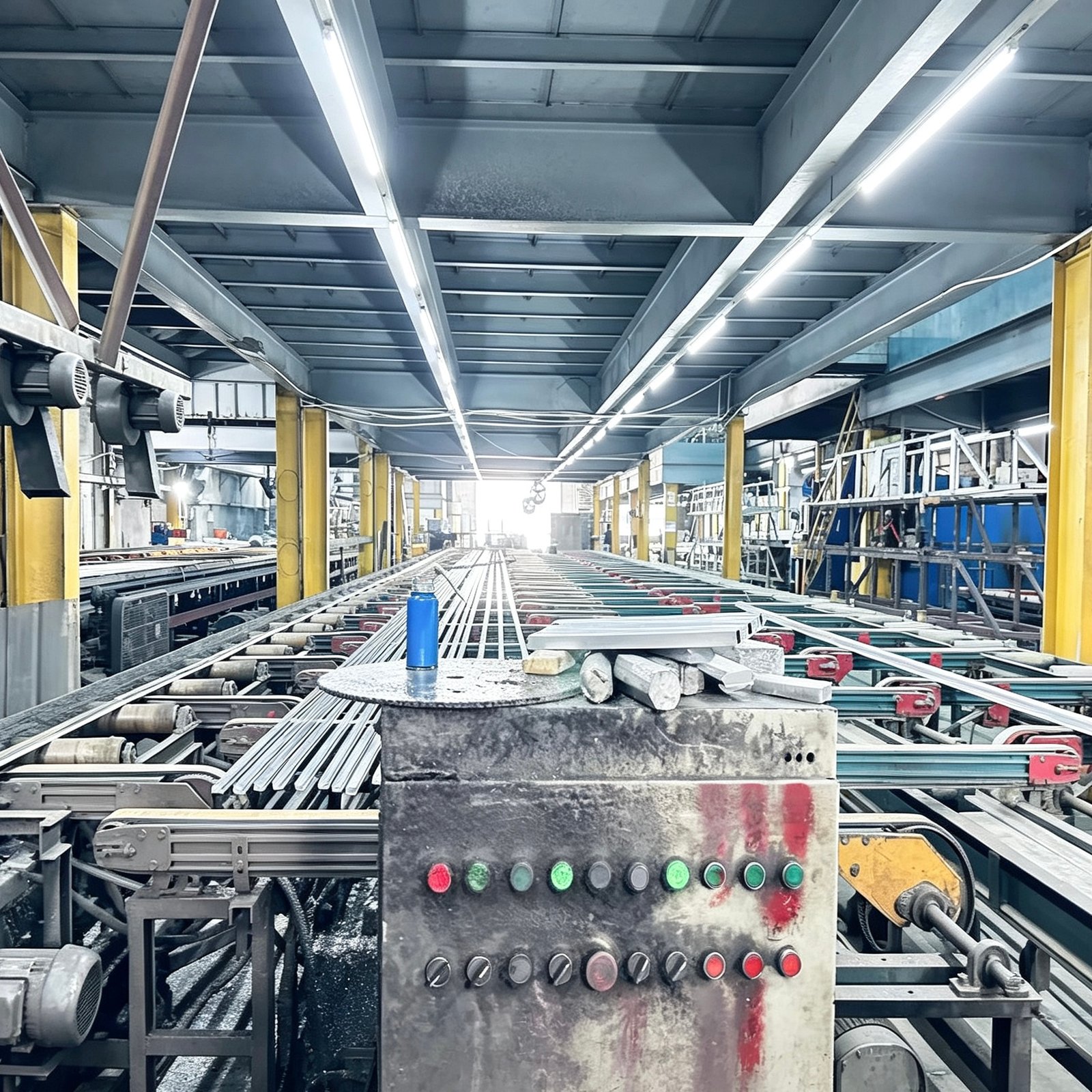
- Cutting & Finishing: Teams cut aluminum profiles to the desired length (up to 12 meters) and add surface treatments or heat to make them stronger.
2.2 Quality Control in Extrusion
Following international standards like ISO 6362-1:2022 is key for consistent quality.Manufacturers use these simple checks:
- Monitor temperature in real time (stays within ±10°C)
- Check size accuracy down to tiny microns (using laser scanners)
- Do quick chemical tests to check material composition (takes 30 seconds)
- Look for surface damage (with ultrasonic tools or by eye)
- Test strength and rust resistance (pulling strength, corrosion tests)
3. Real-World Manufacturer Case Studies
Top aluminum extruders use special techniques to solve industry-specific problems. Below are three standout examples:
| Manufacturer | Main Strength | New Process Ideas | Application Case | Key Results |
| Constellium (Europe) | Aerospace-grade extrusion | Better extrusion die design; improved 7075 aluminum alloy | Airbus A350 | Supplied 800+ tons of structural aluminum profiles; achieved ±0.2mm size accuracy; made planes 8% more fuel-efficient |
| UACJ Whitehall (USA) | Lightweight parts for cars | Combined extrusion and heat treatment line; precise cooling systems | Electric Vehicle Battery Trays | Made parts 30% lighter; improved heat transfer by 25%; meets ISO 12100 safety standards |
| Fenglu Aluminum (China) | Large-scale extrusion for infrastructure | Rust-resistant aluminum alloy; finish that resists salt spray for 1000 hours | Hong Kong-Zhuhai-Macao Bridge | Supplied rust-resistant aluminum profiles for railings and structures; withstood strong typhoon winds (180km/h); 99.6% of products passed quality checks |
Table 2: Leading Manufacturers’ Extrusion Innovations
3.1 Case Study Deep Dive: Alcoa (USA)
Alcoa shows how to do flexible, high-volume extrusion for different industries:
- Process: Uses 500–3000-ton extrusion presses with built-in cooling systems to make custom aluminum profiles for aerospace and renewable energy projects.
- Innovation: Patented extrusion die technology cuts material waste by 18%; improved 6061 aluminum alloy lasts longer for outdoor use.
- Application: Supplies aluminum profiles for Tesla’s battery cooling systems, which transfer heat 25% better than traditional materials.
- Quality Assurance: Uses laser scanners to check aluminum billets and finished profiles; 99.7% of products pass ASTM International specifications.
4. Key Application Areas for Extruded Aluminum
Extruded aluminum profiles are core parts in six major industries, each using the process’s unique benefits:
4.1 Construction & Architecture
- Products: Curtain wall supports, window frames, ceiling grids, structural parts
- Process Preference: Hot extrusion (for complex aluminum profiles) + anodized finish
- Notable Projects: 111 S. Wacker Drive (Chicago) – 1 million pounds of thermally improved aluminum profiles for curtain walls and elevator cabs; Dubai Tower – weather-resistant framing aluminum profiles
- Benefits: 40% lighter than steel; resists salt spray for 1000 hours; easy to make curved shapes
4.2 Automotive & Transportation
- Products: Battery cases, crash rails, roof racks, heat exchanger tubes
- Process Preference: Cold extrusion (for precision) + hydroforming
- Trends: EV makers (Ford, GM) use more aluminum alloys to make cars go 10–15% farther on a charge
- Benefits: Lighter vehicles (15–40% weight reduction); better fuel efficiency; safer in crashes
4.3 Aerospace & Defense
- Products: Aircraft structural parts, satellite frames, missile casings
- Process Preference: Hydrostatic extrusion (for even material flow) + heat treatment
- Standards: Meets AMS 4131 (aerospace aluminum alloy rules)
- Benefits: Strong but light; works in extreme temperatures (-50°C to 150°C)
4.4 Renewable Energy
- Products: Solar panel mounting brackets, wind turbine parts, battery cooling systems
- Process Preference: Continuous extrusion (for long aluminum profiles)
- Case: NREL research shows aluminum profiles cut solar installation costs by 20% compared to steel
- Benefits: Resists rust (lasts 25 years); easy to assemble; recyclable
4.5 Electronics & Consumer Goods
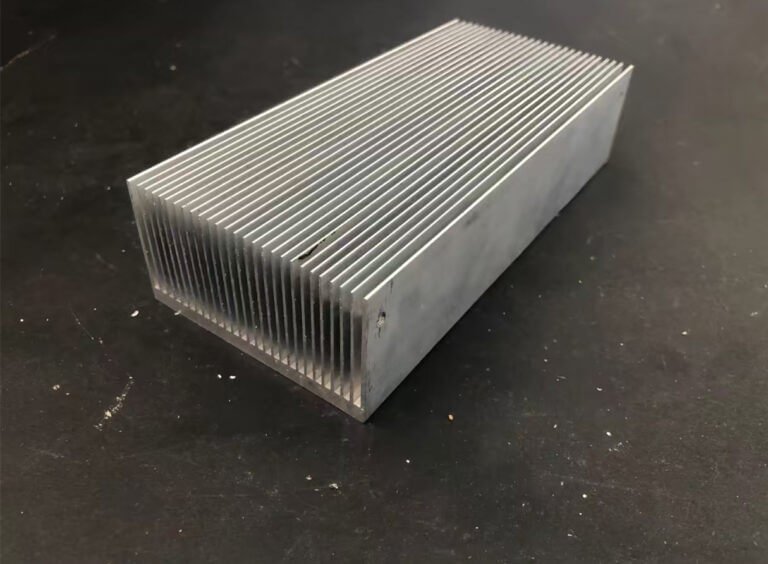
- Products: Heat sinks, laptop frames, furniture parts, display stands
- Process Preference: Cold extrusion (for smooth surfaces) + precise cutting
- Benefits: Moves heat well; looks sleek; affordable to customize
| Industry | Typical Extrusion Method | Key Aluminum Alloys | Core Performance Needs |
| Construction | Hot Extrusion | 6063, 6061 | Resists rust, good thermal performance |
| Automotive | Cold/Hydrostatic | 6082, 7075 | Strong, resists impact |
| Aerospace | Hydrostatic | 7050, 2024 | Resists fatigue, stays the right size |
| Renewable Energy | Continuous | 6005A, 6060 | Durable, lightweight |
| Electronics | Cold Extrusion | 6063, 6013 | Moves heat well, smooth surface |
Table 3: Industry-Specific Extrusion Requirements

5. Selecting the Right Aluminum Extrusion Partner: Key Considerations
When choosing an aluminum extrusion manufacturer, look at these important factors:
- Process Capabilities: Make sure they offer the method you need (hot/cold/continuous) and have the right press size to make your aluminum profiles.
- Material Expertise: Check if they have experience with your target aluminum alloys (6000-series for general use, 7000-series for extra strength).
- Extrusion Die Capabilities: See if they can design custom extrusion dies for complex aluminum profiles.
- Quality Certifications: Look for ISO 6362-1:2022, aerospace (AS9100), or automotive (IATF 16949) certifications.
- Customization Flexibility: Check if they can handle small production runs and adjust aluminum billet sizes.
- Sustainability Practices: Choose manufacturers that use recycled aluminum alloys (cuts carbon footprint by 95% compared to new aluminum).
- Supply Chain Stability: Find out their production capacity and how long it takes to get products (industry average: 4–6 weeks for custom aluminum profiles).
6. Future Trends in Aluminum Extrusion
The industry is changing to meet sustainability and performance needs:
- Smart Extrusion: IoT sensors watch aluminum billet heating and extrusion die pressure in real time (cuts waste by 15–20%)
- Eco-Friendly Alloys: New low-carbon aluminum alloys (e.g., Hydro’s CIRCAL alloy with 75% recycled content)
- 3D-Printed Extrusion Dies: Quick prototyping of complex aluminum extrusion dies reduces wait times from weeks to days
- Integrated Manufacturing: Combining extrusion and 3D printing to make hybrid aluminum profiles
Conclusion
Aluminum extrusion’s flexibility, efficiency, and sustainability make it essential across industries. By understanding effective methods—from hot extrusion for buildings to hydrostatic extrusion for aerospace—and working with skilled manufacturers, you can use this process to create strong, affordable aluminum profiles. According to resources from The Aluminum Association, advances in extrusion will keep driving innovation in lightweight design, renewable energy, and green building—securing its place as a key part of modern manufacturing.Understanding the aluminum extrusion method allows businesses to choose the right alloy, press, and finish for high-precision manufacturing.
Contact With Vanway Tech Team for Premium Aluminium Extrusion Products!
Enquire with UsConnect with Vanway Tech Team for Premium Aluminium Extrusion Products.
Contact InfoWe are looking forward to hearing from you!
-
Email: info@vanway-tech.com
-
Address: No. 588, Wuyi South Road, CSJ Moldware Town, Wujin, Changzhou, Jiangsu, China
Scan Below Codes to Contact Us Immediately.