Vanway Precision Materials Tech Co.,Ltd


Custom Extruded Aluminum Enclosures丨Durable Electronic Housing
What is Extruded Aluminum Enclosure?
Aluminum Enclosure Extrusions
An extruded aluminum enclosure is a precision extruded aluminum profile tailored for housing sensitive electronic, electrical, and mechanical components. Primarily made of 6063-T5 aluminum alloy, it acts as a protective casing, a modular chassis frame, a heat-dissipating shell, and a customized equipment housing. Featuring excellent thermal conductivity, corrosion resistance, high structural rigidity, and a seamless surface finish option (such as anodizing or powder coating), it is widely used in industrial automation, telecommunications, and power electronics with a customizable cross-section and precision CNC machining.
What Are The Advantages of Extruded Aluminum Enclosures?
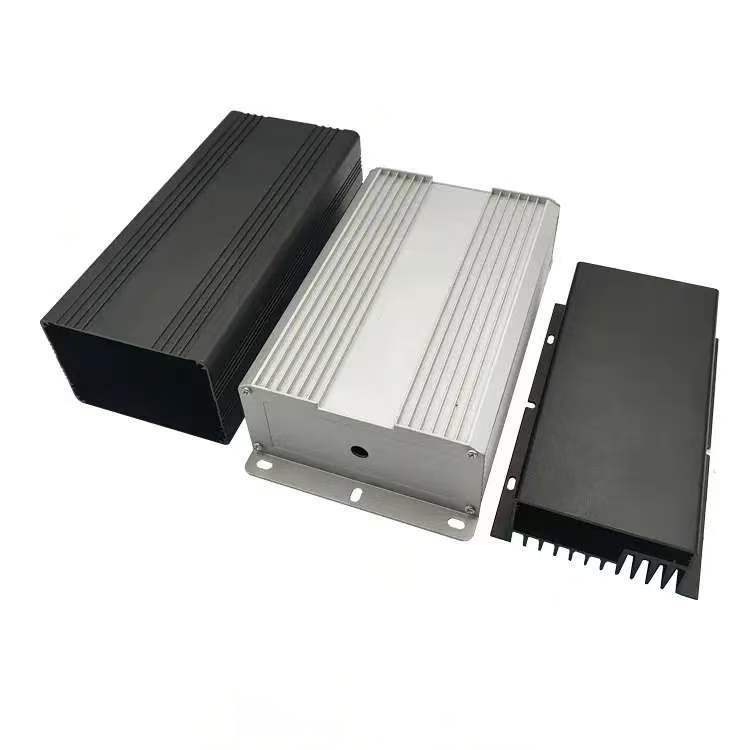
| Parameters | Specifications | Notes |
|---|---|---|
| Alloy & Temper | 6063-T5 (standard), 6061-T6 (high-strength), 6101-T6 (busbar) | 6063-T5: optimal thermal/electrical conductivity for general electrical enclosures ; 6061-T6: vibration-resistant for industrial/automotive power systems |
| Thermal Conductivity | 190-210 W/m·K (6063-T5); 180-190 W/m·K (6061-T6) | Ensures efficient heat dissipation for power electronics, inverters, and LED drivers |
| Electrical Conductivity | 53-56% IACS (6063); 40-44% IACS (6061); 55-58% IACS (6101) | Supports low-resistance busbars, grounding systems, and electrical connections |
| Tensile Strength | 180-220 MPa (6063-T5); 260-310 MPa (6061-T6) | 6061-T6 withstands heavy loads in electrical cabinet frames and battery housings |
| Dimensional Tolerance | ISO 2768-m (standard); ±0.1mm (precision) | Ensures tight assembly with busbars, circuit breakers, and electrical modules |
| Surface Finishes | Clear anodize (15-25μm); black anodize; powder coat | Black anodize enhances heat radiation + 48h salt spray resistance for outdoor electrical equipment |
| Max Extrusion Width | 10-600mm (customizable) | Accommodates large electrical enclosures and compact control panels |
| Certifications | ISO9001, RoHS, CE compliant | Meets global import and industrial electronic safety standards |
| MOQ & Lead Time | Standard profiles: 100pcs; Custom: 50kg. Lead time: 7–15 days | Low trial MOQ with stable mass production supply from original factory |
Best Seller
Extruded Aluminum Enclosures – Electrical Enclosures
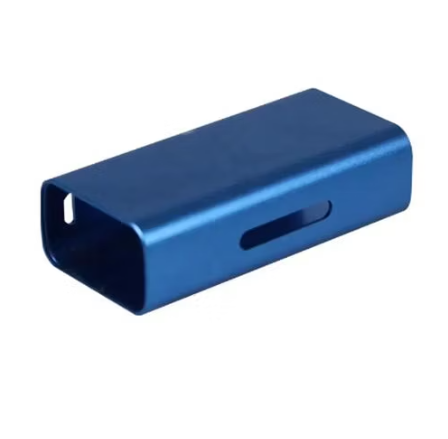
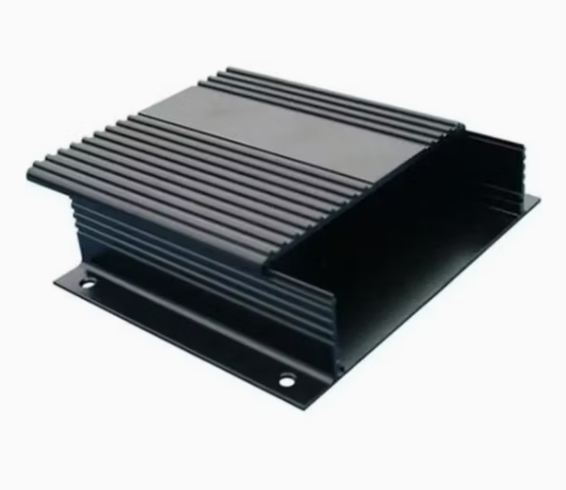
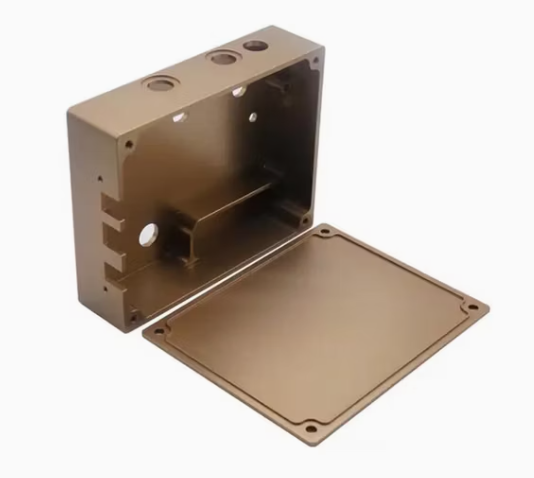
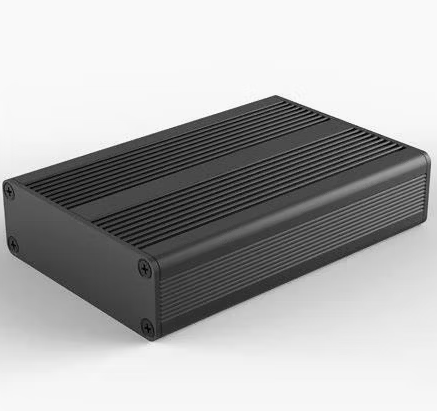
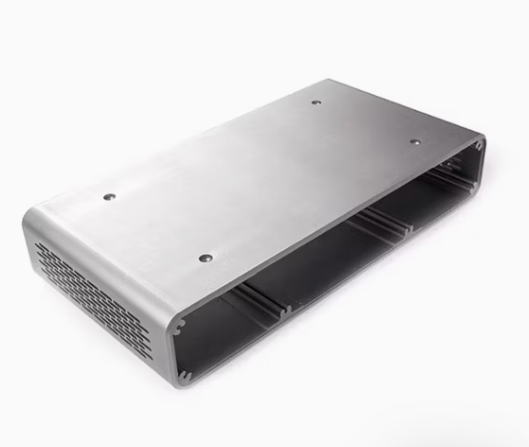
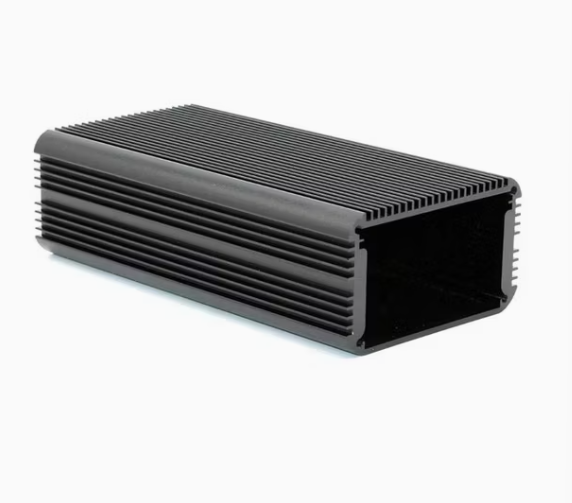
Why Is Aluminum Extrusion a Superior Choice for Electronic Enclosure Housings?
In modern industrial control, new energy systems, and precision electronic manufacturing, selecting the right enclosure material directly dictates a system’s thermal efficiency, protection level, and overall service life. Outperforming traditional steel, cold-rolled sheet metal, and plastic alternatives, 6063-T5 aluminum extrusions deliver an unmatched combination of lightweight strength, superior thermal dissipation, and high precision—making them the ideal solution for next-generation electronic cabinets and enclosures.
Lightweight Design with Exceptional Strength
Compared with steel, ABS plastic, and cold-rolled sheet metal, aluminum extrusions offer the ideal balance of high strength and low weight. Crafted from 6063-T5 aluminum alloy, they are up to 60% lighter than steel enclosures while maintaining equal rigidity. Consequently, this weight reduction cuts transportation and installation costs by nearly 30%.
Superior Thermal Management for Sensitive Electronics
Furthermore, their high thermal conductivity (160–200 W/m·K) vastly outperforms ABS plastic (0.2 W/m·K) and cold-rolled steel (50 W/m·K). As a result, heat transfers rapidly away from power circuits, preventing overheating and keeping industrial electronics operating safely between 40–60°C.
Advanced Corrosion Protection for Harsh Environments
In addition, an anodized surface layer (10–25 μm) enables these profiles to pass a 48-hour salt spray test with zero corrosion. Therefore, unlike uncoated steel that rusts within 24 hours, anodized aluminum extrusions thrive in humid, outdoor, or chemically harsh settings.
High Customizability and Precision Machining
Moreover, custom slots, channels, and mounting holes can be extruded in a single pass with tight tolerances (±0.1 mm). Coupled with CNC milling speeds 30% faster than steel, they effortlessly host complex components like circuit breakers, inverters, and sensors that molded plastic shells fail to accommodate.
EMI Shielding and Long-Term Sustainability
Finally, aluminum extrusions deliver essential EMI shielding (CISPR 22 Class B) for power distribution systems while remaining 100% recyclable. Offering a 20–30 year lifespan—double that of ABS plastic enclosures—they stand as the ultimate solution for industrial control cabinets, new energy inverter boxes, and modern electronic equipment.
Lightweight Design with Exceptional Strength
Compared with steel, ABS plastic, and cold-rolled sheet metal, aluminum extrusions offer the ideal balance of high strength and low weight. Crafted from 6063-T5 aluminum alloy, they are up to 60% lighter than steel enclosures while maintaining equal rigidity. Consequently, this weight reduction cuts transportation and installation costs by nearly 30%.
Superior Thermal Management for Sensitive Electronics
Furthermore, their high thermal conductivity (160–200 W/m·K) vastly outperforms ABS plastic (0.2 W/m·K) and cold-rolled steel (50 W/m·K). As a result, heat transfers rapidly away from power circuits, preventing overheating and keeping industrial electronics operating safely between 40–60°C.
Advanced Corrosion Protection for Harsh Environments
In addition, an anodized surface layer (10–25 μm) enables these profiles to pass a 48-hour salt spray test with zero corrosion. Therefore, unlike uncoated steel that rusts within 24 hours, anodized aluminum extrusions thrive in humid, outdoor, or chemically harsh settings.
High Customizability and Precision Machining
Moreover, custom slots, channels, and mounting holes can be extruded in a single pass with tight tolerances (±0.1 mm). Coupled with CNC milling speeds 30% faster than steel, they effortlessly host complex components like circuit breakers, inverters, and sensors that molded plastic shells fail to accommodate.
EMI Shielding and Long-Term Sustainability
Finally, aluminum extrusions deliver essential EMI shielding (CISPR 22 Class B) for power distribution systems while remaining 100% recyclable. Offering a 20–30 year lifespan—double that of ABS plastic enclosures—they stand as the ultimate solution for industrial control cabinets, new energy inverter boxes, and modern electronic equipment.
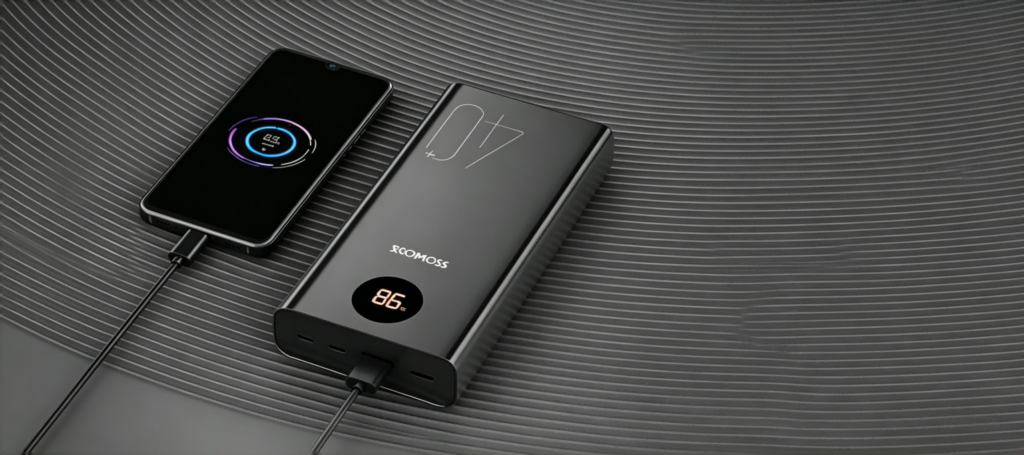
Why choose Vanway Tech as the preferred supplier for the Custom Extruded Aluminum Enclosures?
We work to an extremely high standard of customer satisfaction
Professional ManufacturingAs a national specialized & refined enterprise with abundant technical patents, Vanway Tech masters precision aluminum extrusion technology, ensuring stable structural performance of electrical profiles.
Authoritative CertificationsVanway Tech’s products comply with ISO9001, ISO14001 and RoHS standards. Strict quality control and dimensional tolerance meet global safety requirements for electrical equipment.
Flexible CustomizationVanway Tech provides full custom services on profile shapes, internal slots, sizes and surface finishes to fit diversified electrical enclosure and power system demands
Stable Global SupplyWith mature overseas logistics, stable production capacity and on-demand technical support, we guarantee on-time global delivery and long-term cooperative supply.
How to Choose the Appropriate Electrical Aluminum Extrusions for Your Power Control And New Energy Electrical Systems?
We Provide Reliable Services
Step 1: Determine Application ScenariosClarify your usage scenarios first, including electrical cabinets, busbar structures, or new energy battery enclosures to orient basic profile selection.
Step 2: Select Proper Alloy GradeChoose 6063-T5 for common electrical shells, 6101-T6 for high-conductivity busbars, and 6061-T6 for vibration-resistant heavy-duty power equipment.
Step 3: Check Electrical ParametersVerify electrical conductivity, insulation compatibility and mechanical strength to guarantee safe power transmission and stable circuit operation.
Step 4: Match Structural DimensionsConfirm profile size, built-in slots and mounting structure. Custom extruded shapes fit internal components and equipment assembly space.
Step 5: Choose Surface TreatmentAdopt anodizing for indoor anti-corrosion, or powder coating for outdoor harsh environments with qualified salt spray resistance performance.
Step 6: Verify Supplier QualificationConfirm ISO/RoHS certifications, CNC machining service, reasonable MOQ, stable production capacity and on-time global delivery support.
FAQs
Frequently Asked Questions of Electronic Aluminum Enclosure Housings.
Q: Are your electrical aluminum extrusions compliant with global industrial safety standards?
A: Absolutely. Our products meet ISO9001, ISO14001 and RoHS certifications. They satisfy international safety requirements for power distribution, EV systems and industrial control cabinet housings.
Q: Can your extruded aluminum profiles be used for energy storage enclosures?
A: Yes. Our profiles feature great structural rigidity, heat dissipation and corrosion resistance. They are ideal for EV energy storage cabinets, battery system housings and new energy power control equipment.
Q: Can electrical aluminum extrusions be machined for mounting and wiring slots?
A: Yes. We support integrated slot extrusion, CNC drilling, tapping and cutting services. Custom wiring grooves and mounting holes fit internal electrical components perfectly.
Q: Are your extruded aluminum profiles suitable for new energy cabinet housings?
A: Yes. With high structural rigidity, excellent heat dissipation and anti-deformation performance, they are widely applied in EV control boxes, photovoltaic cabinets and energy storage system enclosures.
Aluminum Enclosure Housings
Connect with Vanway Tech Team for Premium Extruded Aluminum Enclosure Products!
Enquire with UsConnect with Vanway Tech Team for Premium Aluminium Extrusion Products.
Contact InfoWe are looking forward to hearing from you!
-
Email: info@vanway-tech.com
-
Address: 15F, Block 2, Wanda Plaza,Hutang Town,Wujin District,Changzhou,Jiangsu,China
Scan Below Codes to Contact Us Immediately.