Vanway Precision Materials Tech Co.,Ltd


Premium Modular Robot Aluminum Profile for Automation Systems
PRODUCT PARAMETERS
Description
Premium Modular Robot Aluminum Profile
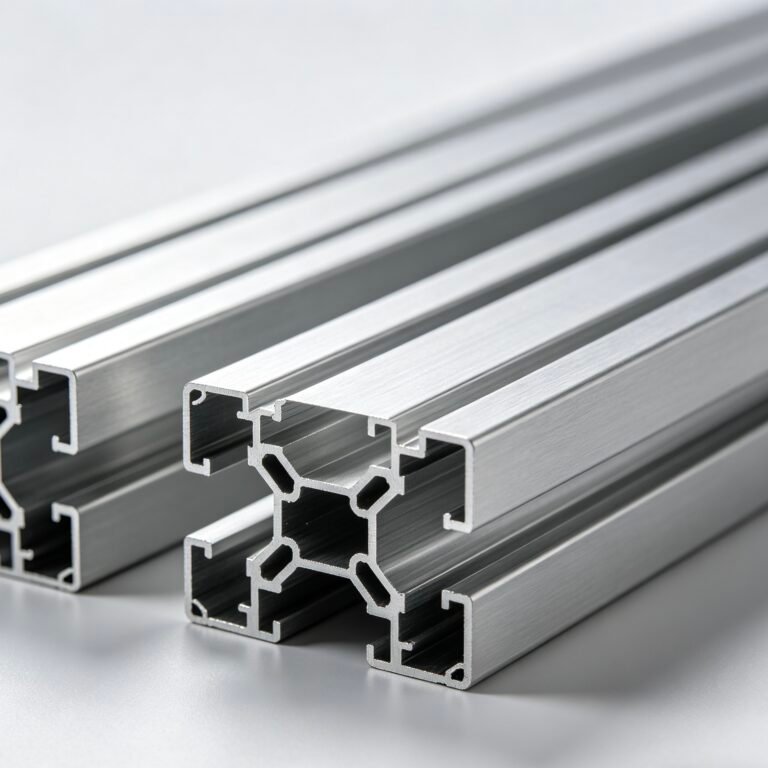
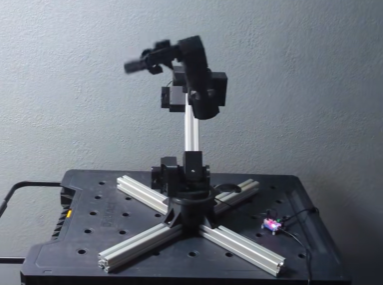
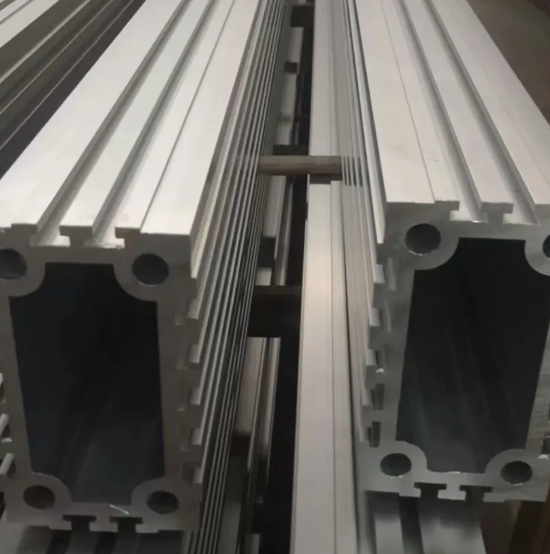
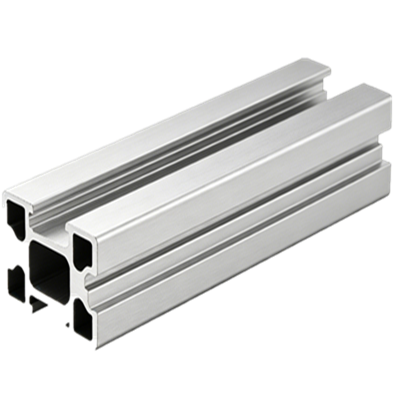
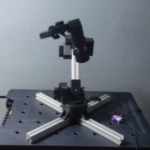
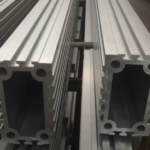
Engineers utilize the modular robot aluminum profile for automation as a fundamental structural component to build adaptable, lightweight frameworks for modern industrial machinery. This specialized extrusion features precise T-slots or V-slots, which allow technical teams to mount sensors, linear guides, and robotic arms without welding. The modular nature of this profile enables rapid layout modifications, making it an essential building block for automated assembly lines, collaborative robot (cobot) workstations, and smart factory integrations.
Manufacturers design these extruded framing structures to handle high dynamic loads while maintaining strict torsional rigidity under continuous operational stress.
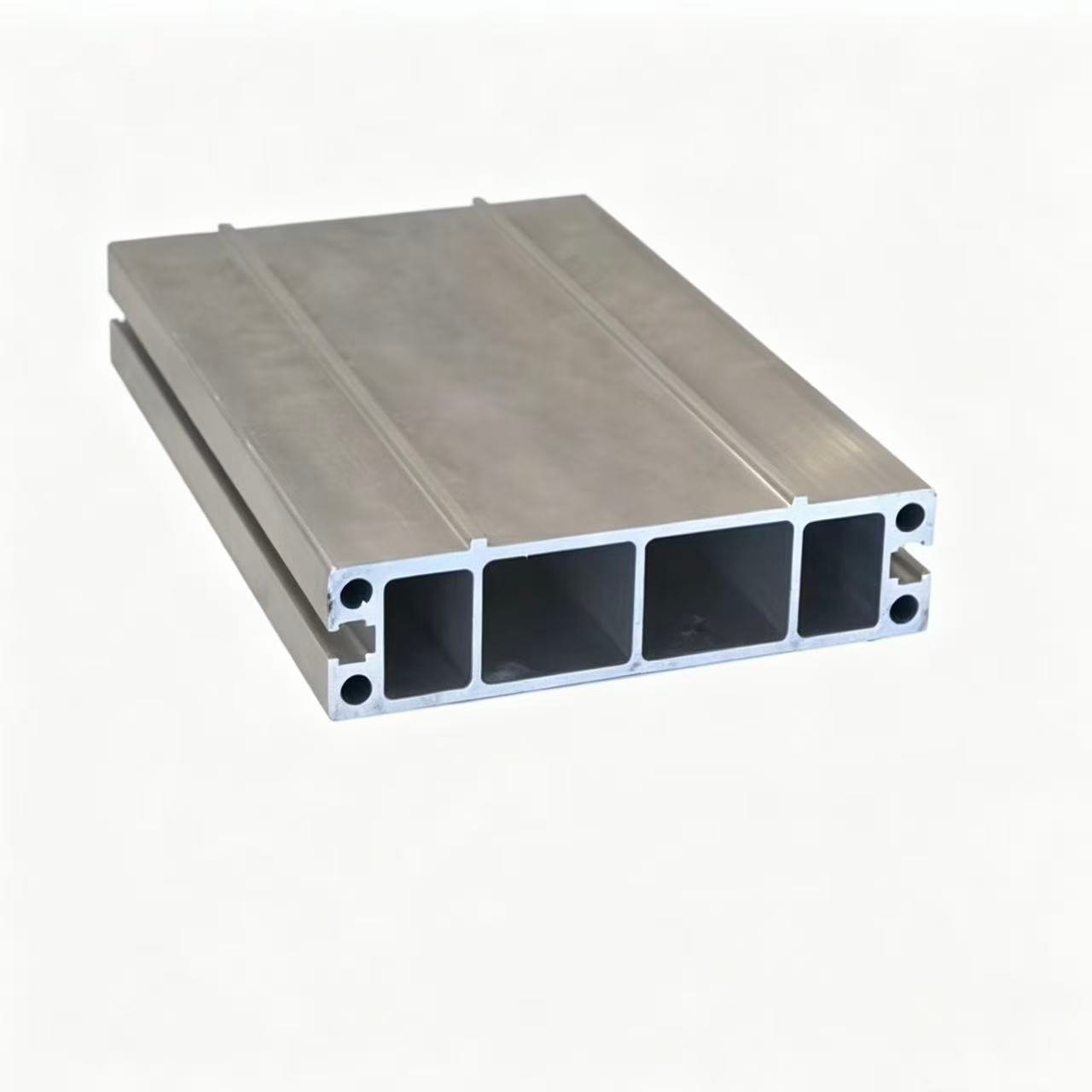
Related Products On Modular Robot Aluminum Profile Of Vanway Tech
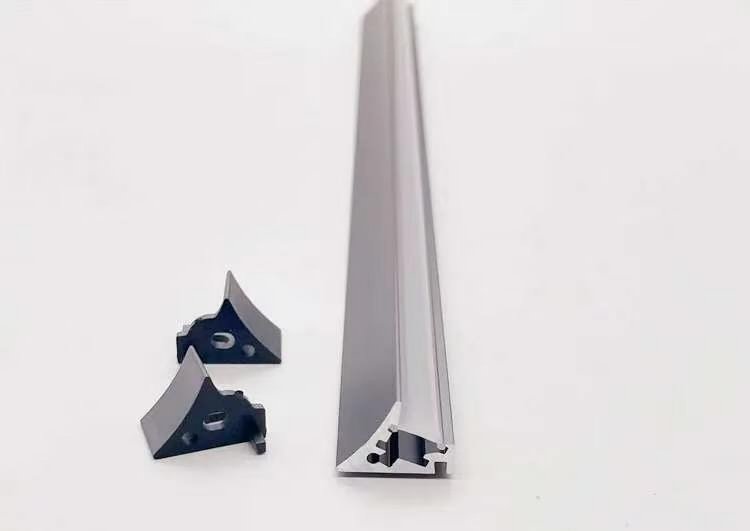
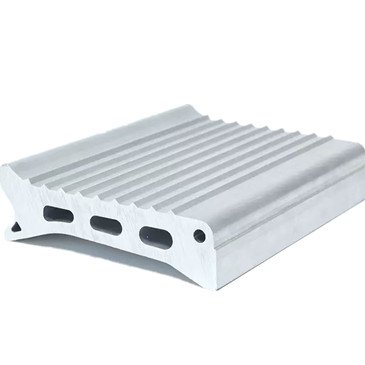
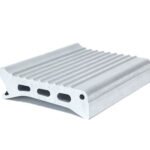
High Strength Extruded Profile Aluminum Enclosures for Robot Joint Electronic Housing
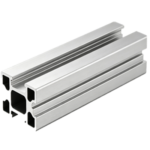
Vanway-Tech 6063 T5 4040 T-slot Aluminum Profile for Industrial Workstations
Technical Specifications and Material Data
The following table provides the exact technical performance standards and structural dimensions for our standard automation profile series.
| Property / Profile Size | 40mm x 40mm Series | 45mm x 45mm Series | 80mm x 80mm Series | Data Reference |
| Material Grade | 6063-T5 Aluminum | 6005-T5 Aluminum | 6005-T5 Aluminum | Vention Hardware Architecture |
| Weight per Meter | 1.42 kg/m | 2.05 kg/m | 5.08 kg/m | Vention Hardware Architecture |
| T-Slot Uniform Width | 8.0 mm / 14.0 mm | 8.0 mm | 10.0 mm / 14.0 mm | Robotunits Extrusion Tech |
| Tensile Strength | $\ge 180 \text{ MPa}$ | $\ge 260 \text{ MPa}$ | $\ge 260 \text{ MPa}$ | Eleanor Industries Automation |
| Surface Finish | Clear/Black Anodized | Clear/Black Anodized | Clear Anodized | Eleanor Industries Automation |
Diverse Application Scenarios
Automation engineers deploy these versatile structural profiles across a wide range of automated environments. For instance, automotive assembly plants use the heavy-duty 80x80mm profiles to build multi-axis robotic arm pedestals that withstand intense vibrational forces.
Meanwhile, electronic manufacturing facilities implement the lightweight 40x40mm profiles to assemble precise Cartesian coordinate robots and pick-and-place gantry systems.
Furthermore, logistics fulfillment centers construct rigid, impact-resistant chassis for Autonomous Guided Vehicles (AGVs) and Autonomous Mobile Robots (AMRs) using these modular components. Finally, safety technicians easily install protective perimeter fencing and robotic workcell enclosures by slide-mounting wire meshes directly into the unified profile slots.
Manufacturing Process Of Modular Robot Aluminum Profile
The production cycle begins with high-purity aluminum billets, which factory technicians heat to approximately 450°C to soften the metal for forming. Next, a powerful hydraulic press forces the heated aluminum through a custom-engineered steel die that accurately shapes the internal honeycomb structure and T-slots.
Immediately following extrusion, automated cooling systems quench the profiles with air or water to initiate the hardening process. Technicians then stretch the cooled bars to ensure perfect straightness before cutting them into precise industrial lengths.
Finally, the profiles undergo artificial aging in a thermal oven to achieve the required T5 or T6 hardness temper, followed by an anodizing bath that creates a protective, corrosion-resistant surface oxide layer.
Core Advantages of Structural Automation Profiles
- Rapid Assembly and Reconfiguration: The standardized slot design eliminates the need for welding, meaning assembly technicians can build or alter complex structures using only basic hand tools.
- Optimal Strength-to-Weight Ratio: High-strength aluminum allows the profiles to carry heavy automation payloads while reducing the overall dead weight of mobile robotic platforms.
- Superior Vibration Resistance: The unique internal geometry and secure fastening joints absorb continuous structural harmonics, which prevents the loosening of critical mechanical connections over time.
- Seamless Hardware Integration: Universal slot dimensions allow for immediate compatibility with standard linear rails, brackets, proximity sensors, and pneumatic actuators from various global brands.
FAQs Of Modular Robot Aluminum Profile:
Q1. Can I mix different brands of aluminum profiles in one automation frame?
A: Yes, you can mix different brands as long as they share identical slot widths and cross-sectional dimensions. Many global manufacturers standardize their lines on 8mm or 14mm slot sizes to facilitate easy cross-brand integration.
Q2. What surface treatment best protects profiles in corrosive factory environments?
A: Anodization offers the best protection because it creates a thick, electrochemical oxide layer that resists scratches and industrial chemical exposure. For cleanroom or highly sensitive electronics applications, a specialized ESD anti-static anodized finish is ideal.
Q3. How do I determine the correct profile size for a heavy robotic arm?
A: You must calculate the total static payload, the dynamic twisting forces, and the allowable deflection limits of the beam. Heavy-duty applications with high torque usually require structural profiles of at least 80x80mm or reinforced multi-slot configurations.
Q4. Is it necessary to drill holes into the profile to attach corner brackets?
A: No, the system utilizes specialized T-nuts and slide-in fasteners that lock tightly into the slot via friction and tension. This non-destructive connection method allows you to adjust your framing components infinitely without damaging the raw profile.
Q5. Do these modular aluminum profiles support high-speed linear motion?
A: Yes, the precision-engineered V-slot variants act directly as linear guide tracks for Delrin or steel V-wheels. This configuration provides a smooth, low-friction pathway for high-speed gantry robots and automated scanning mechanisms.
Q6. Can these profiles handle cleanroom automation standards?
A: Yes, clear anodized aluminum profiles are highly suitable for cleanrooms because they do not outgas, rust, or shed particulate matter. You only need to apply appropriate slot-cover strips to prevent dust accumulation in the open channels.
Q7. What is the standard cutting tolerance for automated custom orders?
A: High-precision industrial sawing machines typically achieve a tight length tolerance of $\pm 0.5 \text{ mm}$ or better. This extreme accuracy ensures that all modular joints fit together flush, preserving the squareness of the overall robotic frame.
Q8. How does aluminum framing compare to welded steel structures in terms of cost?
A: While raw aluminum may carry a higher initial material cost, it eliminates expensive welding, grinding, painting, and skilled labor charges. The total installed cost of modular aluminum framing is usually significantly lower, especially when factoring in future modification flexibility.
Vanway-tech: Your Trusted Automation Profile Partner
Vanway-tech excels as a premier manufacturer of high-performance modular robot aluminum profiles for automation systems. We utilize advanced value engineering and diligent project management to deliver structural framing solutions that cut assembly times and lower overall project costs. Our highly automated extrusion facility produces dimensionally precise profiles that seamlessly integrate into complex, cutting-edge robotic ecosystems. By leveraging sustainable manufacturing processes and rigorous quality control, Vanway-tech ensures optimal structural rigidity, strict adherence to global engineering standards, and reliable long-term performance for your smart factory transformations.
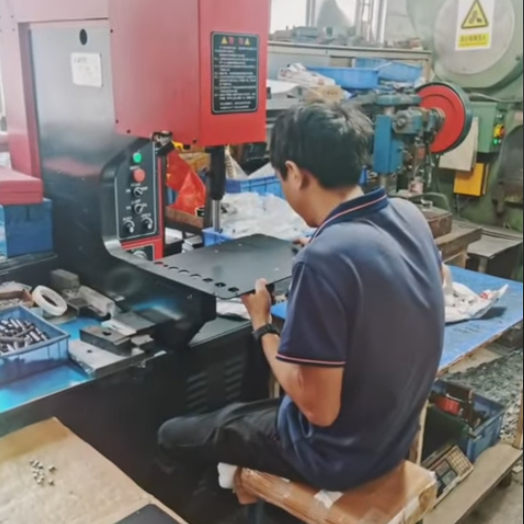
Contact Vanway Tech’s Support Team To Know More About The Aluminum Extrusion Solutions For Your Robot Project.
Contact Vanway Tech today for tailored one-stop aluminium extrusion solutions.
FAQs
Can you supply custom extruded aluminum profiles with OEM drawings & precise tolerances?
Yes, we specialize in custom aluminum extrusion profiles based on 2D/3D drawings (STEP, IGS, DWG). We support complex cross-sections, strict dimensional tolerances (±0.1mm for critical parts), and tailored alloys (6063/6061/6082). We provide free mold design evaluation for bulk export orders of custom industrial aluminum profiles and architectural aluminum sections.
What surface treatments are available for export-grade aluminum profiles?
We offer full surface finishes for global markets: anodizing (clear/color), powder coating (RAL colors), electrophoresis, polishing, sandblasting, and fluorocarbon coating. All treatments enhance weather resistance, durability, and appearance for aluminum window profiles, curtain wall aluminum profiles, T-slot industrial aluminum profiles, and heat sink aluminum profiles for overseas buyers.
What is the range of custom size & cross-section for your export aluminum profiles?
We support custom size aluminum profiles for export with cross-sections from 10mm×10mm to 300mm×300mm, wall thickness 0.8mm–10mm, and length up to 6 meters (or cut to your required length). Available cross-sections include T-slot, hollow tube, L-angle, U-channel, and complex custom shapes (per 2D/3D drawings). Our precision aluminum extrusion dimensions (tolerance ±0.1mm) suit architectural curtain walls, industrial frames, and solar panel aluminum bracket profiles.
What’s the MOQ for aluminum profiles and can we mix different profiles in one container?
The standard MOQ is 500–1000kgs per profile; we accept lower trial quantities for new export customers. We support mixed container loading of various aluminum extrusion profiles (industrial, architectural, LED, door & window) to optimize shipping costs and reduce inventory pressure for importers.
How long is the lead time for custom aluminum profile extrusion & export shipment?
Standard stock aluminum profiles ship in 7–10 days. Custom aluminum profile extrusion with new molds takes 20–25 days (mold fabrication + production). Bulk export orders (FCL/LCL) arrange shipment in 25–35 days, with timely updates on production, inspection, and container loading for global buyers.
What packaging & shipping solutions do you offer for overseas aluminum profile orders?
We use export-standard packaging: pearl cotton, kraft paper, plastic film, and fumigated wooden crates/pallets to prevent scratches and damage during sea/air freight. We support FOB, CIF, CFR, and DDP terms, with professional loading plans to maximize container utilization for long aluminum profiles and irregular custom sections.
Do your aluminum profiles meet international export standards (CE, ASTM, AAMA, EN)?
All our industrial & architectural aluminum profiles comply with CE, EN755, EN14888, ASTM B221, AAMA, and RoHS directives. We provide full test reports, material certificates, CO, and commercial invoices to smooth customs clearance for aluminum profile exports to Europe, North America, Southeast Asia, and Oceania.
What testing do your export aluminum profiles undergo to ensure quality?
All profiles pass rigorous testing: dimensional inspection (CNC coordinate measuring machine), tensile/elongation tests (ISO 6892-1), salt-spray corrosion tests (1000+ hours, ASTM B117), surface finish adhesion tests (ASTM D3359), and color fastness tests (ISO 105-B02). For key projects, we provide third-party (SGS/BV/Intertek) test reports. Our quality-checked export aluminum extrusion products meet ASTM, EN, and AAMA standards for consistent performance in global markets.
Contact With Vanway Tech Team for Premium Aluminium Extrusion Products!
Request A QuoteContact with Vanway Tech Team for Premium Aluminium Extrusion Products.
Contact InfoWe are looking forward to hearing from you!
-
Email: info@vanway-tech.com
-
Address: No. 588, Wuyi South Road, CSJ Moldware Town, Wujin, Changzhou, Jiangsu, China
Scan Below Codes to Contact Us Immediately.