Vanway Precision Materials Tech Co.,Ltd


How To Select the Right Aluminum Extrusions Surface Finish
How To Select the Right Aluminum Extrusions Surface Finish?
By: The Vanway Tech Engineering Team
Reviewed by: Quality Assurance Department, Vanway Precision Materials Tech Co., Ltd.
Published: May 2024 | Last Updated: June 2026

Contact Vanway Tech today for one-stop aluminum extrusions manufacturer for your custom profiles.
The significance of choosing the right surface treatment finish for aluminum extrusions
When engineers design profiles for solar PV frames, industrial automation systems, or LED lighting channels, they often overlook the final critical step: the surface finish. However, selecting an incorrect treatment can lead to rapid atmospheric corrosion, premature surface wear, or structural failures.
As a global aluminum extrusions manufacturer, Vanway Tech understands that proper finishing dictates product survival. Over the past decade, our production facilities have processed hundreds of thousands of tons of custom profiles. Consequently, we have witnessed firsthand how tailored surface treatments can extend a component’s operational life by up to 200%.
If you want to optimize your parts immediately, remember this core rule: use Anodizing for outdoor marine or solar setups to maximize corrosion resistance, choose Powder Coating for vibrant industrial colors, and rely on Mill Finish only for hidden internal brackets.

What are the common surface treatment processes for custom aluminum profiles?
To achieve superior performance, engineers must evaluate each aluminum extrusions surface finish based on design requirements. Below, we break down the primary options that Vanway Tech provides across our specialized aluminum surface treatment solutions.
1. Mill Finish (As-Extruded)
As a baseline aluminum extrusions surface finish, the mill finish represents the raw state of aluminum immediately after it leaves the extrusion die.
- The Advantage: It offers the lowest initial cost and provides a fast turnaround time.
- The Strategic Use: We recommend mill finish exclusively for hidden structural supports, internal machinery framing, or parts that will undergo secondary processing later.
2. Anodizing (Electrochemical Protection)
Anodizing provides an electrochemically enhanced aluminum extrusions surface finish that converts the metal surface into a durable, anodic oxide layer.Instead of applying a layer on top, this process integrates seamlessly with the underlying aluminum.
- The Advantage: It guarantees exceptional hardness, prevents chipping, and provides industry-leading resistance to UV rays and saltwater.
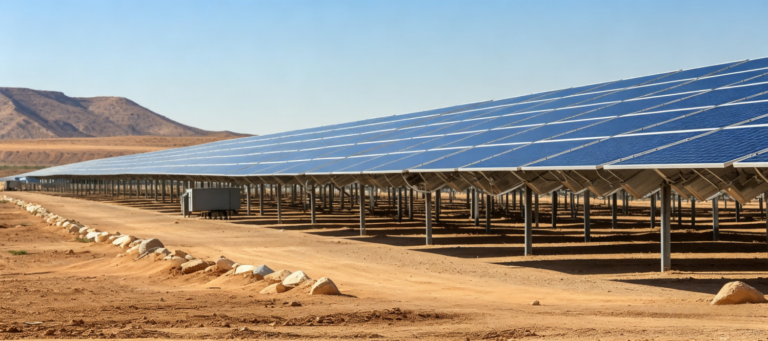
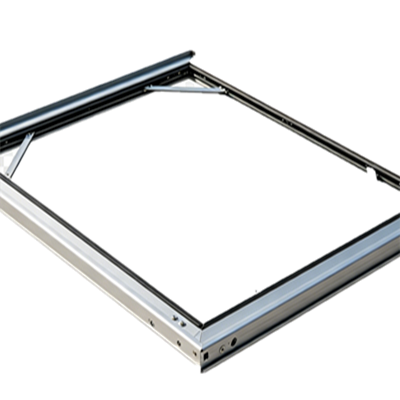
- The Strategic Use: Because Vanway Tech holds full ISO certification, we regularly deploy high-grade anodizing for solar panel frames, marine equipment, and architectural window profiles.


3. Powder Coating (Decorative & Protective Barriers)
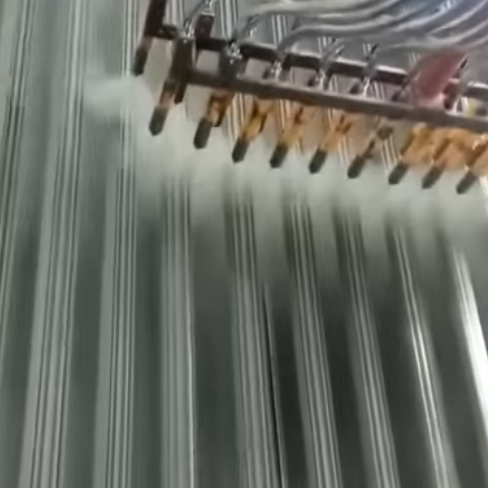
For vibrant industrial aesthetics, powder coating offers a highly durable aluminum extrusions surface finish where technicians electrostatically apply a dry powderto the aluminum before curing it under intense heat.
- The Advantage: This method offers a massive spectrum of RAL colors and creates a thick, uniform protective layer. Furthermore, it complies with modern green initiatives since it contains zero volatile organic compounds (VOCs).
- The Strategic Use: Engineers frequently select powder coating for consumer electronics enclosures, medical grade extrusions, and heavy-duty automotive trim.
4. CNC Machining Combined with Surface Treatments
Many industrial applications require intricate fabrications alongside surface protection. Vanway Tech bridges this gap by offering advanced CNC machining—including precision drilling, punching, and milling—prior to final surface treatments.
- The Advantage: Machining the raw profile before anodizing or coating ensures that the protective barrier covers every newly cut edge, bolt hole, and counterbore.
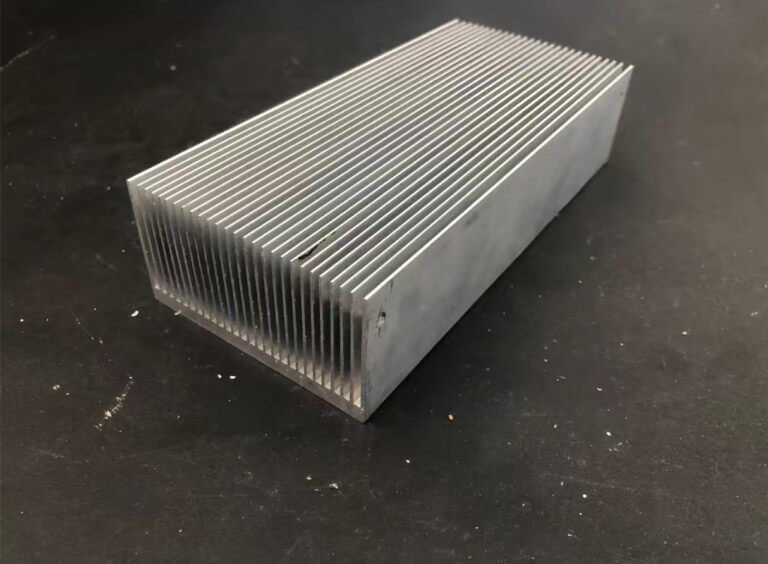
- The Strategic Use: This integrated approach serves as the gold standard for high-performance heat sinks, structural T-slot frames, and modular robotics systems.

The Industrial Finishing Decision Matrix
To streamline your selection process, our metallurgical engineers have compiled a quick-reference guide comparing each aluminum extrusions surface finish across performance and cost metrics.
| Finish Type | Weather Resistance | Wear & Scratch Resistance | Color Availability | Relative Production Cost | Ideal Industry Applications |
| Mill Finish | Low | Low | Matte Silver | $ | Internal brackets, concealed construction elements |
| Anodizing | Outstanding | Very High | Metallic Tints | $$ | PV Solar frames, architectural facades, marine gear |
| Powder Coating | Very Good | Medium | Unlimited (Full RAL) | $$ | Modular automation frames, consumer goods, LED channels |
| CNC + Anodizing | Outstanding | Very High | Custom Tints | $$$ | High-power heat sinks, aerospace parts, robotics |
Data Sources & Industry References:
- Corrosion Testing Protocols: We benchmark our anodizing and powder coating rust resistance against the official ASTM B117 Salt Spray Test Standard.
- Anodizing Thickness Standards: Military and industrial grade hardcoat anodizing details comply with the U.S. Military Specification MIL-A-8625.
- Powder Coating Quality Assurance: Architectural and industrial coating lifespans are verified using the international Qualicoat Standard Framework and FGIA/AAMA Architectural Coatings Specifications.
How Environmental Factors Dictate Your Finishing Choice
To guarantee project success, engineers must assess the operating environment before finalizing any material specifications.
First, consider atmospheric exposure. If you deploy components outdoors, moisture and atmospheric pollutants will aggressively attack raw aluminum. For example, solar frames encounter relentless UV rays and rain; therefore, they require an anodized coating to block oxidation.
Second, evaluate mechanical friction. When you build modular automated guided vehicles (AGVs) or heavy robotic framing, parts will frequently rub against each other. In these instances, a hardcoat anodized finish or precision powder coating prevents premature scratching and structural degradation.
Finally, analyze thermal performance. For thermal management systems like high-density LED Finally, analyze thermal performance. For heat sinks and LED arrays, choosing the proper aluminum extrusions surface finish prevents thermal insulation while ensuring long-term protection.
Partner with a Trusted Global Expert Aluminum Extrusions Manufacturing – Vanway Tech
Selecting the optimal aluminum extrusions surface finish involves engineering calculations that affect your entire product lifecycle. As a fully integrated aluminum extrusions manufacturer, Vanway Precision Materials Tech Co., Ltd. eliminates the guesswork from your supply chain. We provide comprehensive OEM/ODM solutions, combining raw extrusion, high-precision CNC machining, and specialized surface treatments under one roof.
Furthermore, we rigorously test our products against international benchmarks, ensuring strict compliance with ISO, CE, and RoHS standards. Whether you manufacture solar arrays, transportation components, or custom industrial frames, our team delivers the exact tolerances and finishes your blueprints demand.
Do you have a custom profile layout ready for production?
Contact the engineering experts at Vanway Tech today at info@vanway-tech.com to receive a comprehensive Design for Manufacturability (DFM) review and a complimentary technical quote.
FAQ Section
Q1: What is the primary difference between mill finish, anodizing, and powder coating?
A: Mill finish is raw aluminum directly after extrusion with no extra surface treatment, making it the most cost-effective option for non-visible internal parts. Anodizing is an electrochemical process that fuses an oxide layer with the aluminum for high scratch resistance and marine/outdoor durability. Powder Coating applies a protective dry color finish available in full RAL colors, ideal for custom designs and decorative industrial applications.
Q2: Which aluminum extrusions surface finish is best for outdoor and marine environments?
A: Anodizing is recommended for outdoor and marine environments. It offers exceptional UV resistance, hardcoat protection, and saltwater corrosion prevention, making it ideal for solar frames, architectural window profiles, and marine equipment.
Q3: Can custom aluminum profiles be CNC machined after applying an aluminum extrusions surface finish?
A: While machining can be done after finishing, it is best practice to perform CNC machining (drilling, punching, milling) before applying final surface treatments like anodizing or powder coating. This guarantees that the protective coating covers newly cut edges, drill holes, and counterbores to prevent localized corrosion.
Q4: How does surface finish impact the thermal management of aluminum heat sinks?
A: Thick surface coatings can act as thermal insulators and trap heat. When evaluating thermal performance, choosing an ultra-thin clear anodizing aluminum extrusions surface finish is ideal for heat sinks and LED channels
Q5: Is powder coating environmentally friendly compared to wet painting?
A: Yes. Powder coating electrostatically applies a dry powder that is cured under heat, emitting zero volatile organic compounds (VOCs). It is a eco-friendly alternative to traditional liquid paints while providing superior impact and chemical resistance.
Reliable Global Export Operations of Aluminum Extrusions Manufacturer
Zero-Damage Export Packaging
Because long-distance maritime transit poses high risks, Vanway Tech utilizes heavy-duty, export-grade packaging. By engineering robust crating and moisture-proof barriers, the company protects every customized aluminum extrusions surface finish against transit-induced physical damage and atmospheric corrosion.mospheric corrosion.
Guaranteed Compliance & Reliable Lead Times
Vanway Tech secures global supply chains by maintaining highly predictable production cycles that prevent assembly line downtime. Furthermore, the company provides complete material traceability and international compliance certifications, allowing global buyers to pass strict regulatory audits smoothly.

Do you have a custom profile layout ready for production? Explore our full range of custom aluminum profiles
or contact the engineering experts at Vanway Tech today to receive a comprehensive Design for Manufacturability (DFM) review and a complimentary technical quote.
Related Aluminum Extrusions Articles You May Like:
How to make your solar module frame aluminum extrusions more cost-effective?
How to choose a reliable manufacturer on solar panel aluminum frame?
Why Global Buyers Source Aluminium Frames for Solar Panel from China Manufacturers
How To Calculate FCL Cost For Aluminum Glass Railing Bulk Import
How to choose a reliable manufacturer on solar panel aluminum frame?
Related Aluminum Extruded Profiles You May Interested In:
Custom Modular Aluminum Profile For Automation Production Line
Custom 50mm Cylindrical Aluminum LED Heat Sink
4080 T-Slot Aluminum Profile 1000mm for Retail Display Shelf Frame
8mm Arc Shaped 6063 Alloy Aluminum Edge Trim Profiles for Wooden Floor Transition Edging
Premium Anodized 6061 Aluminum Tubing for Industrial Robotics
Contact With Vanway Tech Team for Premium Aluminium Extrusion Products!
Enquire with UsConnect with Vanway Tech Team for Premium Aluminium Extrusion Products.
Contact InfoWe are looking forward to hearing from you!
-
Email: info@vanway-tech.com
-
Address: No. 588, Wuyi South Road, CSJ Moldware Town, Wujin, Changzhou, Jiangsu, China
Scan Below Codes to Contact Us Immediately.