Vanway Precision Materials Tech Co.,Ltd


Architectural Aluminum Extrusions丨 Facades & Framing Systems
What is Architectural Aluminum Profiles?
Architectural Aluminum Profiles
Architectural aluminum profiles are extruded alloy products for construction and decoration, made via hot extrusion into various cross-sections.
With lightweight, high rigidity, strong corrosion and weather resistance, they resist rust and deformation outdoors. Their surfaces can be finished via anodizing, powder coating and other treatments.
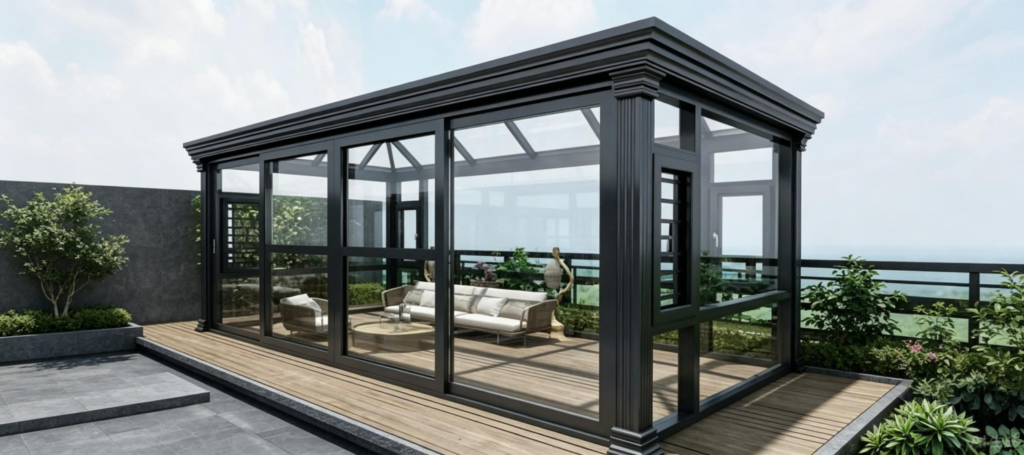
Widely used in curtain walls, doors, windows, railings and architectural decorations, they reduce building load, support flexible design and easy installation and maintenance compared with steel.
Fully recyclable with minor performance loss, they are vital green construction materials globally.
With lightweight, high rigidity, strong corrosion and weather resistance, they resist rust and deformation outdoors. Their surfaces can be finished via anodizing, powder coating and other treatments.
Widely used in curtain walls, doors, windows, railings and architectural decorations, they reduce building load, support flexible design and easy installation and maintenance compared with steel.
Fully recyclable with minor performance loss, they are vital green construction materials globally.
What Are The Advantages of Architectural Aluminum Profiles?
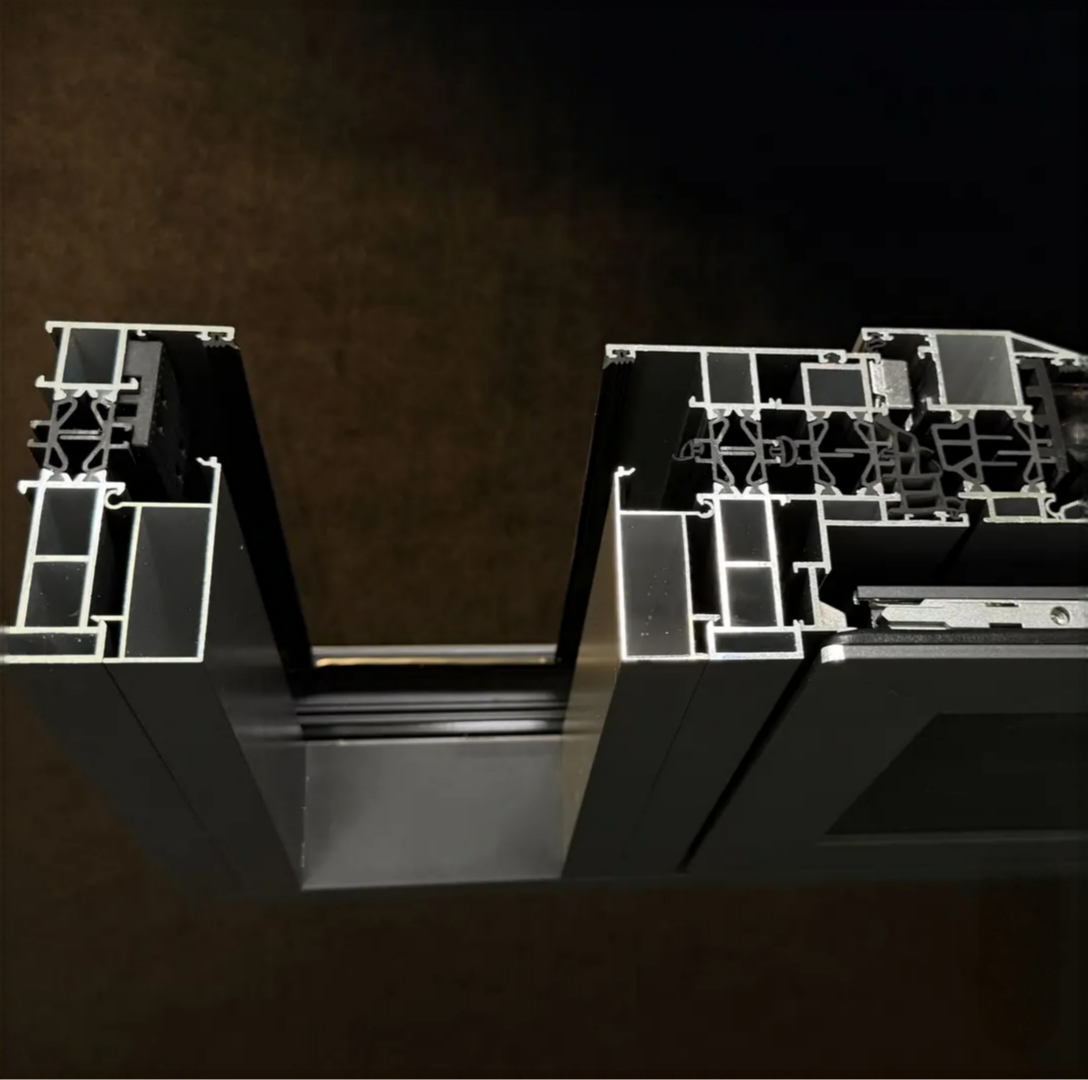
The Technical Specifications of Architectural Aluminum Profiles are as follows:
| Parameters | Specifications | Typical Applications |
|---|---|---|
| Alloy & Temper | 6063-T5 (most common): tensile strength ≥160MPa, excellent extrudability, cost-effective 6061-T6: tensile strength 260–310MPa, high strength for heavy loads 6082-T6: structural grade for curtain walls, bridges | Window frames, door systems, standard curtain walls (6063-T5) High-rise facades, structural supports, heavy-duty doors (6061-T6/6082-T6) |
| Cross-Section Size | Window series: 55mm, 60mm, 65mm, 70mm, 80mm, 90mm Curtain wall: 60mm×60mm, 80mm×80mm, 100mm×100mm Curtain wall mullions: 120mm–200mm width | Standard windows, casement doors, sliding systems Exposed frame curtain walls, structural frames Large glass facades, high-wind-resistance buildings |
| Wall Thickness | Residential windows/doors: 1.4–1.6mm (GB/T8478-2020) Commercial/exterior use: 1.8–2.0mm (mandatory for main force-bearing members) Curtain walls/skylights: 2.0–3.0mm | Low-rise homes, interior partitions, lightweight frames Mid-rise buildings, exterior doors, standard curtain walls High-rises, coastal projects, large-span structures |
| Surface Treatment | Anodizing (clear/bronze/black): 10–20μm thickness, 48+hr salt spray resistance Powder coating: 60–120μm, RAL color range, UV-resistantPVDF coating: 25+ year durability, extreme weather protection | Coastal areas, humid climates, industrial buildings Residential/commercial facades, decorative elements High-end architecture, harsh environments, coastal skyscrapers |
| Dimensional Tolerance | High-precision: ±0.13mm (GB 5237.1 for profiles ≤100mm diameter) Standard: ±0.20mm Ultra-high precision: ±0.08mm (custom applications) | Precision window assembly, seamless joint requirements General construction, cost-sensitive projects Architectural details, custom extrusion designs |
| Thermal Performance | Thermal break profiles: PA66GF25 strips, 12–20mm width Thermal conductivity: 200–230 W/(m·K) (base alloy) U-value: 1.8–2.8 W/(m²·K) (with thermal break) | Energy-efficient buildings, cold climates, green architecture Thermal insulation requirements, energy code compliance Passive house designs, low-energy consumption projects |
Best Seller
Architectural Aluminum Profiles
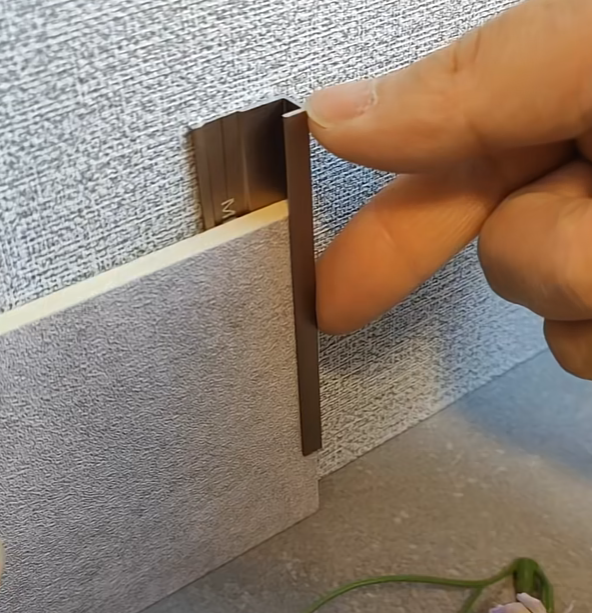
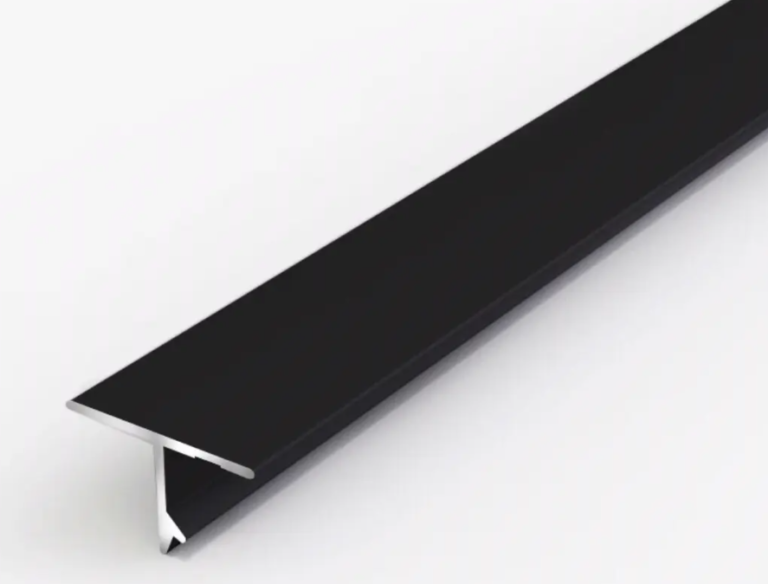


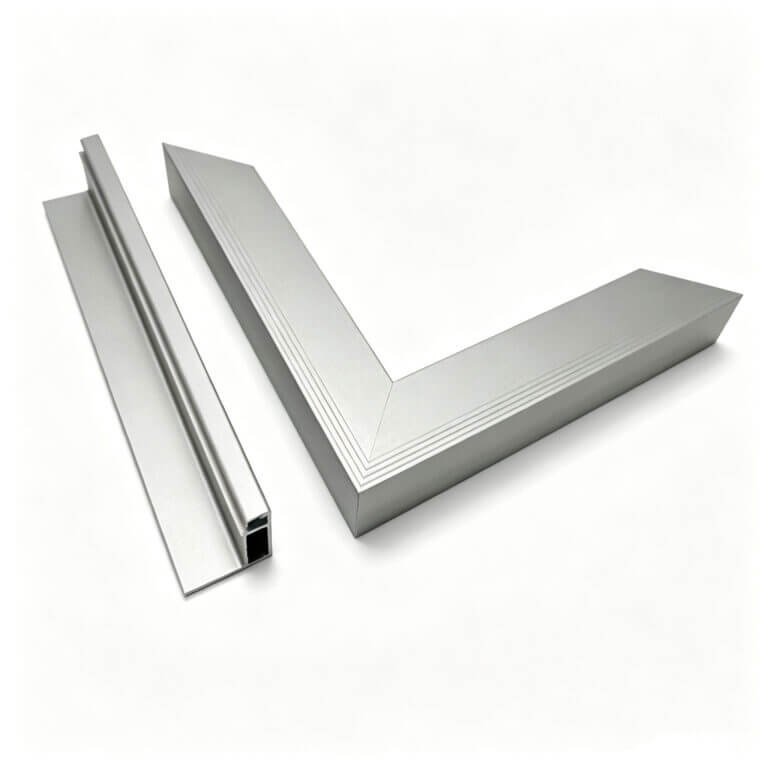


Why Is Aluminum a Premium Choice Material for Architectural Profiles?
Architectural aluminum profiles are now the top material for modern construction applications including windows, doors, curtain walls and structures, surpassing steel, wood, PVC and fiberglass. Driven by demand for energy-efficient, durable and sustainable building supplies, aluminum’s inherent traits and processability make it globally favored.
First, it boasts an outstanding strength-to-weight ratio. Made from common alloys 6063-T5 and high-strength 6061-T6, aluminum is lightweight yet sturdy, bearing heavy loads and reducing building structural burden, foundation requirements and construction costs. It resists aging, warping and deformation far better than wood and PVC, suiting high-rises, commercial buildings and coastal constructions.
Second, aluminum features great weather resistance and low upkeep. Treated via anodizing, powder coating or PVDF coating, it gains strong corrosion, UV and color stability against salt, humidity and extreme temperatures. Unlike rust-prone steel, it barely needs maintenance, cutting long-term building maintenance expenses.
Third, thermal break aluminum profiles enhance building energy efficiency. Fitted with PA66GF25 strips, they minimize indoor-outdoor heat transfer, meet international green building codes and cut heating and cooling costs greatly, perfectly fitting eco-friendly and net-zero energy constructions.
Fourth, aluminum extrusion enables vast custom design possibilities. It can be made into diverse precise shapes and sizes for varied architectural styles, with fine post-processing and strict dimensional accuracy supporting flexible creative designs.
Fifth, aluminum is highly sustainable. Fully recyclable with far lower energy consumption for reproduction, it contains high recycled content, is non-toxic and eco-friendly, helping projects meet ESG and green certification standards unlike deforestation-causing wood and harmful PVC.
Overall, aluminum excels in strength, durability, insulation, design flexibility and sustainability, satisfying modern construction’s key needs. It remains an irreplaceable premium material aligned with global green building trends for architects and builders worldwide.
First, it boasts an outstanding strength-to-weight ratio. Made from common alloys 6063-T5 and high-strength 6061-T6, aluminum is lightweight yet sturdy, bearing heavy loads and reducing building structural burden, foundation requirements and construction costs. It resists aging, warping and deformation far better than wood and PVC, suiting high-rises, commercial buildings and coastal constructions.
Second, aluminum features great weather resistance and low upkeep. Treated via anodizing, powder coating or PVDF coating, it gains strong corrosion, UV and color stability against salt, humidity and extreme temperatures. Unlike rust-prone steel, it barely needs maintenance, cutting long-term building maintenance expenses.
Third, thermal break aluminum profiles enhance building energy efficiency. Fitted with PA66GF25 strips, they minimize indoor-outdoor heat transfer, meet international green building codes and cut heating and cooling costs greatly, perfectly fitting eco-friendly and net-zero energy constructions.
Fourth, aluminum extrusion enables vast custom design possibilities. It can be made into diverse precise shapes and sizes for varied architectural styles, with fine post-processing and strict dimensional accuracy supporting flexible creative designs.
Fifth, aluminum is highly sustainable. Fully recyclable with far lower energy consumption for reproduction, it contains high recycled content, is non-toxic and eco-friendly, helping projects meet ESG and green certification standards unlike deforestation-causing wood and harmful PVC.
Overall, aluminum excels in strength, durability, insulation, design flexibility and sustainability, satisfying modern construction’s key needs. It remains an irreplaceable premium material aligned with global green building trends for architects and builders worldwide.
Why Choose Vanway Tech as Your Preferred Architectural Aluminum Profiles Supplier?
We work to an extremely high standard of customer satisfaction
quality excellenceVanway Tech follows ISO 9001:2015 and global architectural aluminum profile standards (GB 5237, ASTM B221). Made from high-grade 6063-T5/6061-T6 alloys, its profiles pass strict 48+ hour salt spray, ±0.13mm dimensional tolerance and load-bearing tests for durability. Advanced testing tools ensure stable quality for window, door, curtain wall and facade projects in coastal, high-rise and harsh climate environments.
design flexibilityVanway Tech offers custom architectural aluminum extrusion for 55mm–200mm+ complex cross-sections, various shapes, and multiple surface finishes. Its engineering team optimizes profiles for thermal breaks, drainage, and aesthetics with precision and cost efficiency, suiting modern, traditional, and sustainable building styles.
green efficiencyVanway Tech’s thermal break aluminum profiles meet LEED, BREEAM and net-zero energy standards with U-values of 1.8–2.8 W/(m²·K), cutting heating and cooling costs by 30–40%. Made with 30–70% recycled aluminum, they slash carbon emissions by 95% versus primary aluminum. Non-toxic, fully recyclable and low-maintenance, these profiles boost project ESG and sustainability to satisfy eco clients and regulations.
full-scale ServiceVanway Tech delivers full support from design consultation to on-site installation. Its team provides technical help for profile selection, thermal simulation and code compliance. Boasting over 10,000 tons monthly production capacity and global logistics partners, it guarantees punctual delivery. Dedicated after-sales service quickly solves problems, and online tracking updates clients to boost project efficiency and cut downtime.
How to Select Suitable Aluminum Extrusion Profiles for Architectural Projects?
We Provide Reliable Services
Step 1: CAD/3D Design & Die EngineeringSend us your 2D/3D CAD drawings or samples. Our engineering team reviews wall thickness, tolerances, and structural integrity before creating custom extrusion die drawings.
Step 2: Die Fabrication & Sample ApprovalWe manufacture precision extrusion dies and produce initial sample profiles for dimensional inspection and client sign-off.
Step 3: Verify Profile DimensionsCheck cross-section size, wall thickness and assembly tolerance. Ensure precise fitting for glass installation and structural frame assembly.
Step 4: Select Thermal Break DesignAdopt PA66GF25 insulated strips to minimize heat transfer. Meet energy-saving codes and improve thermal insulation of building envelopes.
Step 5: Pick Ideal Surface FinishesChoose anodizing, powder coating or PVDF coating. Gain UV resistance, corrosion protection and customized aesthetic effects.
Step 6: Validate Supplier CapabilityCheck ISO quality certifications, custom extrusion capacity, lead time and full technical support for long-term architectural project cooperation.
FAQs
Frequently Asked Questions of Architectural Aluminum Profiles.
Q: Which alloy grades are most widely used for architectural aluminum profiles?
A: 6063-T5 aluminum alloy is the mainstream grade for window frames, door frames and ordinary building facades with excellent extrudability and cost efficiency. For high-rise curtain walls and heavy structural components, 6061-T6 architectural aluminum extrusions are adopted for higher tensile strength and load-bearing performance. Both alloys comply with international construction standards for building envelope projects.
Q: What are thermal break aluminum profiles and their energy-saving advantages?
A: Thermal break architectural profiles are embedded with PA66GF25 nylon insulating strips to block heat conduction. They greatly reduce indoor-outdoor heat transfer, optimize building U-values, meet LEED & green building codes, and cut residential & commercial heating and cooling energy consumption effectively.
Q: What surface treatments are available for architectural aluminum extrusions?
A: We provide three mainstream outdoor-grade finishes: anodized aluminum profiles, UV-resistant powder coated aluminum, and weather-resistant PVDF fluorocarbon coating. All finishes offer superior corrosion resistance, color stability and anti-aging performance for coastal, humid and long-term exposed building facades.
Q: Do you provide custom architectural aluminum extrusion services?
A: Yes. Vanway Tech supports full customization on cross-section shapes, sizes, wall thickness, thermal break structures and drainage slots. We accept custom window & curtain wall profiles with stable MOQ, short production lead time and precise dimensional tolerance for global construction projects.
Architectural Aluminum Profiles
Connect with Vanway Tech Team for Premium Architectural Aluminum Profile Products!
Enquire with UsConnect with Vanway Tech Team for Premium Aluminium Extrusion Products.
Contact InfoWe are looking forward to hearing from you!
-
Email: info@vanway-tech.com
-
Address: 15F, Block 2, Wanda Plaza,Hutang Town,Wujin District,Changzhou,Jiangsu,China
Scan Below Codes to Contact Us Immediately.